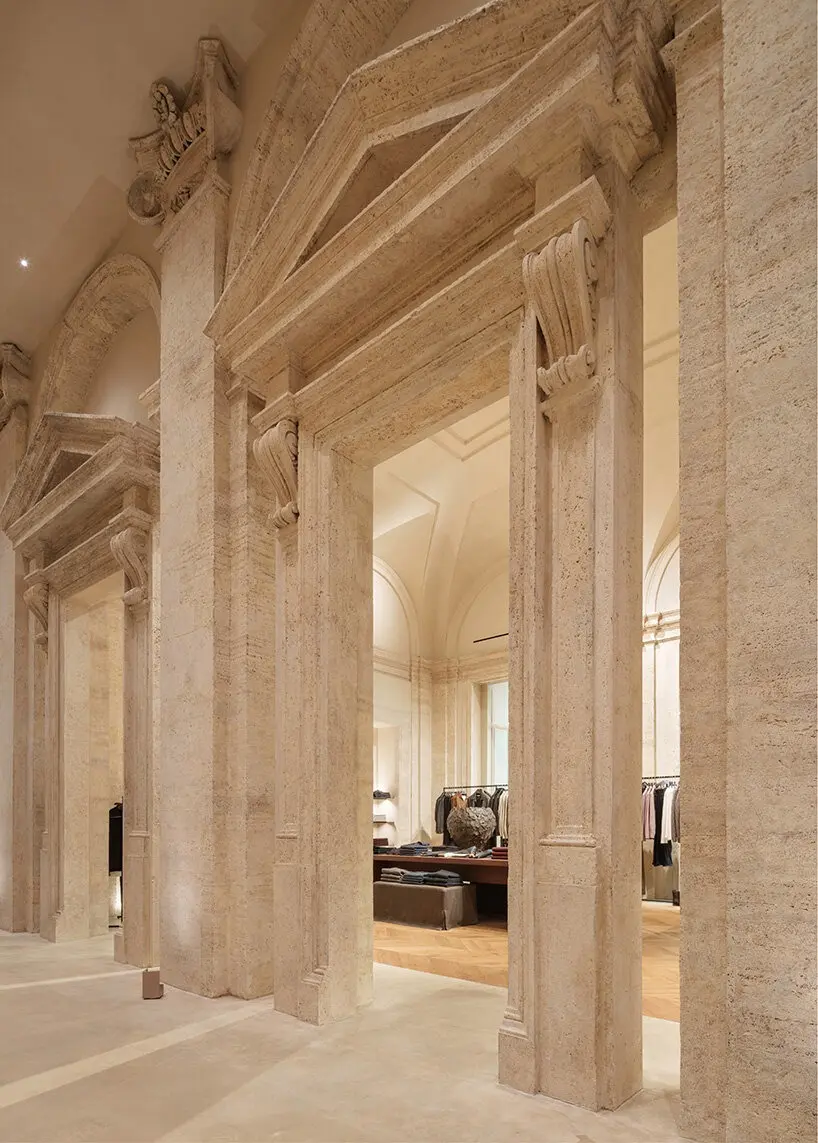
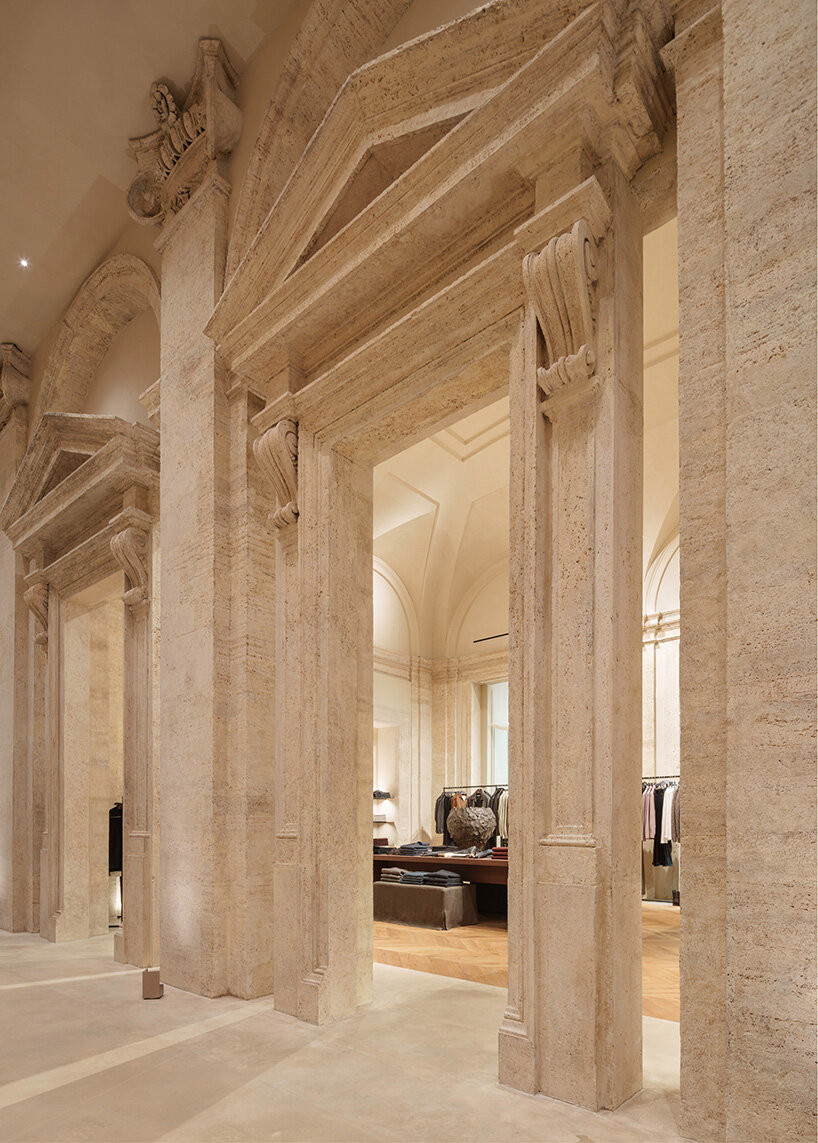
Spanish fashion brand Massimo Dutti has officially opened its expansive new flagship store in the heart of Rome, taking over a remarkable 16th-century architectural masterpiece. Spanning an impressive 2,000 square meters (approximately 21,527 square feet) along the historic and bustling Via del Corso, the new retail space establishes a profound dialogue between centuries-old Roman heritage and contemporary fashion design. Rather than masking the historic fabric of the building, the brand’s retail concept places its modern clothing collections directly within the storied architecture of Palazzo Ruspoli, thoughtfully pairing original features—such as magnificent vaulted ceilings and a grand palatial staircase—with contemporary wooden furniture, large-format rugs, and lightweight display systems.
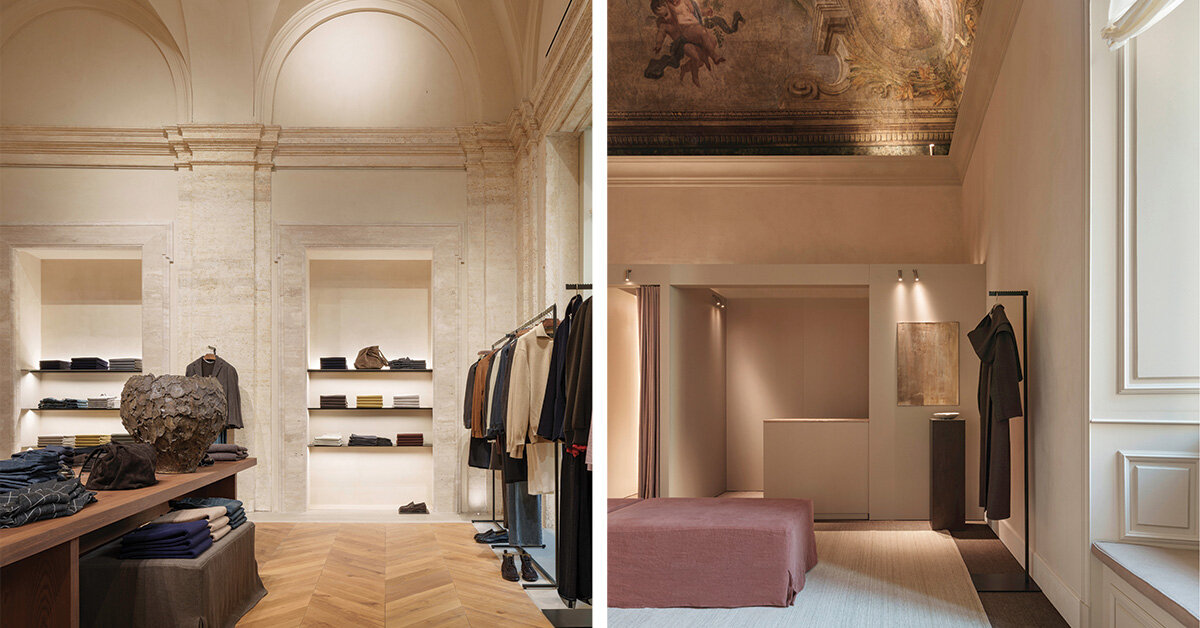
The opening of the Rome flagship represents a major milestone for Massimo Dutti, blending high-end commercial retail with a curated cultural experience deeply rooted in the local identity of the Italian capital. By collaborating with local artisans, perfumers, booksellers, and coffee roasters, the brand has transformed a traditional shopping trip into an immersive journey through Italian craftsmanship, design, and sensory exploration.
Preserving Historic Rome Palace Vaults and Arches
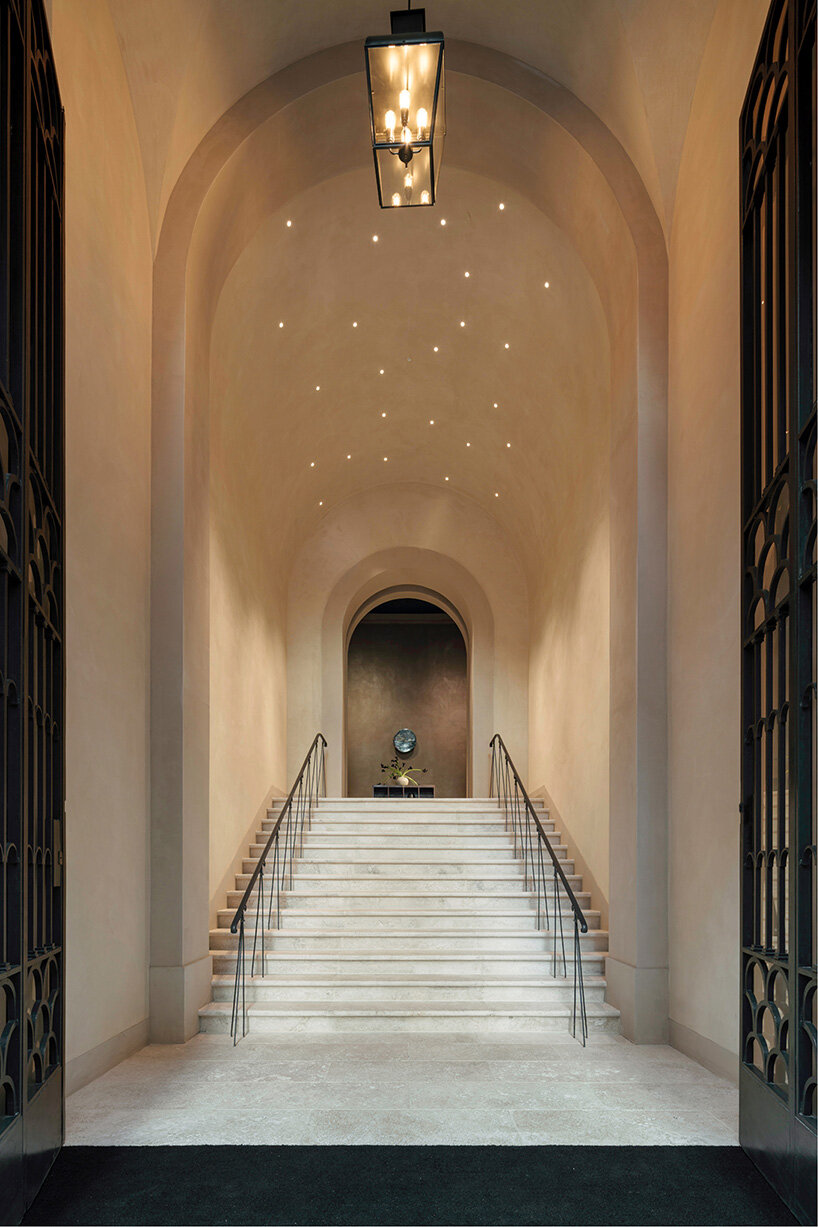
The journey for visitors begins upon arrival at the historic address along Via del Corso. Guests enter the flagship by ascending a wide, imposing stone staircase that immediately sets a monumental tone, leading them gracefully into a sequence of soaring, arched rooms. Prior to the grand opening, the space underwent a meticulous heritage study and a comprehensive restoration effort carried out by highly specialized artisans. These interventions ensured that the authentic 16th-century finishes, masonry, and architectural details remain fully visible and celebrated rather than concealed behind modern drywall or generic retail fixtures.
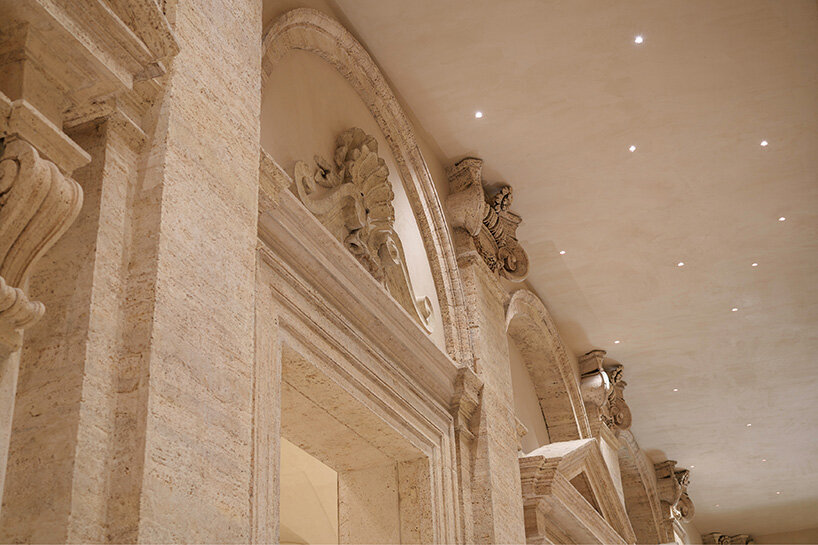
To honor the historical integrity of the architecture without compromising modern visual merchandising needs, indirect lighting has been discreetly installed at the base of the structural vaults. This deliberate lighting design accentuates the rhythmic flow and geometry of the historic arches, casting a warm glow that highlights the ancient masonry while providing optimal illumination for the retail environment.
Complementing the historical stonework, Massimo Dutti has selected a sophisticated, understated material palette dominated by warm wood and rich fabrics. Throughout the sprawling halls, minimalist sofas and refined display units invite shoppers to linger, creating a residential, intimate atmosphere within the palatial setting. As visitors navigate deeper into the store toward the checkout area, the interior mood shifts slightly. Here, the color palette deepens into more saturated, grounding tones, and tall, custom bookshelves line the walls, effectively enclosing the space and lending it the quiet, contemplative air of a private historic library.
Enhancing this atmosphere of cultured refinement, the flagship features several unique cultural activations for its opening phase. The store hosts an exclusive olfactory archive developed in close collaboration with renowned Florentine perfumery Profumoir. Visitors are invited to sample the perfumery’s primary fragrance notes, which are presented in delicate, flame-worked glass holders produced specifically for the project by Barcelona-based experimental artist Pia Glasswork.
In addition to the olfactory experience, the flagship embraces the literary arts through a partnership with independent Roman bookshop Leporello Books. The local bookstore has carefully curated a library consisting of nearly 100 distinguished titles focusing on art and architecture. Adding an intimate, personal touch to the retail environment, 20 of these curated book selections feature handwritten notes penned directly by the bookstore’s founder, bridging the gap between mass retail and bespoke, intellectual curation.
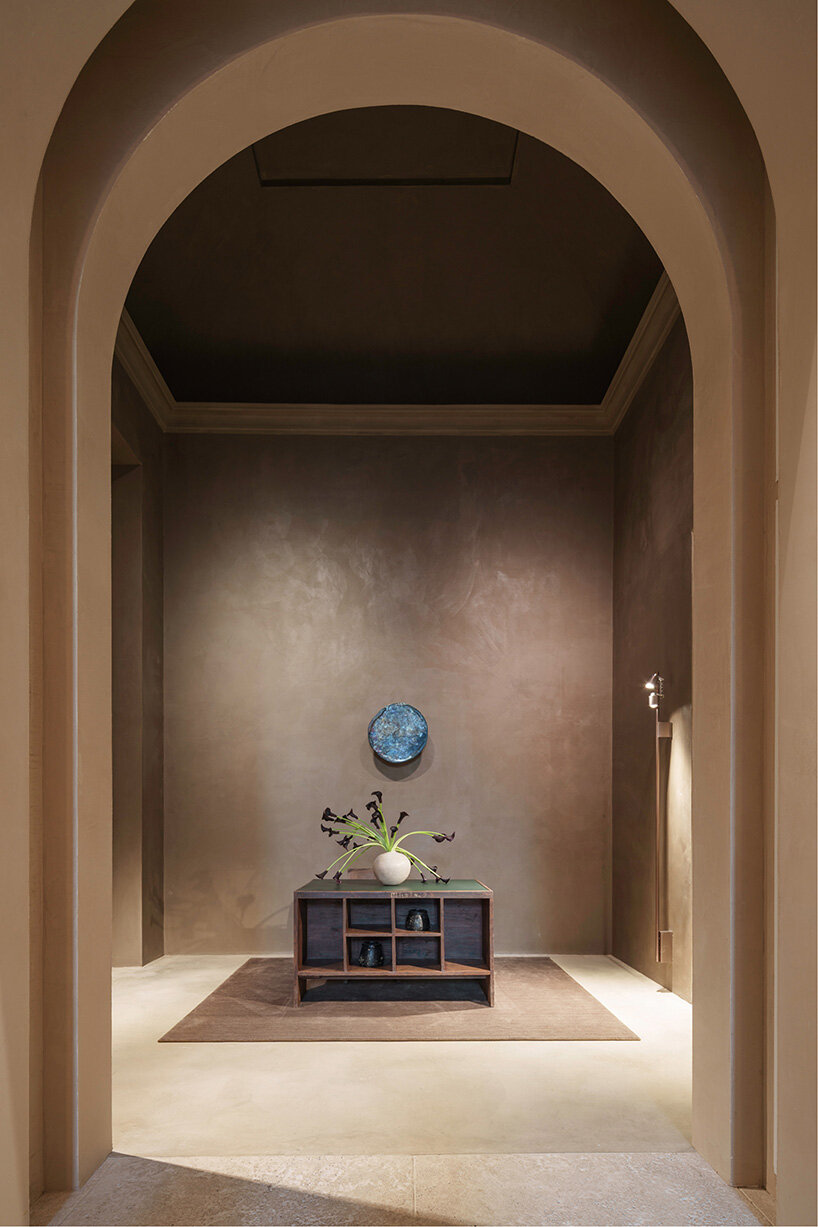
Debut of Massimo Dutti’s Fall/Winter 2026 Limited Edition
Occupying the prominent first floor of the flagship is the complete men’s and women’s collections, highlighted by the highly anticipated debut of Massimo Dutti’s Fall/Winter 2026 Limited Edition. The new collection places a heavy emphasis on master craftsmanship and sophisticated tailoring, showcasing an array of sharply structured jackets, fluid wide-leg trousers, and sweeping long coats designed for the transitional and colder months.
The garments themselves explore a rich interplay of textures, successfully pairing supple leather elements with tactile knitwear and ethereal, diaphanous fabrics. The accompanying color palette draws inspiration from earthy, timeless tones, moving fluidly through shades of deep black, rich chocolate, versatile gray, warm taupe, classic camel, and mineral stone, perfectly echoing the subdued, natural material palette of the interior architecture.
To ensure that the physical grandeur of the 16th-century palace is matched by modern efficiency, the flagship operates with a suite of advanced digital services designed to streamline the customer experience. A dedicated concierge service is available to handle complex requests, such as managing delayed collections or arranging direct deliveries to local hotels for international travelers. Meanwhile, store staff are equipped with mobile inventory devices to assist shoppers seamlessly anywhere on the floor, and online orders can be prepared for rapid in-store pickup in under two hours.
The brand’s integration into the cultural fabric of Rome extends far beyond the physical boundaries of Palazzo Ruspoli. As part of its broader urban activation, Massimo Dutti has partnered with local institutions, serving signature coffee sourced from Caffè Doria directly within the flagship space. Simultaneously, the brand has established a temporary artistic installation within the historic courtyard of the nearby Palazzo Doria Pamphilj, further cementing its commitment to Rome’s rich artistic heritage and urban landscape.
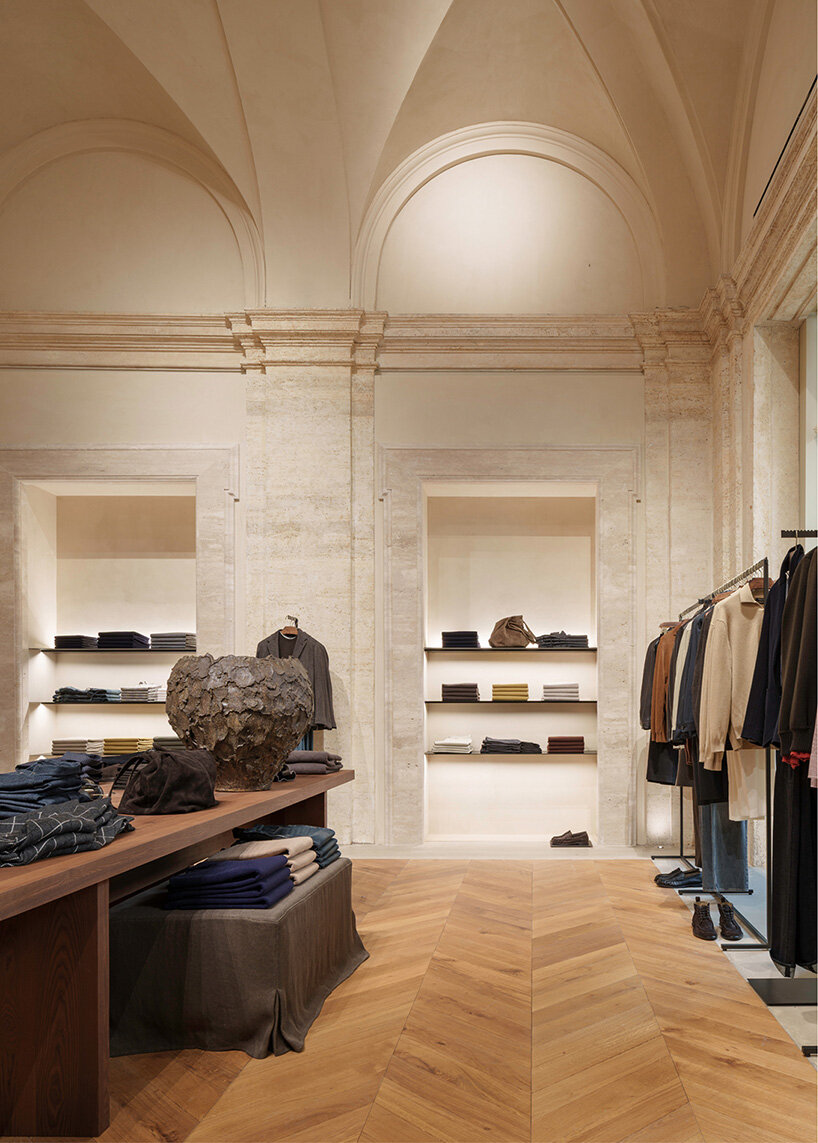
The Massimo Dutti Rome Flagship at Palazzo Ruspoli spans 2,000 square meters (21,527 square feet) along Via del Corso, Italy.