To find out what is actually driving interior design this season, Vogue spoke with ten prominent interior designers to identify the key home decor trends worth investing in this autumn. From deep, saturated color palettes to a renewed appreciation for handcrafted artisanal details, the consensus points away from sterile minimalism and toward spaces that feel tactile, personal, and deeply enveloping.
Jewel-Toned Colors
Conventional wisdom often dictates that the arrival of autumn demands a restrained, earthy color palette consisting of soft browns, muted reds, burnt oranges, and golden yellows. However, this season’s design movement challenges that notion entirely, embracing the rich intensity and dramatic depth of jewel tones.
Sophie Rowell, founder of Côte de Folk, recently executed a project that entirely enveloped walls and floors in a deep olive green. To maximize the sense of tactility and warmth, Rowell bypassed traditional hard flooring and area rugs altogether, opting instead for continuous, wall-to-wall carpeting that absorbs light and creates a cocoon-like environment.
Similarly, Adele Lonergan, co-founder of Covet Noir, has been busy injecting small, deliberate doses of rich chocolate brown and berry tones into her clients’ homes, even when working within a traditionally neutral framework. These saturated shades, Lonergan explains, are particularly effective when rendered in tactile, light-absorbing fabrics such as velvet and mohair, where variations and depths of color can truly be appreciated. They also translate exceptionally well into richly veined natural marble. For those who are more color-shy, Lonergan notes that a few carefully chosen accents—such as a plush cushion cover or a small decorative object—can instantly make a neutral interior feel more substantial and appropriate for the colder months.
Folk and Traditional Craft
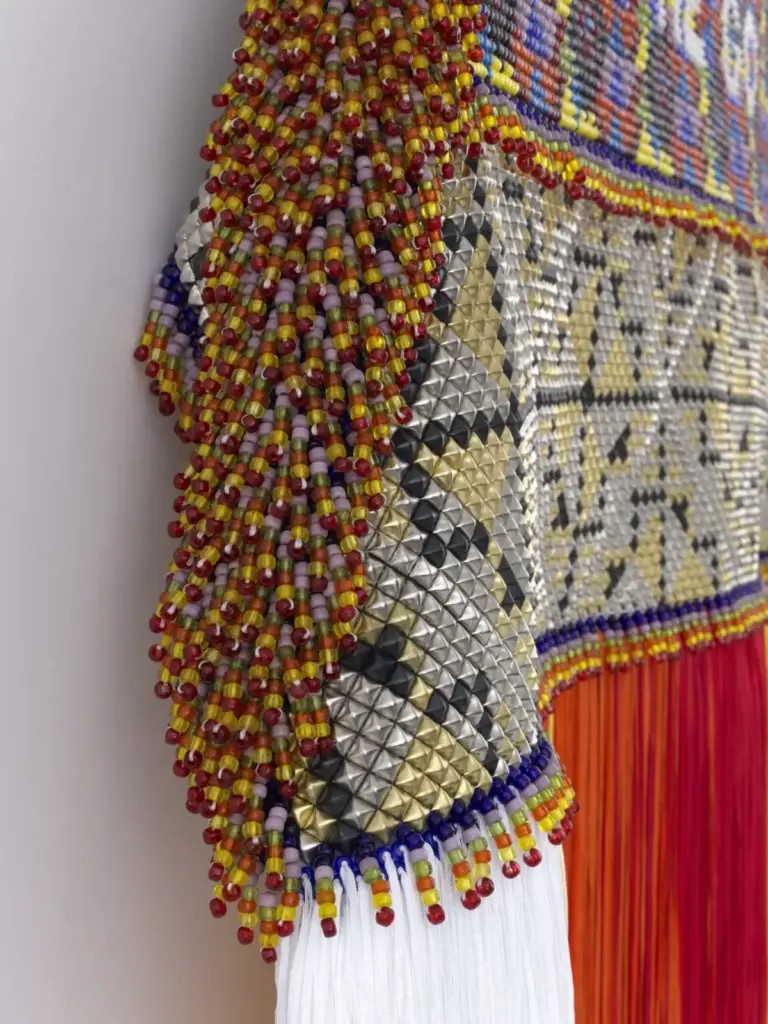
Perhaps acting as an aesthetic reaction to the rapid rise of digital automation and artificial intelligence, spaces that feel homespun, imperfect, and unmistakably human are experiencing a major resurgence. Lauren Geremia, founder of Geremia Design, observes a growing client desire for surfaces that bear the undeniable mark of a maker’s hand, alongside personal adaptations of products that feel entirely unique to the owner. It is precisely these minute details, Geremia suggests, that transform a generic room into a space with a distinct identity and narrative.
This artisan spirit is embodied by the return of modern folk, a design philosophy rooted firmly in traditional craftsmanship. Tom Cox, principal and chief creative at Hám, notes that the style brings authenticity and storytelling into a room, a quality that is seeing profound appreciation right now. Whether a piece is hand-painted, slightly unrefined, or visibly showcases brushstrokes and hand-stitching, it lends an immediate lived-in quality to an interior. Cox points to needlepoint cushions, printed artworks, handmade textiles, and artisanal furniture as straightforward ways to embrace the trend.
For other designers, this movement is less about purchasing newly manufactured items and more about repairing and preserving what already exists. Nicola Harding advocates for a philosophy of mending items that have been worn down or damaged by daily domestic life. Rather than discarding a worn armchair or a frayed rug, Harding suggests patching holes using vintage fabrics or contrasting materials. Embracing these visible repairs allows a home to accumulate layers of personal history, giving the physical space significantly more meaning.
Carpet Layering
Floor treatments are also undergoing a significant shift away from bare minimalism, with designers turning to historic textiles to add warmth and dimension underfoot. Emma Sims-Hilditch, founder and creative director of Sims Hilditch, highlights a growing preference for antique Turkish carpets layered over larger, quieter, and more understated base rugs.
Sims-Hilditch expresses a particular fondness for softer, more faded examples, such as antique Oushak carpets. Known for their large-scale, open patterns and beautifully muted palettes of dusty rose, faded terracotta, soft apricot, tobacco, celadon, and cream, these rugs introduce a sense of history to a room. She advises looking for pieces that display authentic signs of age, mellowed colors, and slightly irregular patterns, and layering them over simpler floor coverings. This technique effectively prevents a newly decorated room from feeling as though every item was purchased and delivered on the exact same day.
1970s Spirit
The aesthetics of the 1970s—characterized by a distinct blend of hedonism, glamour, and playful excess—are continuing to heavily influence contemporary home design. Spanning everything from natural rattan accents to low-slung modular sofas, the iconic forms of the decade offer a natural antidote to overly austere interiors.
Jacu Strauss, a designer at Lore Group, suggests that the current appetite for high-gloss lacquered finishes, rich textures, and animal prints provides an ideal framework for injecting a sense of fun into residential spaces. This look unashamedly embraces a degree of maximalism. Whether homeowners choose to make a bold statement with a large, patterned area rug or keep the gesture discreet with a decorative backgammon set resting on a coffee table, the seventies revival encourages a more lighthearted and expressive approach to seasonal decorating.
Floral Motifs
Floral prints for autumn are shedding their traditional springtime association with ditsy, delicate patterns. Instead, designers are leaning toward botanical motifs with significantly more weight and edge.
According to Adele Lonergan, an autumnal floral print should never feel overly fussy or cutesy. Designers are instead opting for blooms rendered in dramatic colorways, swirling abstract glassware, or moody furniture pieces, such as dark velvet chairs featuring rich botanical upholstery. The overarching goal is to avoid anything too sweet, favoring floral interpretations that possess strong personality and visual gravity.
Fringed Everything
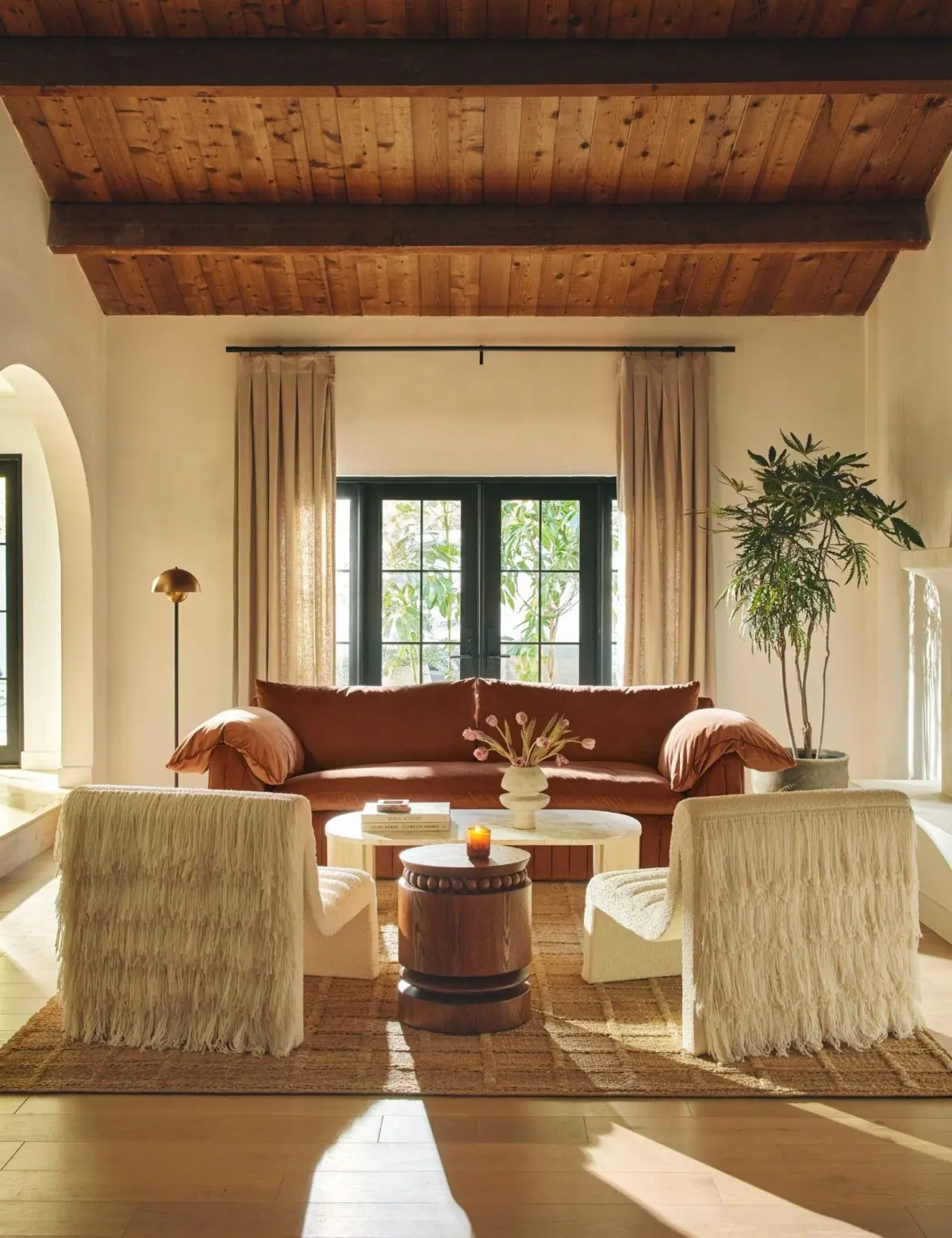
The enduring influence of Art Deco across both fashion and interior design has brought about a widespread embrace of fringes, tassels, and elaborate passementerie. These theatrical details offer a sophisticated method for introducing intricate elegance and texture to otherwise clean-lined, contemporary furniture.
Interior designer Pandora Taylor notes that successfully integrating these theatrical adornments into a modern home relies entirely on careful balance. The approach is deliberate: a brush fringe on an ottoman here, a decorative key tassel there. Taylor recommends pairing these traditional flourishes with sleek, contemporary furniture silhouettes, creating a dynamic tension between modern geometry and classic detailing.
Heavier Textiles
For those seeking the simplest, most direct route to transitioning a home between seasons, designer Jake Arnold suggests looking closely at smaller domestic surfaces. Much like updating a tablescape to reflect the weather outside, Arnold recommends swapping out lighter summer textiles for items that feel noticeably softer, heavier, and more enveloping.
The most accessible entry point to this trend is the introduction of a new throw blanket. Designers recommend prioritizing luxurious materials such as cashmere, fuzzy mohair, or dense, heavy-weight wool. For practitioners like Marta de la Rica, wool remains an essential material due to its rich texture, natural color variations, and versatility. By incorporating substantial woven blankets and textured pillows from artisanal makers, interiors naturally acquire the physical warmth and layered visual depth required to weather the colder months ahead.