For decades, Game Boy cartridges have lived quiet lives tucked away in dark drawers, storage bins, and cardboard boxes, waiting patiently for the moment a user might feel the nostalgic pull to play a platformer or puzzle game from their childhood. But for many retro gaming enthusiasts, the true emotional hook of these chunky plastic rectangles isn’t always the gameplay mechanics or the pixelated levels—it is the music. The chirps, bleeps, and driving chiptune melodies composed within the strict hardware limitations of Nintendo’s iconic handheld console often leave a more lasting impression than the games themselves.
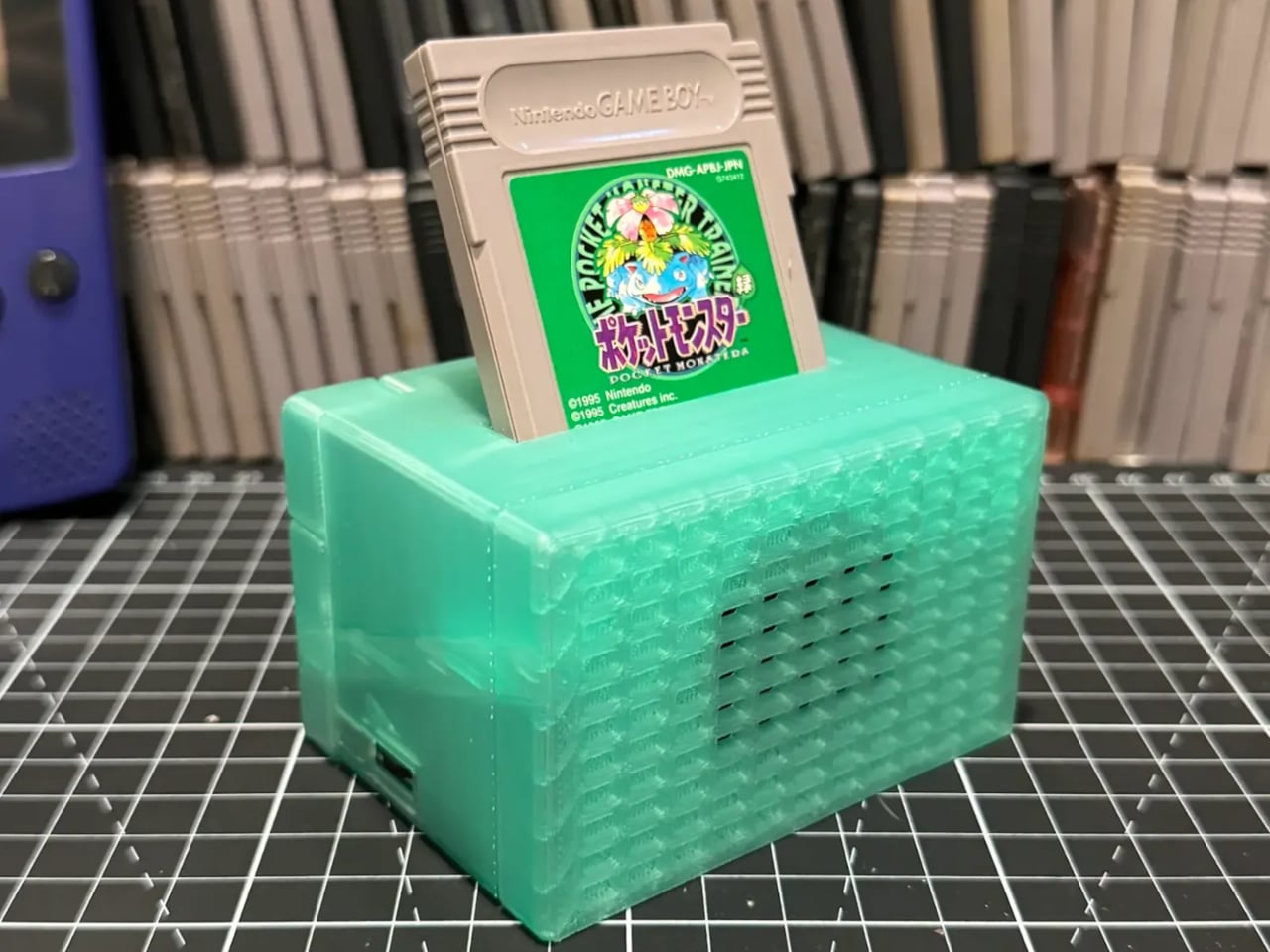
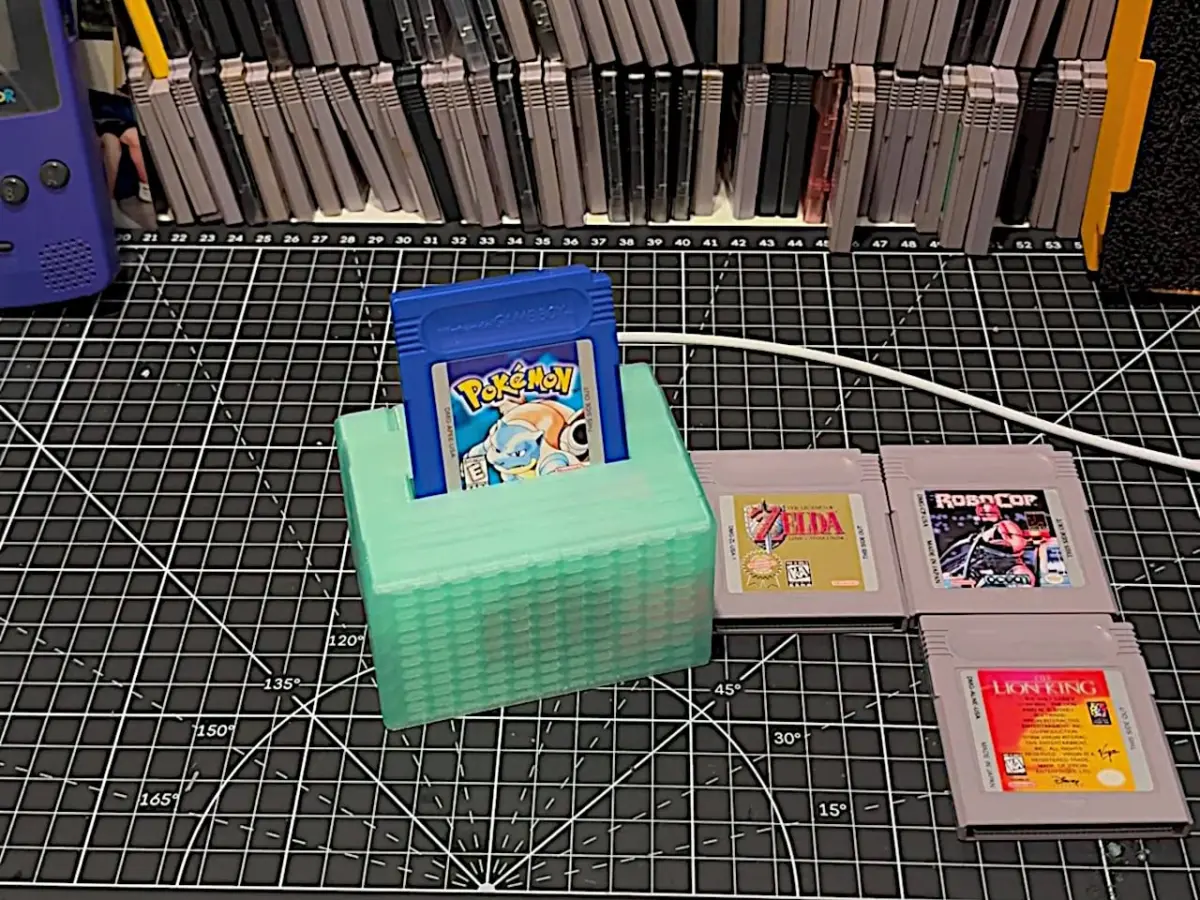
Recognizing this enduring auditory connection, a designer named BJ from Bird Cartel Games has conceptualized an innovative device that gives those dormant cartridges an entirely new purpose. Known as the Retro Song Bird, the prototype device functions as a dedicated tabletop record player specifically engineered for Game Boy cartridges. Instead of forcing users to scroll through endless digital libraries of audio files or boot up a console just to hear a favorite track, the Retro Song Bird allows music lovers to pull a physical cartridge straight from a shelf, plug it into a top-mounted slot, and immediately experience the soundtrack of their youth.
At first glance, the prototype presents an aesthetic that feels entirely at home in the retro gaming ecosystem. Built with a compact and translucent green housing, the player features a prominent top-loading slot for the cartridges, a clean speaker grille mounted on the front fascia, and a minimalist set of physical controls arranged neatly along the side. The overall behavior mimics that of a miniature stereo system playing physical albums, bridging the gap between tactile physical media and classic video game audio in a way that modern digital streaming services simply cannot replicate.
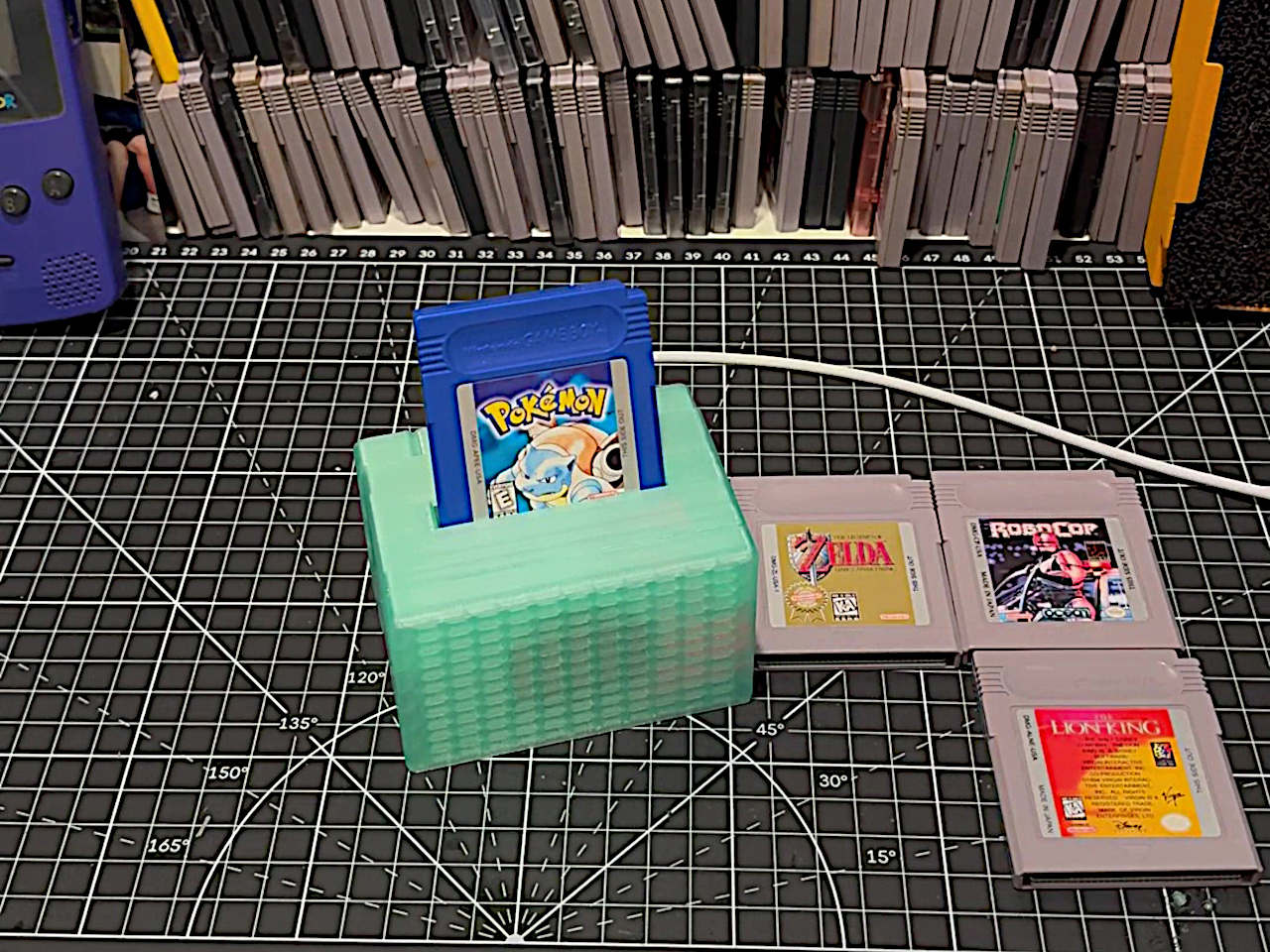
However, the inner workings of the Retro Song Bird are far more sophisticated than a simple playback device. Rather than reading a pre-recorded audio file stored on the cartridge, the system actually reads the native code of the game itself and recreates the music in real-time using a hardware emulation of the original Game Boy sound chip. According to the developer, the current software architecture is mapped to support more than 1,900 distinct games, though that impressive figure represents a compatibility scope rather than a fully tested compatibility list. Once a cartridge is inserted, listeners are given the freedom to effortlessly skip between individual tracks and sound effects without needing to play through the associated levels or defeat difficult bosses.
This unique functionality transforms how retro game soundtracks can be enjoyed in everyday life, making the device exceptionally well-suited for moments when a listener wants atmospheric background music without another glowing screen demanding their attention. Users can let the nostalgic melodies play directly through the device’s built-in speaker while working at a desk, or they can route the audio through external gear by connecting the stereo line output to larger household speakers. Through this setup, a memorable melody that once underscored a notoriously frustrating boss battle can fill an entire room with warm chiptune nostalgia, functioning as ambient music even if the listener never picks up a traditional controller.
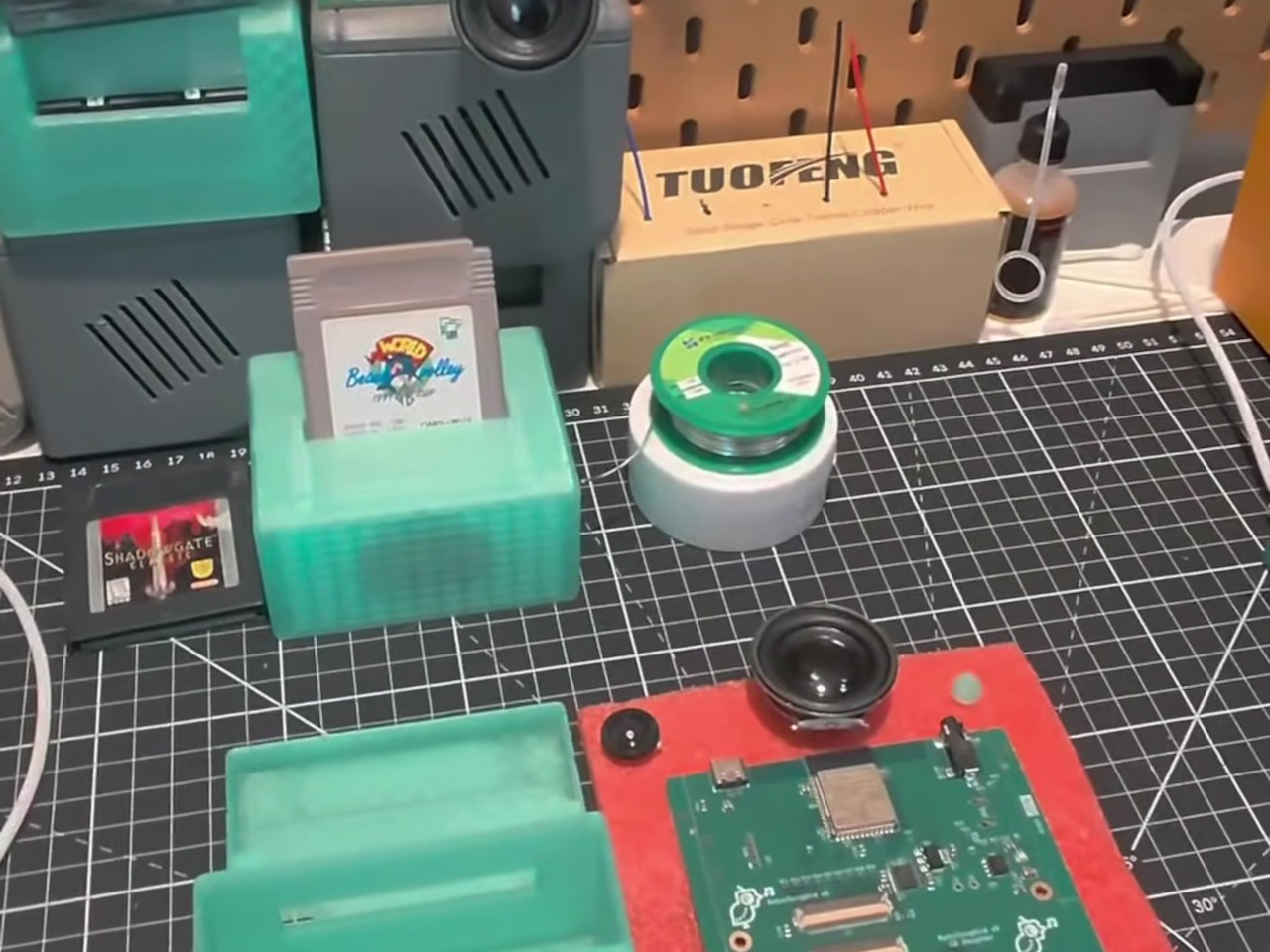
Beyond its primary function as a standalone music player, the physical cartridge slot also doubles as a versatile archive station for retro hardware preservation. The device is equipped to back up and restore precious save data, copy game ROMs, and even export music directly into uncompressed WAV files. For adults who have held onto a childhood save file for decades and regard it as too precious to risk losing to failing cartridge batteries, this feature offers a practical safety net. Instead of treating classic games as static, sealed collectibles meant only for display, the Retro Song Bird design actively encourages users to listen to, interact with, and preserve the digital artifacts still living inside the plastic shells.
For creative musicians and electronic artists, the device opens up even deeper technical possibilities. The Game Boy’s internal sound architecture consists of four distinct audio channels, and the Retro Song Bird breaks these down into separate USB audio streams. This capability allows producers to route the classic sound channels directly into digital audio workstation software, where they can be rearranged, remixed, or sampled for modern music production. An artist can start with a familiar retro melody, isolate the square waves from the noise channel, and build an entirely new composition from the building blocks of classic game audio. The exact same cartridge that entertained a player on the school bus years ago suddenly becomes a robust, tactile sound module for contemporary music creation.
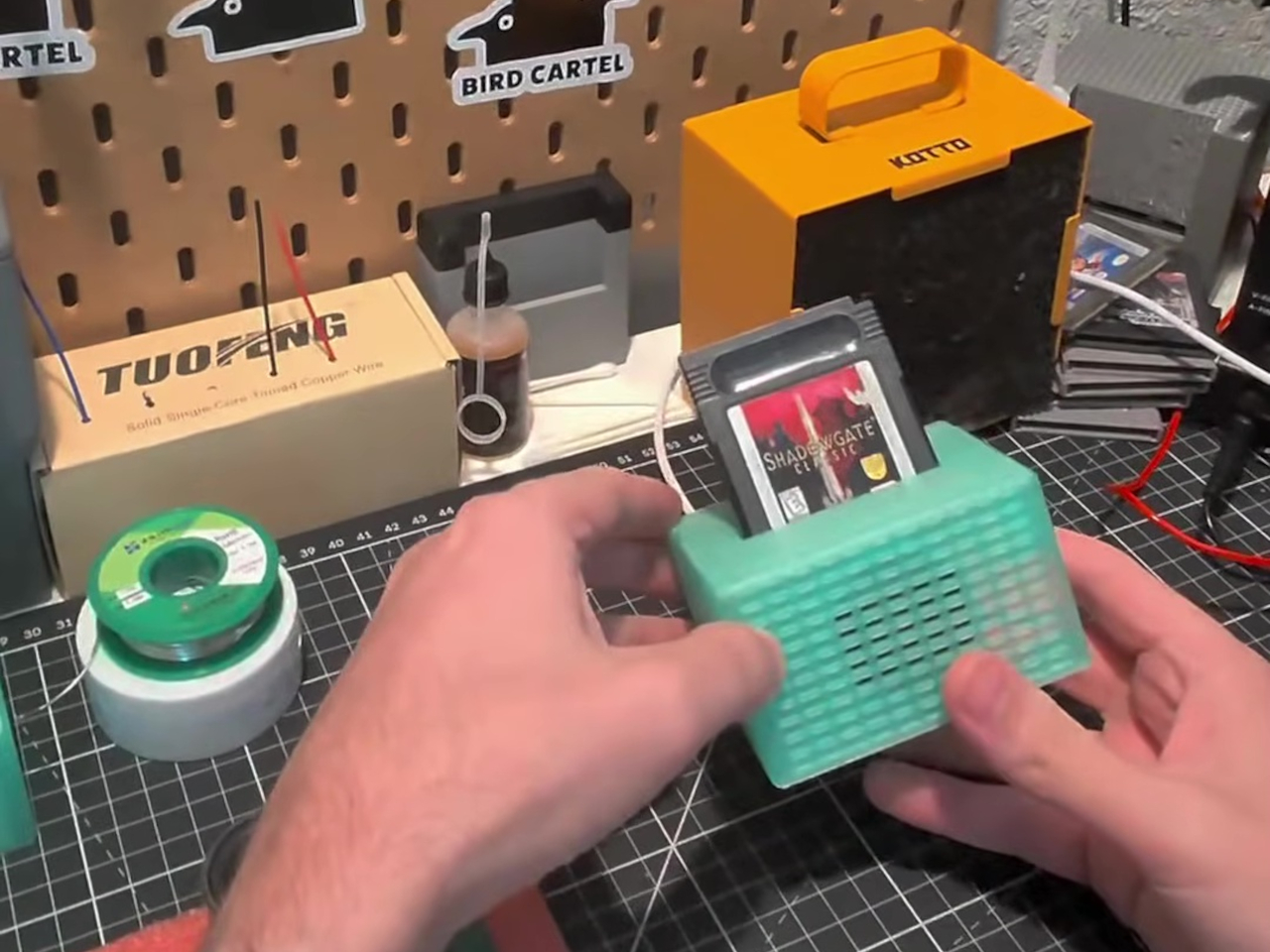
In a display of whimsical engineering versatility, the hardware also accommodates a few wonderfully impractical detours that showcase the creative potential of the standard cartridge slot. By inserting a classic Game Boy Camera accessory and linking the player to a computer, the setup can double as a functioning USB webcam, capturing low-resolution imagery at 128 by 112 pixels rendered entirely in four classic shades of gray. Additionally, an integrated alarm mode can be configured to wake users up using the distinctive audio of whichever cartridge happens to be slotted into the device. While neither of these secondary features serves as the primary justification for the hardware’s existence, they highlight the clever ways the designer leveraged the original cartridge interface for modern utility.
As the project currently stands, the Retro Song Bird remains in the prototype phase of development, with public shipments tentatively targeted for late 2026 and no official retail pricing announced as of yet. It is also entirely possible that the translucent mint-green aesthetic of the housing could evolve or change prior to the final commercial release. Yet, even in its current conceptual stage, the core appeal of the hardware remains exceptionally strong. By reframing how enthusiasts interact with physical media, the Retro Song Bird invites users to choose a cartridge based entirely on how it sounds rather than how it plays, allowing classic video game music to take a rightful turn on the stereo without demanding another afternoon spent staring at a screen.