The appeal of vintage analog photography continues to captivate modern creators, blending a sense of nostalgia with a tactile creative process that digital photography often lacks. Recently, browsing through the eclectic tables of a local vintage camera swap, the intricate beauty of brass-accented hardware immediately drew attention, highlighting a timeless aesthetic that manufacturers rarely replicate in contemporary models. Fulfilling that exact desire for vintage flair, film specialist Lomography has introduced two striking new visual iterations of its popular analog lineup: the Lomomatic 110 Panthera and the Ladybug.
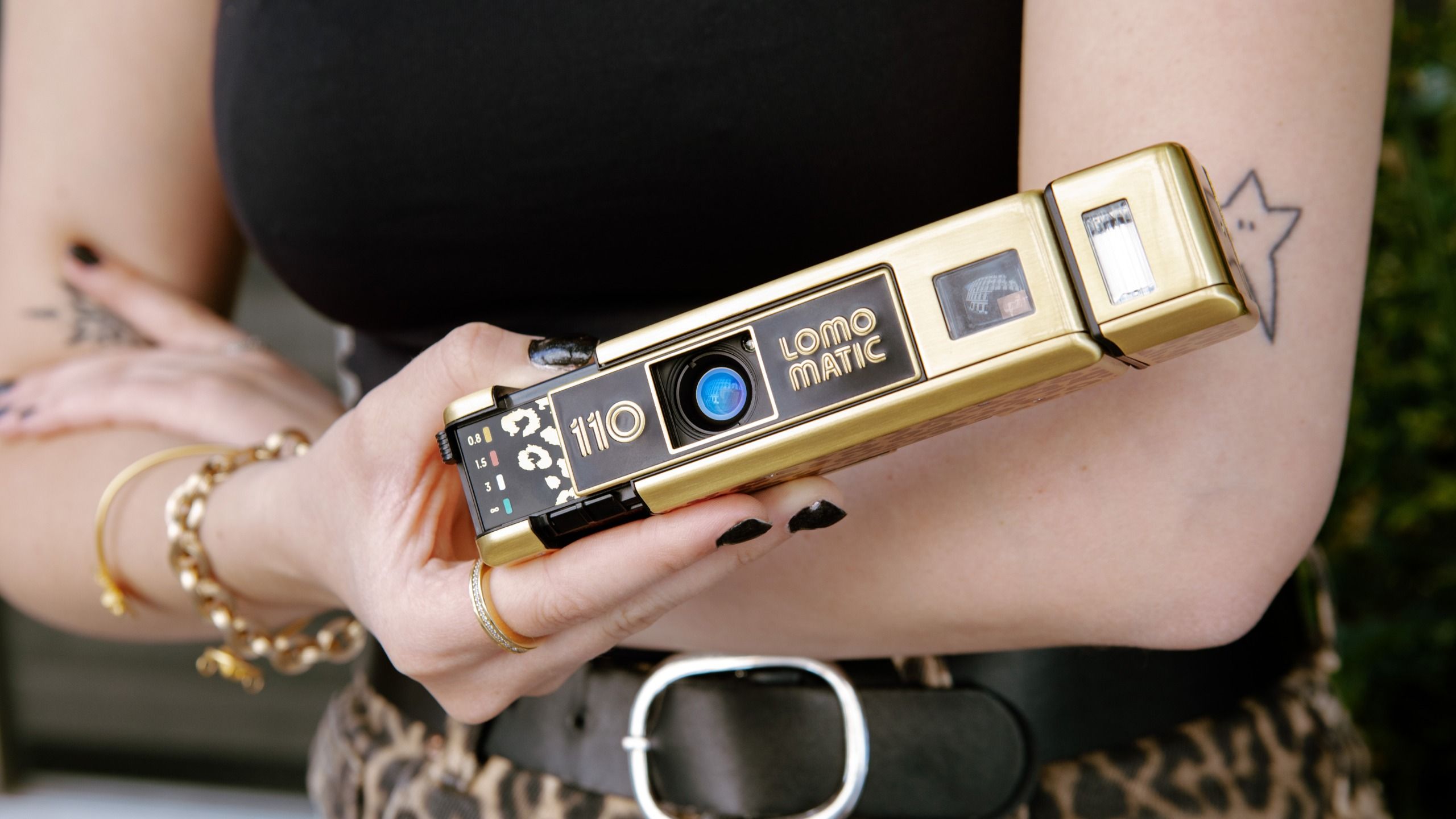
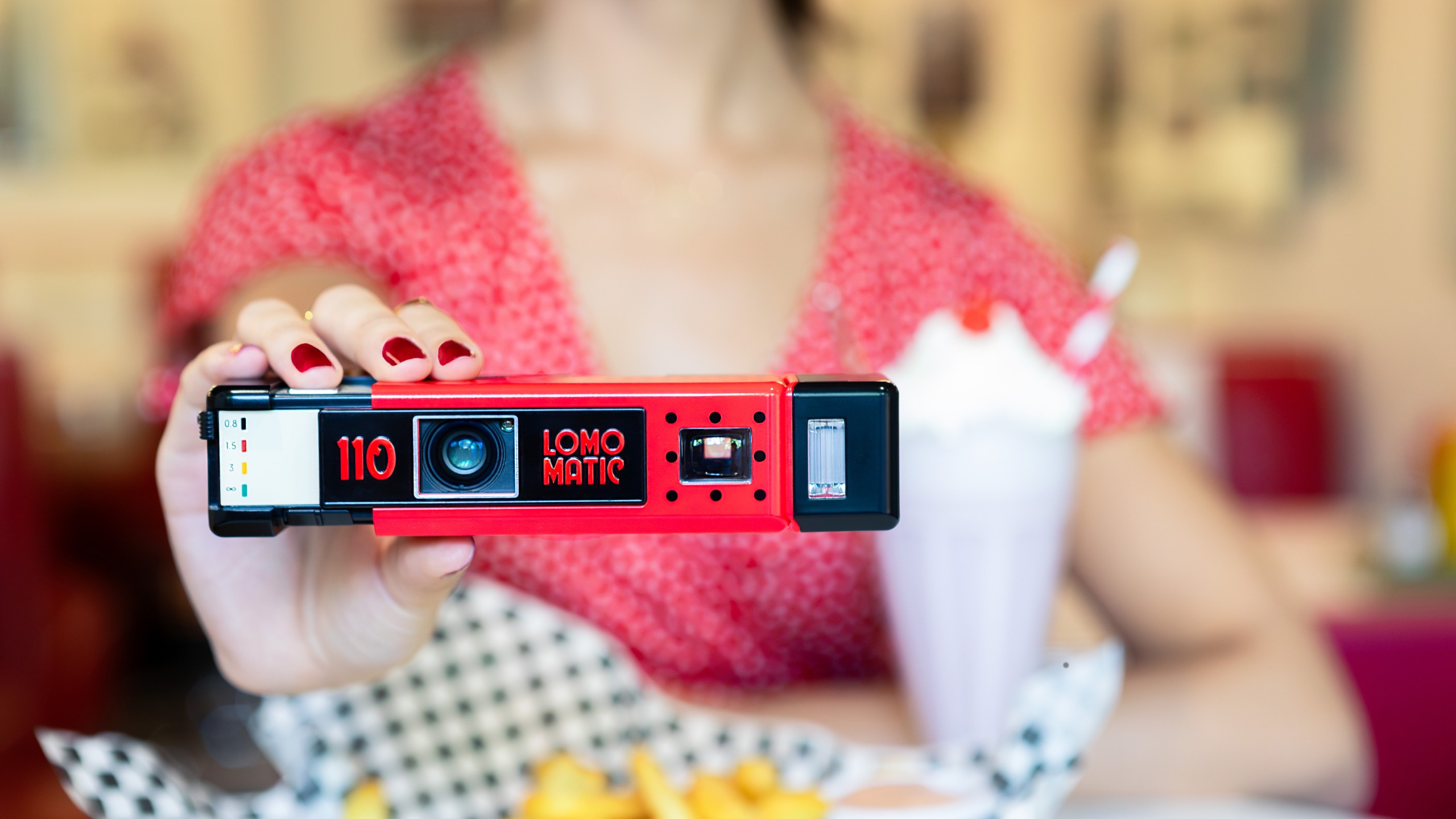
These new releases build directly upon the foundation of the existing Lomomatic 110 platform, maintaining the core mechanical and optical features that have made the format a favorite among enthusiasts seeking portable, straightforward film experiences. However, it is the exterior transformation that sets these new models apart. The Lomomatic 110 Panthera embraces a sophisticated yet wild aesthetic, featuring a genuine brass body paired with a distinct leopard print pattern that evokes the unmistakable fashion and product design sensibilities of the 1970s. Released alongside it, the Ladybug takes a more playful approach, presenting the compact body in a vibrant, glossy red finish adorned with classic black polka dots.
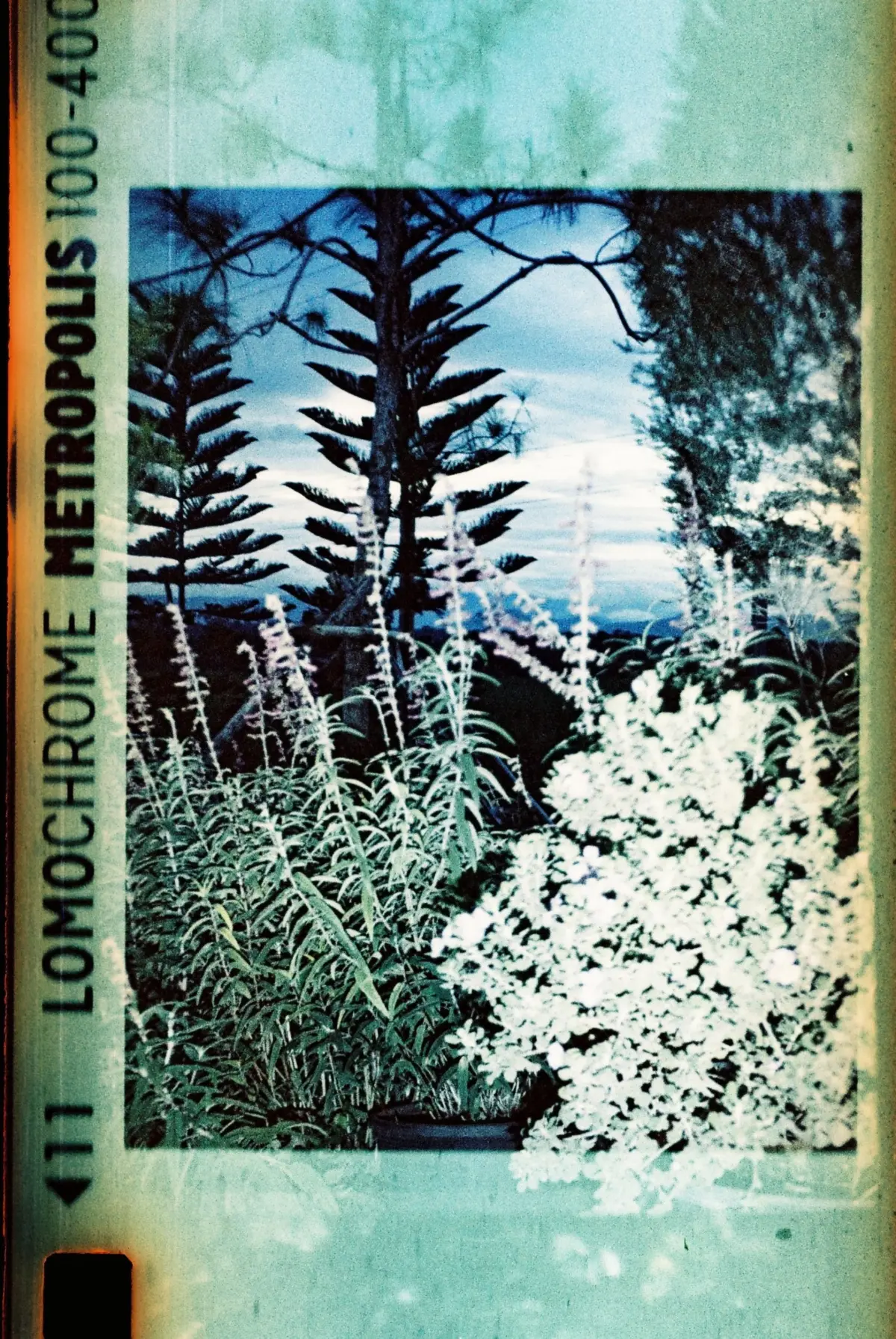
Both cameras are modern refreshes of the Lomomatic 110 system, which utilizes the smaller 110 film format. For photographers hesitant about navigating the sometimes intimidating process of correctly spooling traditional 35mm film through a camera, the 110 format serves as an exceptionally accessible gateway into analog shooting. Instead of manual winding and tension checks, 110 film is completely self-contained within a durable plastic cartridge. Users simply pop the cartridge directly into the back of the camera, allowing them to begin shooting almost instantly without the risk of exposing and ruining a roll during loading.
Despite utilizing a smaller film format, Lomography has engineered these cameras to deliver impressive optical performance that transcends the limitations usually associated with casual snapshot cameras. Housed within the compact chassis is a dedicated 23mm glass lens. Unlike the cheap, molded plastic lenses commonly found on disposable film cameras or basic novelty devices, a glass optical construction ensures significantly higher levels of image sharpness, contrast, and overall clarity, allowing the unique character of analog emulsions to shine through with crisp detail.
In terms of operation, the Lomomatic series strikes a balance between automated convenience and creative control. The cameras shoot primarily using an automated exposure system, which simplifies the process of capturing well-exposed images in shifting lighting conditions. However, for photographers who want to dictate the artistic look of their frames, manual adjustments are readily available. Dedicated buttons positioned neatly on the top plate of the camera allow users to manually switch between f/2.8 and f/5.6 aperture settings, offering a straightforward way to manage depth of field or adapt to brighter environments.
Focusing is handled through a zone-focusing system, encouraging shooters to estimate their distance to the subject and set the lens accordingly, a staple technique of classic street photography compacts. Additionally, the cameras feature an adjustable ISO control dial, ensuring that the metering system can be accurately matched to the specific speed of the film loaded inside the cartridge, whether shooting standard daylight emulsions or specialized films.
Beyond their optics and controls, the Panthera and Ladybug revive another beloved mechanical feature from the golden age of pocket-sized compact cameras: a sliding body design. Rather than utilizing a traditional lens cap or a simple sliding cover over the glass, the entire end of the camera body extends outward to expose the lens for shooting. This mechanism not only adds a satisfying tactile element to the shooting experience but also collapses the camera down into a remarkably compact footprint when it is safely stored in a pocket or bag between photo opportunities.
The tactile pleasure of analog photography is deeply intertwined with physical design, and outfitting a camera with a wild, retro motif significantly elevates that creative ritual. The Panthera is not Lomography’s first foray into luxury-inspired metal finishes for its 110 line, joining the previously released Lomomatic 110 Bellagio, which remains available for purchase and embodies a distinct 1960s chic aesthetic with its own refined brass styling.
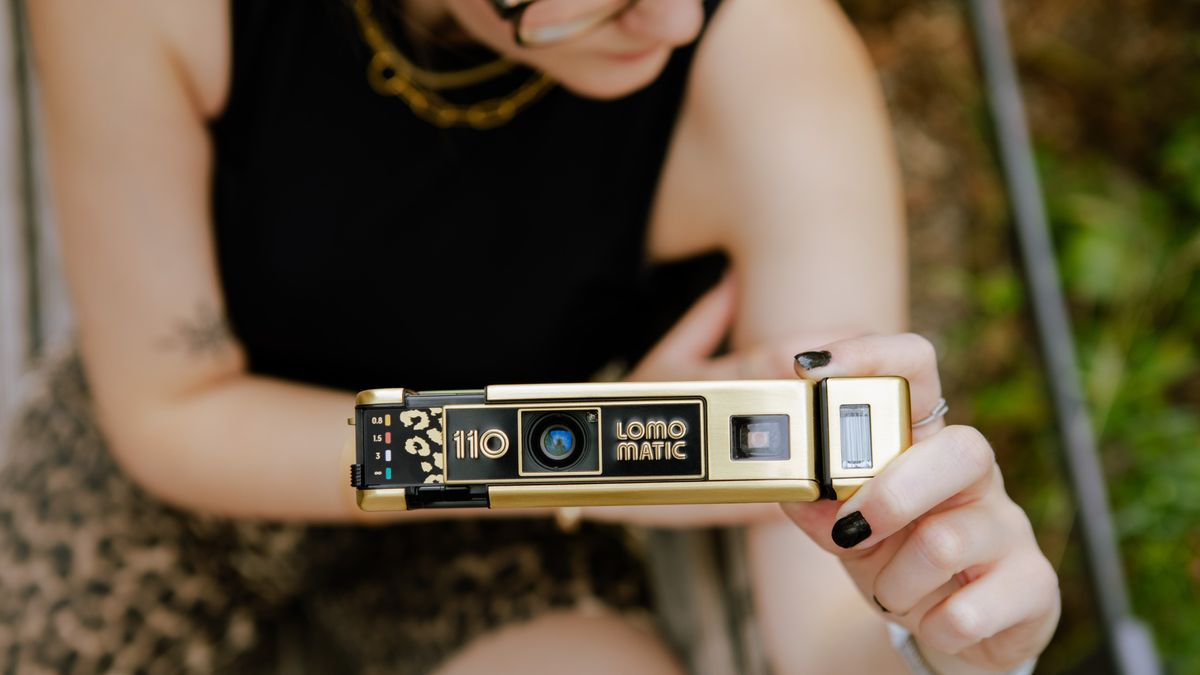
Pricing and availability reflect the premium materials used in these distinct editions. The Ladybug joins several other standard color options in the lineup at a retail price of $119 / £109 / AU$189 / CA$159. Meanwhile, due to its specialized brass construction and striking animal-print finish, the Panthera commands a slightly higher price point, sitting at $189 / £169 / AU$289 / CA$259. Prospective buyers should note that film cartridges and the necessary CR2 battery required to power the camera’s electronics are sold separately and are not included in the box. Both the new Panthera and Ladybug colorways are currently available to order directly through Lomography’s official online shop.
The resurgence of the 110 film format extends far beyond Lomography’s catalog, signaling a broader industry trend toward micro-formats and nostalgic hardware. Other manufacturers have similarly leaned into the distinct form factor and cultural footprint of the era, with brands like Camp Snap and Yashica introducing digital cameras explicitly styled to mimic the compact proportions and retro aesthetic of vintage 110 devices. As manufacturers continue to explore ways to merge historical charm with modern creative workflows, format options for enthusiasts continue to expand, offering fresh ways to experience the timeless appeal of pocket-sized photography.