In the ever-evolving world of typography and type design, platforms that champion the work, research, and creative outputs of women and underrepresented genders play a vital role in shaping contemporary visual culture. Among the most prominent digital spaces dedicated to this craft is Alphabettes, an online network and publication that continually highlights innovative projects, thoughtful commentary, and deep dives into the mechanics of lettering. In a recent update published on the platform, type designer and contributor Paula Mastrangelo has brought fresh attention to the ongoing conversations surrounding type design, letterforms, and the enduring passion for typography.
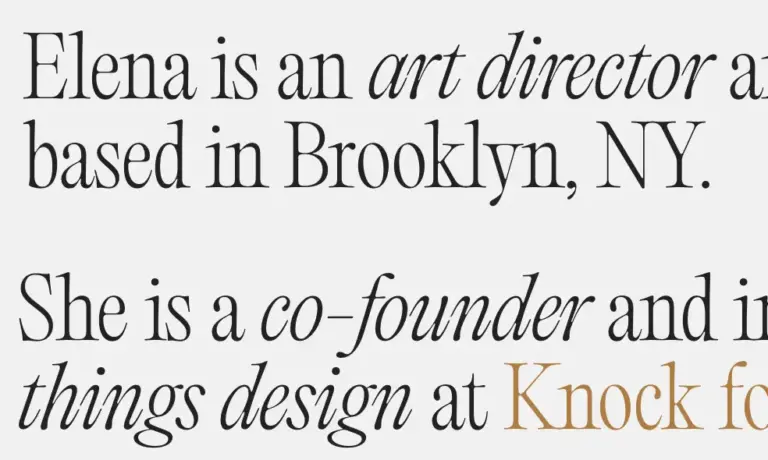
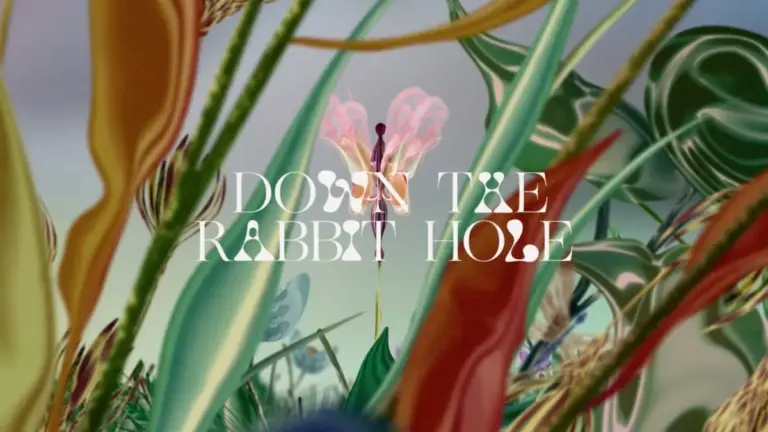
The announcement, featured prominently on the Alphabettes platform under the header category, underscores the community’s continuous dedication to exploring both traditional and experimental approaches to type. While the specific post highlights visual assets associated with the "Tikte" typeface, it also serves as a broader reminder of the collaborative and dynamic nature of the international type design community. Through contributions by members like Mastrangelo, Alphabettes maintains its status as an essential digital hub where professionals and enthusiasts alike can engage with cutting-edge typography, share specialized knowledge, and celebrate the artistry behind the written word.
The Intersection of Passion and Craft in Type Design
At the heart of the recent Alphabettes feature is an unmistakable enthusiasm for the physical and digital construction of letterforms. Tagged with descriptors such as "letterlove," "loveletters," "type design," and "typography," the update reflects the personal and artistic connection that designers maintain with their tools and mediums. Type design is a discipline that requires an intricate balance of rigorous technical precision and boundless creative expression. Every curve, stem, counter, and serif must be meticulously calibrated to ensure readability, aesthetic harmony, and emotional resonance across a myriad of applications, ranging from editorial layouts to dynamic digital environments.

Platforms like Alphabettes provide a much-needed space for practitioners to articulate this passion. By showcasing original header artwork, project developments, and critical essays, the platform fosters an environment where the nuances of type are thoroughly examined. The inclusion of tags like "letterlove" and "loveletters" points to a deeper sentiment within the community: typography is not merely a functional necessity of graphic design, but a labor of love that demands years of dedicated study, experimentation, and refinement.
Contextualizing Within the Broader Alphabettes Archive
The continuous flow of content on Alphabettes demonstrates the platform’s commitment to archiving a diverse array of typographic perspectives. Readers browsing the site’s recent publication history will find a rich tapestry of articles that span historical explorations, contemporary critiques, and technical deep dives. Positioned within an active editorial timeline, updates such as Mastrangelo’s post on the Tikte typeface interact dynamically with surrounding pieces, creating a cohesive dialogue across different eras and stylistic movements in type history.
For instance, the site’s editorial layout seamlessly connects readers to adjacent explorations, ranging from discussions on traditional script forms like the unrepentant uncial to modern adaptations in non-Latin scripts, as seen in projects like "abjadettes." This careful curation ensures that the platform remains a comprehensive resource for anyone interested in the global landscape of typography. By bridging historical scholarship with contemporary design practice, contributors help demystify the complex processes involved in bringing new typefaces from initial sketches to fully realized digital fonts.

As the typographic landscape continues to expand with new technologies, variable fonts, and cross-platform demands, platforms like Alphabettes remain indispensable. They not only document the individual achievements of designers like Paula Mastrangelo but also collectively elevate the standards and visibility of the entire discipline. Through ongoing contributions, insightful commentary, and a shared passion for the alphabet in all its forms, the community ensures that typography continues to thrive as both a fine art and a vital communicative tool in the modern world.