The landscape of digital creation tools has long been divided. On one side sit traditional graphics tablets and pen displays that require a tethered connection to a powerful desktop computer or laptop, anchoring artists to a fixed workstation. On the other side are mainstream media tablets, which offer portability and entertainment options but often lack the specialized pressure sensitivity, drawing precision, and tactile screens demanded by serious illustrators and photo editors. Huion is now attempting to bridge that gap with the launch of the Kamvas Pad 12, an innovative device that functions simultaneously as a standalone Android tablet, a digital notepad, and a fully capable portable pen display.
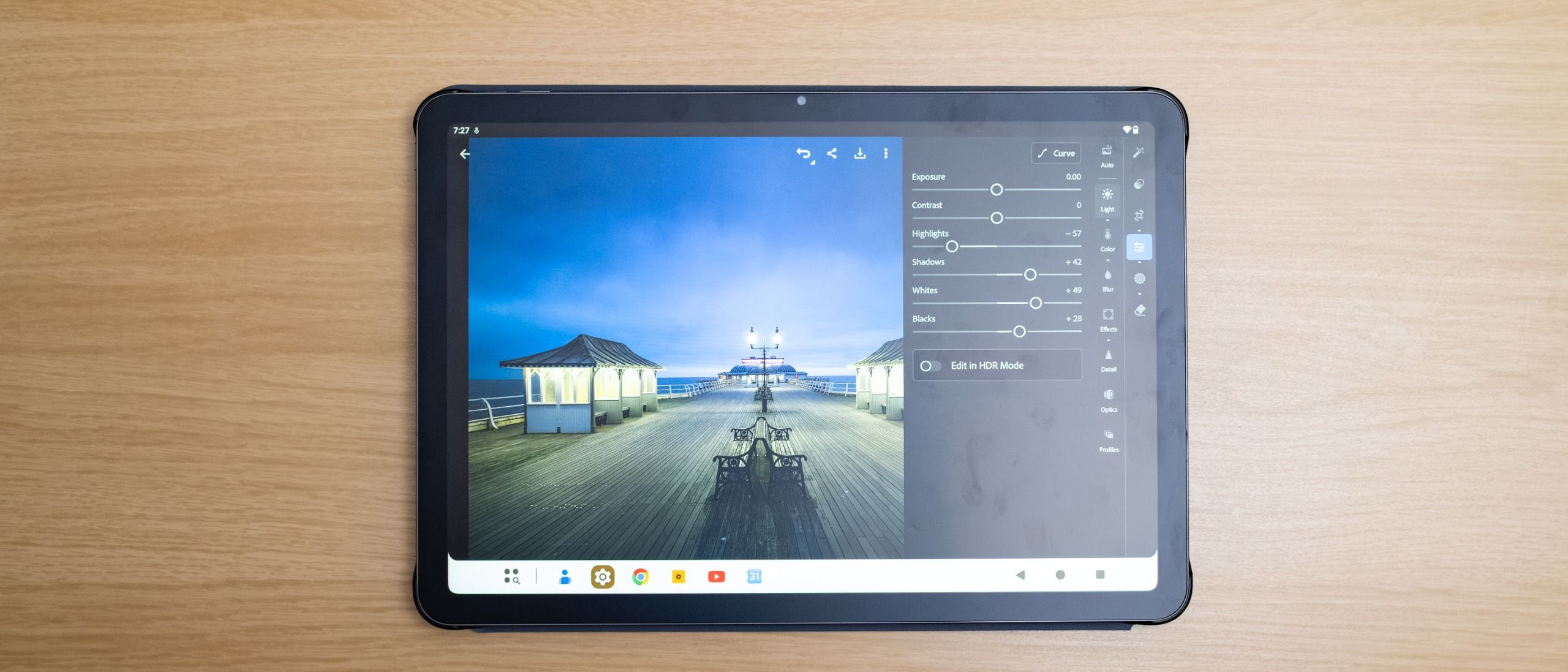
Priced at $499 / £449, the Kamvas Pad 12 represents a notable investment, yet it aims to justify its cost by consolidating multiple devices into a single hardware package. Long-time reviewers of Huion’s hardware lineup note that while the company has built its reputation on small, medium, and large pen displays requiring external computer processing, the Kamvas Pad 12 marks a significant evolution as their very first standalone drawing device. Operating on Android 16, the tablet liberates digital artists from their desks, allowing them to sketch, edit, and consume media anywhere without needing access to a primary computer.
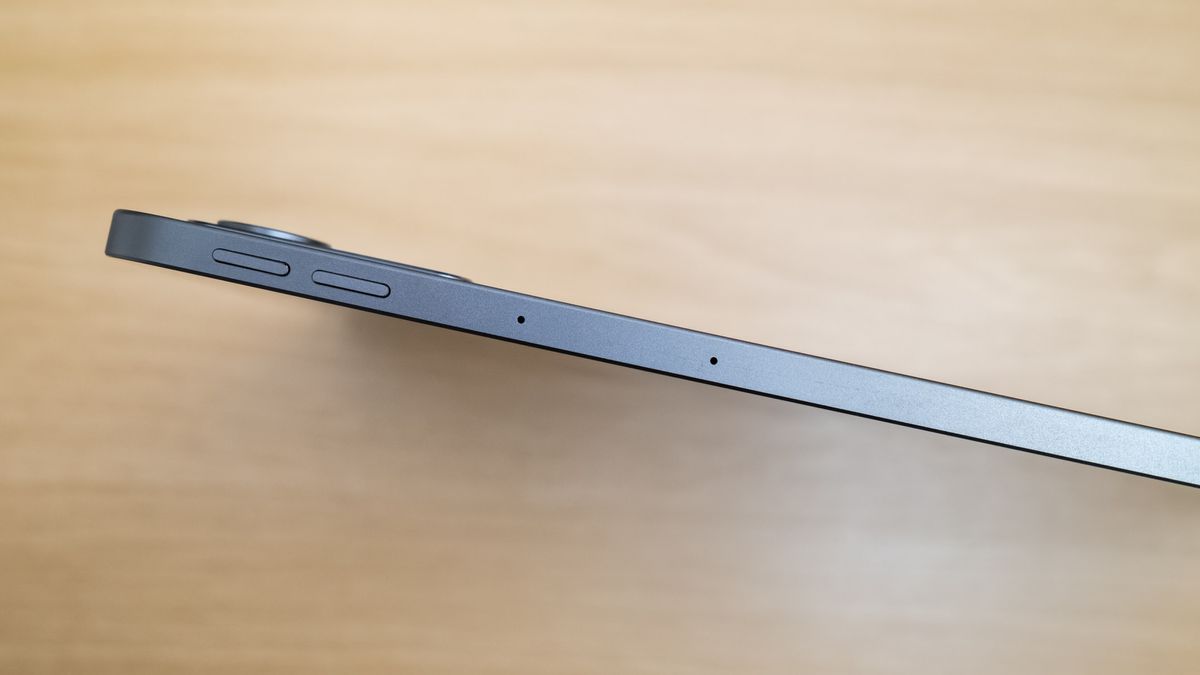
The physical design of the device mirrors that of a sleek, contemporary tablet, striking a balance between screen workspace and portability. Measuring 11.08 by 7.70 by 0.31 inches and weighing 23.46 ounces, the hardware is remarkably thin, though its generous 12.2-inch screen gives it a larger footprint and weight profile than smaller standard consumer tablets. The display utilizes a 3:2 aspect ratio, a thoughtful choice that maximizes the physical drawing surface while providing an expansive canvas for browsing applications downloaded from the Google Play Store.
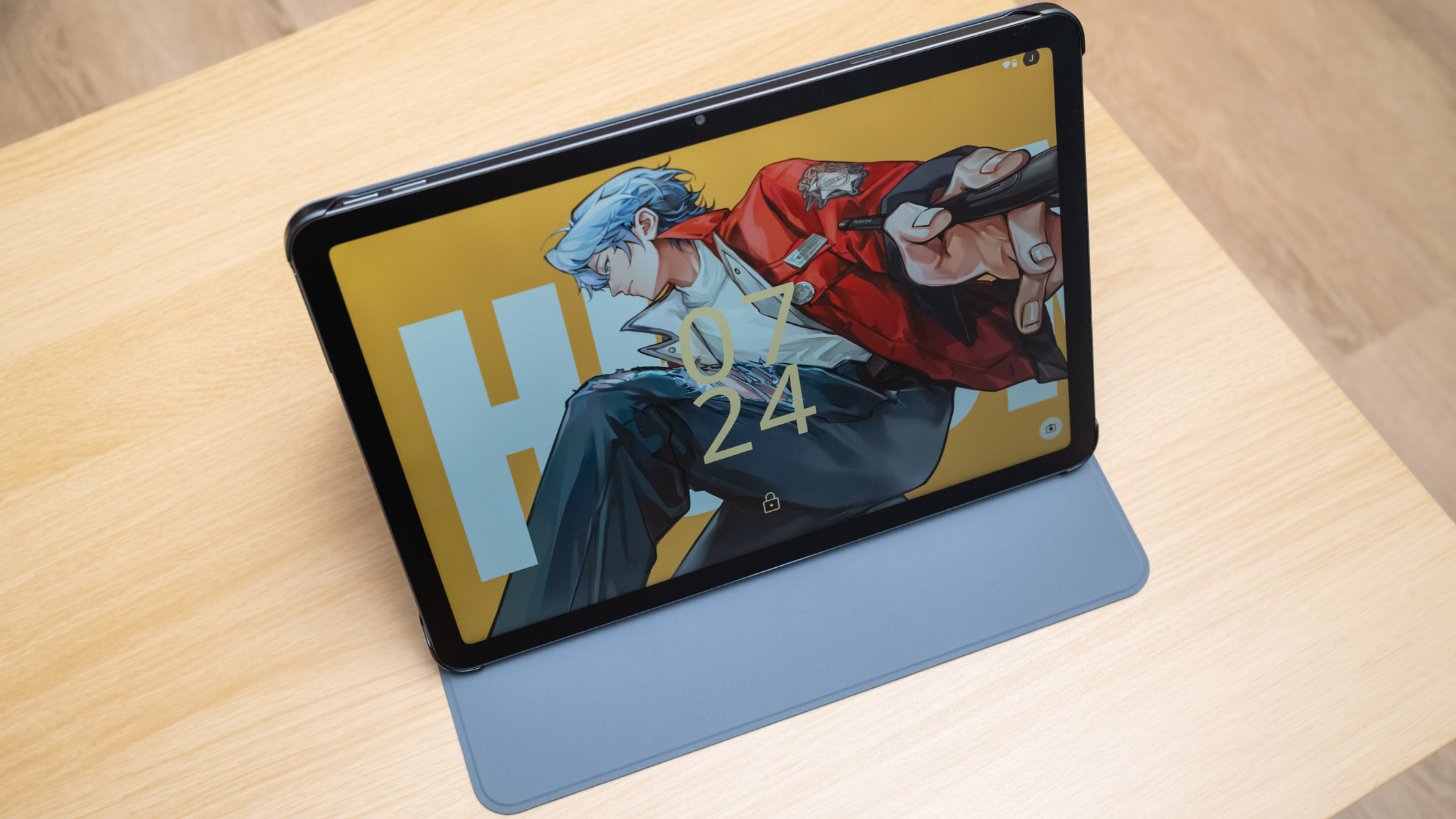
At the heart of the visual experience is Huion’s Canvas Glass 3.0 screen technology. Unlike the high-gloss finishes common on mainstream media tablets, this display features a soft, matte, paper-like texture designed to optimize friction for the included battery-free stylus. While the manufacturer explicitly advises users against applying aftermarket screen protectors—which would disrupt the anti-glare etching—the display yields a pleasant, tactile drawing experience. Although it offers slightly less physical resistance than genuine paper and exhibits a very minimal amount of screen flex under heavy pen pressure, the surface successfully mimics a traditional sketching medium without sacrificing visual clarity.
The screen boasts a 2K+ resolution of 2400 by 1600 pixels, resulting in a sharp pixel density of 236 ppi across its 12.2-inch IPS panel. It achieves a 1000:1 contrast ratio, a peak brightness of 350 nits, and supports 16.7 million colors while covering 99% of the sRGB color gamut. Although 350 nits of brightness makes the display ideal for indoor use or shaded outdoor environments rather than direct sunlight, the panel comes factory-calibrated for reliable color representation. Additionally, a 90Hz refresh rate helps minimize input latency during writing and drawing tasks, while 10-point capacitive touch allows for direct finger navigation.
Performance-wise, the Huion Kamvas Pad 12 is powered by a MediaTek Genio 720 octa-core mobile platform, combining two high-performance Cortex-A78 cores running up to 2.6 GHz with six energy-efficient Cortex-A55 cores. This architecture is paired with Huion’s proprietary flagship MCU HV2000 chip housed inside the tablet, alongside a corresponding HV200 chip within the stylus to maximize precision and pressure response. The system includes 8GB of RAM and 256GB of onboard storage, which can be expanded by up to 1TB via a microSD card slot. During testing, the hardware handled everyday operations smoothly, including the processing of 24-megapixel RAW files in mobile editing environments.
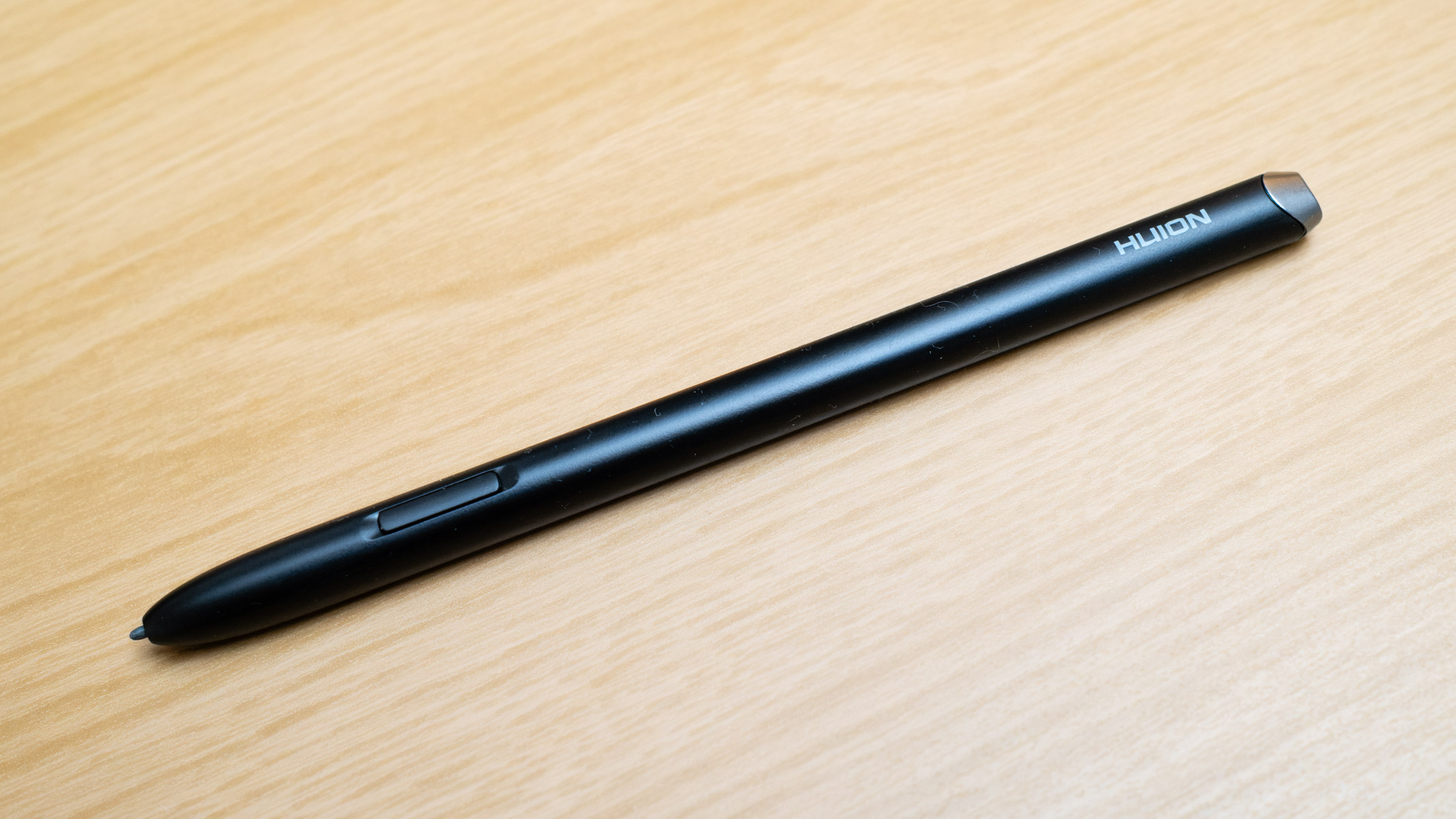
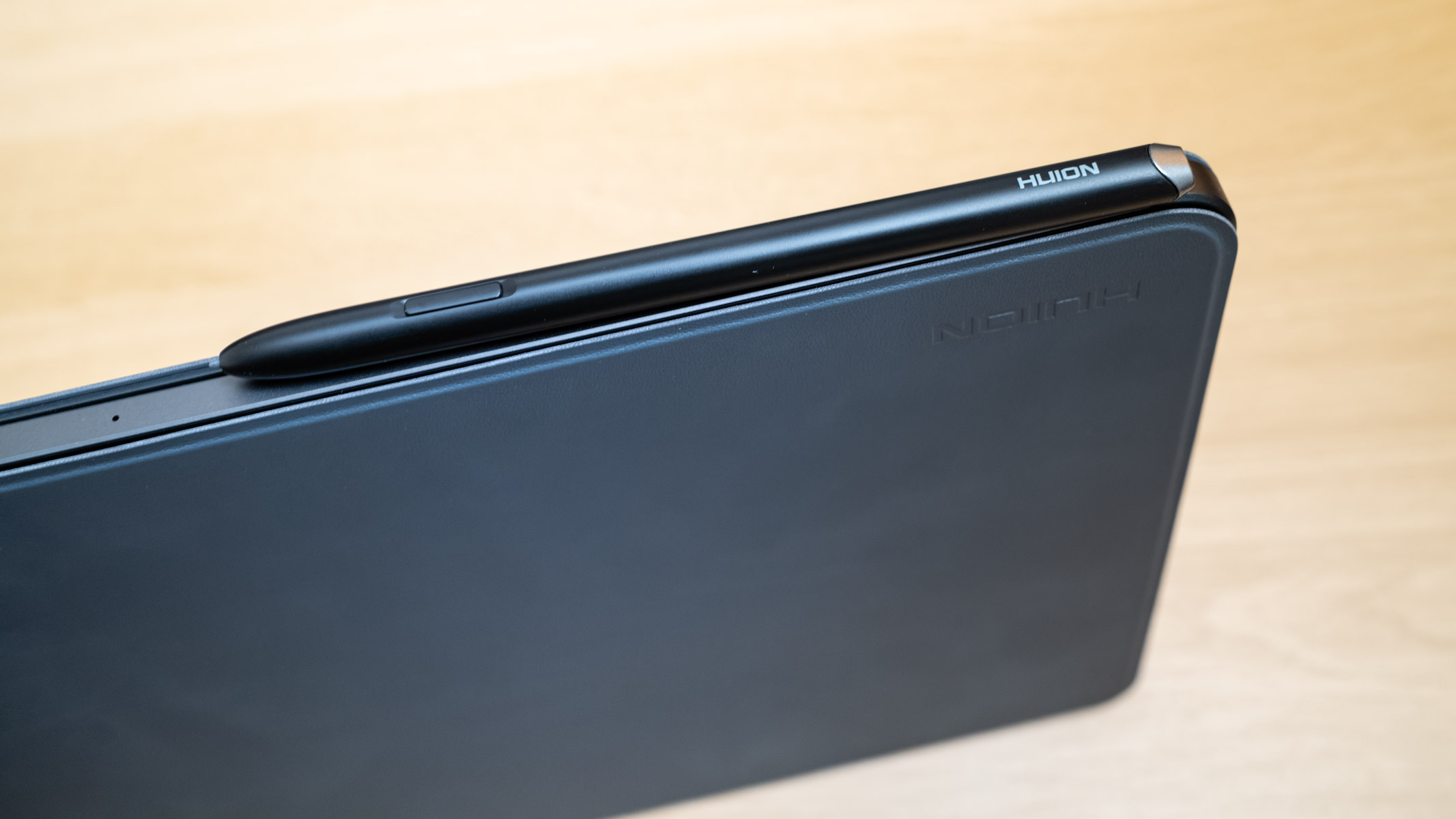
The drawing experience is anchored by the PW600C battery-free pen, a lightweight tool that attaches magnetically to the top of the tablet when not in use. The stylus supports a 60-degree tilt range and delivers an impressive 16,384 levels of pressure sensitivity, backed by a mere 2 grams of activation force that registers even the lightest touches. While the drawing process is generally precise, fluid, and free of distracting parallax or lag, reviewers noted a minor quirk: hovering the pen just above the surface can occasionally register unintended inputs, leaving stray marks in drawing applications or accidentally adjusting sliders in photo editors.
Because the device runs Android 16 rather than a desktop operating system, it lacks the physical shortcut buttons or mechanical dials typically found on traditional studio pen displays. All brush adjustments, cursor calibrations, and pressure configurations must be handled through the software interface. Out of the box, the tablet comes pre-loaded with several creative applications, including HiPaint—which includes a permanent lifetime license—alongside three-month trial memberships for Clip Studio Paint, ibisPaint X, and MediBang Paint, plus Huion Note for digital handwriting.
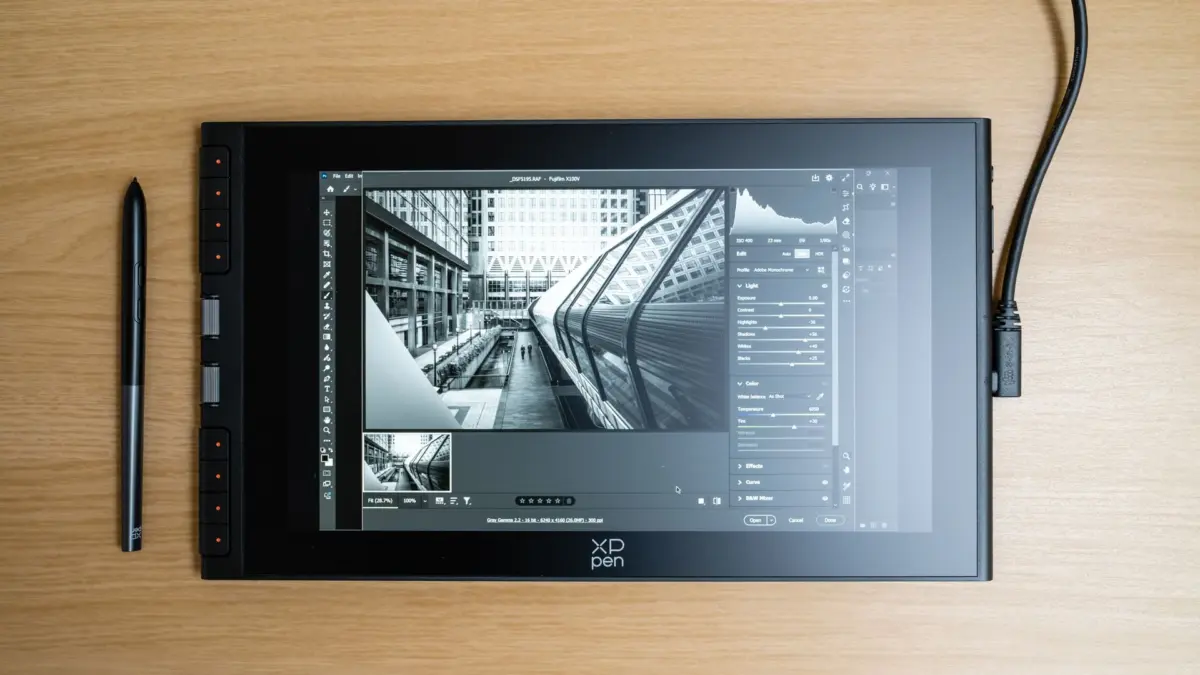
For photographers and mobile imaging professionals, standard workflows rely heavily on applications such as Lightroom Mobile, Photoshop Mobile, and Snapseed. While these mobile applications lack the exhaustive feature sets of their full desktop counterparts, they run effectively on the hardware. Nevertheless, the core design philosophy of the Kamvas Pad 12 positions it most strongly as an agile tool for mobile sketching, digital note-taking, and media consumption, rather than a direct replacement for a high-powered desktop editing suite.
In evaluating the overall package, the Huion Kamvas Pad 12 redefines the boundaries of portable digital creation. By combining a 12.2-inch 2K+ pen display, a fully functional Android tablet, and a digital notepad into a cohesive unit priced at $499 / £449, Huion offers a compelling value proposition for artists, students, and mobile creators seeking untethered creative freedom.