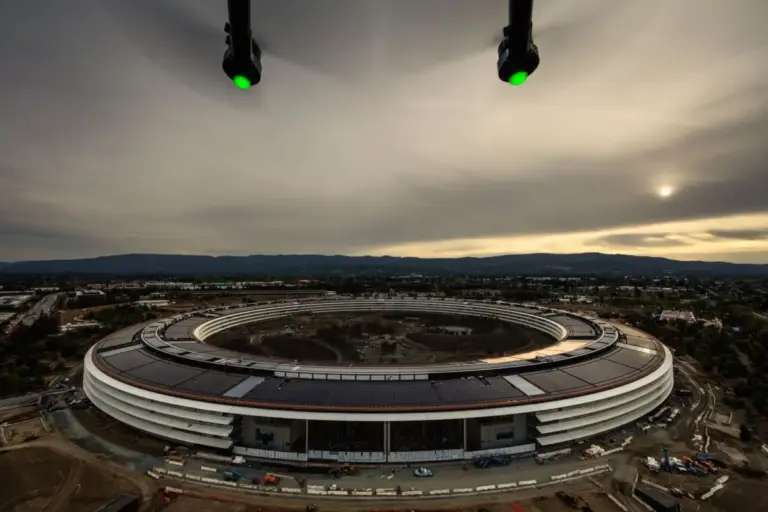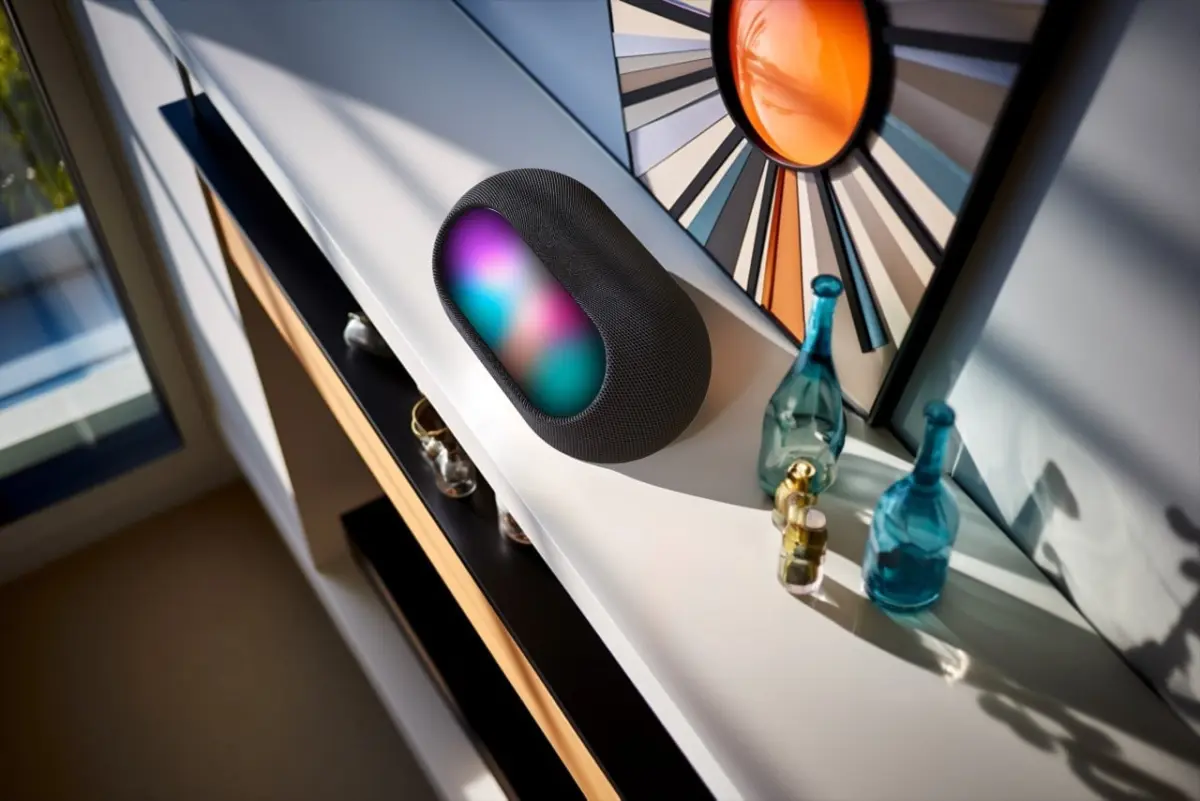
Apple event invitations have historically leaned toward poetic minimalism, carrying evocative names like "Wonderlust," "Scary Fast," and "It’s Glowtime" that read more like perfume advertisements than technology briefings. This week, however, media invites landed for an October 13 gathering bearing a blunt, literal "Welcome home." Utilizing a simple doormat quote as its banner, the event sets the stage for a long-anticipated shift in Apple’s smart home strategy. According to reports from Bloomberg’s Mark Gurman, the headliner of the Tribeca "Apple Experience" event will be a smart home hub unofficially dubbed the HomePad—finally giving the HomePod family the display screen consumers have spent years asking for. A new Apple TV 4K and a HomePod mini 2 are expected to tag along as press members prepare for hands-on demonstrations.
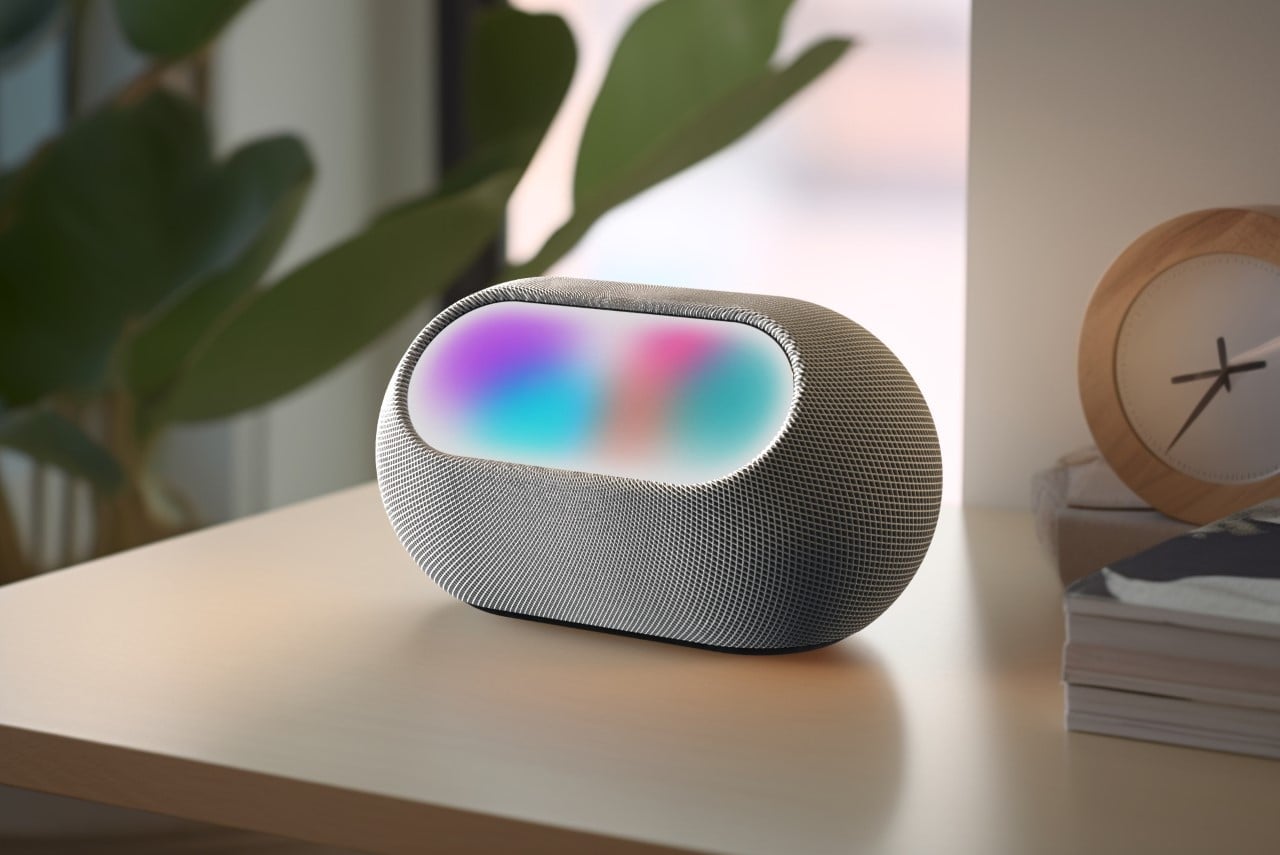
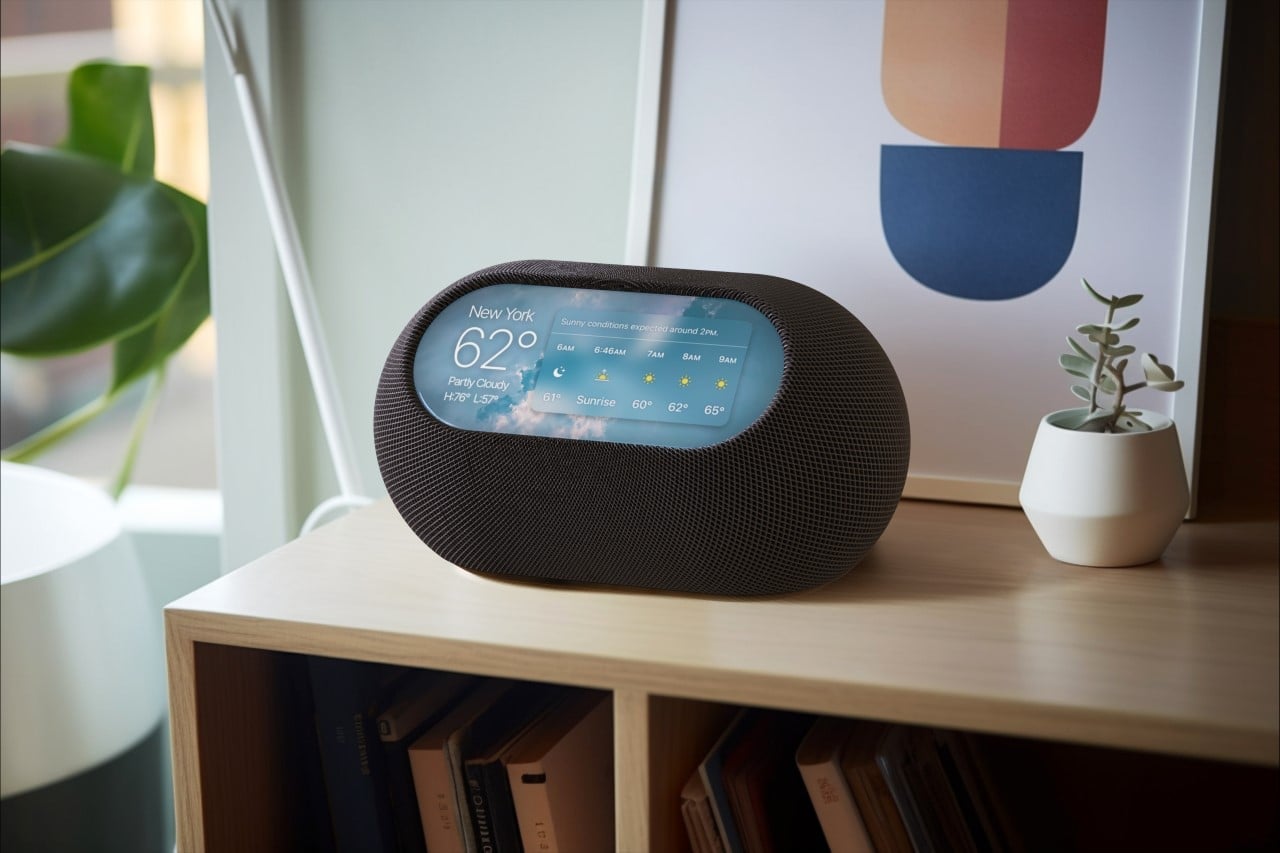
For nearly a decade, the HomePod has occupied a distinct niche in the consumer electronics market as a premium-sounding speaker that users rarely interact with via voice commands. Industry observers and consumers alike have daydreamed about a display-equipped variant since late 2023, when early reports detailed a rumored "HomePod Max" concept featuring a larger display and integrated smart home and Apple TV capabilities. Gurman now outlines a much more refined hardware design: a 6-inch square screen mounted on a polished metal arm extending above a round, perforated speaker base. This aesthetic draws a clear line back to the iconic 2002 iMac G4, affectionately known as the "sunflower iMac" or "iLamp." By tapping into its own design heritage, Apple is pivoting away from the prevailing market standard set by Amazon’s Echo Shows and Google’s Nest Hubs, which have long resembled tablets awkwardly attached to cylindrical speakers. Bringing a touch of classic desk-lamp architecture to the kitchen counter or living room table represents a significant departure in smart display design.
The HomePad Comes in Two Form Factors, with a Robotic Arm Model on the Horizon
Apple is reportedly preparing two initial iterations of the HomePad for the market: a tabletop model bearing the internal codename J490 and a wall-mounted alternative designated as J491. Both variants will require a direct connection to a power outlet. The wall-mounted model naturally foregoes the articulating metallic arm and round acoustic base, opting instead for a streamlined, thin square architecture that integrates speakers and microphones directly beneath the display panel.
Engineered to function as a shared household utility rather than a personal device, the interface is designed to recognize individual voices, present contextually relevant content for the specific user speaking, and mask private information when a visitor mode is active. The user interface itself draws heavy design inspiration from the Apple Watch and the iPhone’s StandBy mode, incorporating familiar interactive widgets alongside a front-facing camera dedicated to FaceTime communications. Setup will rely on an existing iPhone, ensuring that users maintain a tightly integrated ecosystem loop.
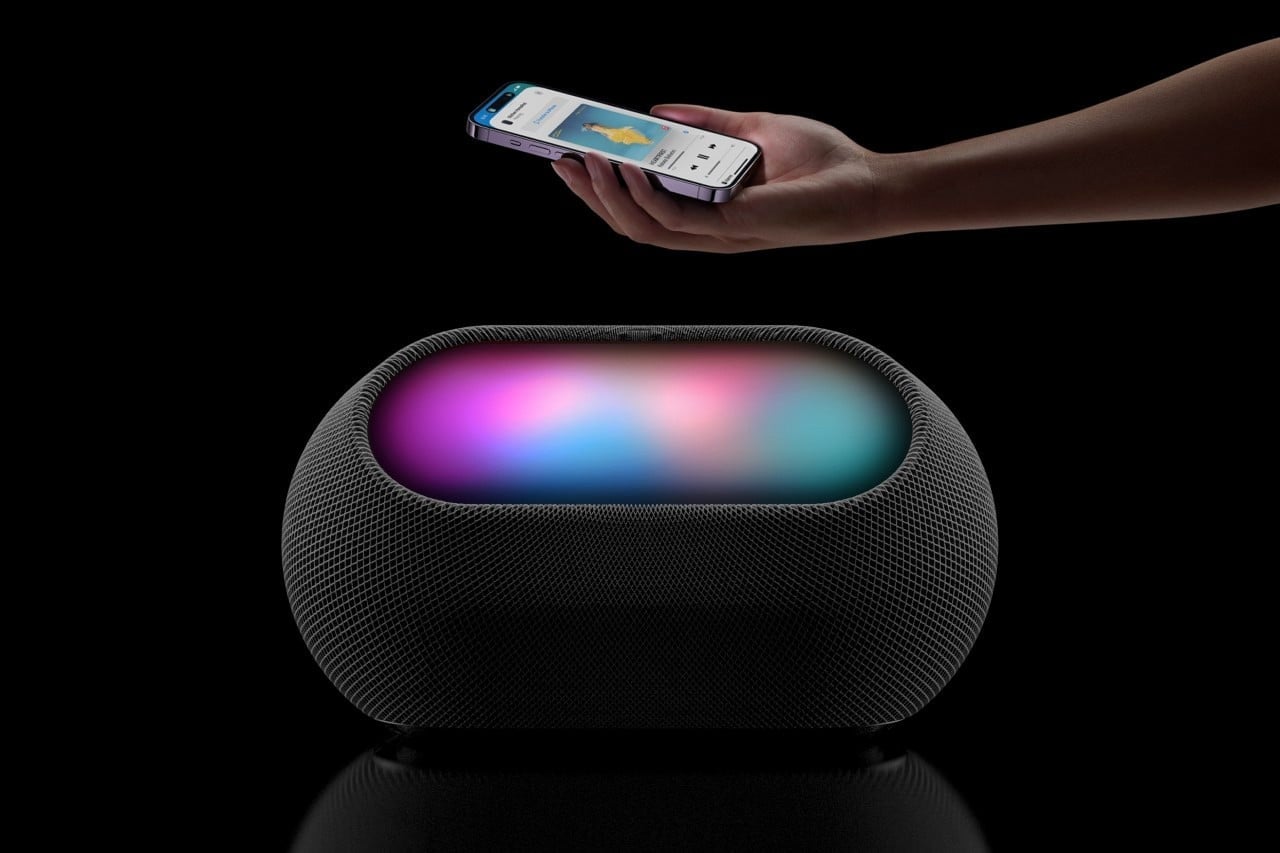
The mechanical design of the tabletop version echoes Steve Jobs’ obsessive focus on articulation, harkening back to the rigorous prototyping phases of the iMac G4 where multiple mounting mechanisms were explored before settling on a single stainless steel arm. Beyond the initial launch configurations, a third, more advanced HomePad variant is reportedly under development. This ambitious model features a larger 9-inch display mounted on a 360-degree robotic arm, evoking comparisons to Pixar’s iconic animated lamp, Luxo Jr. Industry watchers previously anticipated this direction following disclosures regarding Apple’s broader homeOS software strategy, which outlined plans for magnetic mounts and motorized articulation. Interestingly, the hardware leaks point to relatively thick bezels surrounding the display—a surprising choice given Apple’s multi-year crusade to shave borders off its screens. However, on a smart home hub meant to be glanced at from across a busy kitchen, those wider borders may simply help the device blend into its environment like a digital picture frame.
Apple TV 4K and HomePod mini 2 Get New Chips and Siri AI
The hardware refresh extends beyond smart displays, touching Apple’s existing living room ecosystem. The current Apple TV 4K relies on the A15 Bionic chip introduced in 2021, but rumors indicate that the upcoming model will transition to either an A19 chip paired with 8GB of RAM or an A19 Pro configuration backed by 12GB of RAM, matching the high-end specifications anticipated for upcoming iPhone models. Additionally, an integrated N1 wireless chip is rumored to introduce support for Wi-Fi 7, Bluetooth 6, and Thread—the low-power mesh networking radio designed to keep smart home accessories communicating seamlessly without congesting local network routers.
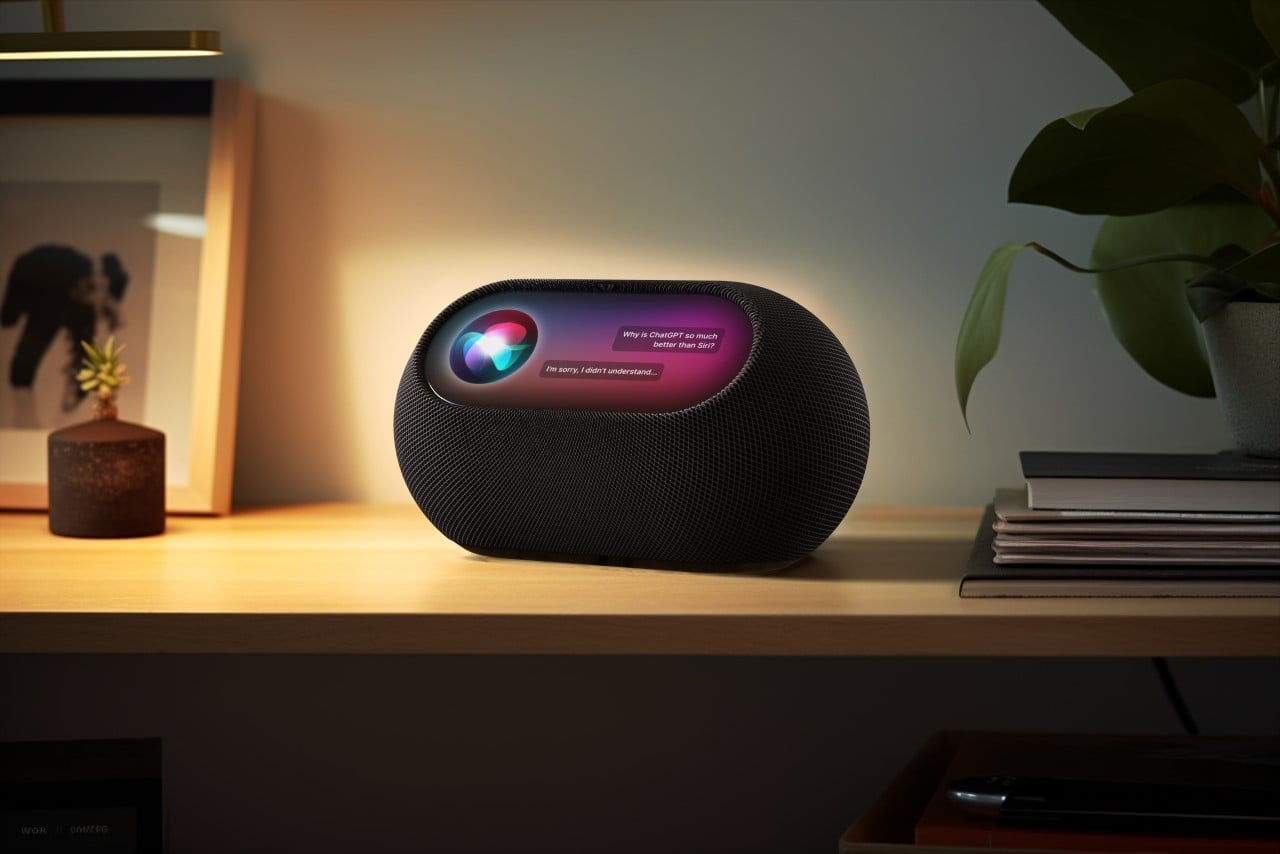
Software traces discovered within tvOS code hint that the upgraded streaming box will support an expanded audio configuration, allowing up to four HomePods to pair simultaneously for immersive surround sound while routing Siri requests directly to the television screen. A refreshed Siri Remote is also expected to accompany the release. Because these hardware upgrades are tied to advanced processing capabilities, the enhanced Siri AI features are expected to remain exclusive to the new streaming box, leaving older hardware generations behind.
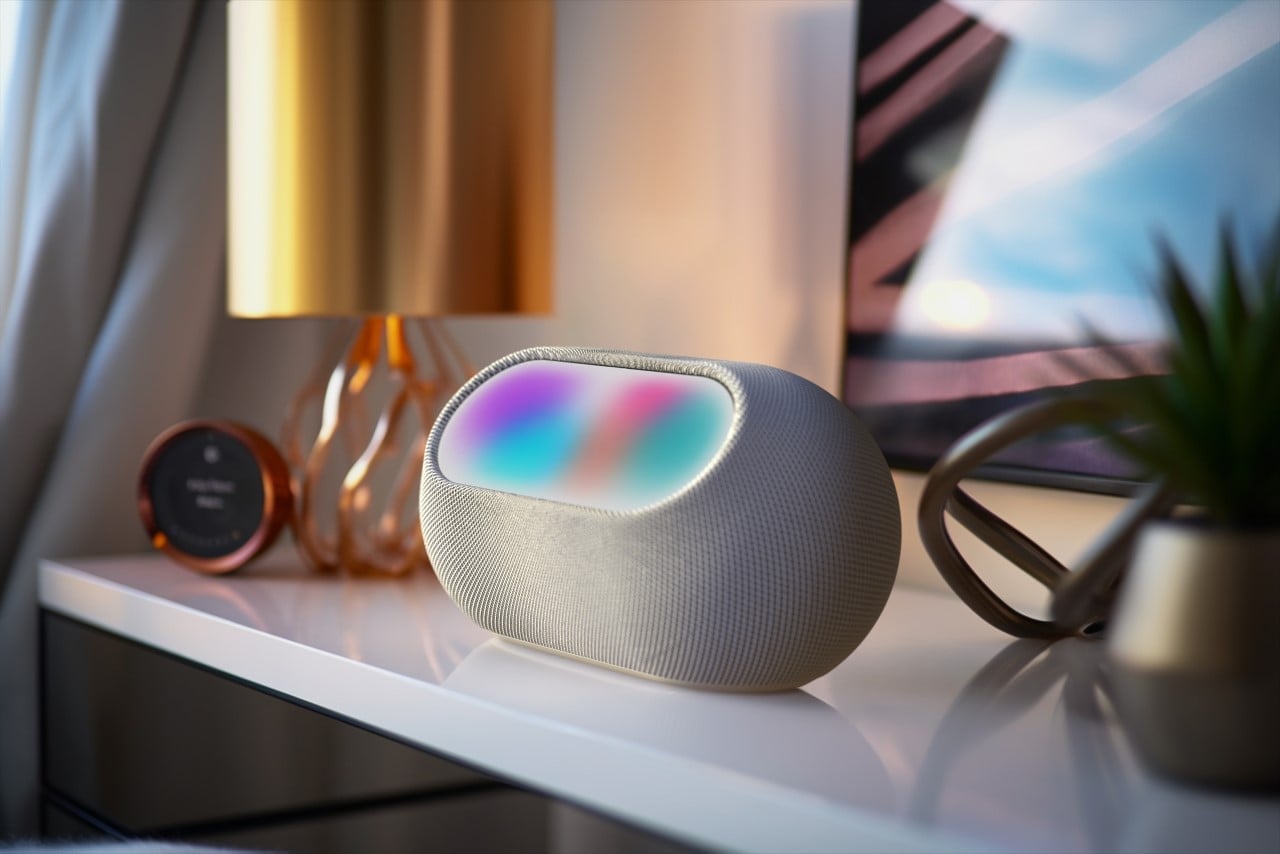
Simultaneously, the HomePod mini is slated for its first major internal overhaul since debuting in October 2020 at a $99 price point. While the original model continues to run on the S5 chip originating from the Apple Watch Series 5, the second-generation mini is rumored to adopt the S9 chip, alongside the new N1 wireless architecture and an upgraded Ultra Wideband chip. Internal code strings indicate that Apple plans to preserve the familiar fabric-wrapped spherical form factor with its backlit touch surface, while refreshing the color palette to include lighter shades of blue and white, alongside new options in green, pink, and black. While industrial design enthusiasts have occasionally pined for alternative concepts—such as vintage Braun-inspired audio styling—retaining the proven sphere is a safe and practical consumer choice. The defining upgrade, however, will be the integration of Siri AI, which aims to imbue the compact speaker with genuine conversational intelligence.
LG and Schneider Accessories, Plus What Apple Is Saving for Later
In an uncharacteristically collaborative move, Apple has reportedly co-developed a comprehensive smart home accessory lineup in partnership with LG. The ecosystem includes a smart lock, a smart thermostat, a standalone temperature sensor, a video doorbell, and a suite of indoor, outdoor, and floodlight security cameras. While these products will carry LG branding, leaks suggest they may not hit store shelves simultaneously with the new HomePad and Apple TV hardware, though a formal introduction or stage cameo during the event remains likely. Detailed leaks describe a motorized deadbolt featuring a rotating physical keypad, a video doorbell equipped with an auxiliary downward-facing lens to monitor package deliveries, and weather-sealed outdoor cameras engineered with specialized O-rings and waterproof grease.
Further evidence within iOS code reveals plans for a Schneider-branded thermostat and temperature sensor designated with a "second-party" classification, granting the hardware privileged integration within Apple’s operating system. This represents a notable strategic shift for a company historically known for closed, proprietary ecosystems, signaling a clear recognition that expanding HomeKit requires deeper industry partnerships.
While earlier speculative reports pointed toward a $350 price tag for the primary HomePad model—aligning closely with the $349 launch price of the original cylindrical HomePod in 2017—final pricing and regional availability remain unconfirmed ahead of the keynote. Apple has not yet clarified whether the Tribeca event will feature a traditional public livestream. Meanwhile, subsequent hardware releases, including new Mac computers, are anticipated to follow roughly two weeks later, leaving the October 13 date entirely dedicated to the connected home. While more experimental form factors—such as a slim, text-focused smart camera resembling an oversized lip balm tube—remain delayed until 2027, the long-standing void in Apple’s product lineup is finally closing. After nearly a decade of being heard rather than seen, the HomePod is getting a display, bridging its audio legacy with a familiar design aesthetic from Apple’s past.