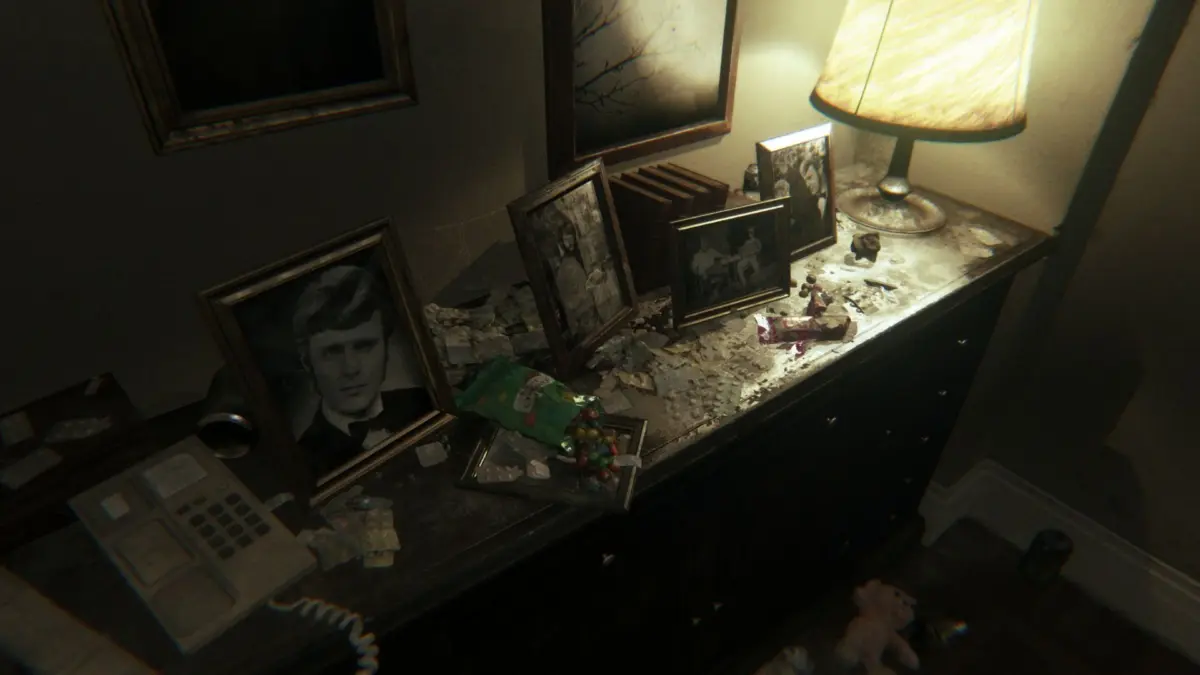
Published on GitHub this week by developer Lorean Xavier, the project brings the elusive horror experience to Windows and Linux systems without relying on standard emulation or a wholesale recreation of the game. Instead, the native PC client functions by translating the original console code while steering clear of copyrighted assets, requiring users to supply their own dumped copy of P.T. to get it running.
This technical distinction not only protects the project from potential corporate legal scrutiny but also grants Xavier the flexibility to integrate modern graphical enhancements and comprehensive mod support into the classic title. For a project that the developer revealed has been actively under construction since 2024, the release represents a monumental achievement in video game preservation.

Reflecting on the journey from a childhood fan to the programmer who finally brought the game to personal computers, the 21-year-old developer explained that the project was born out of a long-held aspiration. Wanting to build the specific iteration of P.T. that his younger self always wished existed, Xavier noted that his attachment to the title dates back to watching video playthroughs on a mobile phone during his youth. Because he did not own a PlayStation 4 at the time, playing the original release was never a viable option, making the realization of a PC version a deeply personal milestone.
The opportunity to experience P.T. through official channels was notoriously fleeting. In 2014, Hideo Kojima orchestrated a surprise drop of the title on the PlayStation Network, billing it as a playable teaser for a planned Silent Hills reboot that was set to be co-created alongside acclaimed filmmaker Guillermo del Toro. However, following a high-profile falling out between Kojima and publisher Konami, the Silent Hills project was abruptly canceled, and P.T. became a casualty of the corporate breakup. Konami officially delisted the horror teaser from the PlayStation Store in early 2015, rendering it virtually inaccessible to anyone who had not already downloaded it to their console. In the years since, the horror classic has survived only through precarious emulation efforts and the preservation of aging PlayStation 4 hard drives—until now.
The idea that a piece of interactive media with such profound cultural and artistic influence could become practically unplayable never sat right with Xavier. While acknowledging that several developers and enthusiasts had attempted fan-made PC remakes and homages over the years to keep the spirit of the game alive, he noted that none of those previous efforts fully captured the authentic essence of the original release. Whether it involved subtle discrepancies in the lighting, the eerie atmosphere, the precise physics of interactions, or the exact sequencing of bizarre gameplay events, previous remakes always felt slightly off to purists. They might have resembled P.T. on a superficial visual level, but they failed to replicate the genuine heartbeat of the source material.

This dissatisfaction drove Xavier to approach the preservation effort from an entirely different angle. Rather than building another loose interpretation or attempting an approximate recreation inside a modern game engine, his goal was to deliver the actual experience utilizing the original game assets, audio files, animations, and behavioral scripts, executed natively on modern desktop operating systems.
While Xavier clarified that his project is not a modified fork or direct derivative of the existing PlayStation 4 emulator known as shadPS4, he did acknowledge that running the game through emulation served as an invaluable reference tool. It allowed him to cross-reference and verify how the original game’s complex internal logic behaved in comparison to his native port, ensuring unprecedented fidelity.
The wider video game development and preservation landscape has recently entered a fascinating and turbulent era for code recompilation, particularly as generative artificial intelligence tools have accelerated the creation of console-to-PC ports. This modern trend has frequently resulted in rushed, hastily vibecoded projects that can sometimes complicate legitimate preservation efforts. However, Xavier maintains a nuanced perspective on the role of technology in development, emphasizing that automated tools are no substitute for genuine technical competence and deep structural understanding.
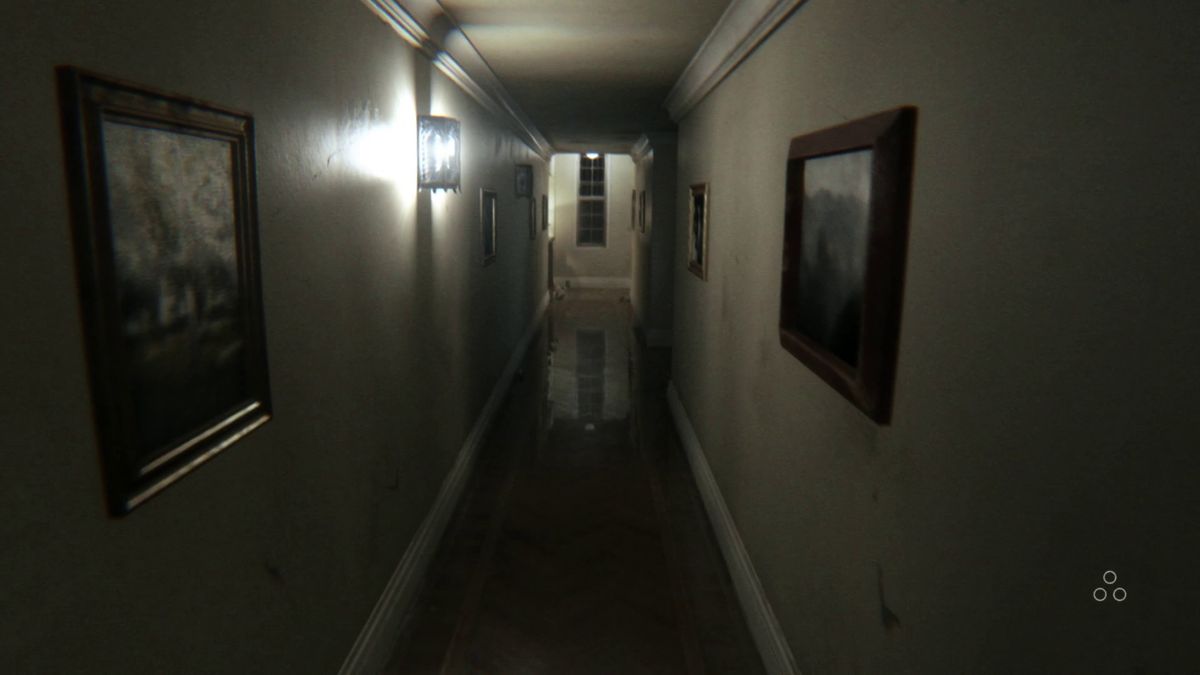
Detailing his workflow, Xavier explained that while he utilizes artificial intelligence to assist with tedious tasks such as debugging, identifying obscure errors, running code tests, and brainstorming solutions during development roadblocks, he remains entirely responsible for the system architecture, critical implementation decisions, writing and reviewing every line of code, and comprehending how the disparate systems interconnect. He credits his years of prior experience with reverse engineering and his intimate familiarity with P.T. as the driving forces that allowed him to successfully direct the complex process.
The rigorous commitment to accuracy has already earned the project high praise from prominent figures within the gaming community who are intimately familiar with the inner workings of the original release. Lance McDonald, the well-known Australian developer and dataminer who famously unlocked many of P.T.’s deeply buried secrets and undocumented mechanics years ago, voiced strong approval for the release. Examining the codebase, McDonald publicly expressed astonishment at the technical achievement, noting that the project appears to function as a faithful, one-to-one port of the entire game code that successfully replicates even the most obscure and undocumented behaviors of the original masterpiece.
With the release of the project now public on GitHub, enthusiasts and horror fans around the world can finally explore the shadowy, looping corridors of Hideo Kojima’s unfinished nightmare natively on personal computers, marking a significant victory for digital game preservation.