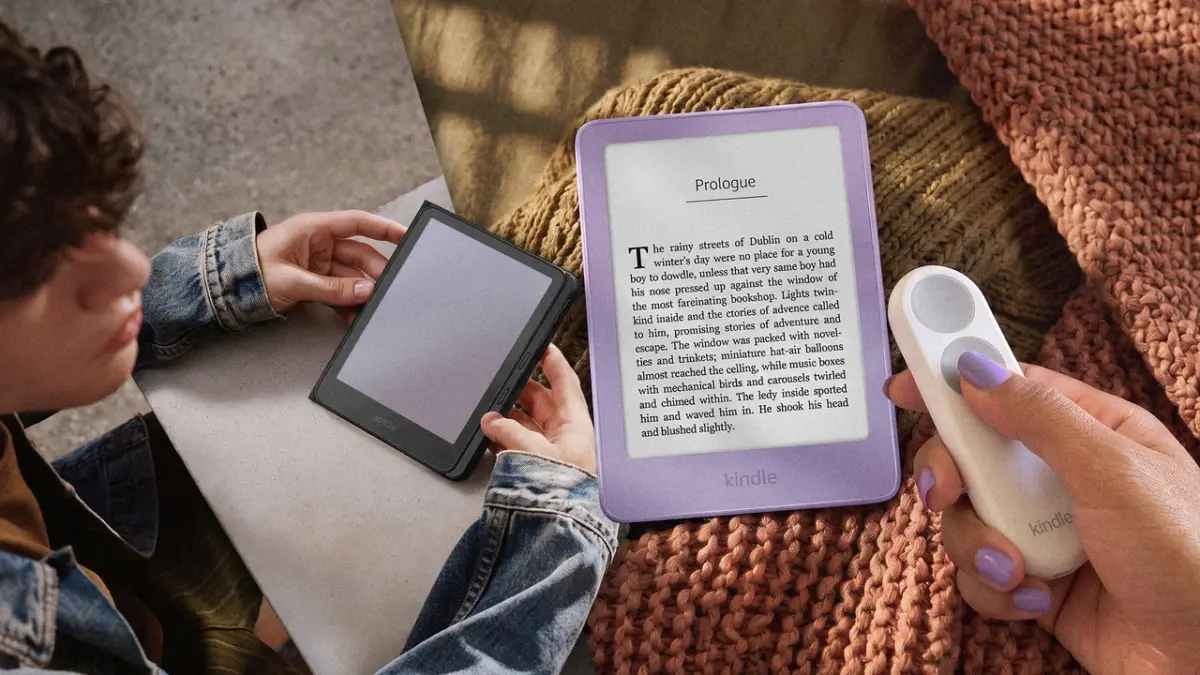
Amazon has introduced a fresh generation of Kindle e-readers, claiming a ground-up redesign for its hardware lineup. Yet, looking at the new devices, the immediate impression is one of familiar territory: they are still, fundamentally, Kindles. There is only so much innovation possible with a slab of digital ink, and the basic form factor remains tethered to the constraints of the medium.
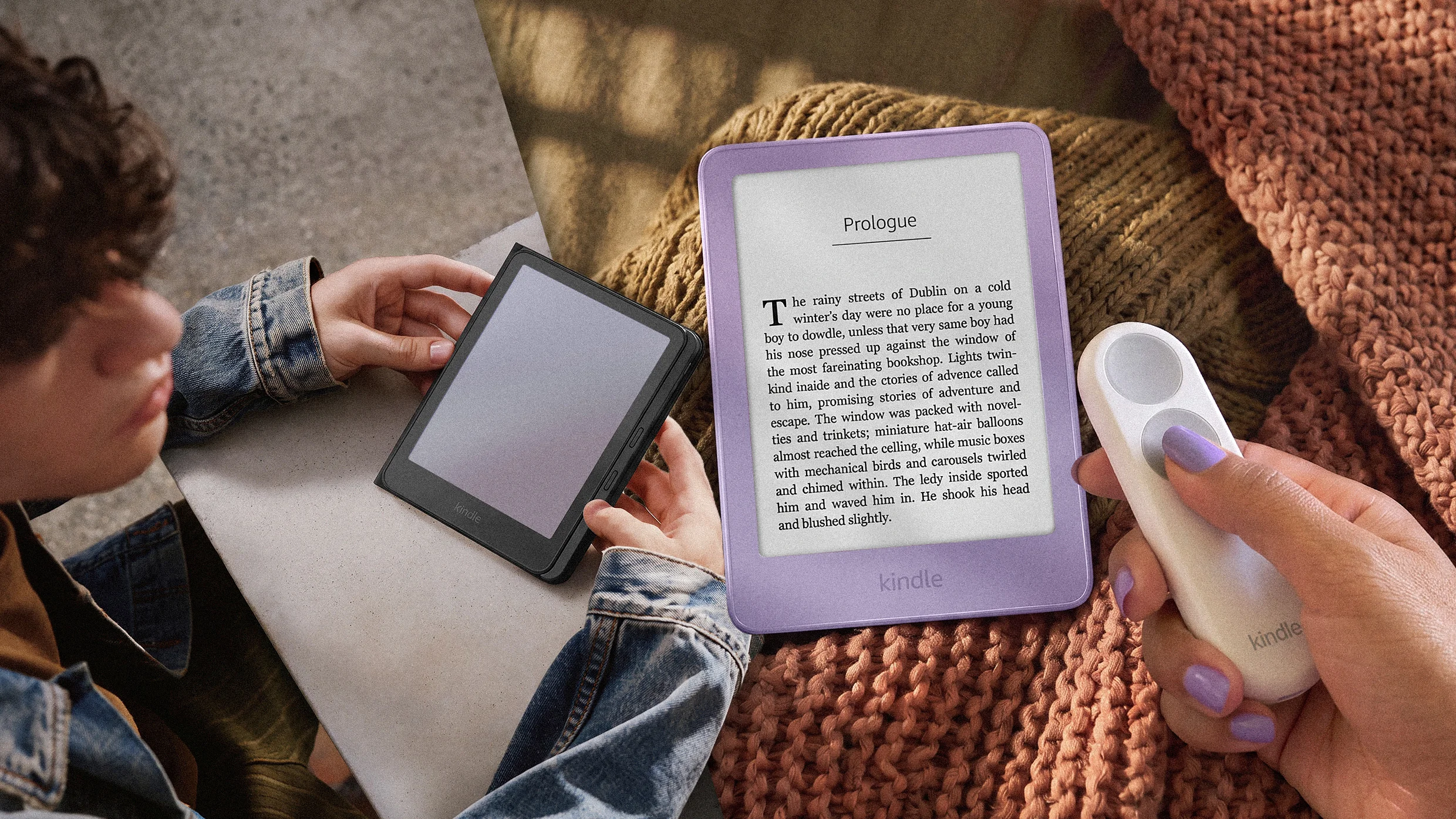
Still, the e-commerce giant has implemented notable aesthetic and structural shifts. The new devices feature a completely flat front surface with no seams, bringing them closer to the sleek, uniform aesthetic of modern smartphones. Furthermore, some models in the new lineup come wrapped entirely in vibrant colorways with evocative, nature-inspired names like ube, alpine sky, and seaglass green. Yet, in keeping with the design trajectory of all recent Kindles, these new versions conspicuously lack physical buttons.
This omission highlights a lingering user demand. It appears that a significant segment of the reading public genuinely misses the tactile feedback of clicking to a new page. The proof lies in Amazon’s own accessories catalog: the company is now offering an $80 cover equipped with page-turn buttons, alongside a separate $35 Kindle Bluetooth clicker. For a dedicated reader looking to recapture a purely physical method of turning pages, these add-ons represent an additional investment on top of the base device.
Goodbye to Buttons
The introduction of these accessories for an e-reader is an interesting design choice, particularly when considering the lineage of the hardware. Earlier generations of Kindles universally featured physical buttons for navigation. Amazon began the gradual process of phasing them out as early as 2011 with the launch of the first Kindle Touch. Over the subsequent decade, the company steadily reduced the presence of mechanical controls across its product families.
The transition culminated in October 2024, when Amazon officially discontinued the Kindle Oasis. That model had stood for some time as the final holdout in the company’s catalog, serving as the only remaining Kindle sold with physical page-turn buttons. Its retirement was met with considerable dismay among long-time loyalists who preferred tactile navigation over purely digital touchscreen interactions.
In an effort to bridge the gap for users missing the tactile experience, Amazon introduced a software workaround in 2025. Known as the "Double Tap to Page Turn" gesture, this feature allowed users to tap the sides or the back of the 2024 Kindle Paperwhite and Kindle Colorsoft to advance a page. However, this gesture-based shortcut had a functional limitation: it could only advance the reader forward, leaving users without a quick physical equivalent for flipping backward through pages.
Having spent approximately a decade systematically phasing out page-turn buttons across its hardware ecosystem, Amazon now finds itself in the ironic position of selling those very features back to consumers. The newly introduced Page-Turn Cover—which is restricted in its compatibility to Special Edition models—and the standalone Bluetooth clicker address a demand that the company itself engineered out of its base hardware. This trajectory suggests that keeping some form of integrated physical button all along might have served as a lasting benefit to the Kindle’s overall user experience and design philosophy.
The discussion surrounding buttons takes on added significance when viewed against the backdrop of the platform’s broader commercial success. According to the company’s global metrics, Kindle sales have grown at a robust double-digit rate worldwide for three consecutive years. The sheer volume of reading activity highlights the massive scale of the user base, with global readers burning through more than 720 billion pages in 2025 alone. That staggering metric represents countless millions of thumbs and fingers that, across the course of millions of reading hours, might have benefited from actual physical buttons built directly into the bodies of their reading devices rather than purchased separately as afterthoughts.