Lomography has taken one of the most recognizable looks in experimental photography and pushed it into completely new territory with the introduction of the Joseph Petzval Métamorphose 35mm f/1.8. This new focus-coupled, bokeh-control art lens is designed from the ground up for both contemporary photographers and professional filmmakers looking to inject unique optical characteristics directly into their visual storytelling.
Available for Sony E, Canon RF, and Nikon Z mirrorless mounts, the new optic moves far beyond the classic, gentle Petzval swirl that retro enthusiasts have long cherished. Instead, it introduces a significantly more aggressive, almost vortex-like rendering that creators can adjust dynamically in-camera.
The Petzval name has historically been synonymous with wonderfully strange backgrounds, swirling bokeh effects, and portraits that look as though they have been pulled straight out of another century. However, the Métamorphose takes that distinctive vintage character considerably further. At its most extreme bokeh setting, Lomography states that the lens creates a perception-bending optical warp surrounding an incredibly sharp central subject. Points of light stretch outward into dramatic, comet-like shapes, while the background appears to surge dynamically around the subject in the frame.

At closer focusing distances, this optical effect becomes even more pronounced. By combining stretching and swirling bokeh elements, the lens makes the primary subject appear almost as though it is literally jumping out of the frame. Conversely, at the opposite end of the adjustment scale, the effect can be dialed back significantly for a much calmer, more traditional rendering. In this mode, the lens produces softer edges alongside classic, soap-bubble-style bokeh textures, offering creators immense visual versatility from a single piece of glass.
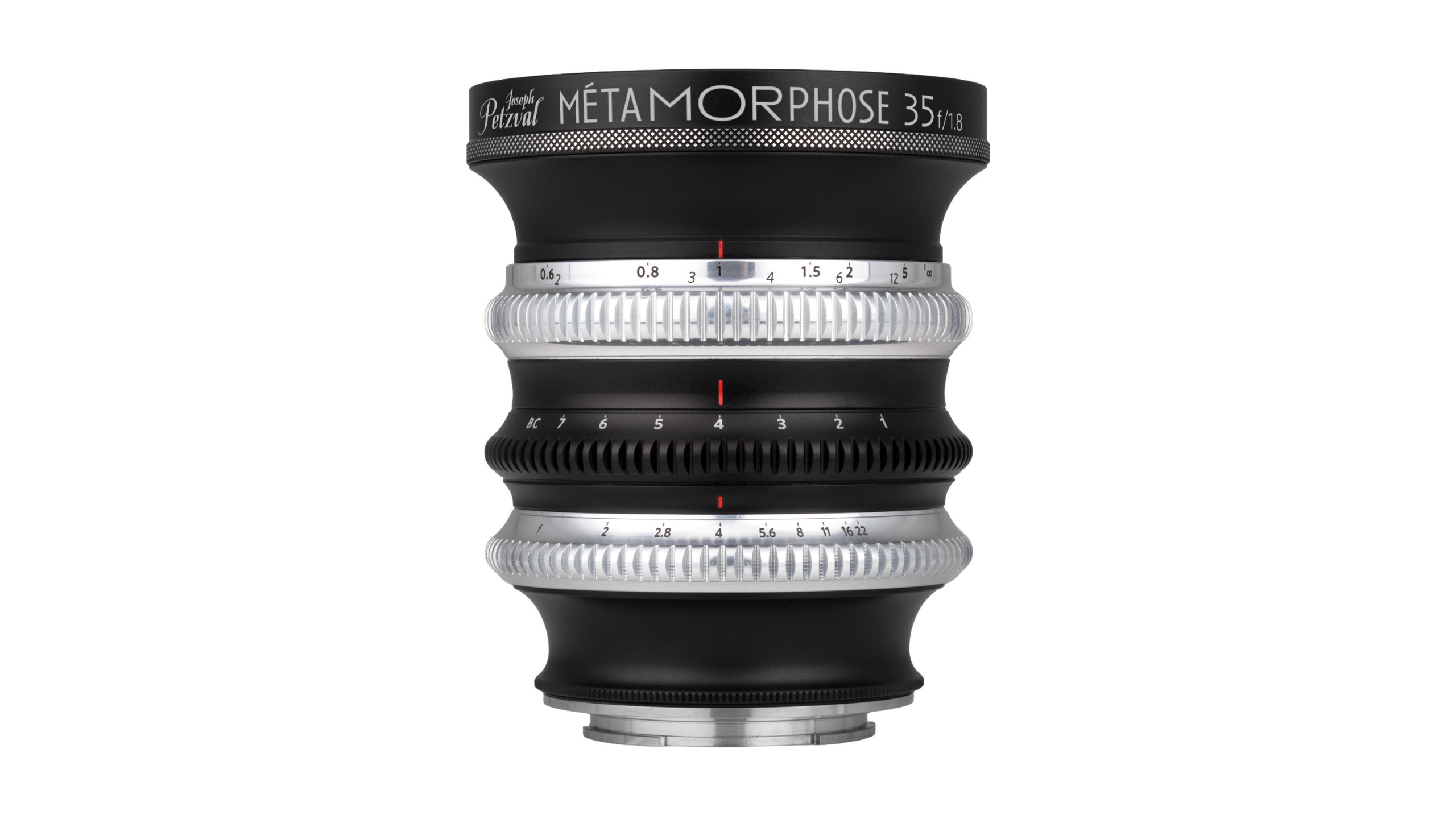
The sheer strength of the optical effect is adjustable smoothly across seven distinct levels. Further creative modifications can be achieved by fine-tuning the aperture and focus rings, giving photographers and filmmakers unprecedented control over just how surreal or unconventional they want their final images and footage to look.
Lomography envisions the lens as a powerful creative storytelling tool. It is capable of adding a visceral sense of speed to static scenes, generating genuine feelings of confusion or movement, and even successfully recreating some of the specific visual language and psychological tension historically associated with classic horror films.

What makes this release particularly fascinating is the surprising historical lineage behind its optical design. Lomography notes that its primary inspiration stretches back more than 200 years to the pioneering work of German mathematician and physicist Carl Friedrich Gauss. His original Single Gaussian lens design, introduced in 1817, suffered from significant optical aberrations, specifically coma and astigmatism. Because of these inherent flaws, the design was deemed unsuitable for early photography and was instead relegated to astronomical telescopes. Rather than correcting these historic aberrations with modern computer-aided engineering, Lomography has deliberately embraced them, utilizing the long-rejected design as the foundational starting point for a thoroughly modern photographic and cinematographic lens.
Technically, the 35mm lens features a robust optical construction utilizing six distinct elements arranged into five groups. It offers a fast maximum aperture of f/1.8, which closes down smoothly to f/22 via a stopless, iris-style aperture system. Furthermore, the lens incorporates support for drop-in rear aperture plates, providing traditionalists with even more avenues for custom light shaping. It delivers a generous 62-degree field of view, boasts a close minimum focusing distance of just 0.35 meters, and accepts standard 67mm front filters.
True to its vintage philosophical roots, the lens features zero electronic contacts. Focusing is handled entirely manually through a traditional, highly tactile helicoid mechanism, ensuring that the shooting experience remains deeply deliberate and hands-on.
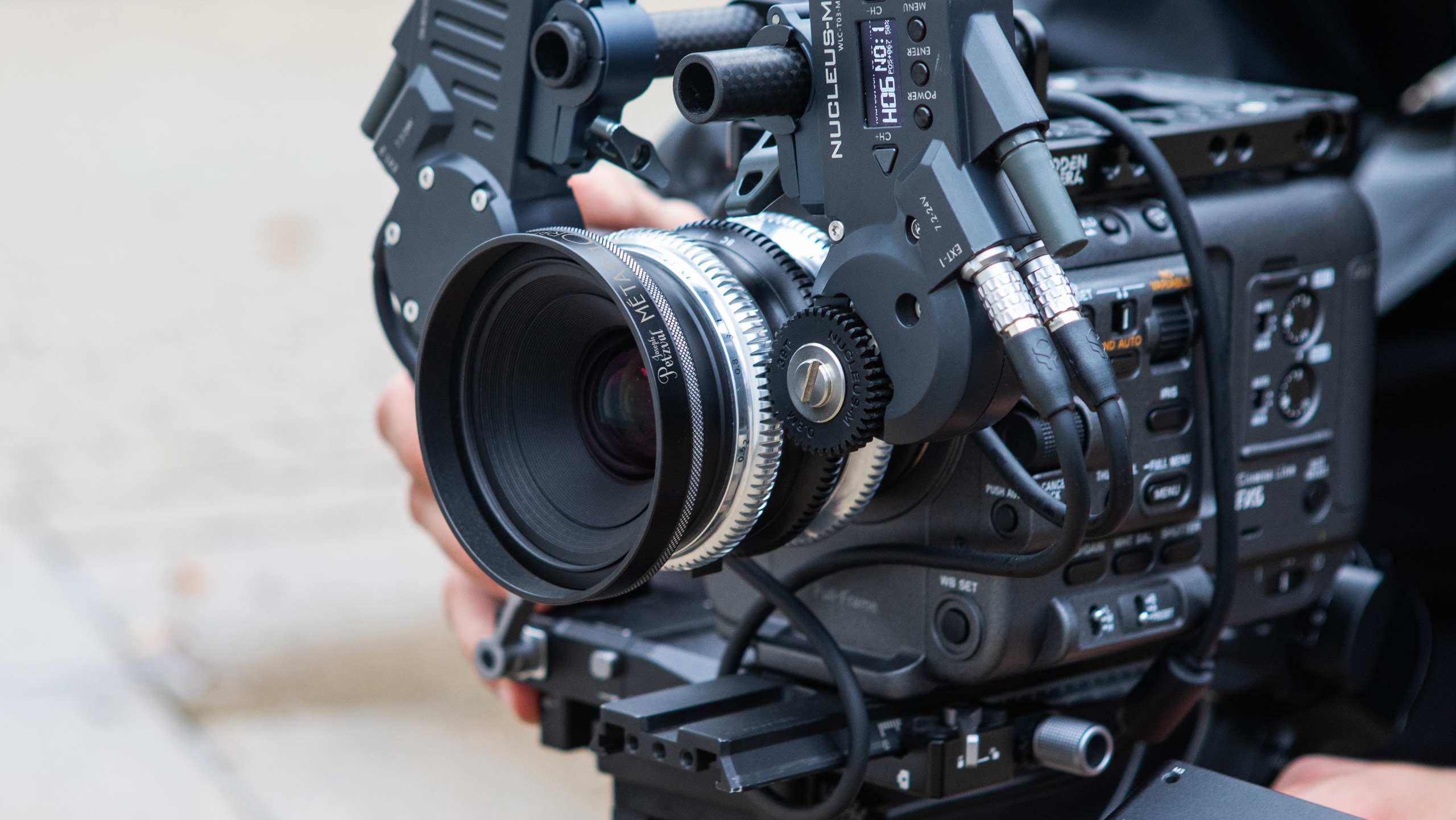
Lomography has clearly paid meticulous attention to the needs of modern filmmakers as well as photographers. The Métamorphose features a generous 180-degree focus throw, standard mod 0.8 follow-focus gearing, and completely stopless control rings for managing focus, aperture, and bokeh adjustments without abrupt visual stepping.
Additionally, the lens includes a built-in quarter-inch lens support mounting point, making it exceptionally well-suited for stable tripod mounting, complex handheld rigs, and motorized gimbal setups. Crucially, the internal focus-coupling mechanism is engineered specifically to prevent unwanted focus shift as the user changes the strength of the bokeh effect. This technical achievement means that the character of the background can be actively altered mid-shot, opening the door to gradual, hypnotic visual transitions and heightened subject isolation without ever interrupting the primary focus point.
For creators who prefer to build their distinctive look organically in-camera rather than relying on heavy digital manipulation in post-production, the Joseph Petzval Métamorphose 35mm f/1.8 represents a refreshing departure from the industry-wide obsession with clinical sharpness. This is not a lens that pretends to be optically flawless; rather, its entire appeal stems from proudly exaggerating the exact optical anomalies that generations of lens designers spent decades trying to eradicate.
While an official, broad on-sale date has not yet been formally announced by Lomography, the Joseph Petzval Métamorphose 35mm f/1.8 is slated to carry a retail price of $649.