Hailing from the French West Indies in the Caribbean—specifically the island of Guadeloupe—and currently based in Montréal, multi-disciplinary artist Eddy Firmin is deeply interested in the history and politics of colonization and identity. His home region’s inextricable ties to the dark legacy of slavery inform a practice that interrogates how knowledge is shared, distorted, and passed down through generations. Through sculptures, installations, and immersive collaborations, Firmin’s work bridges historical trauma with modern consumer critiques, forcing viewers to confront the uncomfortable echoes of the past in contemporary society.
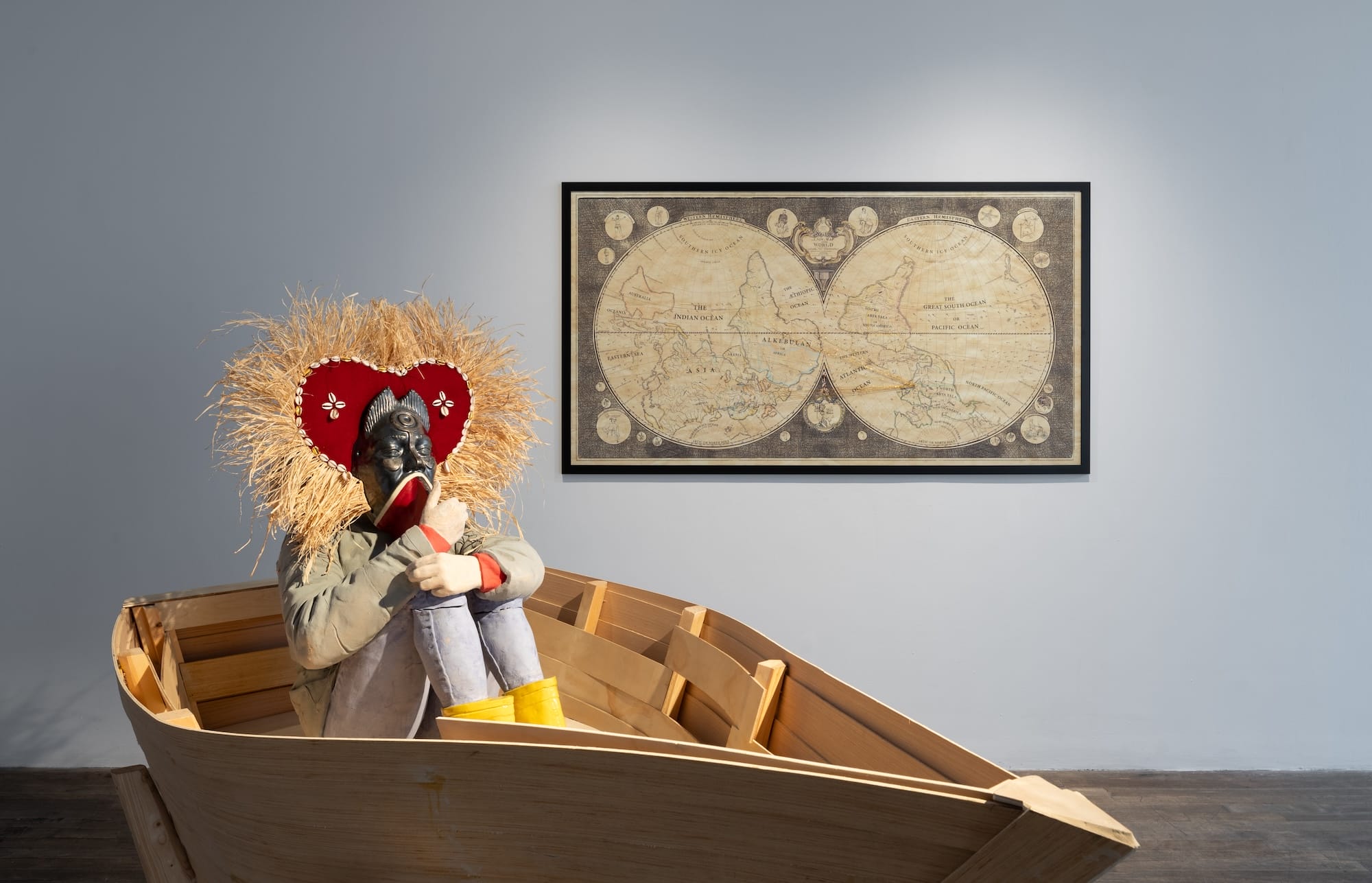
Throughout more than three centuries, upwards of 20 million or more people were transported from Africa to the Western Hemisphere to be sold as slaves in what is now viewed as one of the most atrocious crimes against humanity ever perpetrated. Millions died due to exhaustion, disease, and the brutal transport and living conditions imposed by colonial powers. Chattel slavery was particularly extreme in the Caribbean, where roughly 40 percent of those taken from Africa were put to work on grueling sugar cane plantations owned by European capitalists. Despite these harrowing conditions, human spirit and culture endured. Myriad African traditions crossed the Atlantic with members of their displaced communities, taking on new forms and evolving into vital tools for resistance, community survival, and identity preservation.
One of these enduring traditions is known as Gwoka, an Afro-Caribbean custom that originates from Guadeloupe and involves traditional music, dance, and storytelling. It continues today in contemporary forms, frequently taking place during festivals and cultural gatherings, thereby furthering a profound legacy of resilience that enslaved people historically drew on for mutual support and perseverance. In Gwoka and similar artistic endeavors, technical ability and aesthetics "aim to seduce and mesmerize, while the hidden message fosters resistance to dominant discourse in the arts as in the social space," Firmin explains in an artist statement.
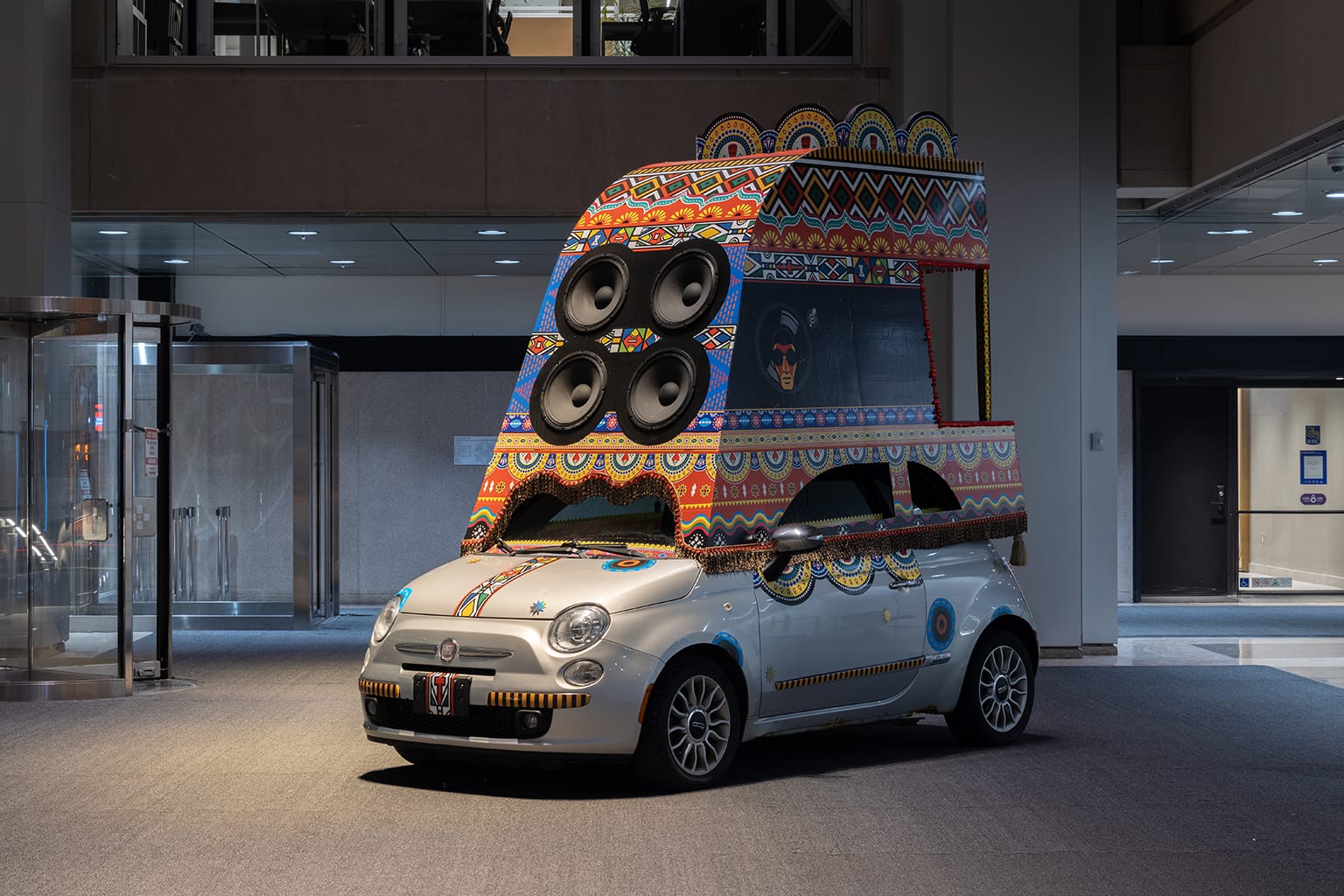
This deep engagement with music, performance, and community voice continues thematically in a large-scale collaborative work made with Afro-Caribbean and Franco-Canadian artist Géraldine Entiope titled “Pa ka tann ?!” In this vibrant, elaborately patterned installation, a DJ booth equipped with monumental speakers is set atop a small car, creating a mobile platform from which Caribbean music can be actively played, shared, and celebrated in public spaces.
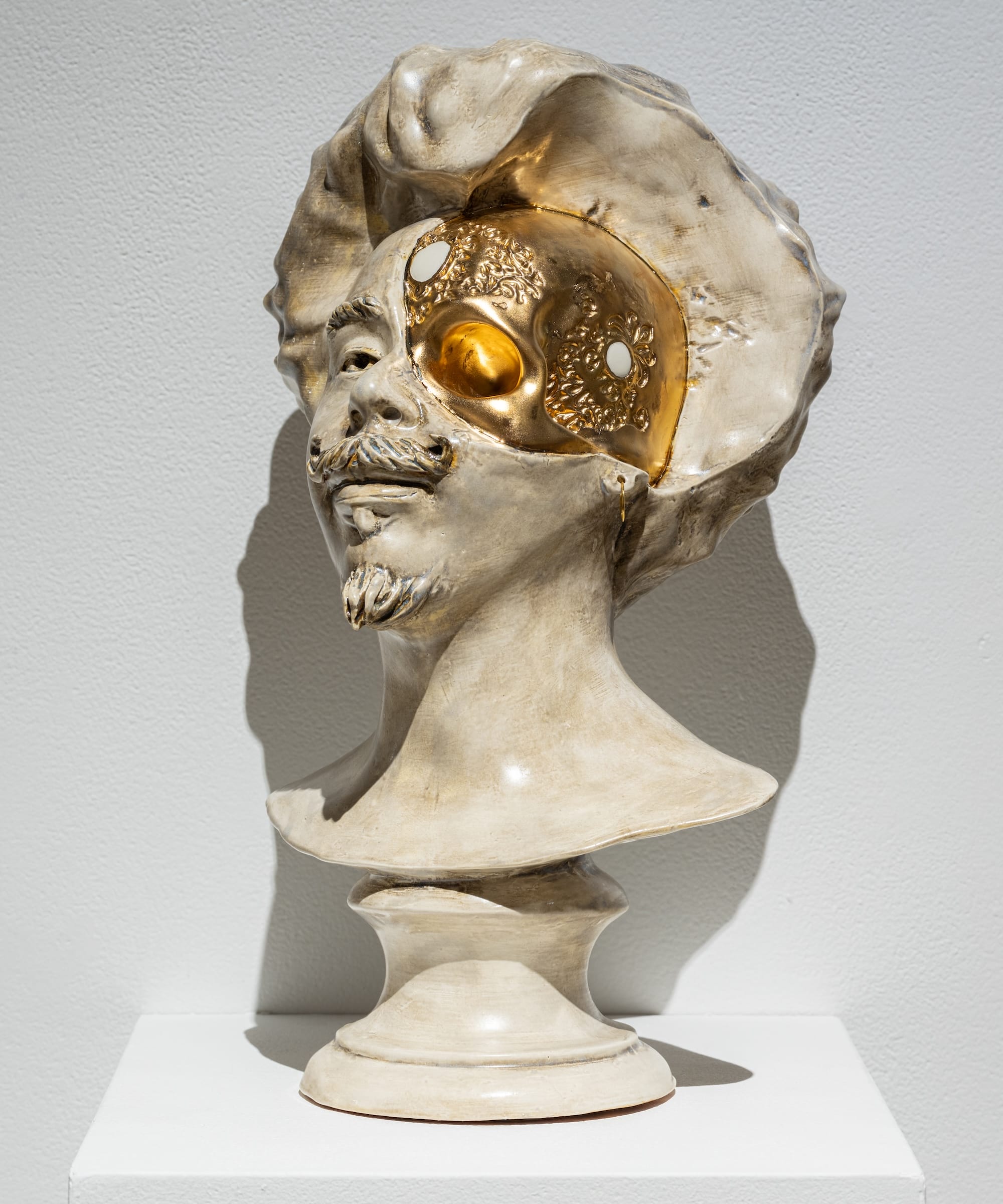
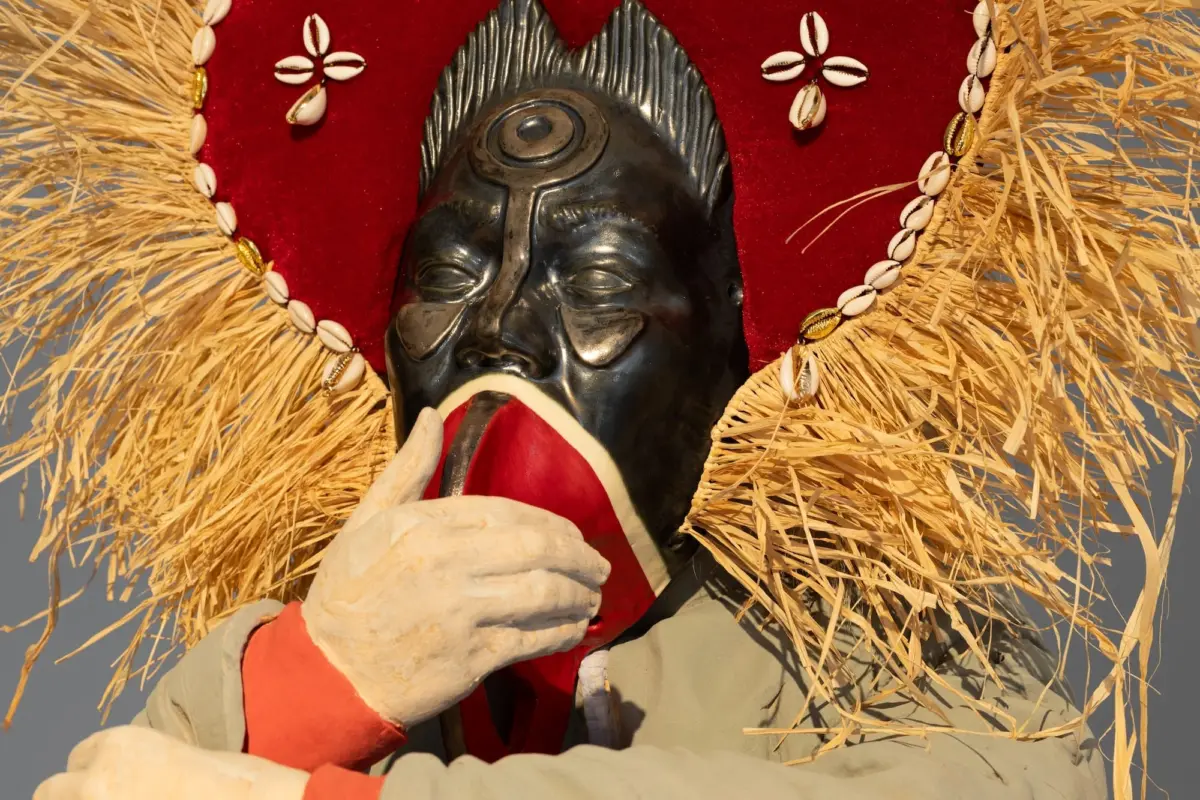
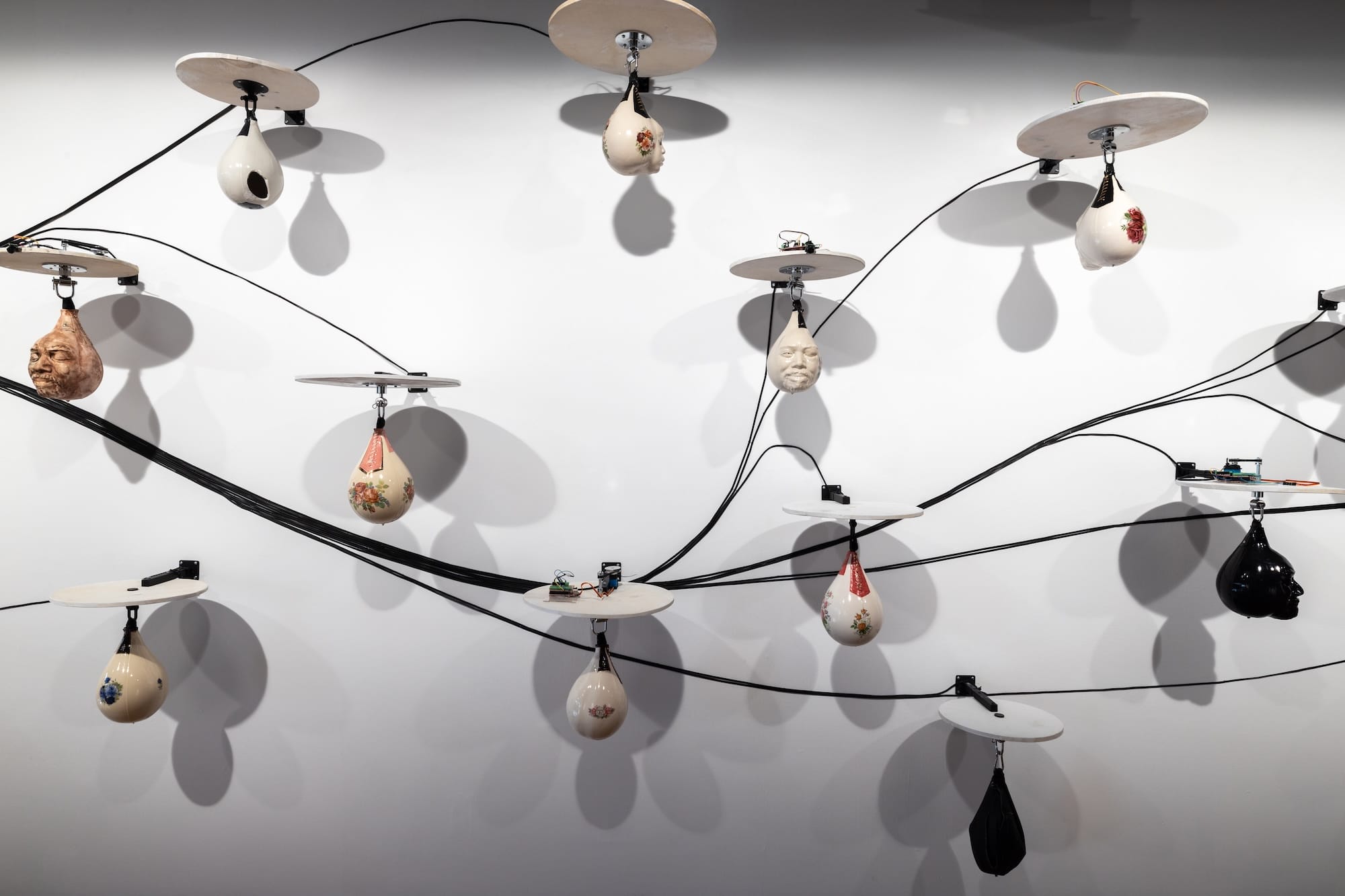
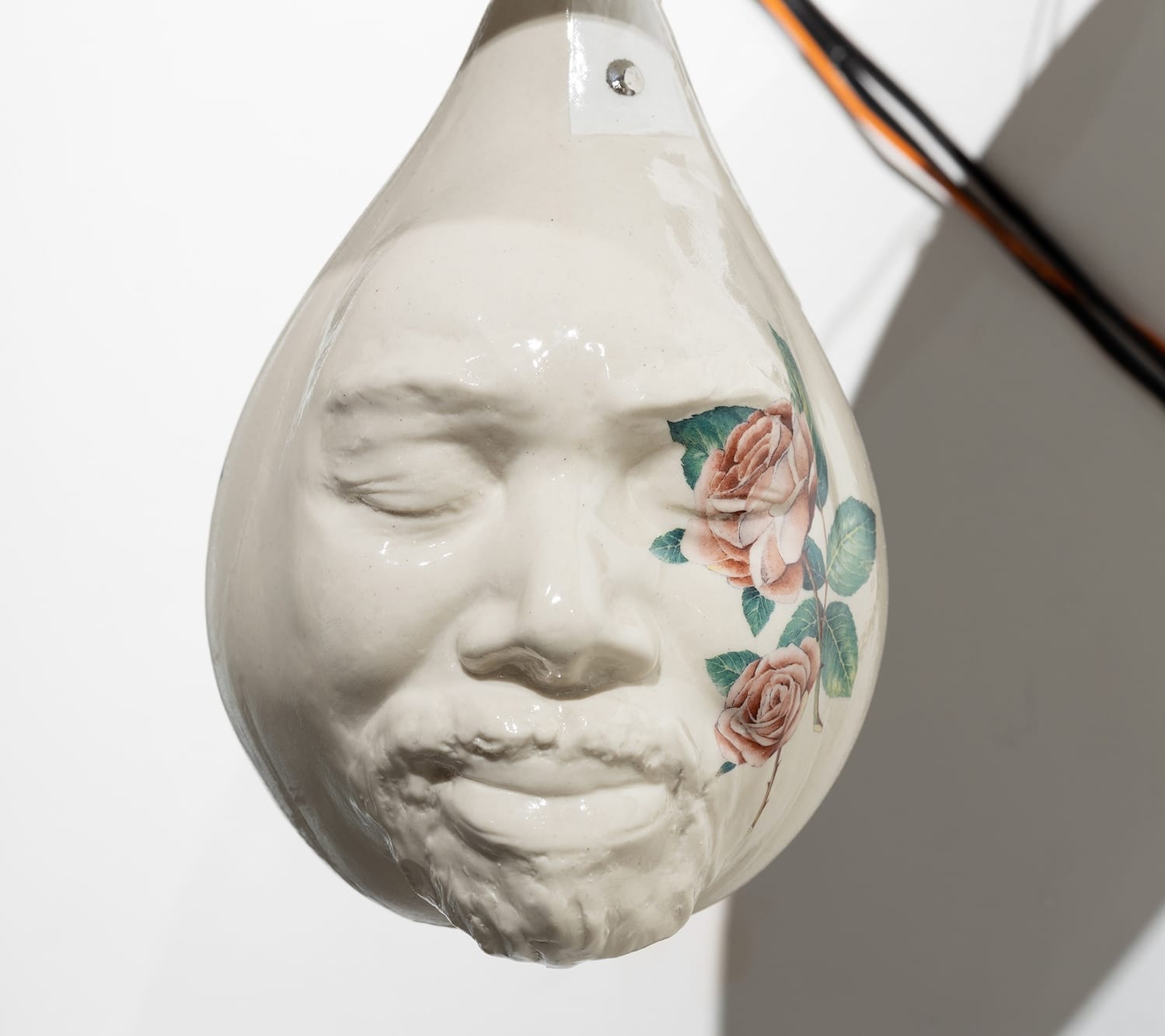
Firmin frequently works with ceramics, expertly recontextualizing symbolic motifs and patterns while testing our psychological associations with materials and their everyday applications. In his hands, conventional symbols of labor and conflict are completely subverted: punching bags and heavy-duty tools are meticulously fashioned from delicate porcelain, while sculptures drawing heavily on traditional African masking are paired alongside glossy, ubiquitous corporate branding.
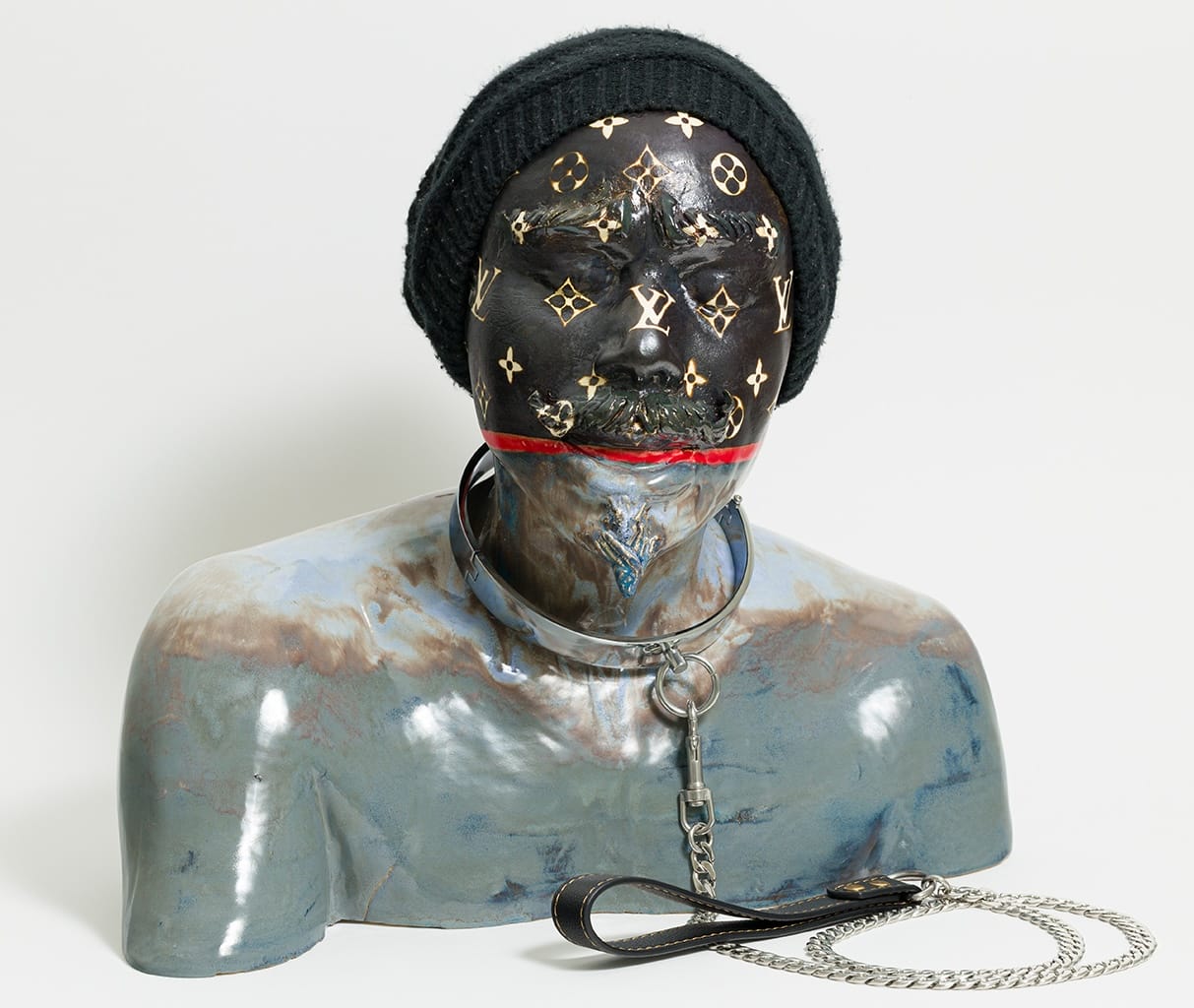
Busts of Black men, frequently depicting Firmin himself, deliberately mirror the types of classic marble and alabaster sculptures that historically honored affluent, powerful, or influential European figures. In the artist’s sharp reimagining, audiences are confronted by uneasy, contemporary relationships between race, power, and prestige. The self-portrait titled “Sans Signe” (“Without Sign”), for instance, portrays a man with a heavy metal collar around his neck and the seemingly incongruent, luxury monogram pattern of Louis Vuitton emblazoned directly across his face. With his eyes closed, the figure appears entirely blinded to his surroundings, trapped within an aesthetic of corporate adoration.
While the public occasionally scrutinizes fashion brands’ manufacturing ethics—such as the enormous backlash Nike faced in the 1990s due to its reliance on overseas sweatshops—the reality is that most consumers never see or even think about the systemic conditions under which the products they purchase are made. Just because exploitation is not immediately apparent on a sleek store shelf doesn’t mean that corporate messaging and an unyielding societal reliance on material possessions aren’t altering the very fabric of global society. Firmin’s work prompts viewers to consider how much individual agency anyone truly has within a capitalist system where enormous wealth increasingly concentrates among a slim fraction of the population while the vast majority struggles simply to get by.
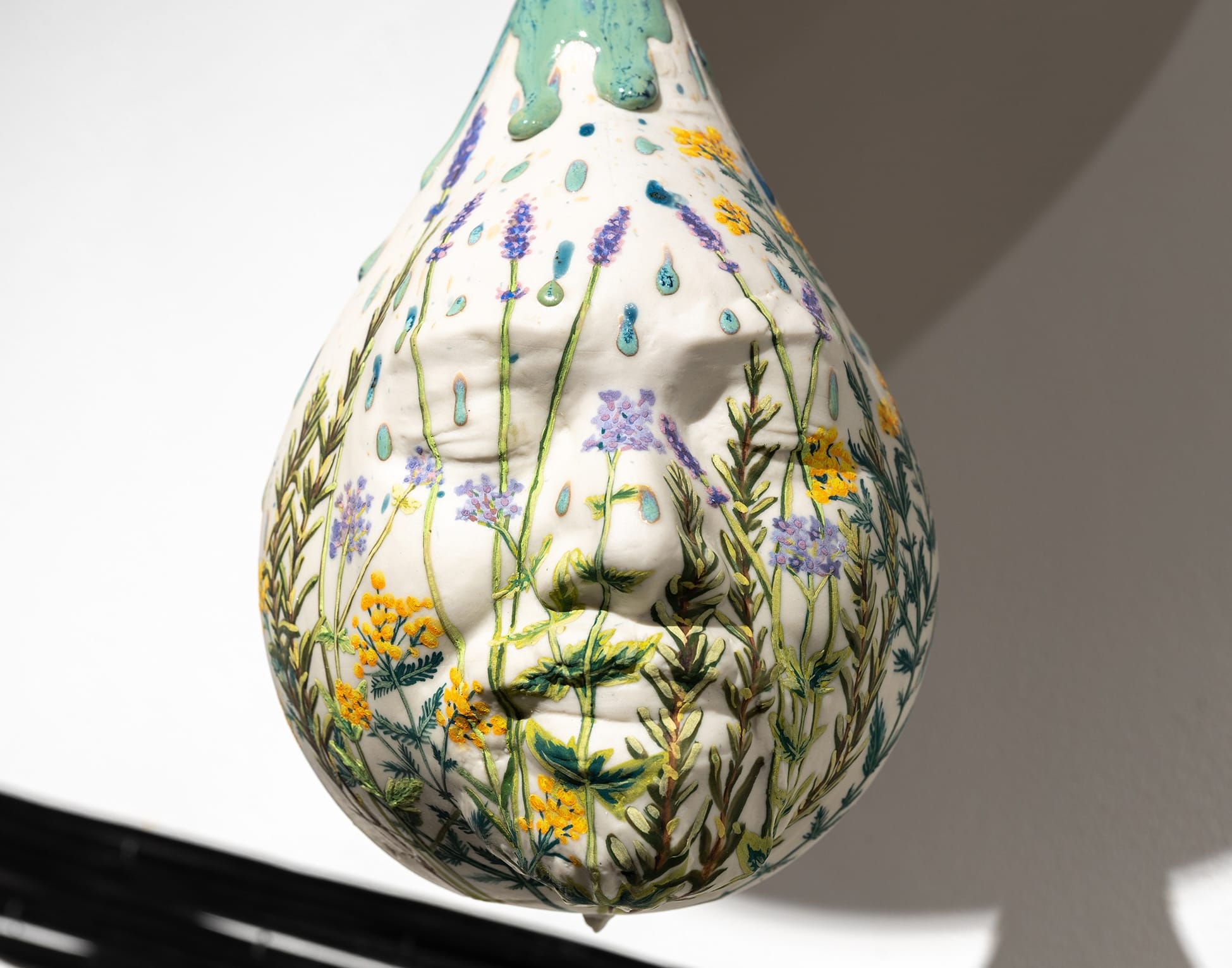
The artist also interprets modern consumerism as yet another insidious colonizing force. When corporate interests and the relentless demand for manufactured goods increasingly dictate the rhythms of daily life, what ultimately happens to local and Indigenous customs, traditional value systems, individual creativity, and cultural autonomy? Within Firmin’s sculptural universe, metal shackles serve as a stark, uncompromising reminder of both a grim historical past and an ongoing present peril.
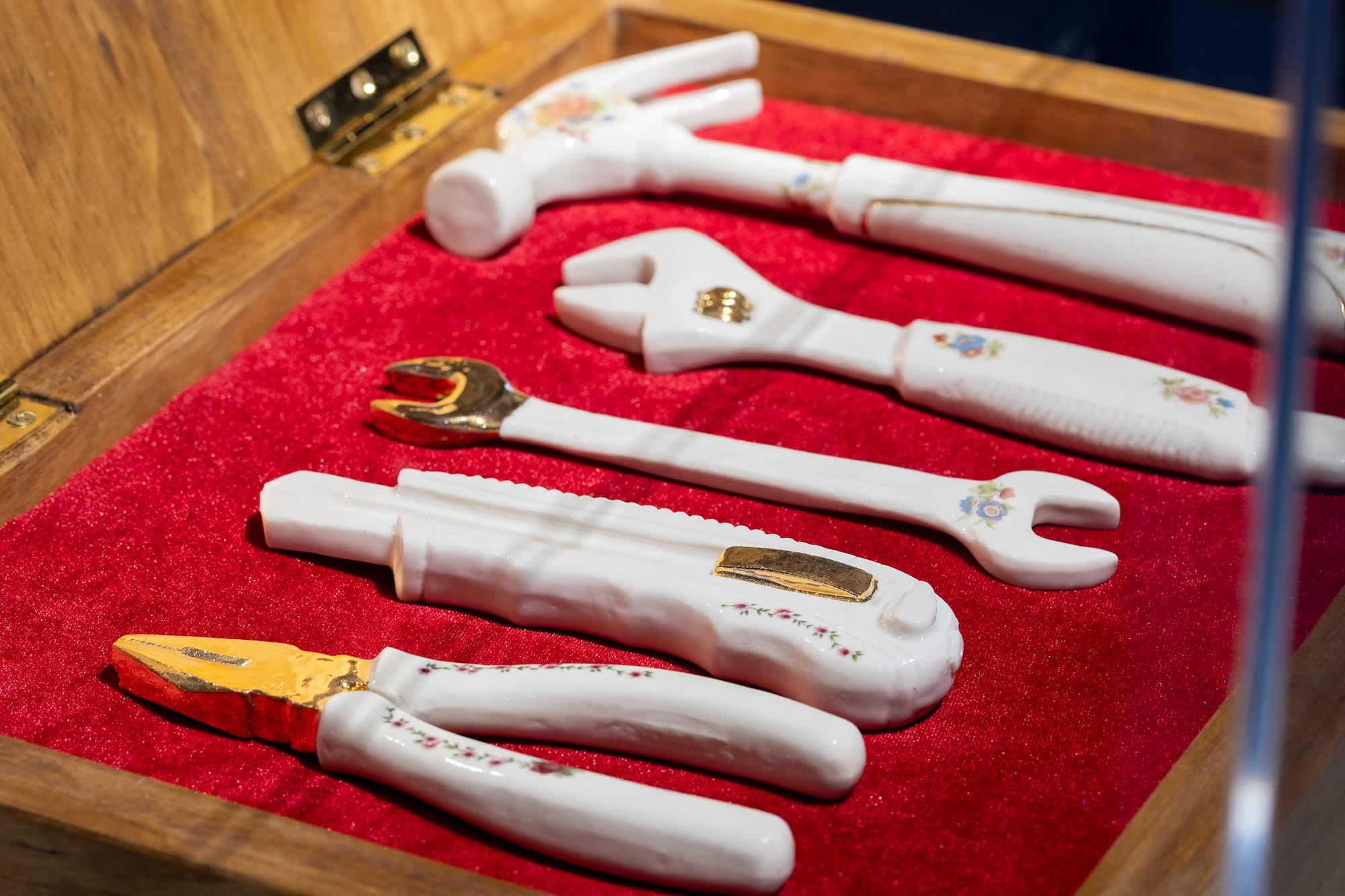
For those interested in experiencing these thought-provoking works firsthand, a selection of Firmin’s pieces will go on view starting October 9 in the exhibition After the Island: Caribbean Canadian Ceramics at the Gardiner Museum in Toronto.