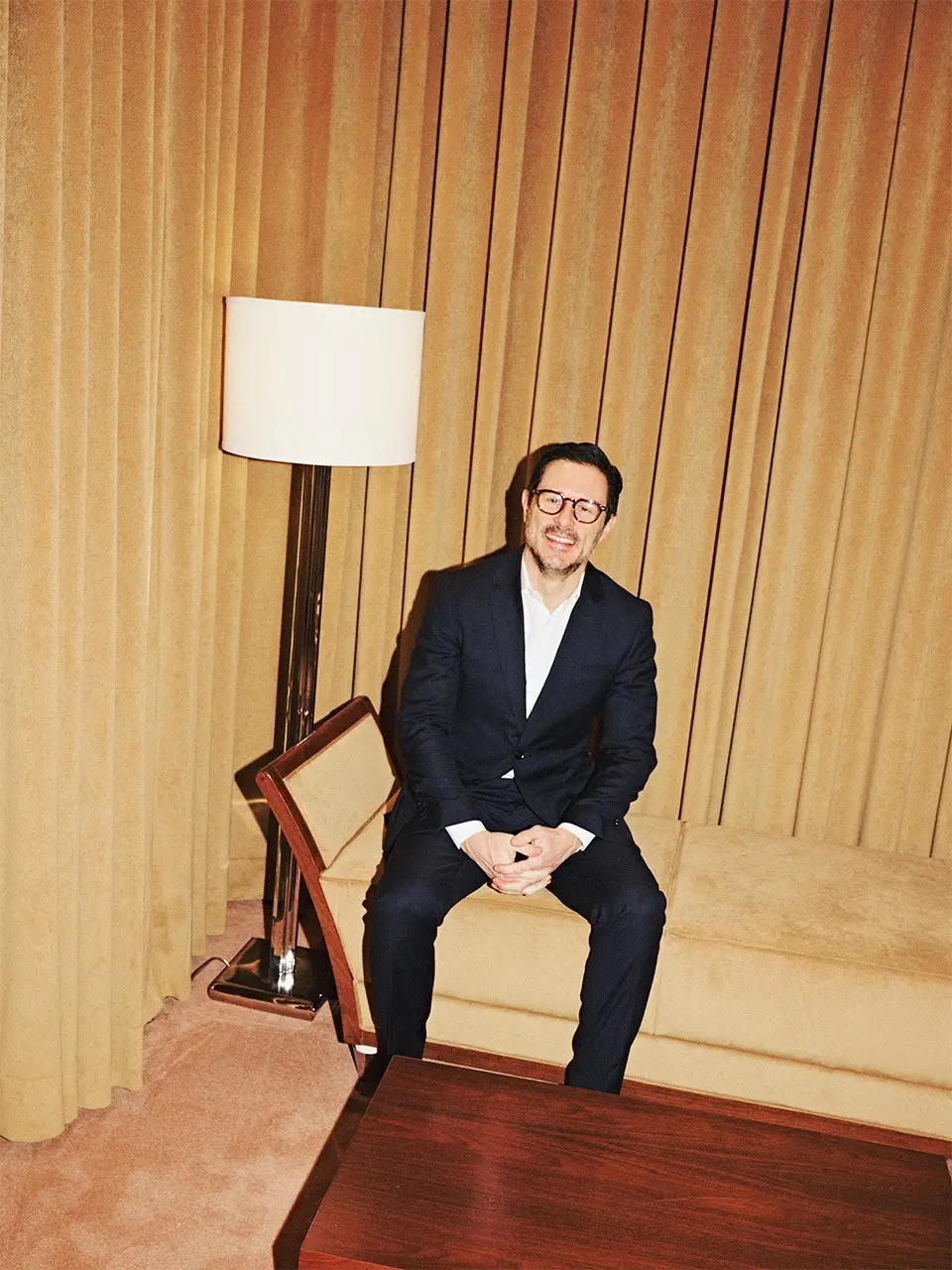
While recent headlines surrounding the American retail landscape have frequently painted a picture of distress and decline—highlighted by the structural collapse or high-profile closures of former sector titans such as Saks and Neiman Marcus—not every historic institution is succumbing to the pressure. Amid widespread industry pessimism, Bloomingdale’s has successfully bucked the prevailing downward trends. Under the leadership of its pragmatic, forward-thinking French Chief Executive Officer, Olivier Bron, the department store is actively proving that the traditional brick-and-mortar giant is far from obsolete.
Bron, whose impressive retail pedigree includes strategic leadership roles at Bain & Company, Galeries Lafayette, and Bangkok’s retail powerhouse Central Group, has been quietly tightening operations at Bloomingdale’s. By leaning heavily into the brand’s storied heritage while fundamentally rethinking the physical and experiential responsibilities of a modern department store, Bron has steered the company toward consistent commercial growth. Demonstrating the efficacy of this tactical pivot, comparative sales for the first quarter of this year surged by an impressive 10.2 per cent, marking a continuation of steady, positive momentum.
In a wide-ranging conversation with Monocle chairman Tyler Brûlé, recorded from Paris, Bron shared his insights on the evolving nature of physical retail, the structural flaws plaguing American shopping spaces, and his ambitious roadmap for revitalizing the legendary New York brand.
The Evolution of the Department Store: Beyond the Dinosaur Narrative
Addressing the polarizing debate over whether the traditional department store is staging a dramatic comeback or fading permanently into retail history, Bron offered a nuanced perspective. He rejected the widespread notion that the multi-level retail concept is a relic of the past destined for extinction.
"It’s a mixed picture," Bron explained to Brûlé. "But when I hear people saying that department stores are dinosaurs, that’s not true. The department stores that we used to run 30 or 40 years ago are gone forever, but the challenge, as in every aspect of retail, is about reinvention."
Tracing the historical roots of the institution, Bron emphasized that department stores were originally conceived as immersive spaces for discovery—destinations where shoppers could physically experience products, examine craftsmanship closely, and forge a tangible connection with brands. In an increasingly digital world, Bron argues, this foundational premise remains intensely relevant to contemporary consumers, provided retailers are willing to radically adapt their physical footprints to match shifting expectations.
Raising the Bar: Bringing Global Standards to the US Market
Despite the sheer scale of American consumerism, Bron noted a surprising paradox in the nation’s retail hierarchy: while the United States represents the largest market in the world with the most prominent domestic department store players, it currently lacks representatives among the globe’s premier retail destinations.
"That’s crazy, when you think about it," Bron remarked. "So what we want to do is reposition Bloomingdale’s in terms of international standards. We have to deliver the same kind of experience in the US as they do in Asia and Europe."
To achieve this ambitious transformation, Bloomingdale’s is actively revising how it designs and structures its retail environments domestically. The brand is systematically repositioning its core market model, shifting away from standard premium contemporary offerings and pushing firmly into the high-luxury segment. Central to this strategy is an emphasis on powerful storytelling, allowing the distinctive narratives and heritages of partner brands to cascade naturally down to the retail shopper.
Tailoring the Flagship and Renovating for the Future
While Bloomingdale’s maintains a deeply beloved, historic footprint on Third Avenue in New York City, Bron stresses that modern retail success requires localized agility rather than a uniform, one-size-fits-all approach. Every urban center represents a distinct market with unique consumer demands, purchasing habits, and lifestyle preferences.
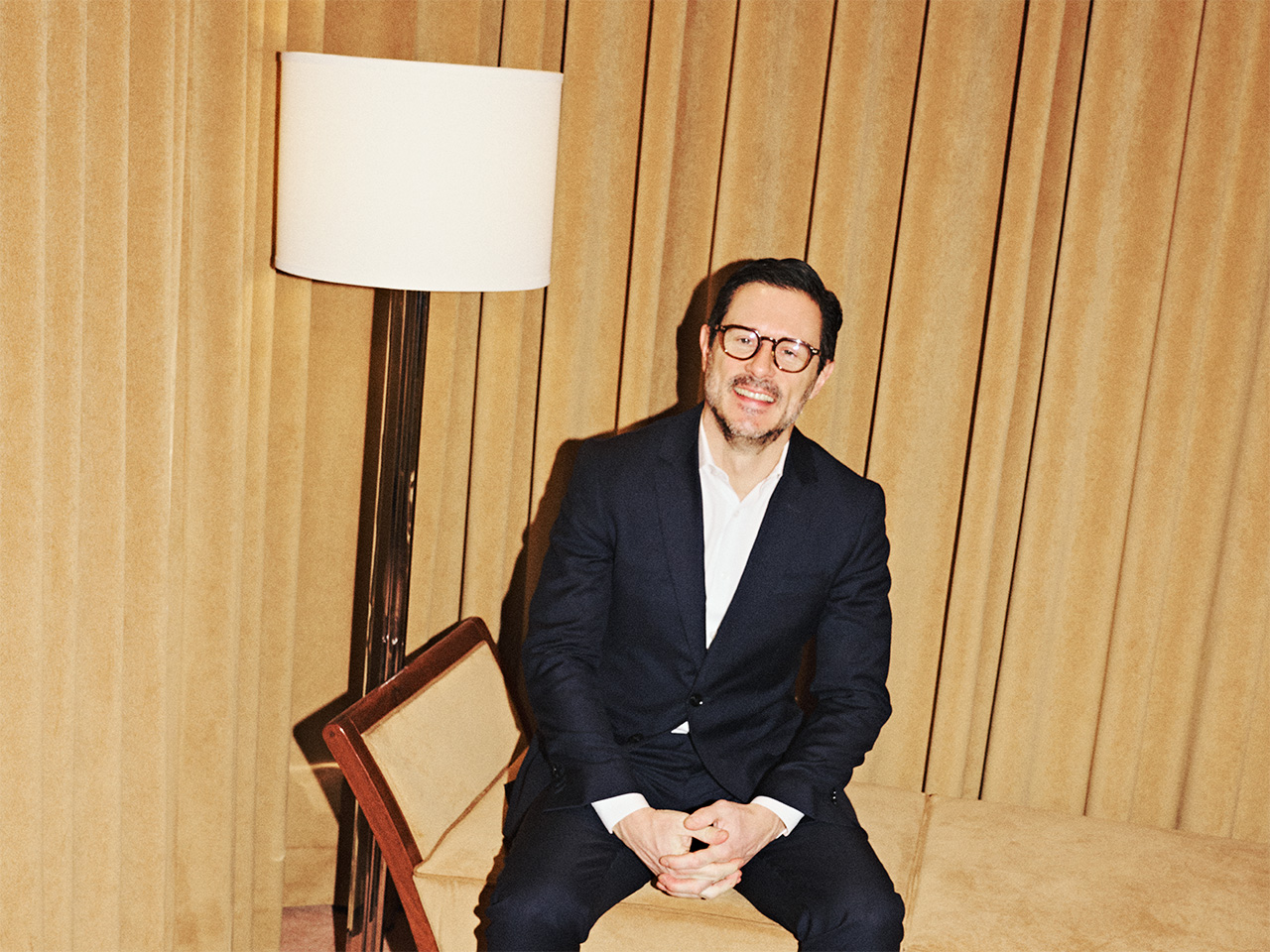
"Every city is a different market with different needs," Bron said. "We’re not selling the same thing in the same way in all the different cities. So being able to adapt your assortment, service, and experience in the store in these different cities is extremely important."
To cement this localized strategy, the company is undertaking a comprehensive, high-stakes overhaul of its iconic New York flagship. This extensive project is designed to set the store apart from any alternative retail experience available across the United States. Recognizing the landmark status of the Third Avenue location, Bron’s leadership team has triggered a broader capital expenditure plan that will see the renovation of 10 core stores over the next five years. This sustained investment aims to re-elevate the consumer journey and consistently deliver an elevated retail standard.
Navigating the American Mall Landscape
The broader American retail ecosystem has long been haunted by the ghost of the suburban shopping mall, where anchor store departures frequently leave behind cavernous, empty boxy spaces. However, Bron noted that Bloomingdale’s occupies an advantageous and privileged position within the real estate market.
"That’s fair," Bron acknowledged regarding the struggles of traditional mall infrastructure. "But we have the privilege and chance with Bloomingdale’s to only be in prime malls that are doing well. Most of them have strong traction and strong traffic."
For Bron, navigating the commercial real estate sector requires disciplined operational focus. By selectively choosing prime operational battlegrounds where consumer foot traffic remains robust and brand positioning aligns cleanly with target demographics, Bloomingdale’s has successfully insulated itself from the broader systemic decay affecting secondary and tertiary retail properties.
Prioritizing Experience Over Dense Merchandising
One of the most defining philosophies behind Bron’s leadership at Bloomingdale’s is a conscious departure from short-term financial metrics that prioritize spatial density over consumer comfort. In an era where traditional retailers have often succumbed to the temptation of squeezing maximum inventory onto every available square foot, Bron warns that excessive crowding ultimately degrades the consumer experience.
"If you’re obsessed about getting a yield out of every inch of the store, then that’s a problem because, honestly, you’re not thinking about the experience," Bron explained.
When shoppers are met with overwhelming sensory density, excessive products, and relentless commercial solicitation, the environment fails to provide essential moments of pause, rest, and leisure. Bron maintains that incorporating hospitality—such as accessible spaces to sit, eat, and drink—is vital to modern store design.
Viewing the customer relationship through a long-term lens rather than focusing purely on immediate transactional volume underscores Bron’s vision for the brand. Cultivating spaces where consumers genuinely want to spend time, rather than rushing through transactions, forms the bedrock of his strategy to secure the enduring relevance of Bloomingdale’s in a rapidly changing retail climate.