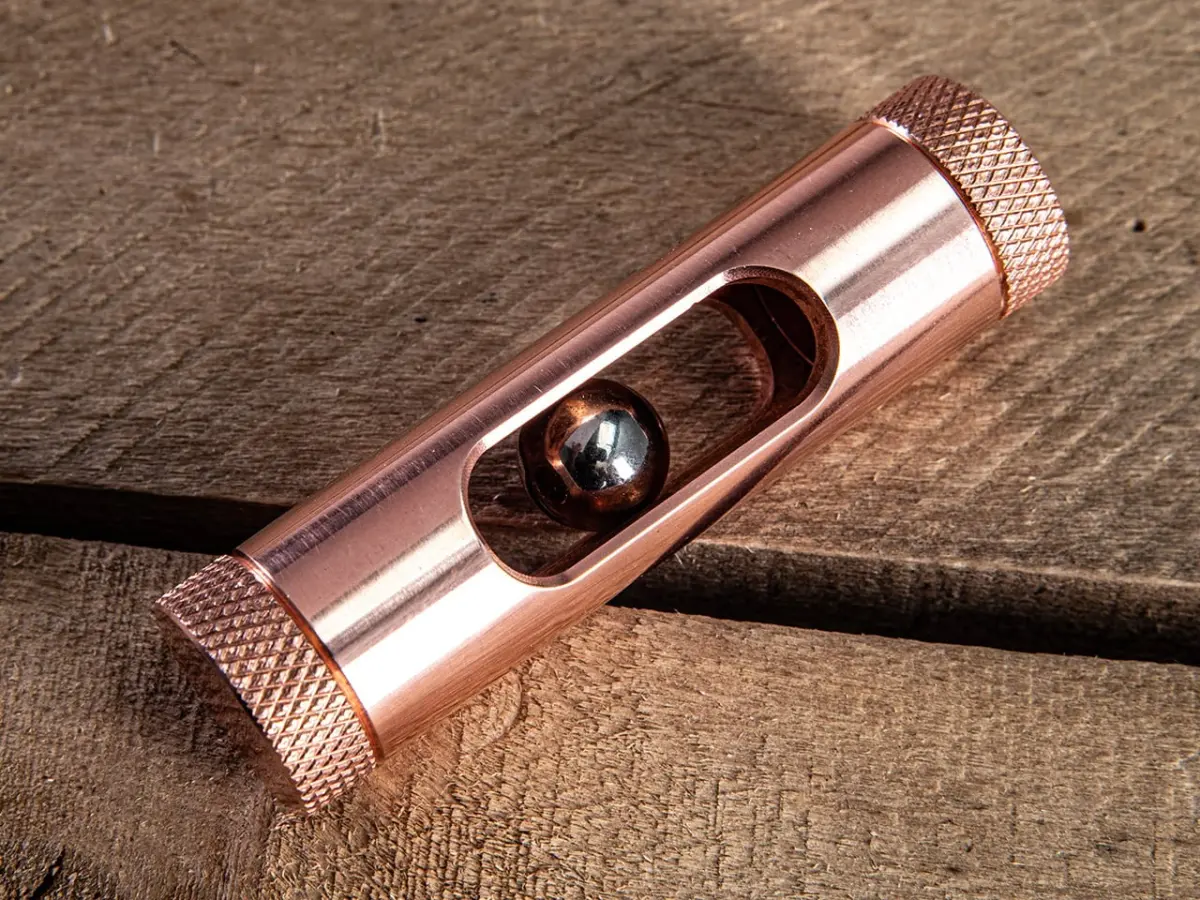
When a small metal ball is dropped through an ordinary vertical tube, the physics of the descent are familiar, instantaneous, and entirely unremarkable. Blink at the moment of release, and the event is already over, finalized by the uncompromising pull of gravity. However, drop that same magnetic sphere through the MetMo Eddy, and an entirely unexpected optical illusion unfolds. The fall stretches out languidly, creating the distinct impression that gravity has momentarily paused, hesitated, or entirely changed its mind. Designed by Sean Sykes and James Whitfield, this palm-sized copper cylinder is a precision-machined desk object that translates a profound, century-old electromagnetic phenomenon into a tactile, interactive experience that operates entirely without batteries, motors, or hidden electronic switches.
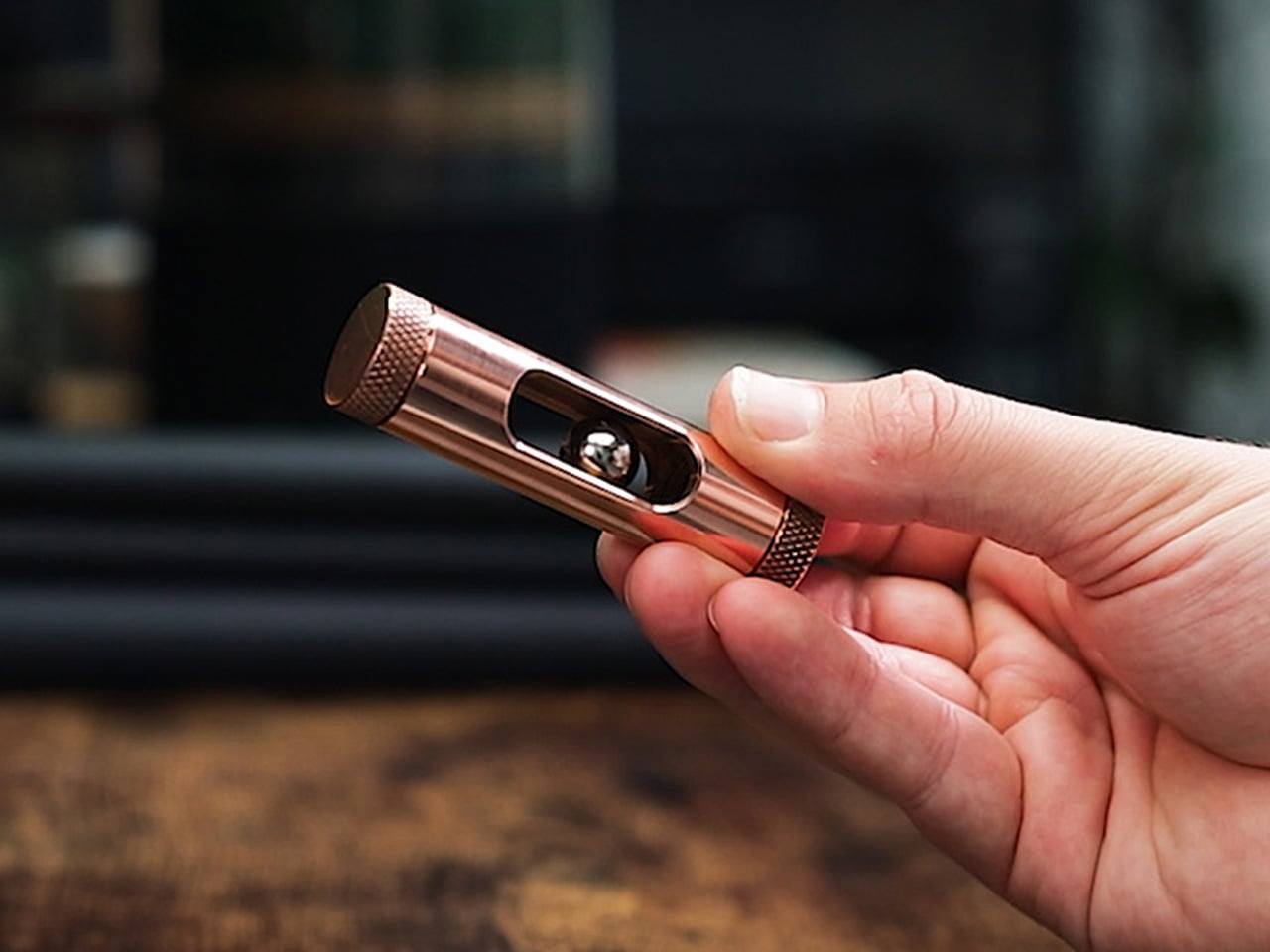
The mesmerizing slow-motion trick at the heart of the MetMo Eddy is not a new invention, but rather a brilliant application of foundational physics that has rarely been presented with such refined desktop aesthetics. Back in 1855, French physicist Léon Foucault observed that moving a magnet near a conductive, non-magnetic disc created circulating electrical currents that actively pushed back against the motion generating them. He termed these phenomena eddy currents, and engineers have relied on the principle ever since for industrial applications ranging from heavy-duty braking systems to precise electromagnetic sensors. With the creation of the Eddy, the design team at MetMo has taken this industrial-grade physics lesson and provided it with an elegant, beautifully engineered home suitable for a modern workspace.
The underlying mechanics are disarmingly simple yet endlessly fascinating to observe in real time. As the magnetic sphere descends through the solid copper tube, it stirs up microscopic, swirling loops of electrical current within the metal walls surrounding its path. These induced currents immediately generate their own opposing magnetic field, creating an invisible hydraulic-like resistance that fights against the pull of gravity. Gravity remains entirely in charge of the downward trajectory, but it is forced into a constant, visible argument with physics on the way down. There are no gears, no digital components, and no mechanical switches involved—just two fundamental materials interacting according to the laws of nature that have always governed them.
The choice of material for the tube goes far beyond mere visual appeal, though the object certainly makes a strong impression on a desk. Copper happens to be one of the most highly conductive non-magnetic metals available, which means it generates a significantly stronger eddy current response than alternative materials like aluminum or steel could ever manage. That high electrical conductivity translates directly into a more pronounced, more watchable slowdown effect as the magnet makes its descent. Furthermore, copper provides the Eddy with a warm, rose-toned metallic glow that ages gracefully and looks considerably more sophisticated in an office environment than cooler industrial metals.
Every single tube begins its manufacturing lifecycle as a solid block of lead-free, ultra-high-purity copper before undergoing advanced CNC machining to tolerances tight enough to bring the inner wall almost, but not quite, into contact with the falling magnetic sphere. That microscopic gap is the critical variable that makes the entire design work: the closer the copper wall sits to the magnet without touching it, the stronger the induced eddy current effect becomes, and the smoother, more hypnotic the drop appears to the human eye. Designed, engineered, and hand-finished in the United Kingdom, the meticulous machining process is not just a manufacturing step; it is the fundamental point of the entire object.
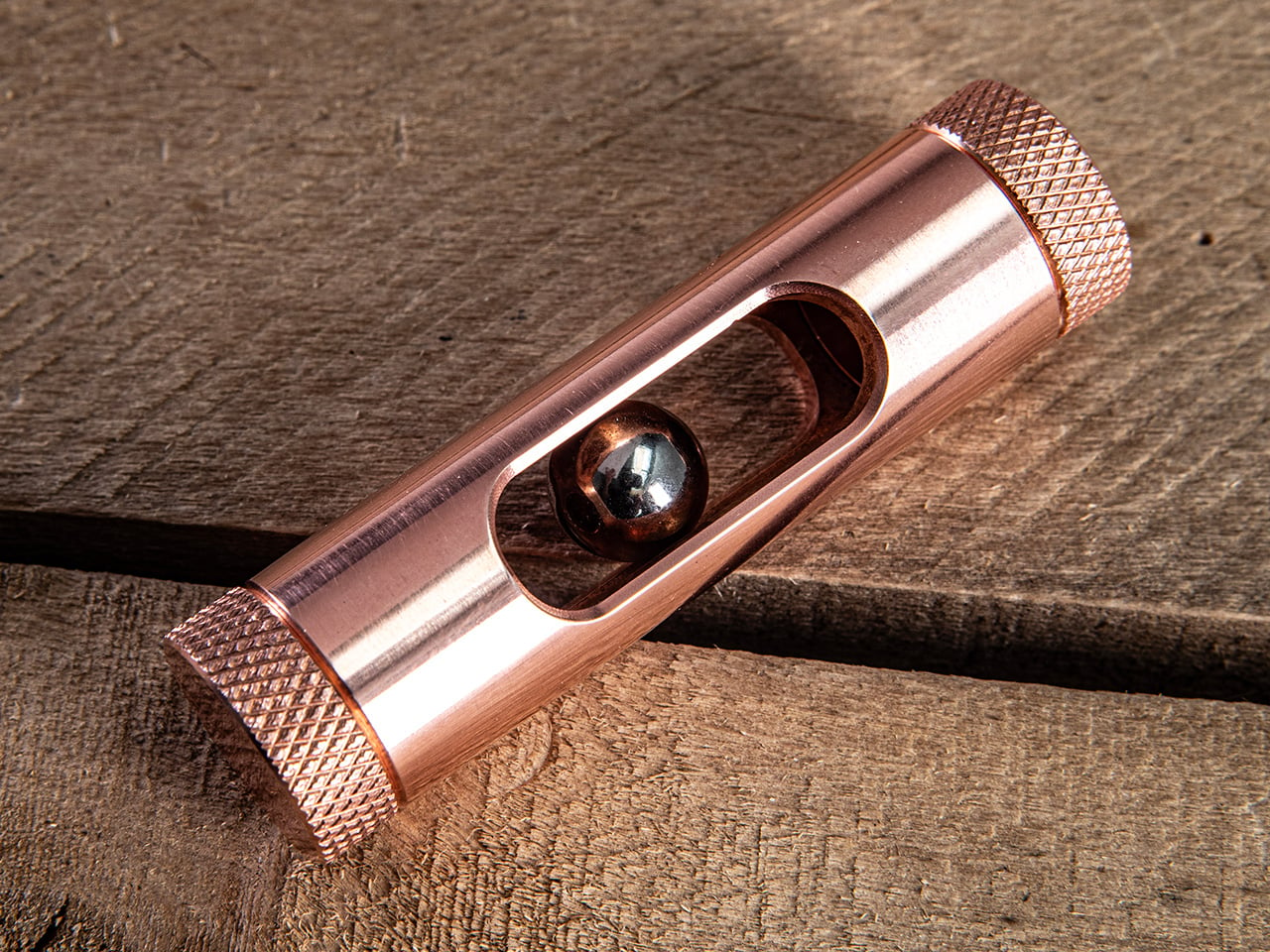
Picking the object up for the first time reveals a physical presence that makes immediate functional sense. Standing just under three inches tall, measuring less than an inch in diameter, and weighing a modest three ounces, the cylinder possesses enough physical heft to feel substantial and satisfying in the hand without weighing down a pocket or crowding a workspace. Knurled caps threaded onto both ends provide fingers with a secure, tactile grip, while the smooth, brushed middle section offers a pleasing textural contrast against the grip rings. It is precisely this level of thoughtful detailing that separates a fleeting novelty toy from an enduring object of industrial design.
To protect the investment in aesthetics, a specialized passivated surface finish is applied to the exterior, keeping the copper looking freshly machined for much longer by slowing down the natural oxidation process that typically dulls exposed copper within weeks of handling. While the Eddy will still naturally age over time, developing a unique character and patina the way copper inevitably does, it will not require constant, laborious polishing to stay presentable on a desktop. It is a small, easily overlooked detail in the grand scheme of the product, but it demonstrates that the designers considered the user experience far beyond the initial prototype stage.
Perhaps the most understated aspect of the design is its complete acoustic silence. There is no sharp click, no metallic rattle, and no heavy thud when the magnet finally reaches the resting point at the bottom of the cylinder—just quiet, smooth motion. Flipping the device over initiates the slow-motion drop all over again, and before long, that one-handed inversion transforms into a subconscious habit performed between answering emails, reviewing documents, or listening in on conference calls. It functions less like a frantic fidget toy and more like a calming, five-second mental reset button that happens to double as high-end desk decor.
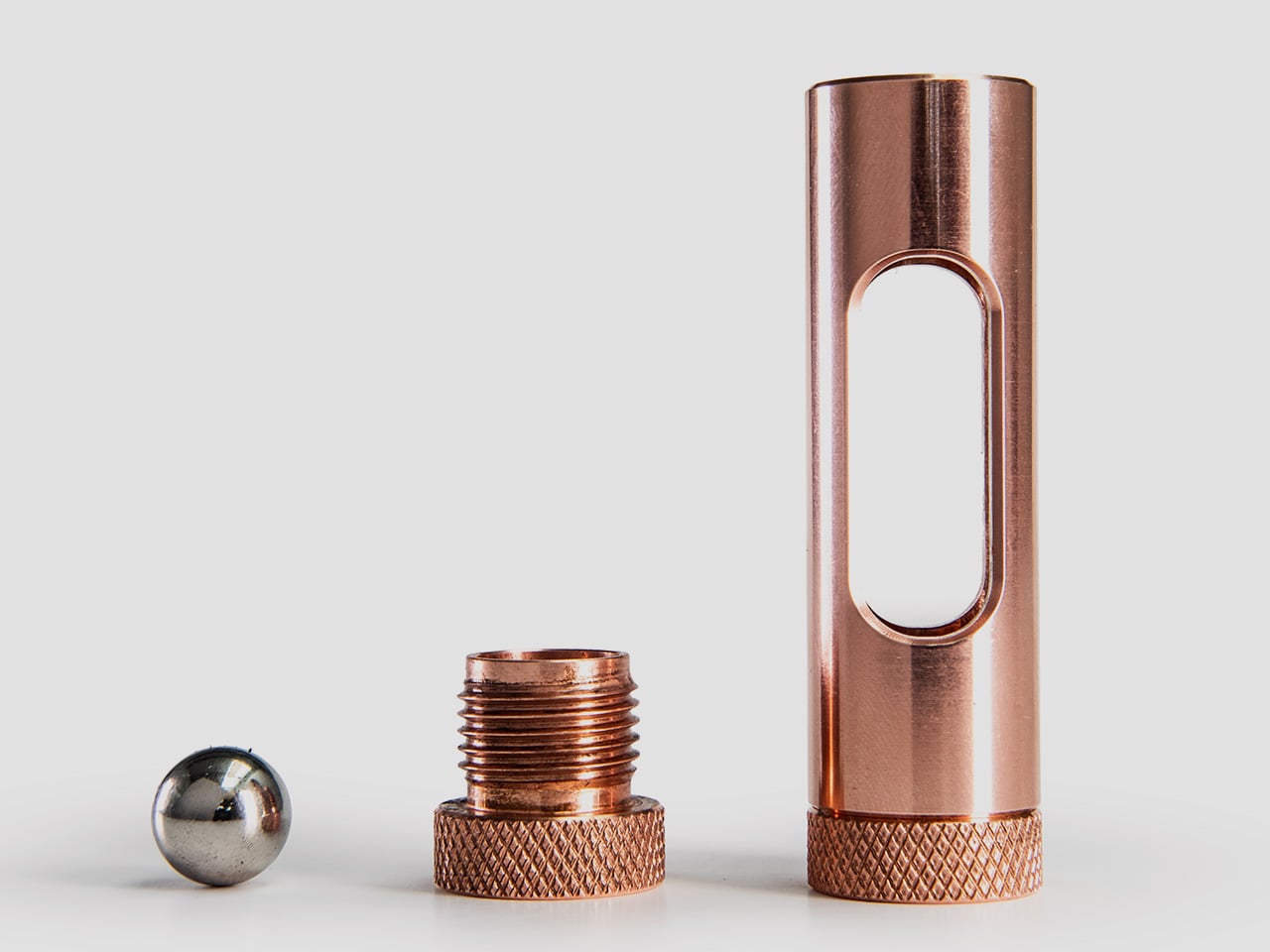
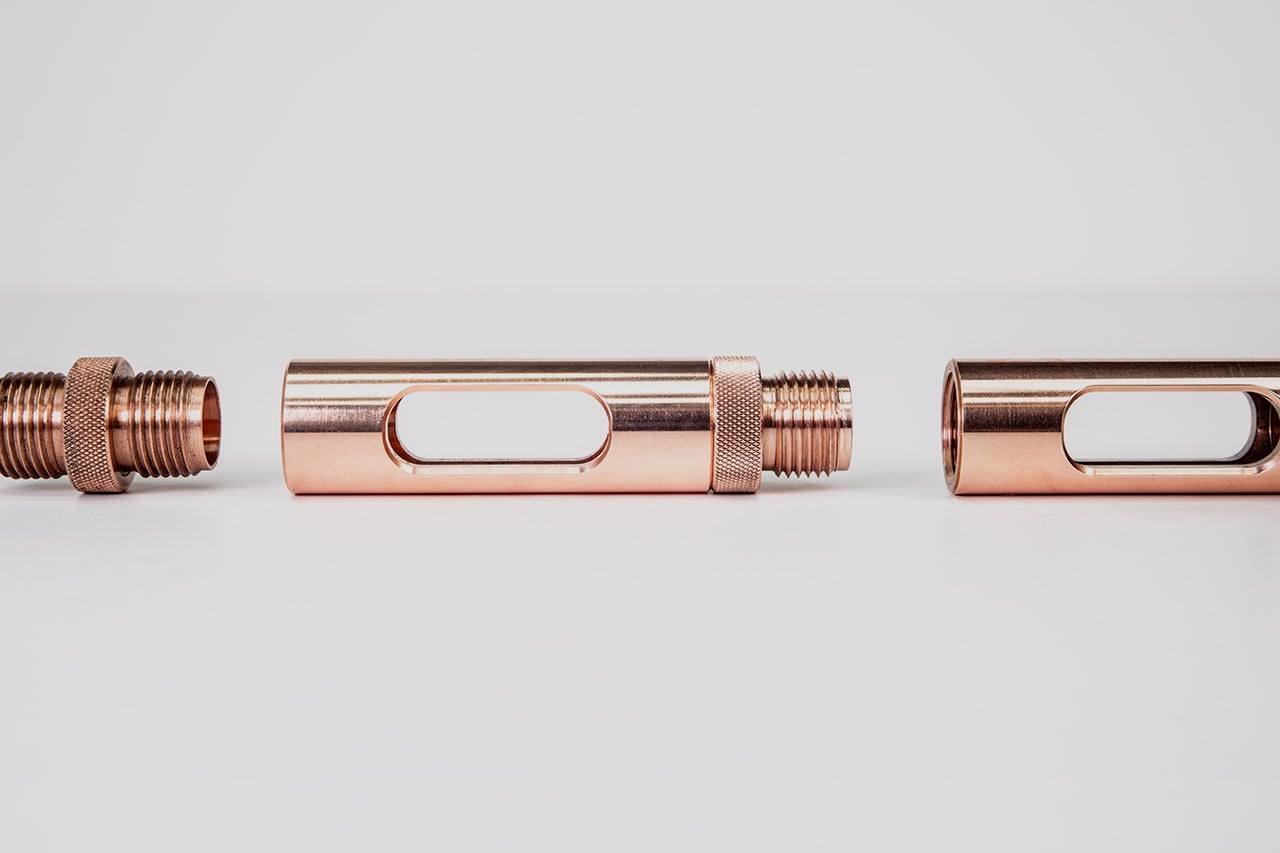
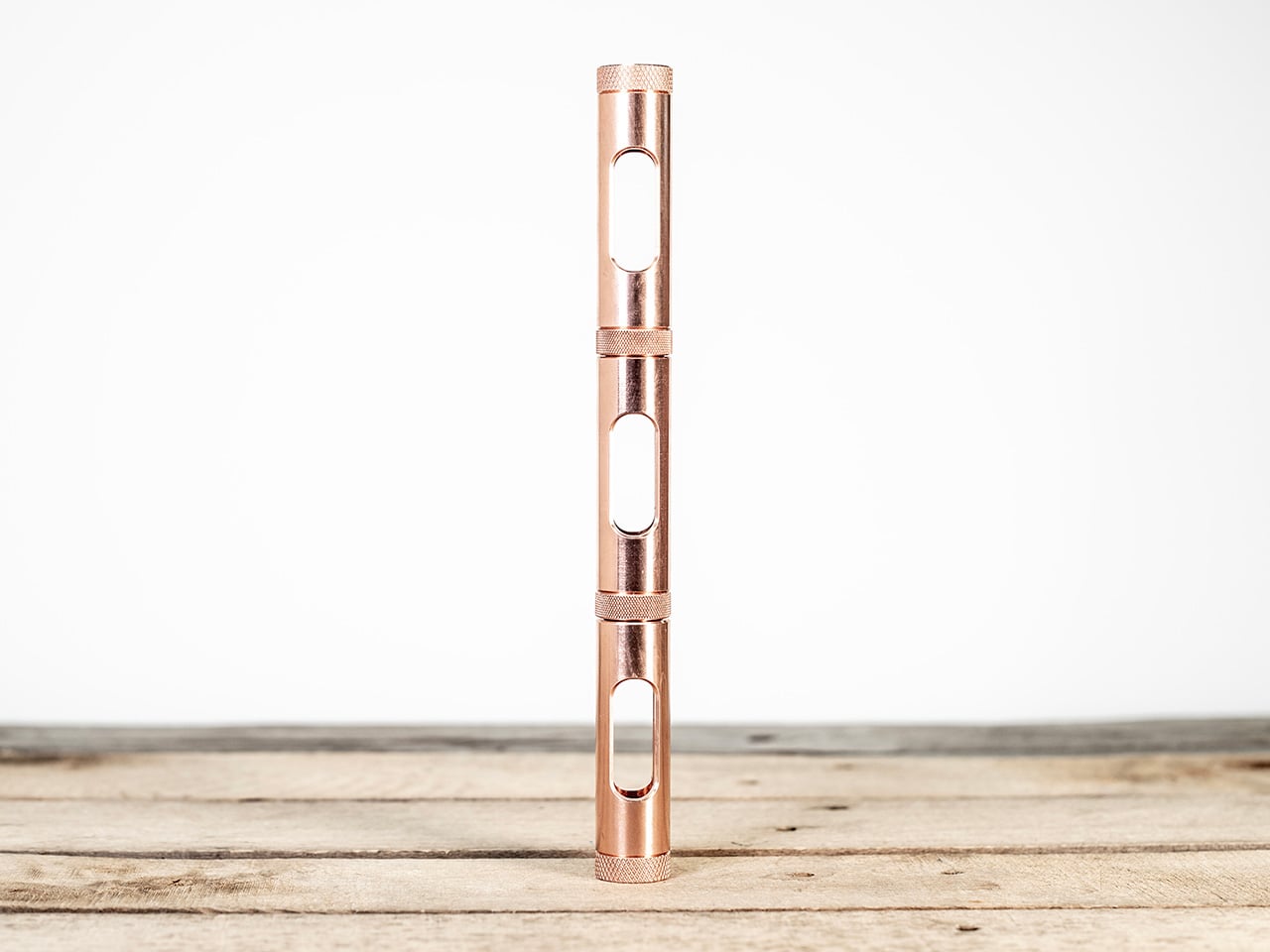
An elongated, precision-cut viewing window running down the side of the tube allows observers to clearly watch the magnet fall rather than having to guess at the invisible forces at work inside, and that unobstructed visibility is what makes the visual trick truly land with audiences. Unscrewing either of the threaded end caps reveals alternative ways to interact with the system, allowing users to catch and release the ball manually. For those seeking an even more dramatic demonstration, a small, precision-machined coupling piece allows two separate copper tubes to be threaded together end to end, instantly doubling the drop length without altering any of the underlying electromagnetic physics that govern the descent.
Some desktop objects require lengthy explanations or instruction manuals before anyone can truly appreciate their value. The MetMo Eddy requires no introduction whatsoever. Handing the device to a colleague, letting them drop the magnetic sphere just once, and watching their eyebrows lift in surprise as the ball defies intuitive expectations of speed provides immediate proof of its appeal. That sense of wonder does not wear off with repetition, offering a testament to the enduring power of a brilliant physical concept executed with exceptional copper craftsmanship and hand-finished precision.