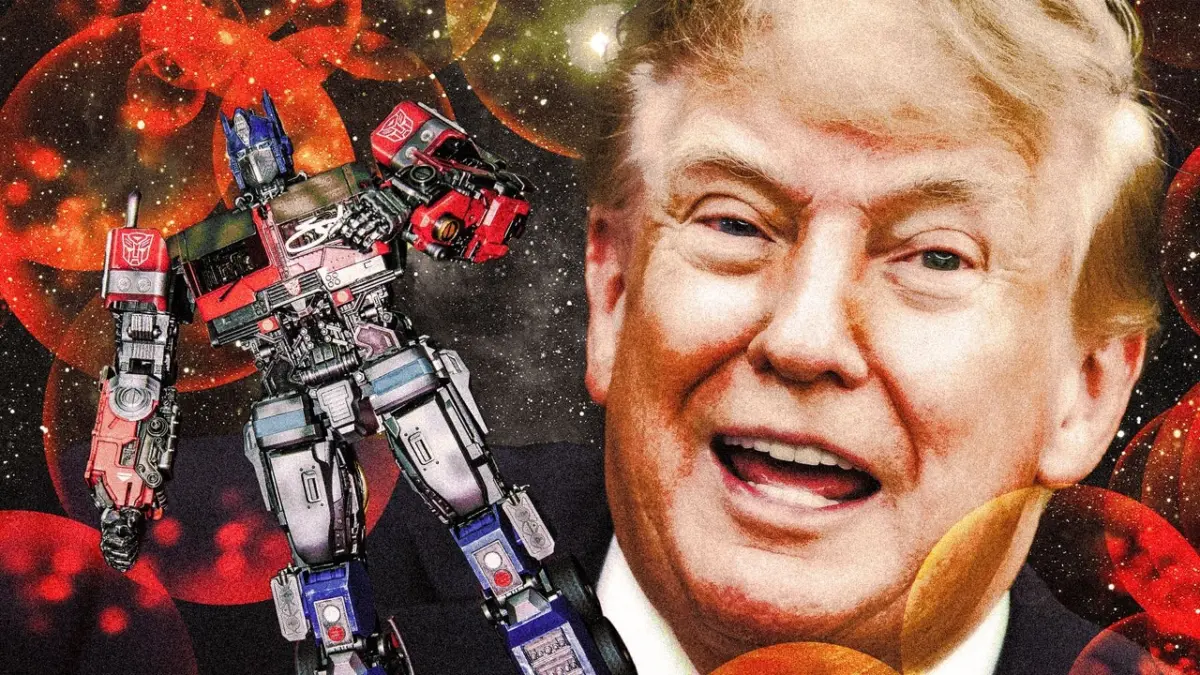
In one particular digital entry distributed across the platform formerly known as Twitter, the franchise’s most iconic and universally recognized leader, Optimus Prime, was prominently featured plastered with official Department of Homeland Security logos. The imagery was generated as part of an artificial intelligence-produced poster meant to promote a nonexistent cinematic blockbuster bearing the provocative title Transformers: Age of Deportation. The unauthorized use of corporate iconography and globally recognized characters immediately drew attention, setting off a rapid chain of events that forced the rights-holding toy manufacturer to step in and publicly defend its premier property.
Hasbro responded swiftly to the unexpected campaign, taking to Instagram to issue a formal message explicitly disavowing what it characterized as brazen copyright infringement. However, the company’s response did not stop at a simple legal warning regarding intellectual property rights. In its public statement, Hasbro went a step further by outlining the core values that the fictional character Optimus Prime is intended to stand for, subtly suggesting that these foundational principles are in direct and stark conflict with the political ideas expressed by the government agency’s digital promotional material.
The bizarre spectacle highlighted a surreal cultural moment: a major multinational toy and entertainment corporation found itself publicly announcing that the fictional robot truck it created actually believes in timeless virtues such as leadership, compassion, and justice—qualities that the company playfully noted appeared to stand in distinct contrast to the messaging emanating from the federal agency. It is certainly not an everyday occurrence that a corporate entity must formally clarify that its fictional characters possess a moral compass that outshines the communications strategy of the United States government.
If this type of corporate pushback feels strangely familiar to observers of contemporary media and politics, it is because a nearly identical scenario played out just a week prior, establishing a bizarre precedent for brand management in the current political climate. Following the launch of a jingoistic retro online arcade by the White House—a digital platform that notably featured a controversial Tetris knockoff bearing the title "Build the Wall"—the corporate entity responsible for managing the classic moving puzzle game felt compelled to issue a statement nearly identical in tone and purpose to the one later released by Hasbro.
That initial corporate dispatch similarly distanced its globally beloved intellectual property from the White House’s unlicensed and politically charged digital offering. Just like Hasbro, the puzzle game’s stewards reiterated the core values that Tetris stands for as a universal unifier of global players, but with the added and more aggressive step of promising impending legal action to protect its brand integrity. The pressure proved effective, as the White House subsequently removed the "Build the Wall" video game from its digital platforms following the brewing copyright controversy and widespread public scrutiny.
As the official internet presence of the United States government has evolved and morphed through the political landscape of the second Trump administration into a sneering, meme-focused operation largely indifferent to traditional copyright conventions and intellectual property boundaries, major global brands have suddenly been forced to develop an entirely new playbook and style of corporate communications. Managing public relations in an era where federal agencies adopt the tone and tactics of internet meme-makers requires a delicate balance of legal firmness, public diplomacy, and brand protection that corporate legal teams could scarcely have anticipated a few years ago.
Dealing with unauthorized usage by individual consumers or small-scale creators is a routine part of modern intellectual property management, but contending with federal departments appropriating marquee characters for partisan or politically charged campaigns represents an unprecedented challenge. Companies must weigh the risks of appearing overly litigious against the necessity of defending the integrity of their fictional universes from being co-opted into real-world political debates. For franchises like Transformers, whose characters are marketed toward global audiences of all ages, maintaining a neutral, universally appealing identity is paramount to their commercial success and cultural legacy.
As these recent high-profile clashes demonstrate, the intersection of government communications, artificial intelligence generation, and corporate intellectual property has entered uncharted territory. With federal digital channels increasingly utilizing pop culture icons and AI-generated media to push specific political narratives, the traditional boundaries separating government messaging from commercial pop culture have blurred significantly. For corporate legal and marketing departments alike, the lesson from these recent digital skirmishes is clear: in an online environment driven by viral memes and rapid-fire political messaging, even the most legendary defenders of justice from distant planets may need corporate protection to ensure their values remain untainted by real-world politics. There is, as industry observers and fans alike have noted, far more to this unfolding situation than simply meets the eye.