Every creative professional has harbored a variation of the same universal nightmare: a lifetime’s body of work vanishing into thin air in a single, catastrophic moment. Whether it manifests as precious photographic negatives consumed by raging flames, a catastrophic hard drive failure, or cloud storage that evaporates into the digital ether, the resulting agony and sense of permanent loss are nearly unbearable. Fortunately, for most people, these scenarios remain nothing more than unsettling nighttime anxieties.
However, for the celebrated Jewish portrait photographer Philippe Halsman (1906–1979), this nightmare became an absolute reality. When German military forces invaded France in the harrowing spring of 1940, Halsman was living and working in Paris, watching the geopolitical landscape fracture around him. Rather than waiting to see what the occupying forces would bring, he recognized the immediate danger and resolved to escape before it was too late.
Halsman was certainly no stranger to severe adversity and political turmoil long before the horrors of World War II engulfed Western Europe. Born in Riga—situated in a region of the former Russian Empire that later became Latvia—he faced a staggering trauma at just 22 years old. While hiking in Tyrol, Austria, a region deeply affected by rampant antisemitism at the time, he was wrongfully accused of murdering his father. This miscarriage of justice resulted in a grueling two-year imprisonment that tested his resilience to its absolute limits.
Therefore, when the Nazi regime marched into France, Halsman knew he had to act swiftly and decisively. He fled Paris carrying virtually nothing save for his trusted camera and a mere 12 finished prints, leaving behind his entire foundational archive of pre-war photography, which was widely presumed to have been destroyed or lost forever in the chaos of the invasion.
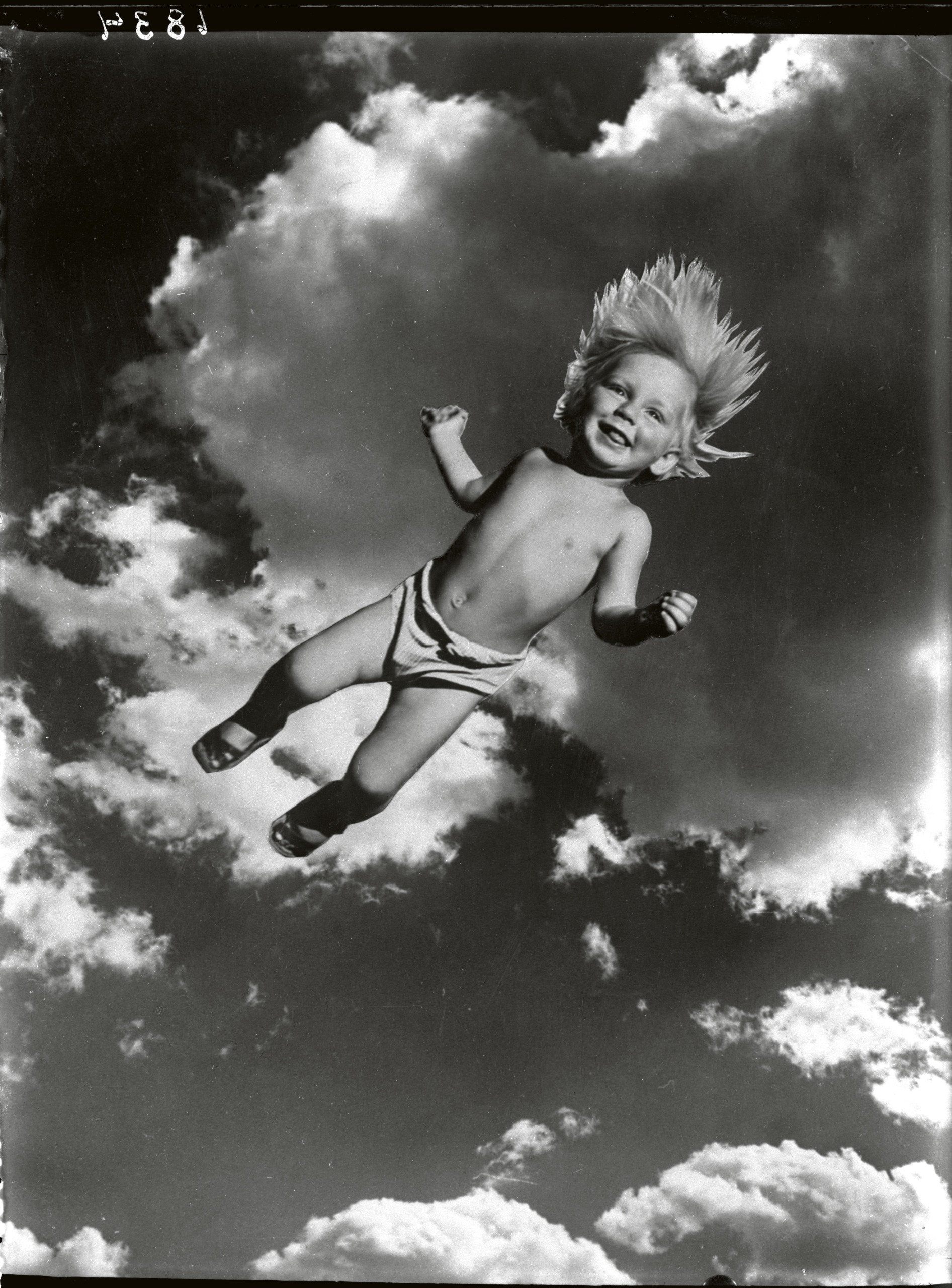
Despite this devastating early setback, Halsman went on to forge an extraordinary career, cementing his legacy as one of the most inventive and celebrated portrait photographers of the 20th century. Operating primarily out of New York City after his relocation, he became universally famous for his whimsical yet technically demanding series of celebrity portraits captured entirely in mid-air—a concept he playfully dubbed "jumpology."
An astonishing roster of cultural icons willingly agreed to leap for Halsman’s lens, including surrealist master Salvador Dalí, screen legend Marilyn Monroe, comedian Groucho Marx, and the Duke and Duchess of Windsor. Yet, while his mid-air portraits and his record-breaking 101 Life magazine covers became legendary symbols of post-war American culture, the sophisticated imagery he crafted during his formative years in pre-war Paris remained missing, seemingly consigned to history’s tragic bonfire.
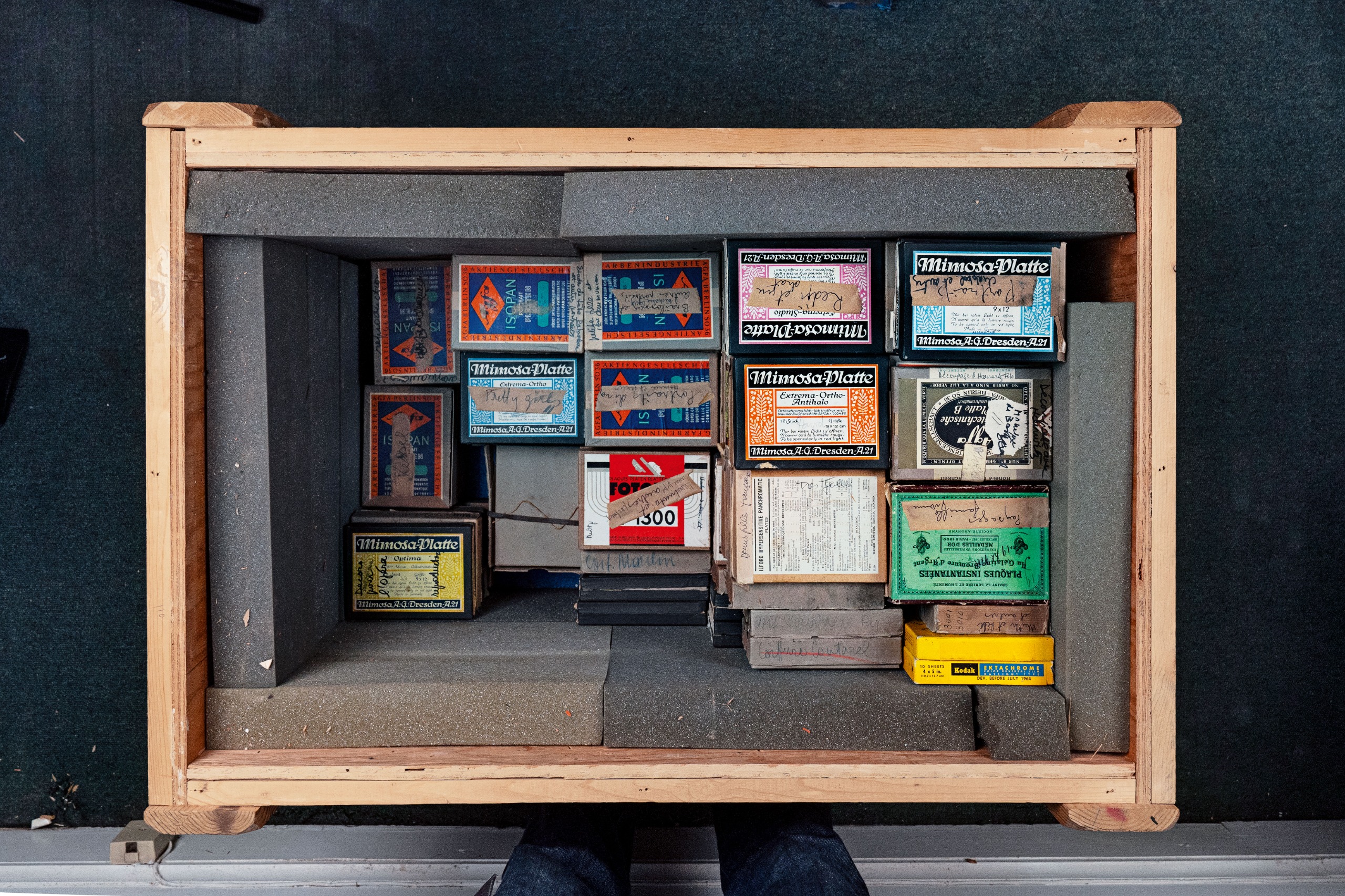
As it turns out, however, those early works were not entirely destroyed. A crate containing invaluable glass-plate negatives had miraculously survived and was eventually returned to his estate after the conclusion of the war. Despite their recovery, the crate sat largely ignored and unexamined for decades, remaining untouched even through the remainder of Halsman’s life until his passing in 1979. It was not until 2006—more than a quarter-century after the photographer’s death—that his grandson, Oliver Halsman Rosenberg, finally rediscovered the long-forgotten box, unlocking a frozen chapter of photographic history.
Now, esteemed publisher Thames & Hudson has gathered the finest examples of these recovered pre-war images into a comprehensive new volume titled Philippe Halsman: The French Crate. The publication offers contemporary art lovers, historians, and photography enthusiasts a remarkably rare opportunity: an intimate look at the experimental formative years of a major master before international fame found him.
Solving the Mystery
The roots of Halsman’s lifelong artistic obsession can be traced back to 1931, when he made the bold decision to drop out of engineering school in order to pursue photography on a full-time basis. Influenced heavily by the psychological depth and philosophical explorations of Russian novelist Fyodor Dostoevsky, Halsman set out with his camera to investigate what he eloquently described as "the mystery of another human being."
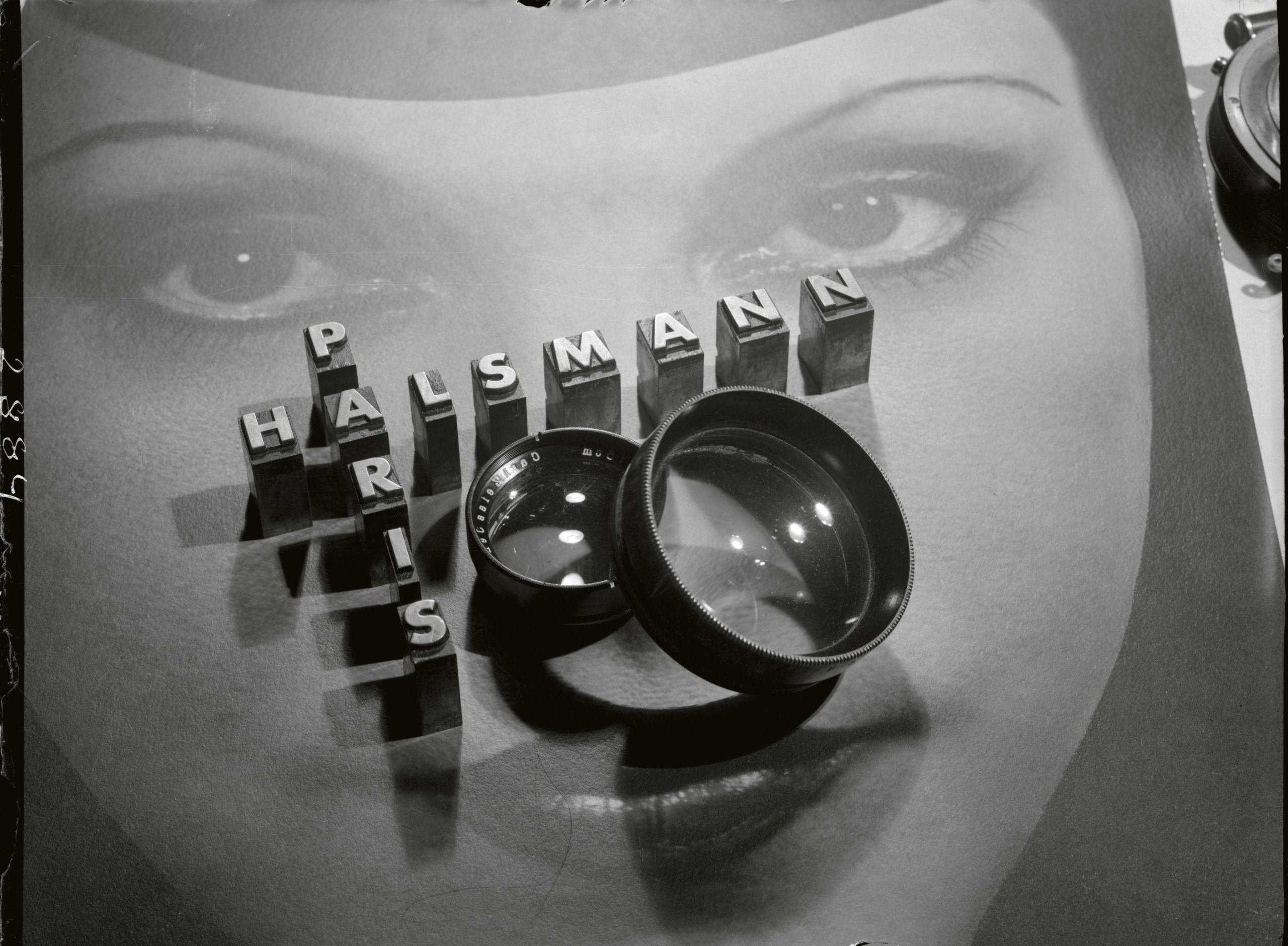
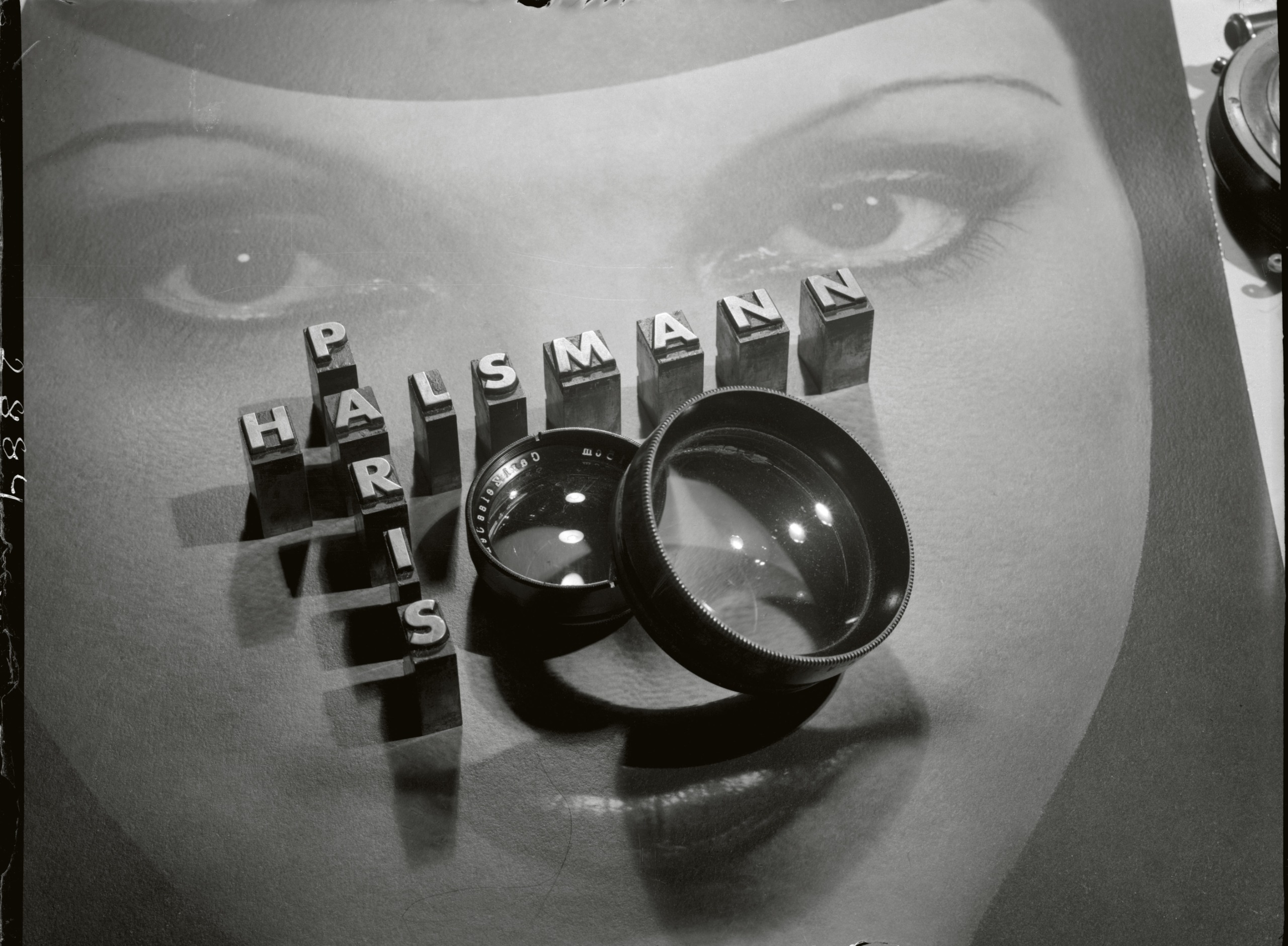
The newly rediscovered images preserved within the French crate primarily consist of traditional studio portrait sittings from that Parisian era. Yet, even when working within the constraints of standard commercial studio setups of the early 1930s, Halsman’s innate eye for striking asymmetry and unguarded human expression shines through brilliantly.
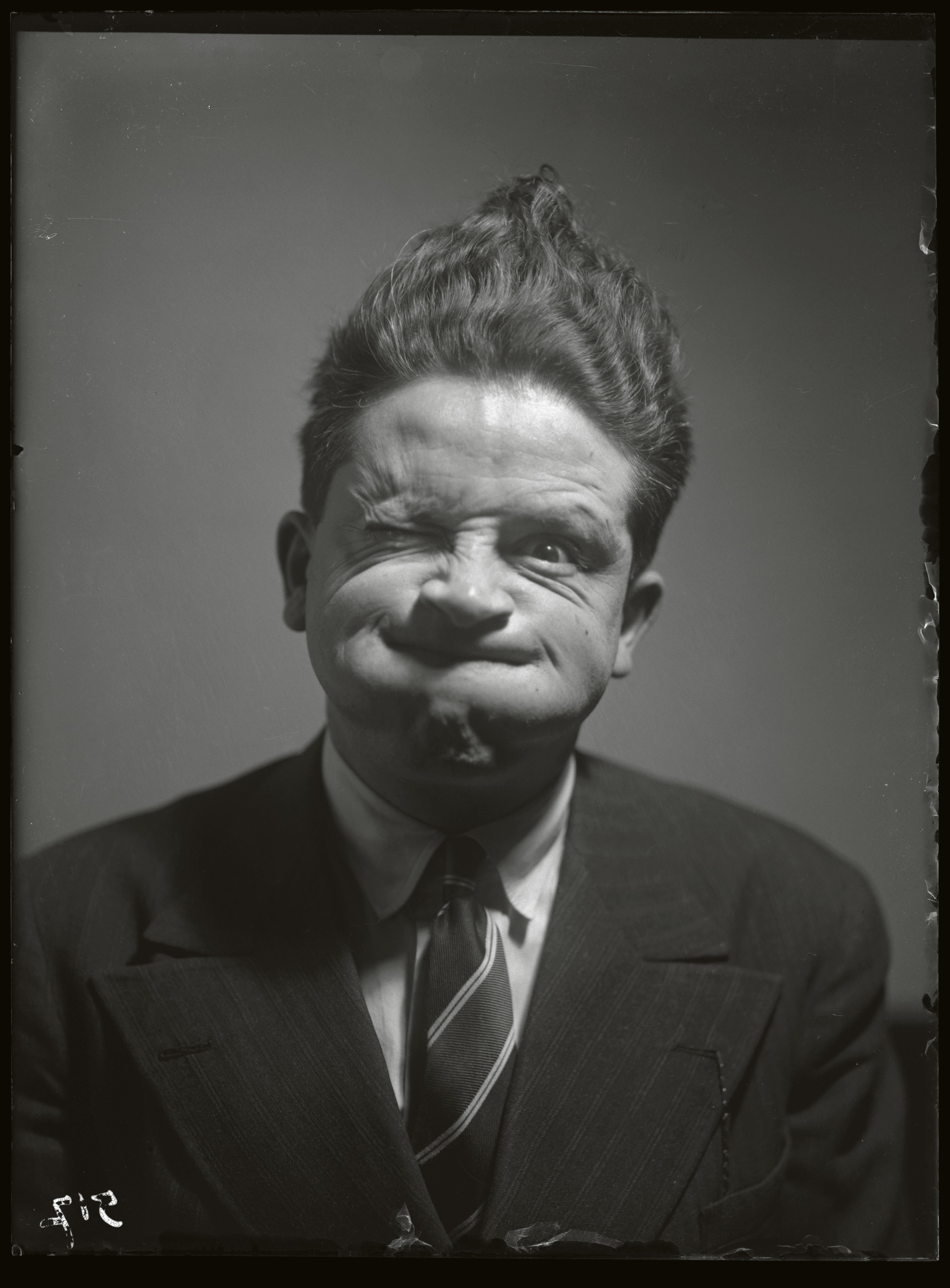
One standout portrait captures a sitter caught right in the middle of a spontaneous grimace, where the eyes are not quite symmetrically aligned and the mouth is pulled into a complex expression hovering somewhere between a genuine smile and a nervous wince. This unflinching approach to human emotion stood worlds apart from the heavily retouched, flattering symmetry that standard 1930s studio photographers typically sold to their paying clientele.
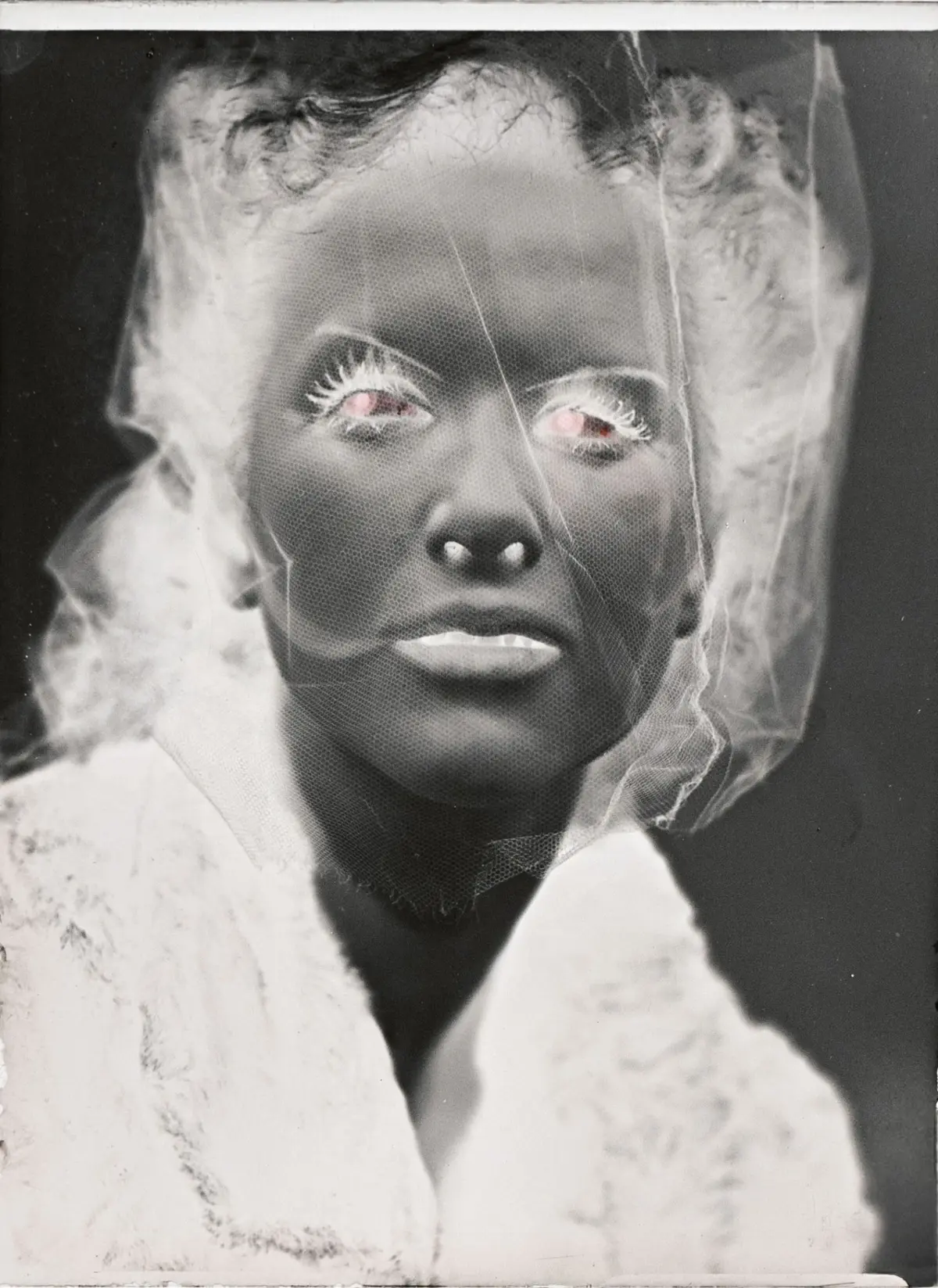
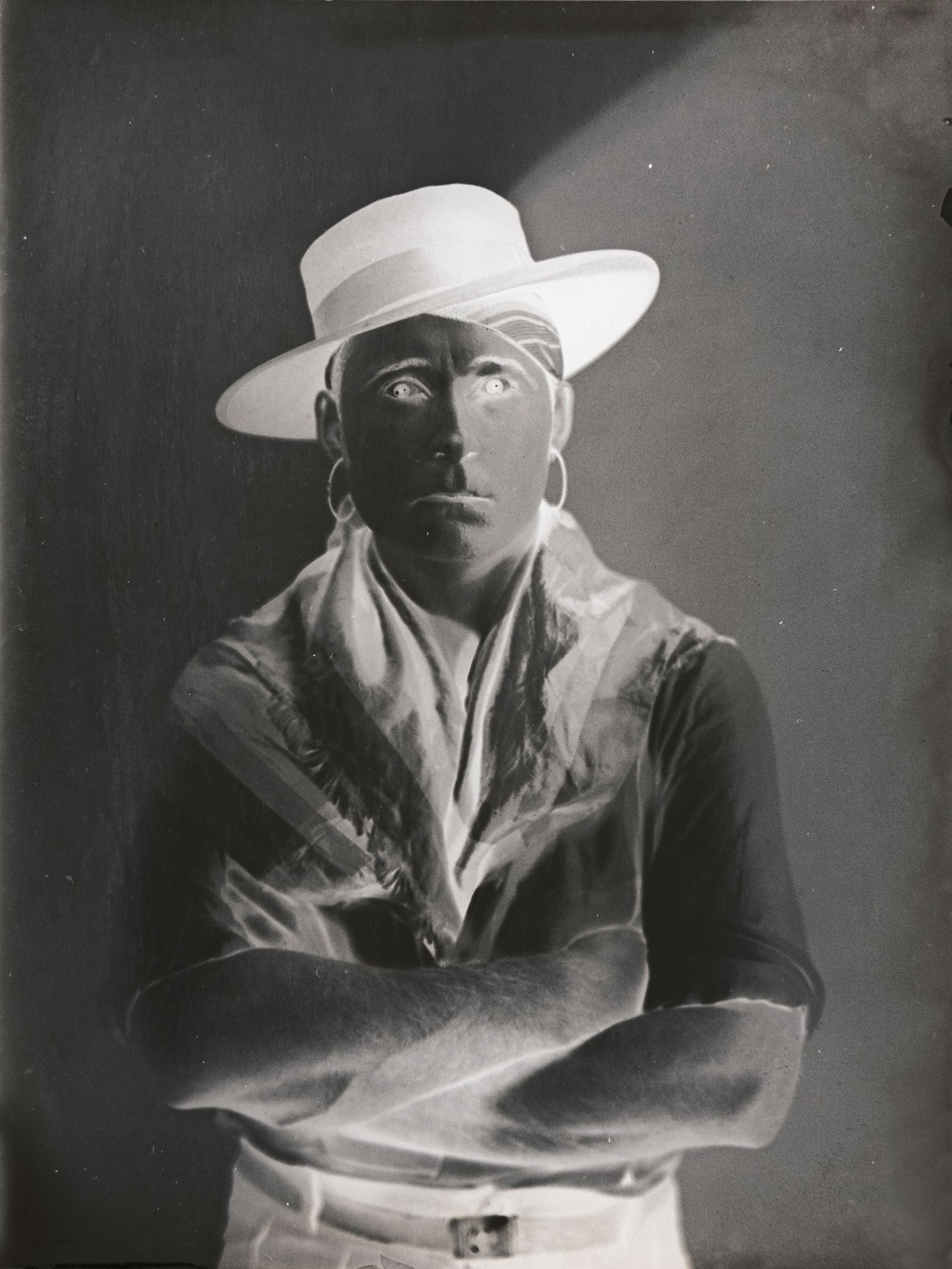
Furthermore, Halsman demonstrated an astonishingly forward-thinking approach to technical experimentation, particularly through his early explorations of double-exposure photography. Several of the recovered glass plates layer a sitter’s face delicately beneath sheer fabric, lace, or veiling, creating an ethereal, haunting effect where their eyes appear to glow mysteriously in the areas where the successive exposures overlap on the emulsion.
Career of Two Halves
Naturally, the visual and stylistic gap between these moody, experimental Parisian plates and Halsman’s later, high-energy American career is stark. Yet, that dramatic evolution is hardly surprising given the immense pivot required by his displacement and eventual reinvention across the Atlantic.
Following his harrowing escape from Europe—facilitated in part by the legendary physicist Albert Einstein, who helped him secure an emergency visa to relocate to New York in 1940—Halsman’s life and career entered an entirely new stratosphere. In the United States, he photographed Einstein himself, forged a legendary, decades-long creative partnership with Salvador Dalí that yielded surreal masterpieces, and photographed Marilyn Monroe at the height of her stardom. Most notably, he shot a staggering 101 covers for Life magazine, an unprecedented publishing record that remains unbroken to this day.
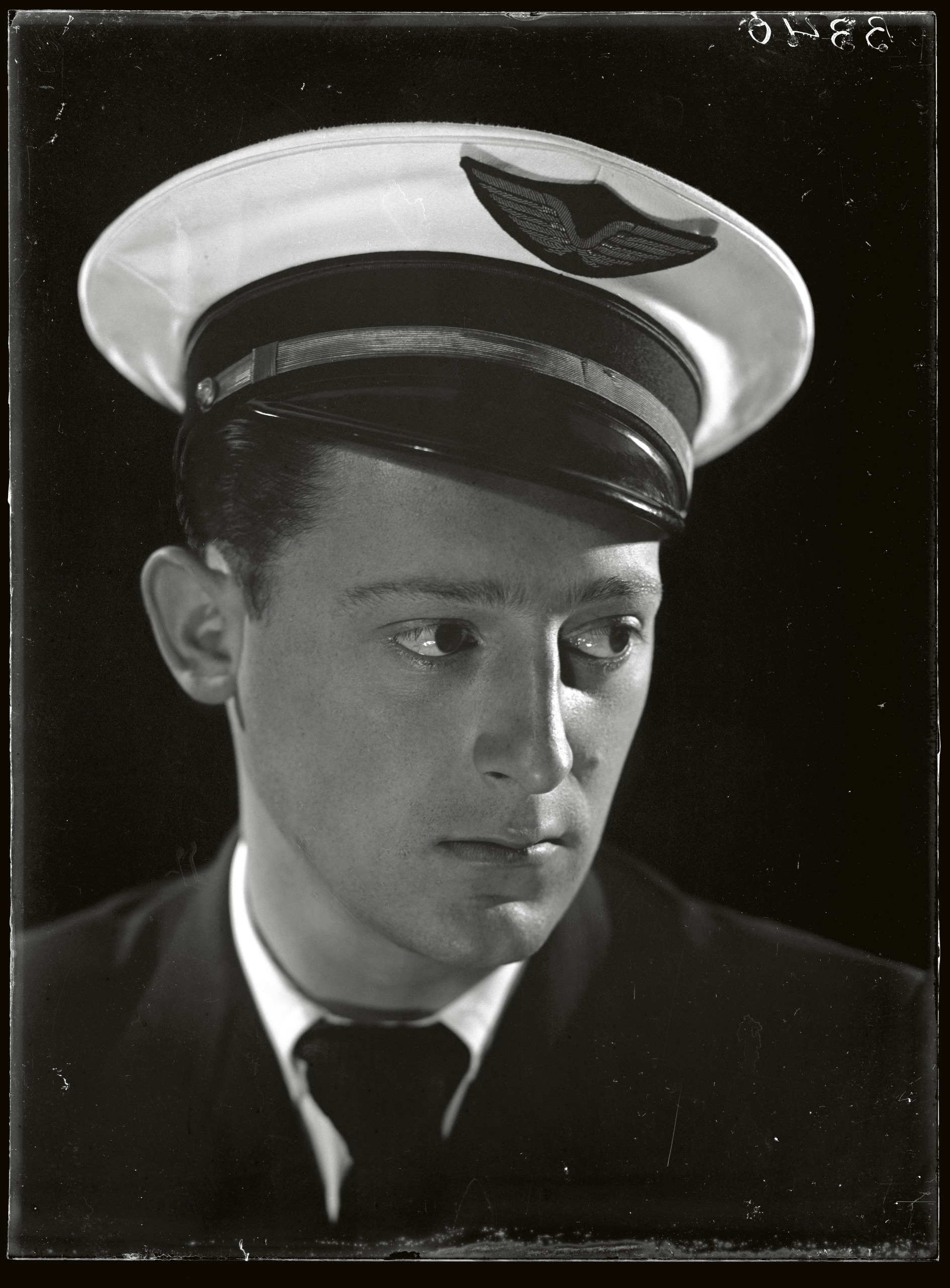
None of that monumental mainstream success is visibly present yet within the fragile glass plates recovered from the French crate. What is unmistakably visible, however, is the vital groundwork being laid brick by brick. These images reveal a young, ambitious photographer courageously testing ideas, probing the psychological depths of his subjects, and playfully pushing the boundaries of photographic technique years before the global art world ever started watching.
Philippe Halsman: The French Crate is scheduled for publication by Thames & Hudson on October 1, priced at $50 / £35, with pre-orders currently available for collectors. The hardcover volume spans 160 pages and measures 8.5 by 10.875 inches.