In the evolving landscape of interior design and smart home technology, the desire to seamlessly integrate digital displays into living spaces has never been stronger. For years, art enthusiasts and homeowners looking to elevate their interior aesthetics have gravitated toward specialized "Frame" televisions. These devices promise to blend into the background by displaying classical masterpieces or personal photography when not in use. However, despite their popularity, high-end frame televisions present several distinct drawbacks: they are relatively expensive, require professional mounting to conceal unsightly power cables, and are ultimately designed to dominate a single central location in a room, typically directly opposite the primary seating area.
For those seeking a more versatile, authentic, and understated way to display artwork, a new category of technology is gaining significant traction: the e-ink digital art frame. Leading this innovative shift is the Swiss company InkPoster, whose dedicated digital canvases offer a compelling alternative to traditional screens. With their entry-level Affresco model starting at $499, these devices are designed to prioritize artistic texture and placement flexibility over high-refresh-rate entertainment, marking a significant step forward in ambient home technology.
Why use an e-ink picture frame rather than a frame TV?
The fundamental difference between a traditional television and an e-ink art frame lies in how they interact with light and the surrounding environment. Standard televisions, even those optimized for displaying art, require a constant source of power and rely on active backlighting or edge-lighting to produce an image. This active emission of light means that even the most advanced matte-screen televisions emit a noticeable digital glow, particularly in low-light environments or during the evening. This glow immediately betrays the device’s identity as a television rather than a physical piece of art.
In contrast, e-ink technology is entirely reflective. Instead of projecting light outward toward the viewer, an e-ink screen reflects the ambient light already present in the room, mimicking the natural behavior of paper, ink, and canvas. This lack of active backlighting ensures that the displayed artwork remains understated and visually integrated into the room’s existing atmosphere, regardless of the time of day.
Furthermore, traditional televisions demand physical permanence. Due to their weight, power requirements, and primary function as entertainment centers, they are almost always mounted in fixed, highly visible locations. This setup often results in a massive black rectangle or a brightly lit digital canvas dominating the living space. An e-ink picture frame, however, offers unprecedented versatility. Because the technology only requires power when transitioning from one image to another, these frames can operate on battery power for extended periods. This eliminates the need for trailing cables, allowing homeowners to hang the frames in hallways, bedrooms, study corners, or as part of a larger gallery wall alongside traditional physical paintings and photographs.
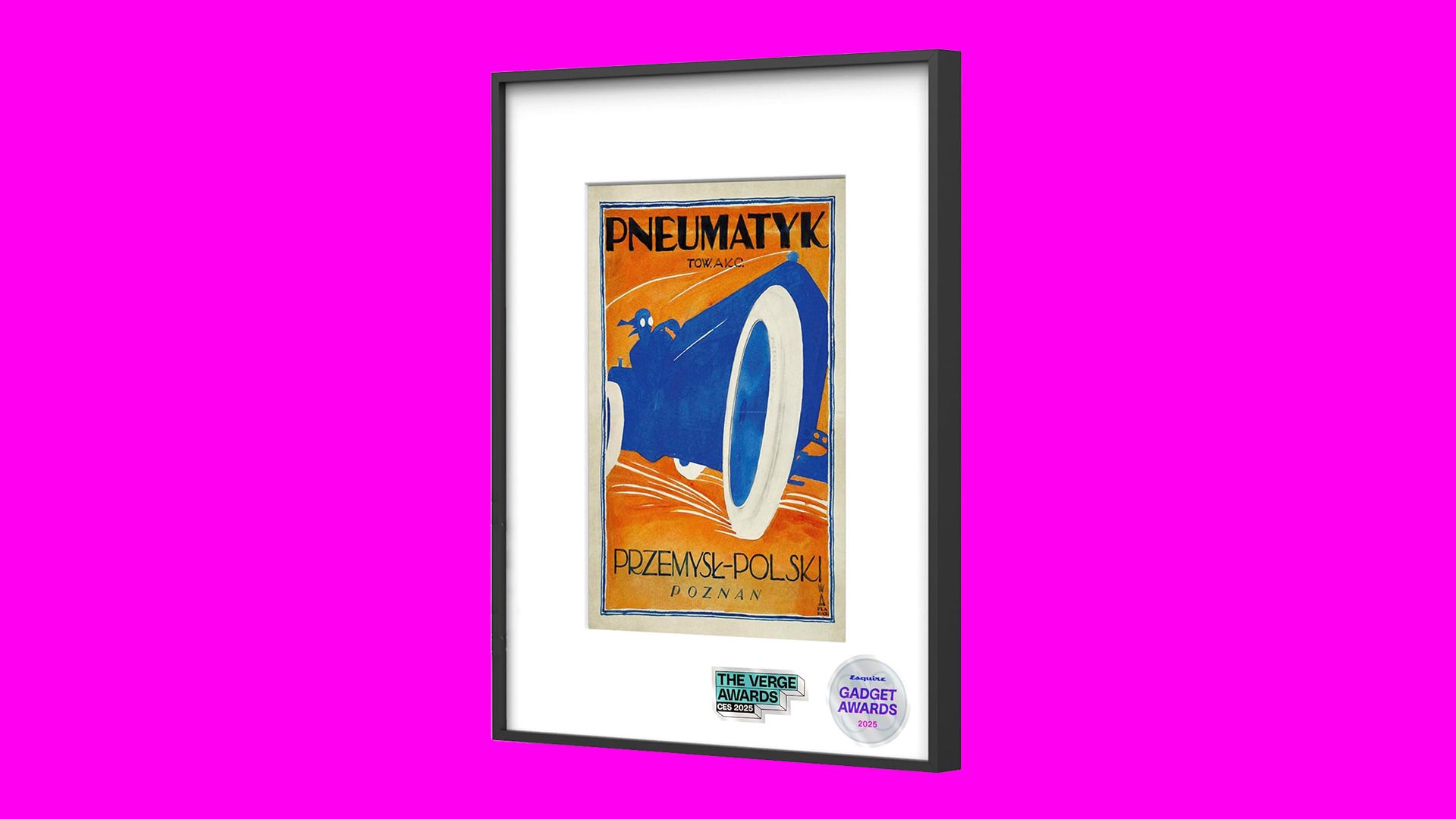
The Tactile Feel of a Physical Canvas
The physical construction of these e-ink frames further separates them from the rigid, metallic feel of consumer electronics. In evaluations of the 28.5-inch InkPoster Tela model, reviewers have noted that the device possesses the satisfying heft and build quality of a traditional gallery frame. Rather than employing the cold, rigid glass surfaces typical of modern television displays, the screen features a matte finish and a subtle physical flex that closely resembles stretched canvas.
This attention to material detail ensures that the artwork behaves like a physical print. When light from a window or a floor lamp hits the surface of the frame, it scatters naturally across the matte display, preventing the harsh glare and reflections that frequently plague high-gloss digital screens. The result is a presentation that feels distinctly analog, preserving the depth, texture, and character of the original artwork.
Seamless App Integration and Customization
Managing the artwork displayed on the frame is handled entirely through a dedicated, user-friendly mobile application. Upon initial installation, the frame must be connected to a power source to establish its settings and sync with the local network. Once this setup is complete, the frame can be unplugged and run entirely on its internal battery, allowing for clean, wireless placement anywhere in the home.
Through the accompanying app, users can browse a curated library of historical masterpieces, contemporary digital art, and classic paintings. Additionally, the platform allows users to upload their own high-resolution image files, such as family portraits, travel photography, or custom digital designs. To ensure the images fit the frame’s specific dimensions perfectly, the application includes built-in tools to crop, rotate, and resize files before transmitting them wirelessly to the display.
The Art of the Slow Transition
One of the most unique and satisfying characteristics of the InkPoster display is how it updates the image on screen. Unlike the instantaneous, jarring transitions of standard digital monitors, e-ink screens change images through a slow, deliberate process. This transition is a physical necessity of the technology, which relies on tiny microcapsules filled with charged color pigments that must physically shift positions to form the new picture.
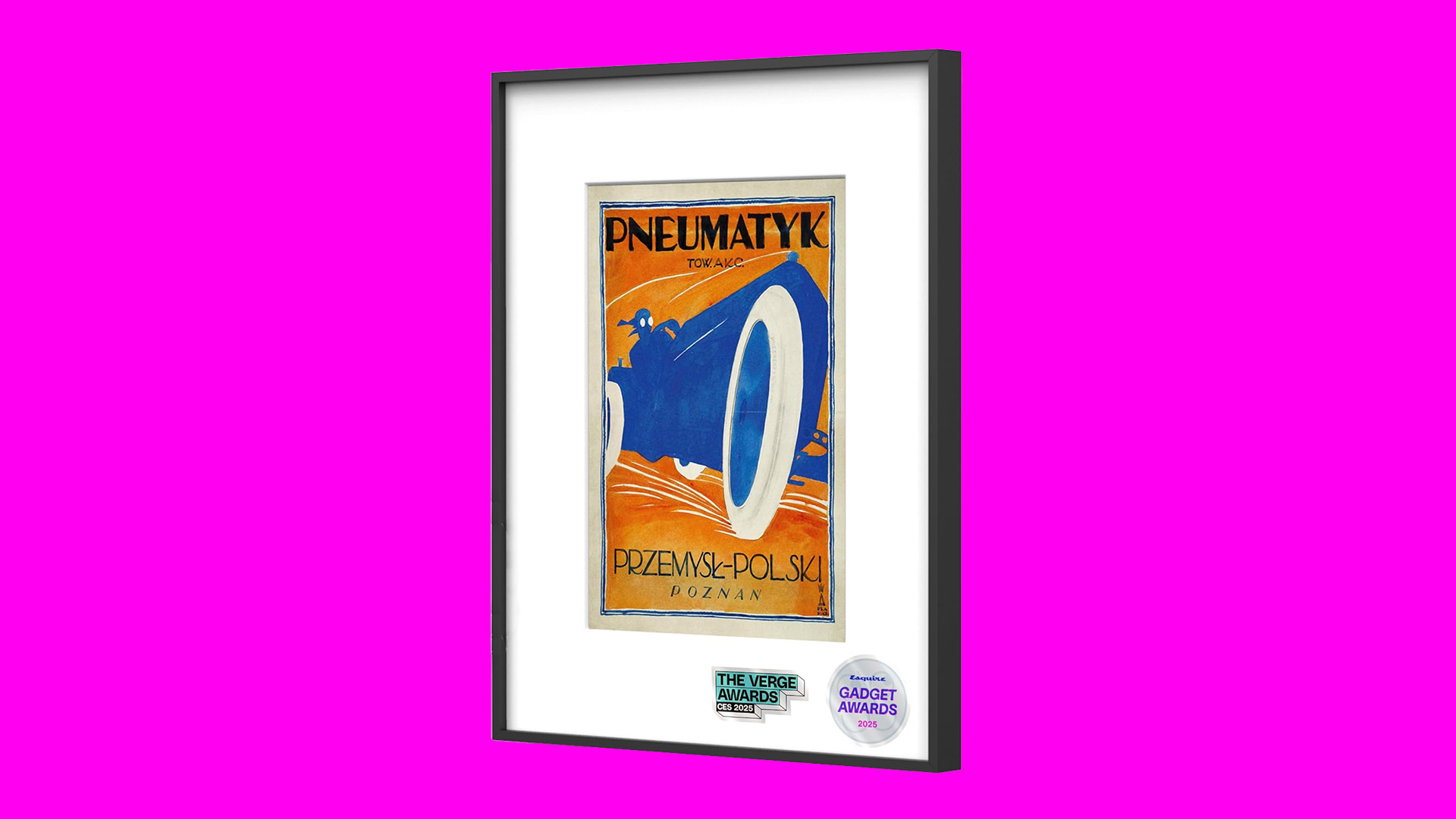
As a new image loads, the display undergoes a gradual, sweeping transition as the pigments rearrange themselves. This process mirrors the look of a physical printing press slowly applying ink to paper or an artist carefully bringing a canvas to life. Far from being a technological hindrance, this slow refresh rate is widely considered a key part of the device’s charm, adding a sense of physical craftsmanship and "slow living" to the digital experience.
A Versatile Range of Sizes and Premium Designs
To accommodate different spaces and interior design preferences, InkPoster produces its e-ink canvases in three distinct sizes, ensuring options for various mounting scenarios:
- The Affresco (13.3-inch): A compact model ideal for smaller spaces, such as bedside tables, bookshelves, or compact study walls.
- The Tela (28.5-inch): A versatile, mid-sized digital canvas that serves as an excellent focal point for living rooms, dining areas, or dedicated home galleries.
- The Affresco (31.5-inch): The largest model in the lineup, designed to make a bold artistic statement in spacious entryways or primary living areas.
For those looking to add an extra layer of luxury to their home decor, the mid-sized Tela model is also available in premium, designer-tier variations. These high-end configurations feature design accents developed in collaboration with the historic Italian design house Pininfarina. Known globally for its legendary automotive and industrial designs, Pininfarina’s influence on the Tela frame is evident in the inclusion of premium Alcantara passepartouts (mats). This soft, suede-like material adds a rich tactile border around the digital canvas, further bridging the gap between cutting-edge consumer technology and high-end, artisanal home furnishings.