In an era increasingly dominated by glowing screens, algorithmic feeds, and digital devices that constantly demand our attention, a quiet counter-movement continues to thrive around the simple, enduring pleasure of analog creative tools. Headquartered in Stockton, California, Blackwing has built its reputation on championing this tactile experience, offering writers, artists, and designers instruments that elevate the everyday act of putting graphite to paper. While the brand is well-known to creatives worldwide for its signature stationery, the intricate, multi-step journey required to bring a single pencil to life remains a masterclass in global manufacturing, precision craftsmanship, and dedication to quality.
To showcase this elaborate production cycle, the company recently released an inside look at its operations, detailing the meticulous process that transforms raw materials into a finished writing instrument. The journey begins thousands of miles away from the brand’s California headquarters, deep inside a series of specialized factories located in Japan. Known for their rigorous manufacturing standards and deep-rooted expertise in stationery production, these facilities are where the core identity of a Blackwing pencil is forged.

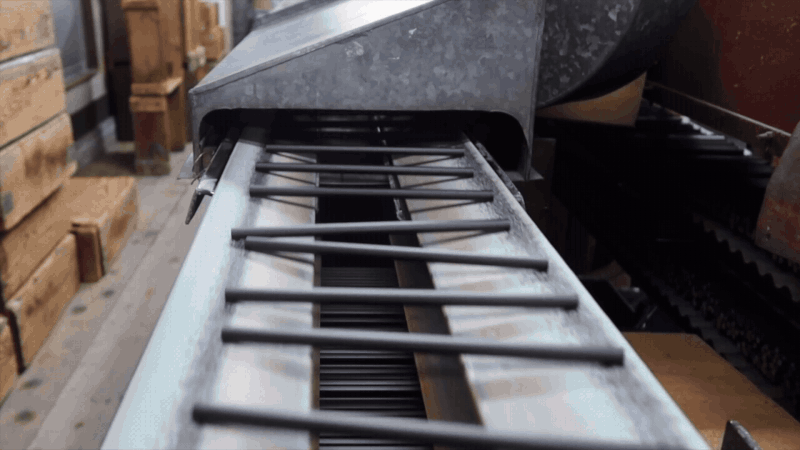
The process starts with the graphite core, the essential element that dictates how smoothly a pencil glides across a page and how well it holds a point. In the Japanese facilities, these cores are meticulously processed, combining finely ground graphite and clay in precise proportions before undergoing treatment. Once the cores are prepared, they are sent to a dedicated wood shop. Here, individual graphite rods are carefully sandwiched between wooden slats. This stage requires exact alignment and quality control to ensure the structural integrity of the final product.
Once the wood and graphite are securely bonded, individual pencils are sliced and trimmed to achieve their characteristic hexagonal shape. This iconic geometry is more than just an aesthetic choice; it provides a comfortable, ergonomic grip for artists and writers who spend hours sketching or drafting. However, the transformation is still far from complete once the basic shape is formed.
The semi-finished pencils are then transferred to yet another specialized factory, where the painting and labeling take place. This phase is critical to achieving the signature look and luxurious feel that users expect from the brand. Depending on the specific style and finish of the pencil, individual units can receive up to ten separate coats of lacquer. Each layer is applied, cured, and polished to ensure a flawless surface texture and a rich, durable color. This multi-layered coating process not only protects the wood underneath but also gives the pencil its distinctive weight and tactile warmth in the hand.

After the painting and labeling processes are finished, the journey shifts hemispheres. The instruments are shipped to the company’s facility in Stockton, California, where they undergo their final assembly steps. In Stockton, a proprietary machine developed specifically for the brand attaches each iconic rectangular eraser and its distinct metal ferrule to the top of the pencil.
Technology and automation play a role in securing the components, but the human element remains paramount at the end of the line. Before any batch is approved for packaging, every single pencil is inspected by hand by trained workers who check for structural flaws, finish imperfections, or alignment issues. Once the pencils pass this rigorous visual and tactile inspection, they are carefully boxed by the dozen, ready to be shipped out to creative studios, offices, and retail spaces around the world, including the Colossal Shop.
By shedding light on this transnational manufacturing pipeline, the brand highlights the immense amount of labor, engineering, and artistry that goes into an object so often taken for granted. In a marketplace flooded with mass-produced, disposable goods, the detailed choreography between the specialized factories in Japan and the finishing touches in California underscores why traditional tools continue to hold a vital place in modern creative practices.