The market for digital cameras designed to replicate the constraints, aesthetics, and unhurried experience of traditional film photography has grown substantially over recent years. Consumers increasingly look for alternatives to smartphone snapshots and overly complex mirrorless systems, turning instead to minimalist devices that encourage living in the moment. While popular models like the Flashback One35 V2 and the Camp Snap CS-Pro have successfully carved out niches by stripping away digital distractions, a new contender entering the space approaches the concept from an entirely different angle. Developed by Fotorgear—a brand widely recognized for its diverse ecosystem of smartphone photography accessories—the newly announced Campix combines retro digital constraints with unique hardware capabilities, including a waist-level electronic viewfinder and compatibility with modular add-on lenses.
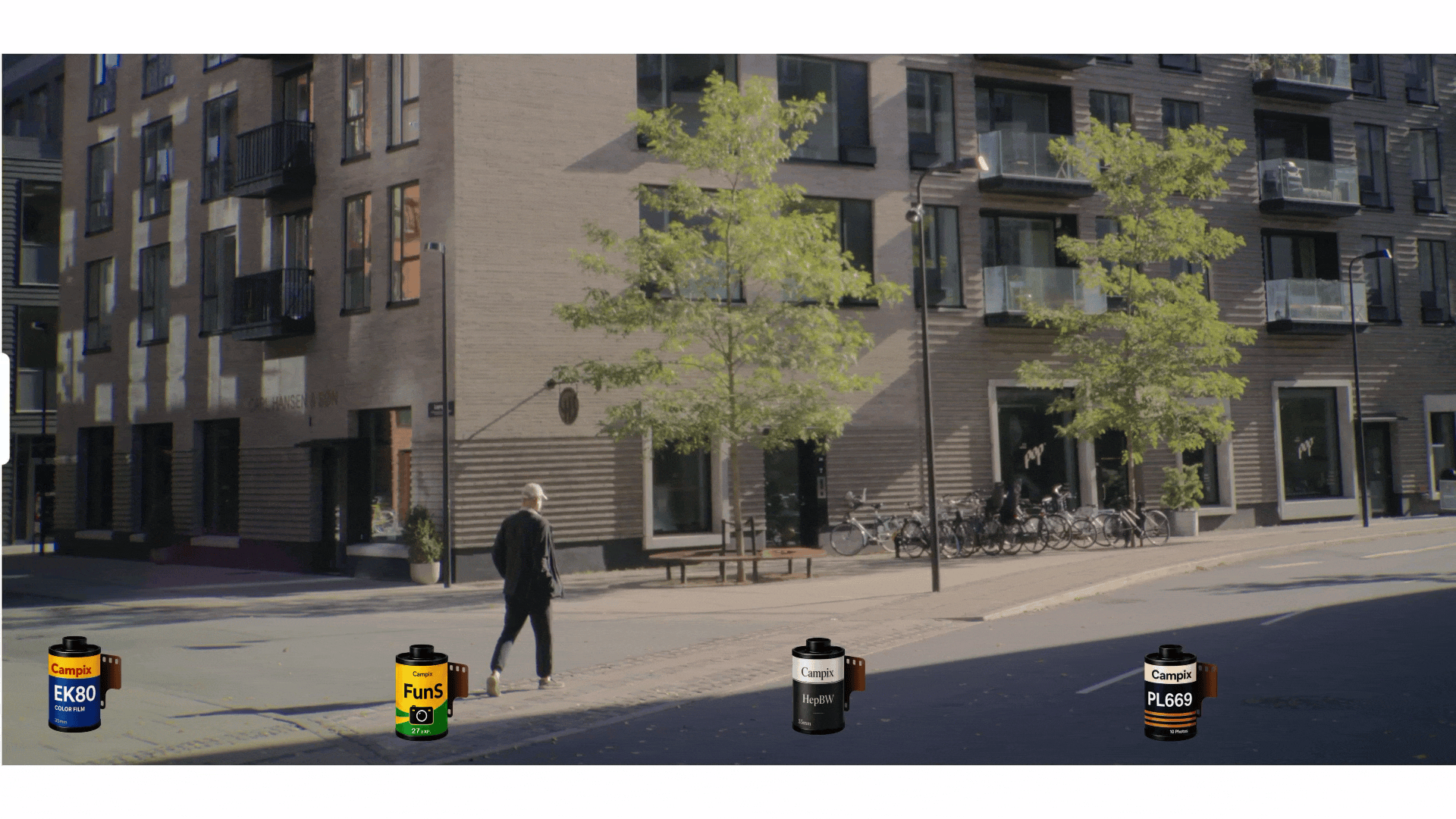
The Fotorgear Campix arrives as part of a burgeoning wave of "screen-free" and retro-styled digital compact cameras, yet it manages to distinguish itself through several unusual design choices. Like other contemporary cameras designed to unplug photographers from instant gratification, the Campix intentionally omits a playback mode, preventing users from immediately reviewing or deleting their captured images on the spot. Furthermore, it introduces a deliberate workflow constraint by shooting in virtual "rolls" of 36 exposures, subtly forcing photographers to slow down, compose more thoughtfully, and treat each digital click with the same intentionality required by a physical roll of 35mm film.
However, where many retro-inspired compacts rely solely on a basic point-and-shoot design with digital filters applied via firmware, the Campix incorporates features borrowed from both vintage mechanical cameras and modern mobile modular systems. Most notably, the device utilizes a waist-level finder. While this component is technically an electronic screen functioning as a waist-level electronic viewfinder rather than an optical mirror box, it aligns with the physical shooting posture of classic twin-lens reflex and modular medium-format cameras. Photographers look down into the housing to frame their subjects, maintaining a low-profile, unobtrusive stance that often changes the dynamic between the photographer and the environment.

Perhaps the most surprising aspect of the Campix is its lineage and lens compatibility. Because Fotorgear has built its reputation on manufacturing modular smartphone lenses, the company engineered the Campix to accept its existing lineup of T-mount mobile lenses. This structural decision introduces an unprecedented level of optical versatility to the retro compact category, allowing users to mount specialized external optics onto the camera to achieve macro, telephoto, or dramatic anamorphic effects.
Beneath its vintage exterior and modular exterior, the Campix relies on a compact Sony-made 13-megapixel 1/3.06-inch stacked CMOS sensor. While sensor size is intentionally modest—a common trait among retro digital cameras prioritizing portability and nostalgic rendering over pristine modern clinical sharpness—the device supports flexible shooting formats, capturing both JPEG and RAW files. According to Fotorgear, users who capture RAW files can re-process their images later using different film-inspired simulation profiles via companion software. Additionally, the camera supports creative techniques such as double exposures and custom look-up tables, giving enthusiasts room to experiment beyond simple point-and-shoot presets.
Transferring images from the Campix to other devices is handled via Wi-Fi or a physical USB-C connection, feeding into a dedicated mobile and desktop application ecosystem. Fotorgear has also released a selection of sample RAW files for prospective buyers, though reviewing these demonstration files currently requires downloading the dedicated Campix application.

The camera’s internal optics consist of a built-in 26mm equivalent lens utilizing a fixed-focus design. Because the focus cannot be adjusted manually or via autofocus, users must rely entirely on the inherent depth of field. This fixed-focus nature can occasionally introduce creative challenges, particularly when pairing the camera with certain add-on external lenses that alter the optical depth of field and working distances.
For exposure control, the Campix relies primarily on automated systems, yet it retains tactile mechanical elements that appeal to traditionalists, such as a physical rewind dial. Fotorgear has also managed to integrate a functional pop-up flash into the compact body, adding another layer of versatility for low-light or stylistic snapshot photography. Physically, the camera is exceptionally small and lightweight, measuring approximately 98mm or 3.8 inches across its longest dimension. The chassis is constructed from a hybrid blend of polycarbonate plastic and metal, finished with a sleek titanium coating that mimics the look of classic professional hardware.
Following initial development and prototyping, Fotorgear launched a crowdfunding campaign on Kickstarter to bring the Campix to production, successfully surpassing its original financial targets within days. Retail pricing is expected to hover around $209 once the camera officially hits the broader market, though early backers participating in the crowdfunding campaign have been offered significant discounts of up to 48 percent, with various bundles including the company’s signature modular lenses.