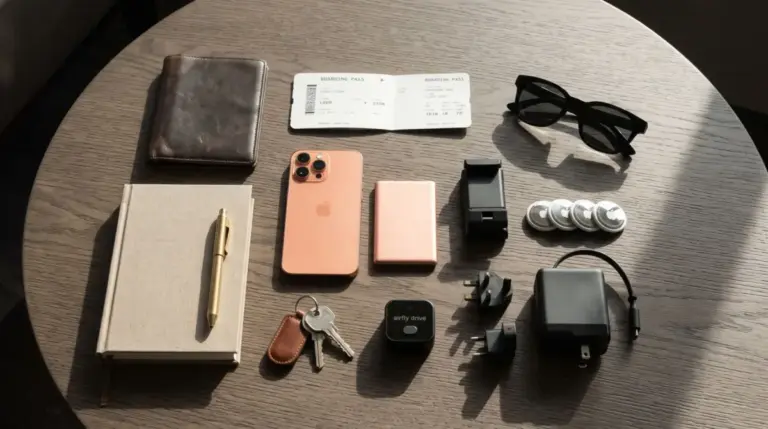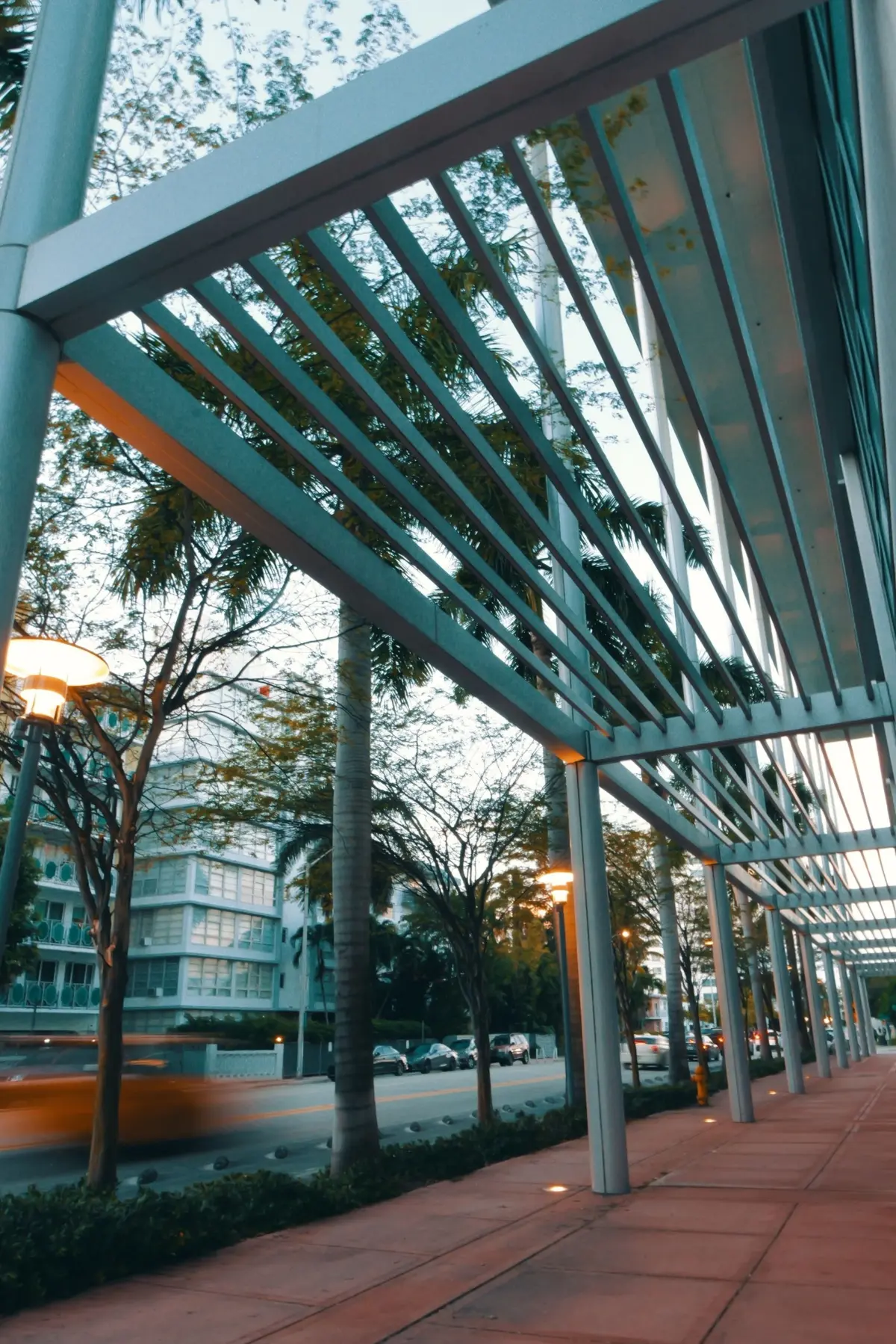
As a professional photographer preparing for a flight, packing gear often turns into an elaborate exercise in spatial optimization. The internal game is always the same: how many camera bodies and specialized lenses can successfully fit into a single carry-on bag without triggering weight restrictions or panic at the security checkpoint?
On a recent three-day professional trip from Michigan to Miami, Florida, the final tally reached an absurd extreme of six cameras and four lenses. Yet, despite hauling a minor arsenal of optical equipment across state lines, the device that remained glued to the photographer’s hands for the vast majority of the assignment was a single compact zoom model: the Panasonic Lumix L10.
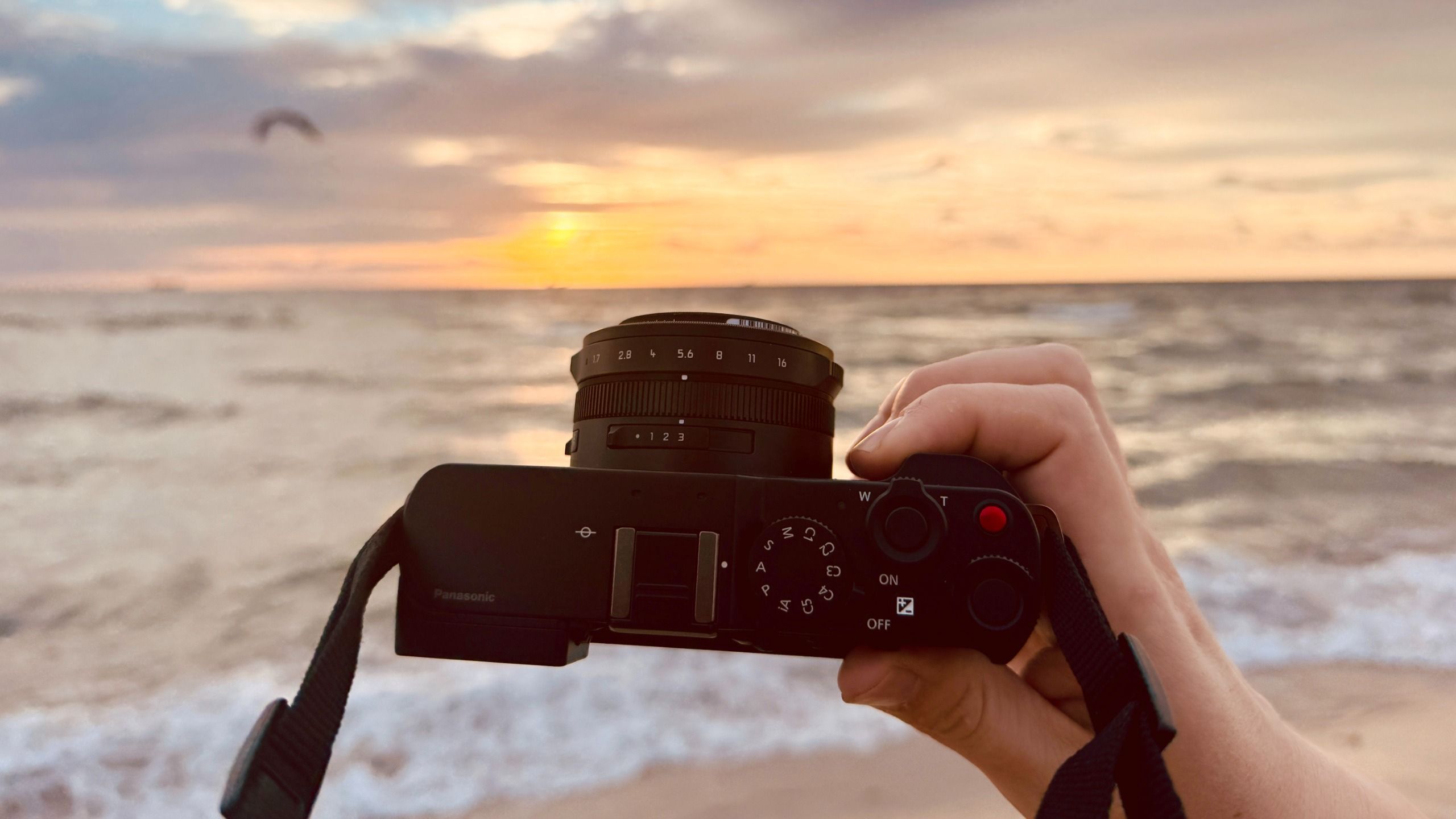
The rationale behind bringing such an excessive amount of gear was rooted entirely in the demands of the assignment. As a photography journalist traveling to cover major industry developments, including Adobe Max 2026, the workflow required simultaneous capture of high-resolution still images and reliable video footage. Additional contingencies included packing a backup system and even dedicating a portion of the travel time to shooting traditional film. For a professional covering a fast-moving tech conference, redundancy is often treated as a necessary precaution.
Consequently, LensRentals supplied the Panasonic Lumix L10 for evaluation during the trip. Knowing that the urban itinerary would involve extensive walking under the Florida sun, the priority was finding a lightweight, highly portable solution that did not force any compromises on focal length versatility. The L10 immediately stood out because of its unique configuration, pairing a flexible 24-70mm equivalent f/1.7-2.8 built-in zoom lens with a compact Micro Four Thirds sensor.
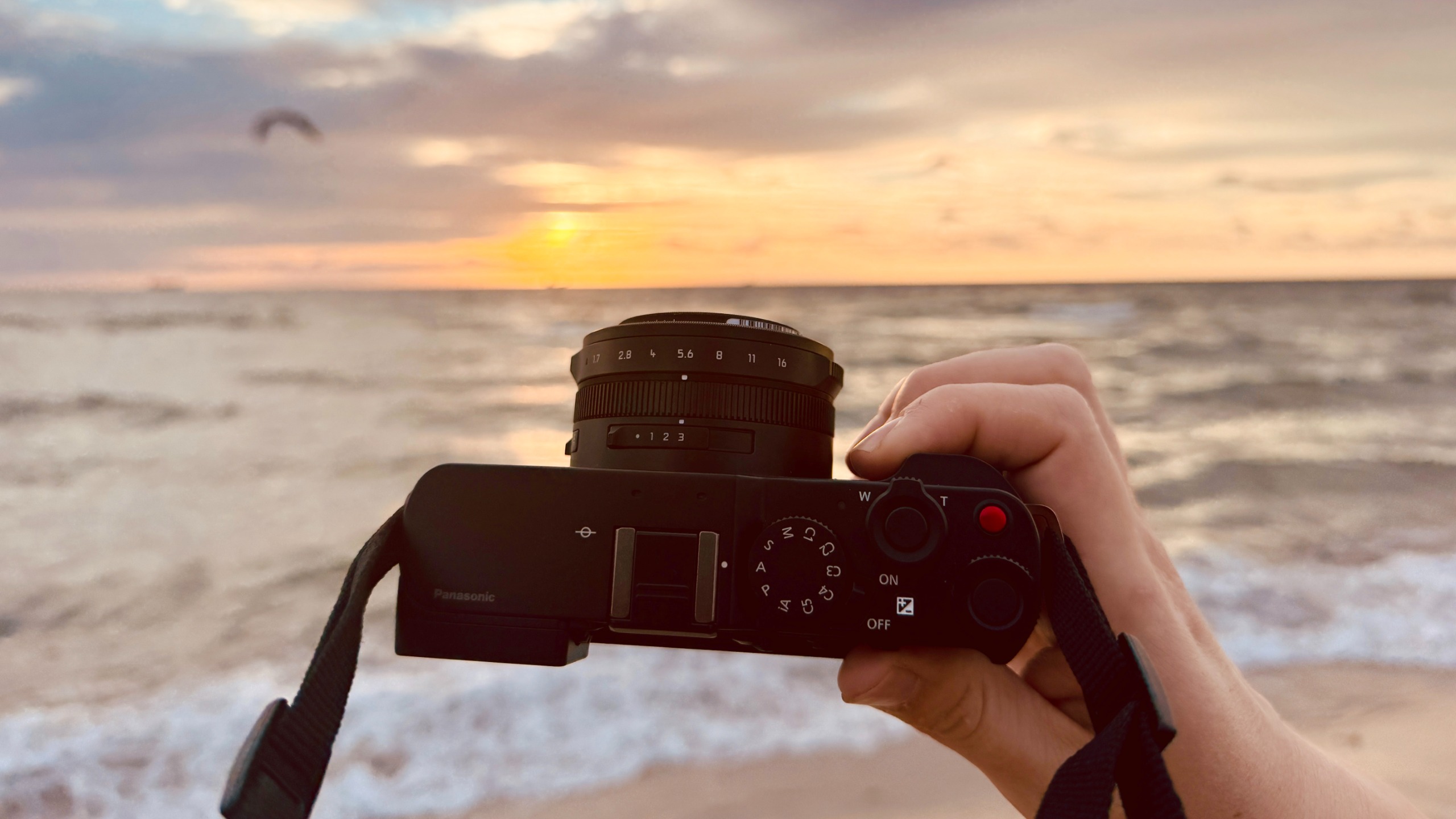
While the L10 occupies the category of a fixed-lens compact camera, it has faced recurring critique from reviewers and users alike for being slightly larger than traditional pocket-sized models. Standing side-by-side with an OM System PEN mirrorless camera also brought along on the trip, the physical dimensions of the L10 body felt comparable. However, that minor bulk is entirely offset by the integrated lens design. Lugging a traditional mirrorless body paired with a separate 24-70mm f/2.8 professional zoom lens creates a significantly heavier and more cumbersome package. The L10 successfully delivers the reach and aperture speed of a standard professional zoom while maintaining a footprint that feels far more manageable than a traditional interchangeable-lens setup.
That 24-70mm equivalent zoom range proved exceptionally versatile throughout the Miami excursion, ultimately logging more shutter actuations than any other piece of equipment brought on the journey. Beyond its practical focal range, it was simply the instrument that felt most intuitive to reach for during casual street exploration. It achieved a comfortable balance: compact enough to carry for hours without causing physical fatigue, yet substantial enough to feature a clear electronic viewfinder, an ergonomic handgrip, and dedicated physical dials for quickly adjusting critical exposure settings like aperture and shutter speed.

Of course, a single compact camera cannot solve every photographic challenge. Along the shoreline, local wildlife required a dedicated mirrorless body paired with a telephoto lens to capture close-up frames of coastal birds that were completely out of reach for the L10’s 70mm limit. Furthermore, video creation posed a distinct hurdle. While the Panasonic model features effective optical stabilization within its lens, it lacks in-body image stabilization. Because handheld video footage proved difficult to keep steady without additional support, a GoPro brought along for the trip handled the majority of the motion-capture duties.
Outside of specialized wildlife and stabilization-heavy video scenarios, the built-in 24-70mm equivalent lens proved to be an ideal companion for a wide variety of subjects, spanning sweeping urban landscapes, candid street portraits, and casual travel scenes. Reflecting on the heavy gear bag hauled through airports and hotel lobbies, bringing six distinct cameras was ultimately overkill, and half of them spent the entire three days sitting untouched inside a hotel room. A leaner packing list centered around a versatile zoom could easily have saved significant strain on the road.

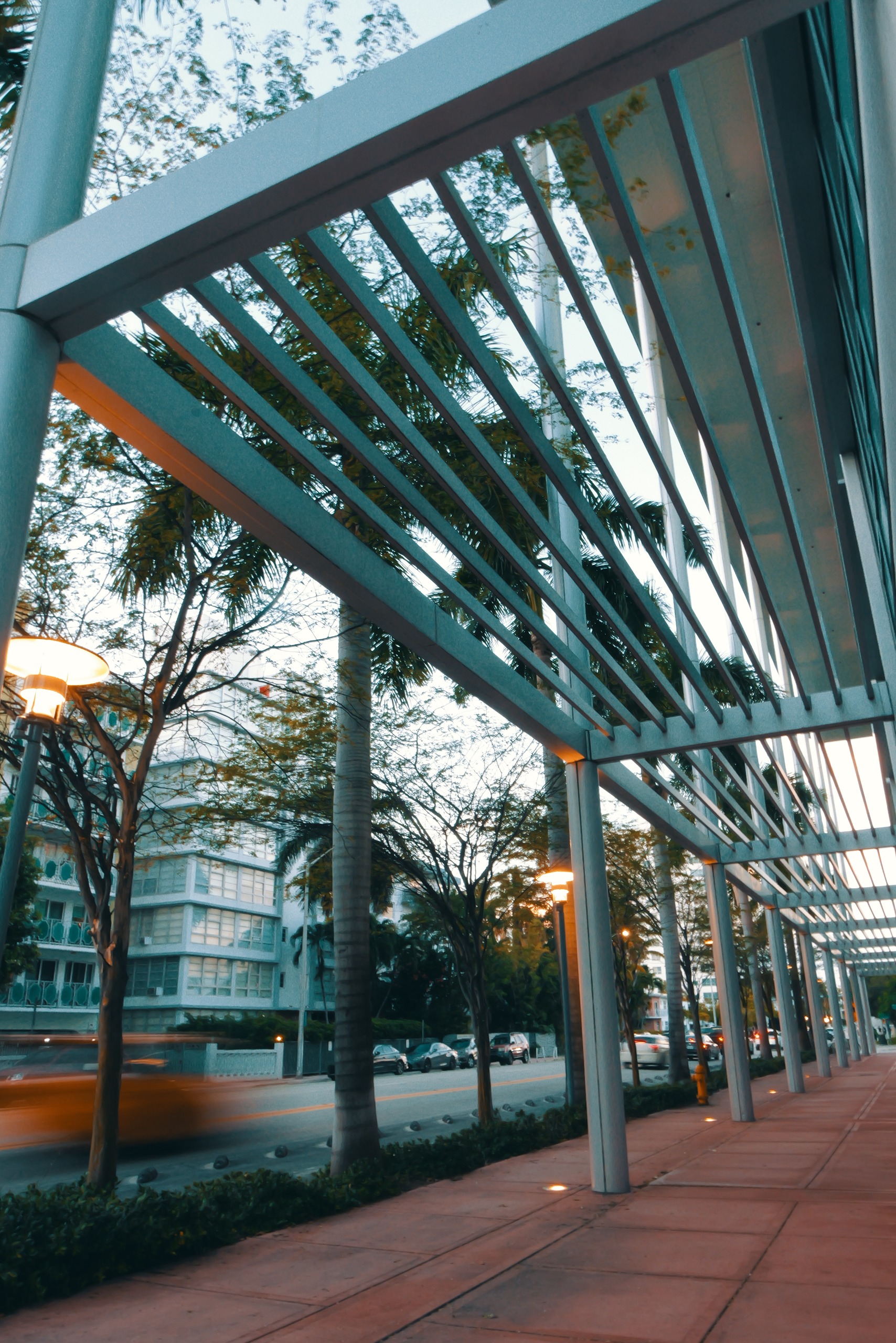
Beyond its physical handling and optical range, the L10 offered an unexpected creative workflow advantage through its suite of in-camera color profiles and Look-Up Tables (LUTs). Among the preset options, a cinematic teal style resonated particularly well with the coastal environment of Miami Beach. The dramatic shift in color science complemented the natural palette of vibrant palm trees, deep blue skies, ocean waves, and the rich architectural culture of South Florida straight out of the camera.
For working professionals returning from a demanding travel schedule, the prospect of facing hours of post-processing and file organization is often daunting—a notable irony given that the trip itself centered around software updates for digital editing suites like Lightroom and Photoshop. The inclusion of high-quality in-camera LUTs offers an efficient solution for generating polished JPEGs suitable for immediate sharing, while still preserving the underlying RAW data for deeper, more meticulous adjustments back at the home studio.
The broader camera market has seen a distinct resurgence in consumer interest surrounding high-end compact cameras, giving rise to several notable recent product launches that integrate large sensors into highly portable bodies. Popular APS-C alternatives like the Fujifilm X100VI and the Ricoh GR IV have captured significant market attention, largely defined by their premium, fixed prime lenses. By comparison, the Panasonic Lumix L10 takes a different architectural route, opting for a smaller Micro Four Thirds sensor format to accommodate the flexibility of a zoom lens without ballooning the overall physical dimensions.
For photographers whose primary focus is travel, the presence of a versatile zoom lens remains a formidable advantage when navigating unpredictable environments. As manufacturers continue to refine the balance between sensor size, portability, and optical reach, the Panasonic Lumix L10 demonstrates the enduring value of a well-rounded travel companion, earning a strong position on any shortlist of contemporary travel cameras.