As Ukraine continues to defend its territory, culture, and sovereignty against the ongoing Russian invasion, the nation is actively working to dismantle lingering vestiges of Russian influence in every corner of public life—including the fonts used on official government documents. In a major step toward complete cultural independence, Ukrainian authorities have unveiled a new national typeface named Zakon, which translates to “law” in Ukrainian. Once the font goes into full effect, state institutions, ministries, and civic offices will no longer rely on Russian-designed typefaces that have historically dominated official certificates, awards, diplomas, battle flags, and state plaques.
For years, designers, military personnel, and everyday citizens have raised concerns about the widespread use of Russian-designed Cyrillic fonts across official Ukrainian state materials. Among the most prominent of these was Izhitsa, a typeface heavily featured on government documents and military awards. While these fonts had become ubiquitous in daily administrative use across Ukraine, they were originally crafted by ParaType, a Russian type foundry that Ukraine’s Ministry of Culture states actively cooperates with Russian authorities. For a nation fighting to preserve its identity and independence on the battlefield, the continued use of state-approved Russian typography on official credentials and military banners grew increasingly untenable.
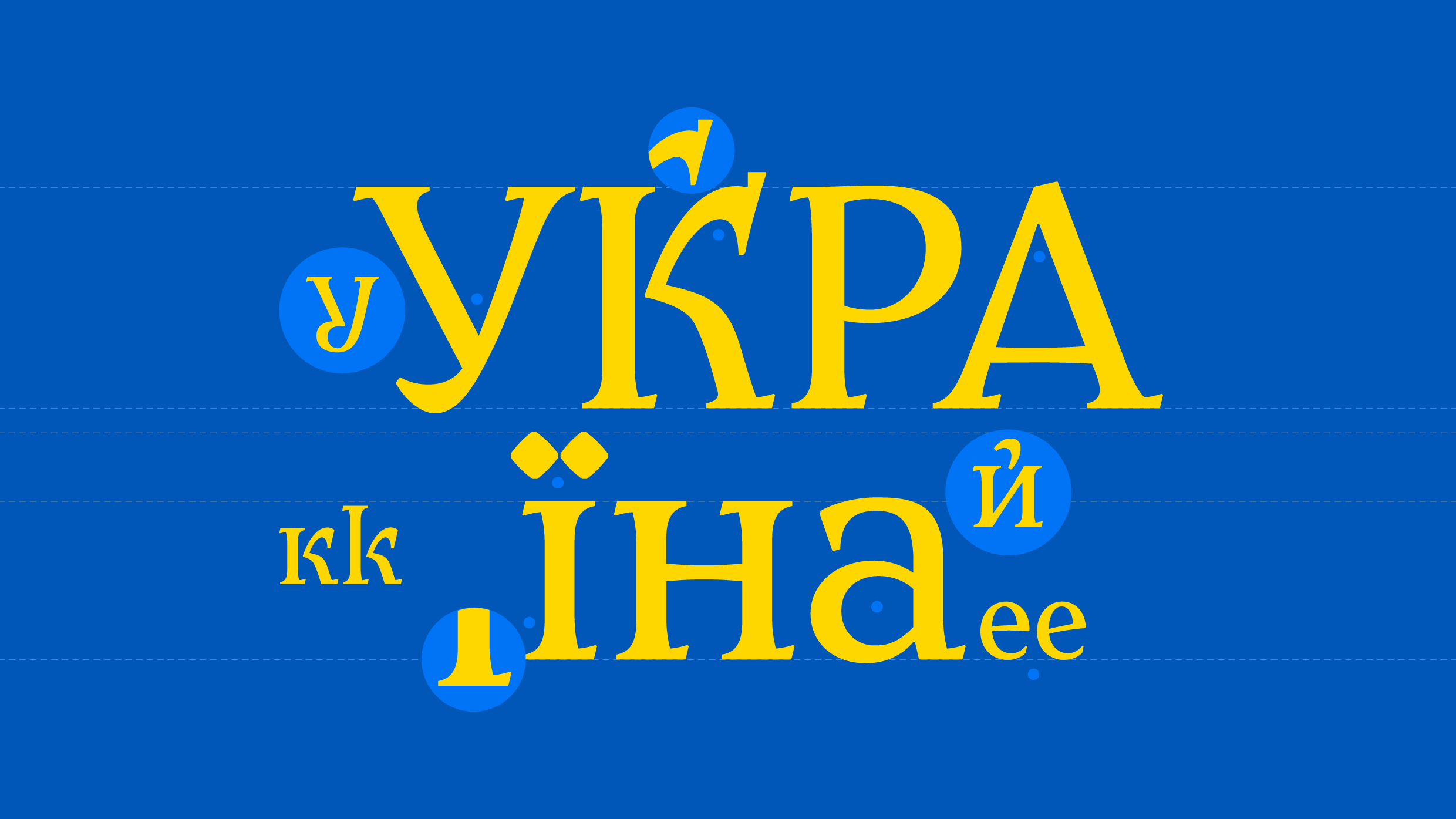
To address this cultural vulnerability, the Ukrainian government joined forces with the country’s largest online jobs board to launch a specialized initiative. Together, they hired and funded a talented team of Ukrainian type designers tasked with creating an entirely new typeface—one deeply imbued with the nation’s rich typographic heritage, historical roots, and European identity. Following months of intensive development, a beta version of Zakon was made available for public and professional testing on October 29. After a designated feedback period allowing typographers, government officials, and the public to weigh in, a refined and expanded version of the font family is expected to be released early next year. Once finalized, Zakon will become the official typographic standard for state documentation across Ukraine.
The rollout of the new national typeface follows a formal resolution adopted by the Ukrainian parliament in January, which mandated the creation of an indigenous national typeface. Lawmakers argued at the time that introducing a homegrown font was a crucial administrative and cultural necessity to address the deep-seated legacy of Russian imperial and Soviet cultural influence—a legacy that persisted long after Ukraine gained independence from the Soviet Union. By replacing foreign-controlled typefaces with a sovereign alternative, the government aims to ensure that every official seal, decree, and document reflects authentic Ukrainian identity.
Designing Zakon was a collaborative effort entrusted to a quartet of renowned Ukrainian type designers. The creative team comprises Oleksiy Chekal, a respected artist who previously designed lettering for the Orthodox Church of Ukraine; Hennadiy Zarechniuk, a prominent typographic and type designer; Dmytro Rastvortsev, whose extensive portfolio includes the creation of UAF Sans, a specialized font utilized by the Ukrainian military; and Andrij Shevchenko, a celebrated former winner of Ukraine’s modern business font competition. Together, these designers brought decades of expertise to a project intended to reshape the visual language of the Ukrainian state.
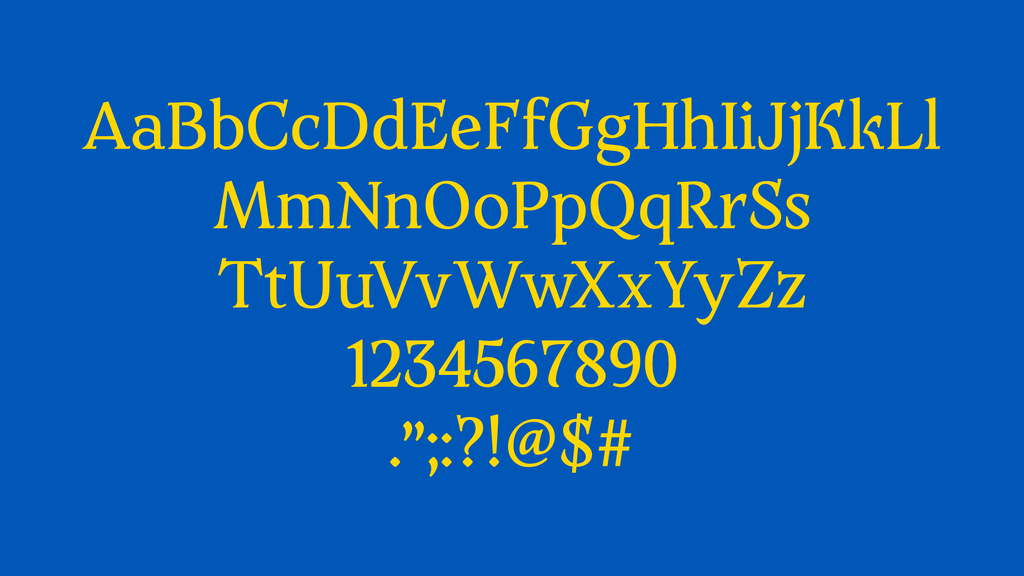
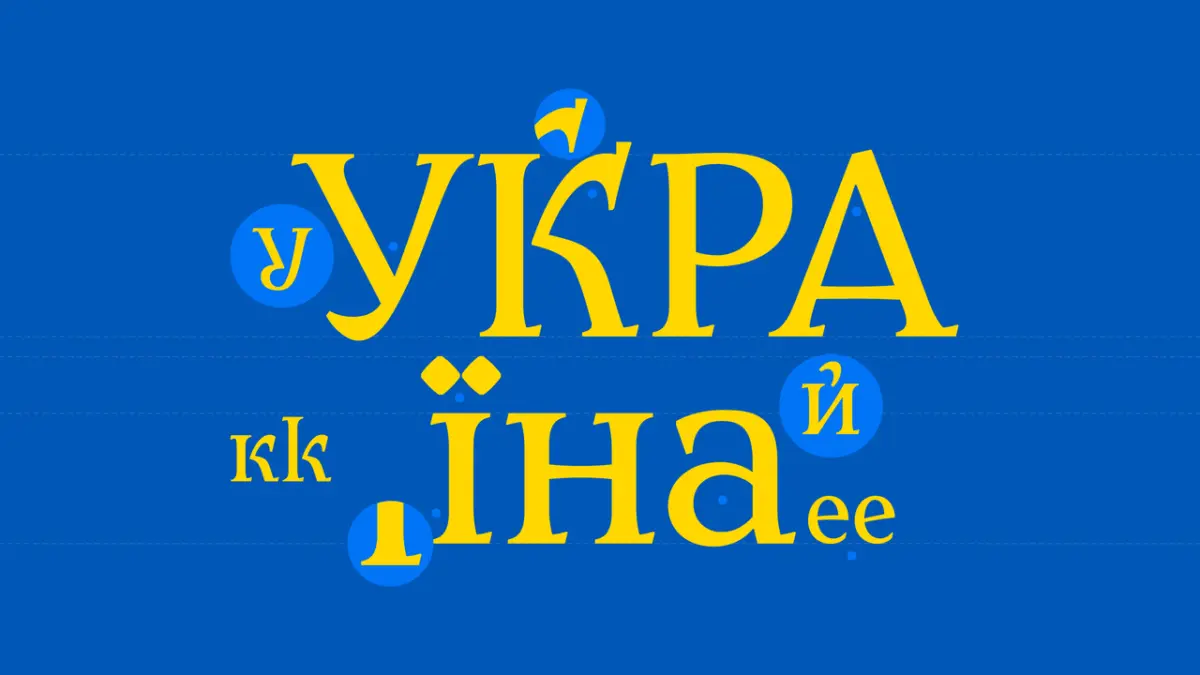
Zakon itself is a sophisticated serif typeface thoughtfully engineered to incorporate elements distinct to Ukrainian typography, setting it apart from standard Russian Cyrillic letterforms. Among its defining features are flared, asymmetrical serifs and distinctive diamond tittles—the small dots that sit above letters such as the Cyrillic I or Yi, a unique character found exclusively in the Ukrainian alphabet. The overall proportions of Zakon were deliberately designed to resemble classical Roman typefaces, a conscious artistic choice that anchors Ukrainian typography firmly within the wider European design tradition rather than the Eastern European stylistic orbit historically enforced by Moscow.
The historical inspiration for Zakon runs deep. The type family’s letterform geometry draws directly from the visionary work of six historical Ukrainian artists, most notably Vasyl Krychevsky. Krychevsky was a towering figure in Ukrainian art and design who notably created Ukraine’s iconic 1918 trident coat of arms—the Tryzub—as well as historical state banknotes. By channeling the artistic vision of figures like Krychevsky, the creators of Zakon have successfully bridged Ukraine’s early 20th-century artistic renaissance with contemporary digital typography.
As the beta testing phase concludes and preparations for the final release move forward, Zakon stands as more than just a functional design tool for government offices. It represents a tangible assertion of cultural sovereignty, ensuring that the words of the Ukrainian state are written in a voice that is authentically, proudly, and independently its own.