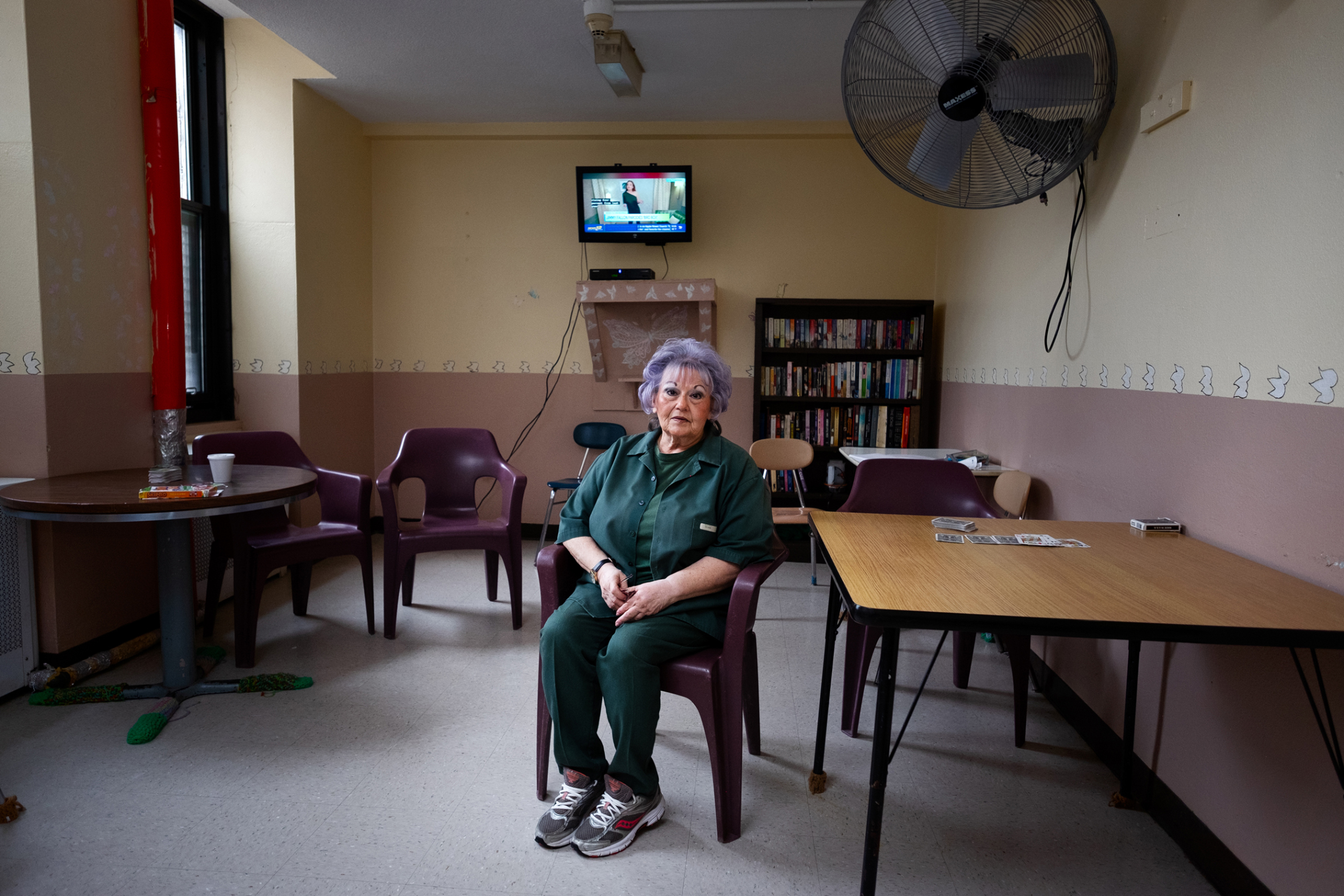
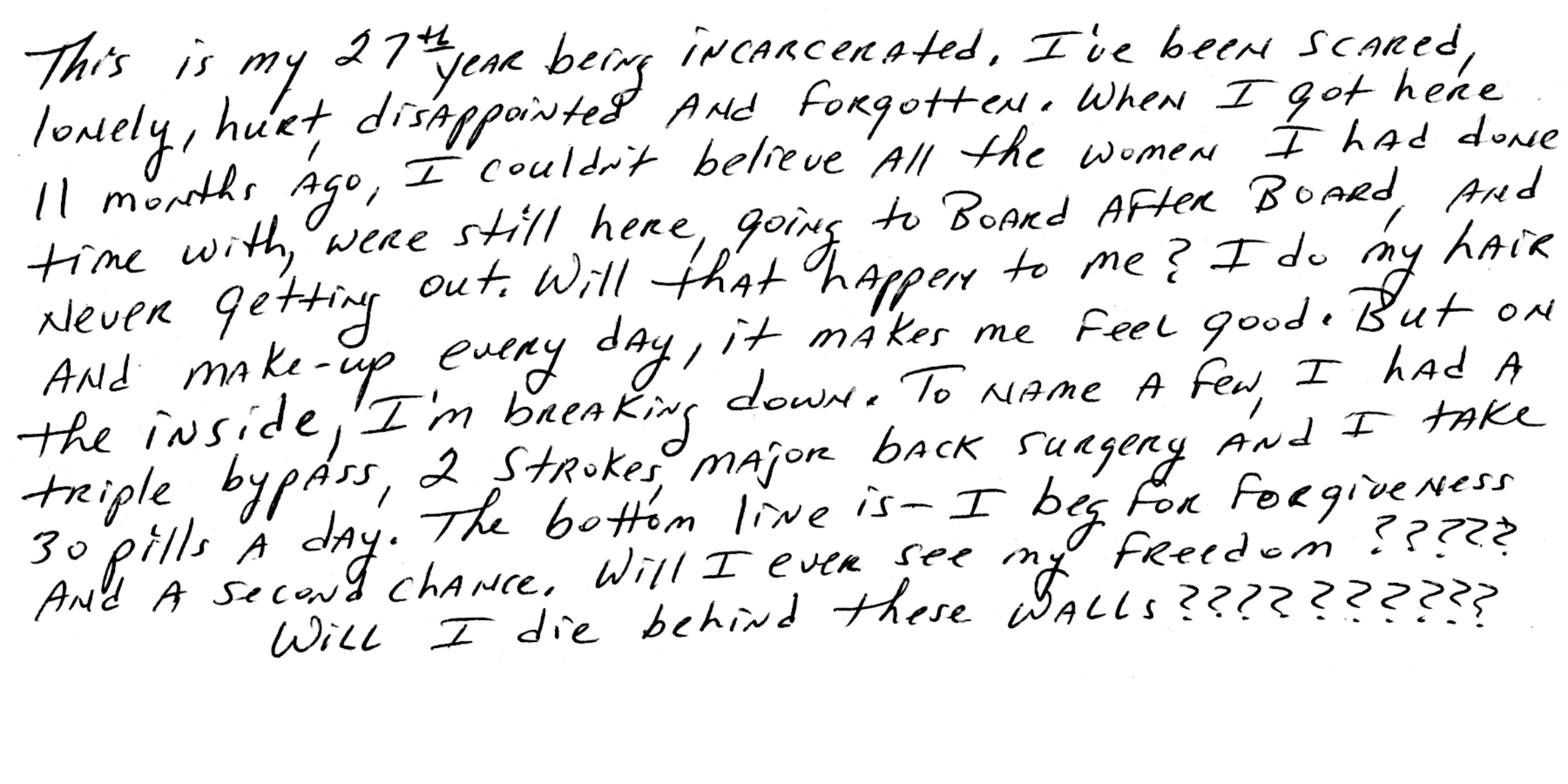
“This is my 27th year being incarcerated,” wrote Linda in a handwritten note to photographer Sara Bennett back in 2019. “I’ve been scared, lonely, hurt, disappointed and forgotten.” Her poignant message concluded with a question that serves as an emotional heartbeat running through Bennett’s powerful new book: “Will I die behind these walls??????????”
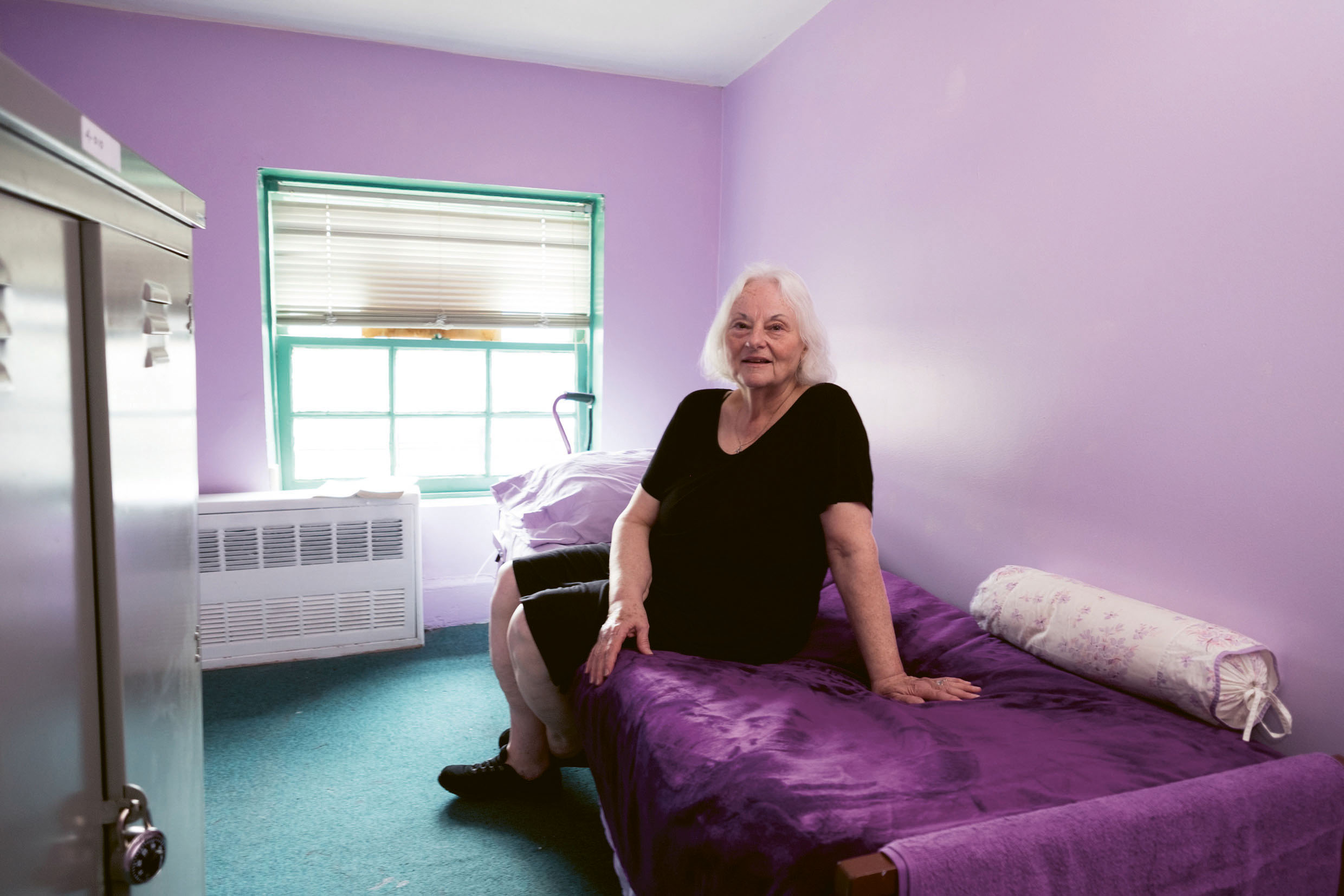
At the time, Linda was 70 years old. Bennett captured her portrait inside the recreation room designated for the medically unemployed at the Taconic Correctional Facility, situated in Westchester County, New York State. Just three years after that photograph was taken, Linda was finally released.
Her harrowing yet resilient story is one of dozens featured prominently in Looking Inside: Women with Life Sentences, published by Kehrer Verlag. Spanning 256 pages, the volume brings together more than a decade of dedicated work by Bennett, who has meticulously documented women convicted of homicide and subsequently sentenced to life imprisonment within New York State’s correctional system.
From Public Defense to Visual Advocacy
Before embarking on her career as a visual artist, Bennett worked as a public defender, giving her an intimate, frontline understanding of the legal system and its profound human toll. Today, she channels those same professional skills and insights as a photographer to draw critical public attention to the devastating systemic problems of mass incarceration. Her poignant visual documentation has previously been exhibited at high-profile cultural institutions including MoMA PS1 and the Museum of the City of New York. In recognition of her significant artistic and social contribution, Bennett was awarded a prestigious Guggenheim Fellowship in 2024.
Her new book offers a comprehensive, deeply human perspective, depicting imprisoned women both inside the stark confines of correctional facilities and within the intimate spaces they move into after their eventual release. The photographs capture them as they bravely attempt to rebuild fractured lives in a society that has often transformed unrecognizably during their decades behind bars.
The sheer scale of this societal disconnect is difficult for outsiders to fathom. Aisha, who served 25 years before her release in 2016, offers a representative example of the profound culture shock experienced by long-term prisoners returning to the modern world.
“I was arrested when I was 19 and being in this big, unfamiliar, advanced world makes me feel like a 19-year-old trapped in a 45 year old body; like putting a kindergartener in college,” Aisha told Bennett, describing the disorienting reality of reentry.
Striking Portraits of Resilience
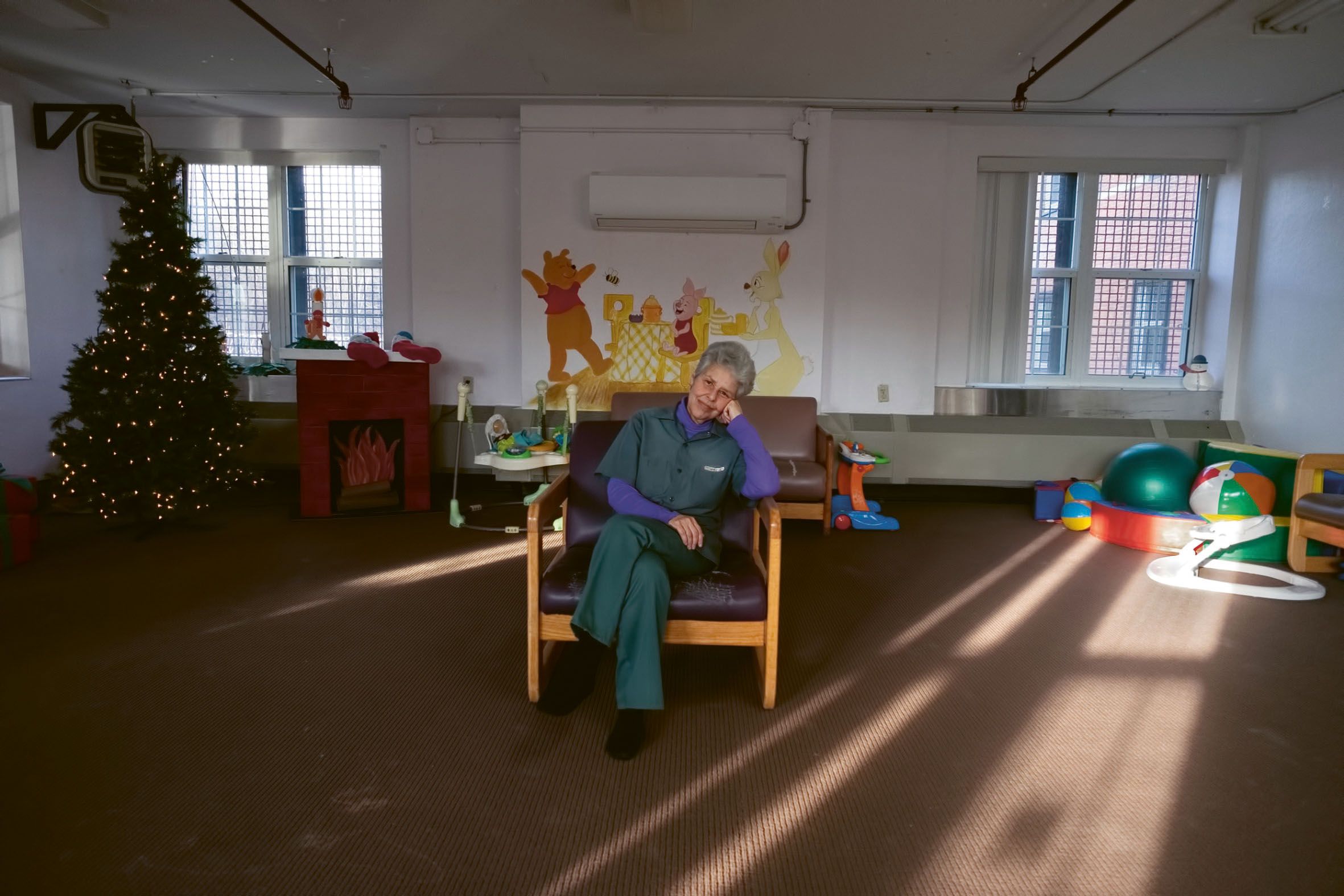
The words recorded in the project are striking, and Bennett’s photographic portraits match them in emotional resonance and visual power. In one unforgettable image, 69-year-old Judy sits quietly alone in the nursery at the Bedford Hills Correctional Facility. A vibrant mural of Winnie the Pooh adorns the wall behind her, while a glowing Christmas tree stands brightly beside her armchair. Judy had been continuously incarcerated since 1981, having entered the system at the age of 31.
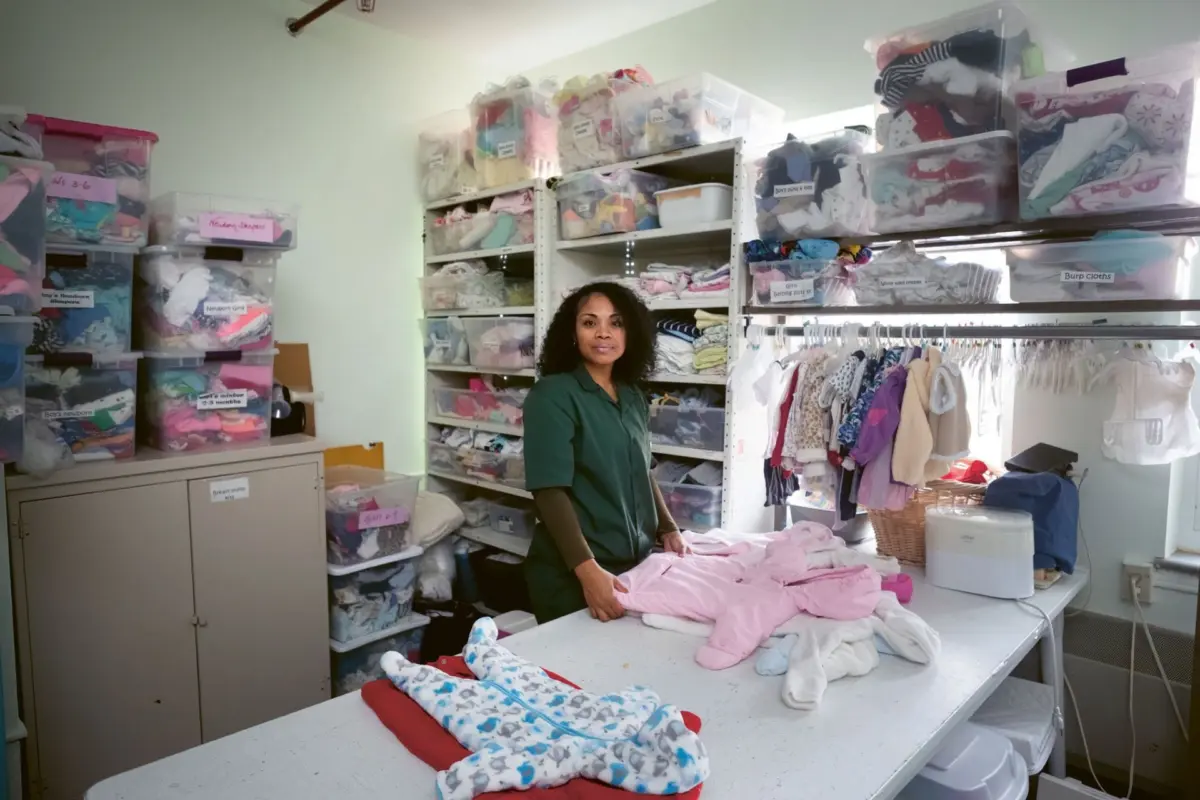
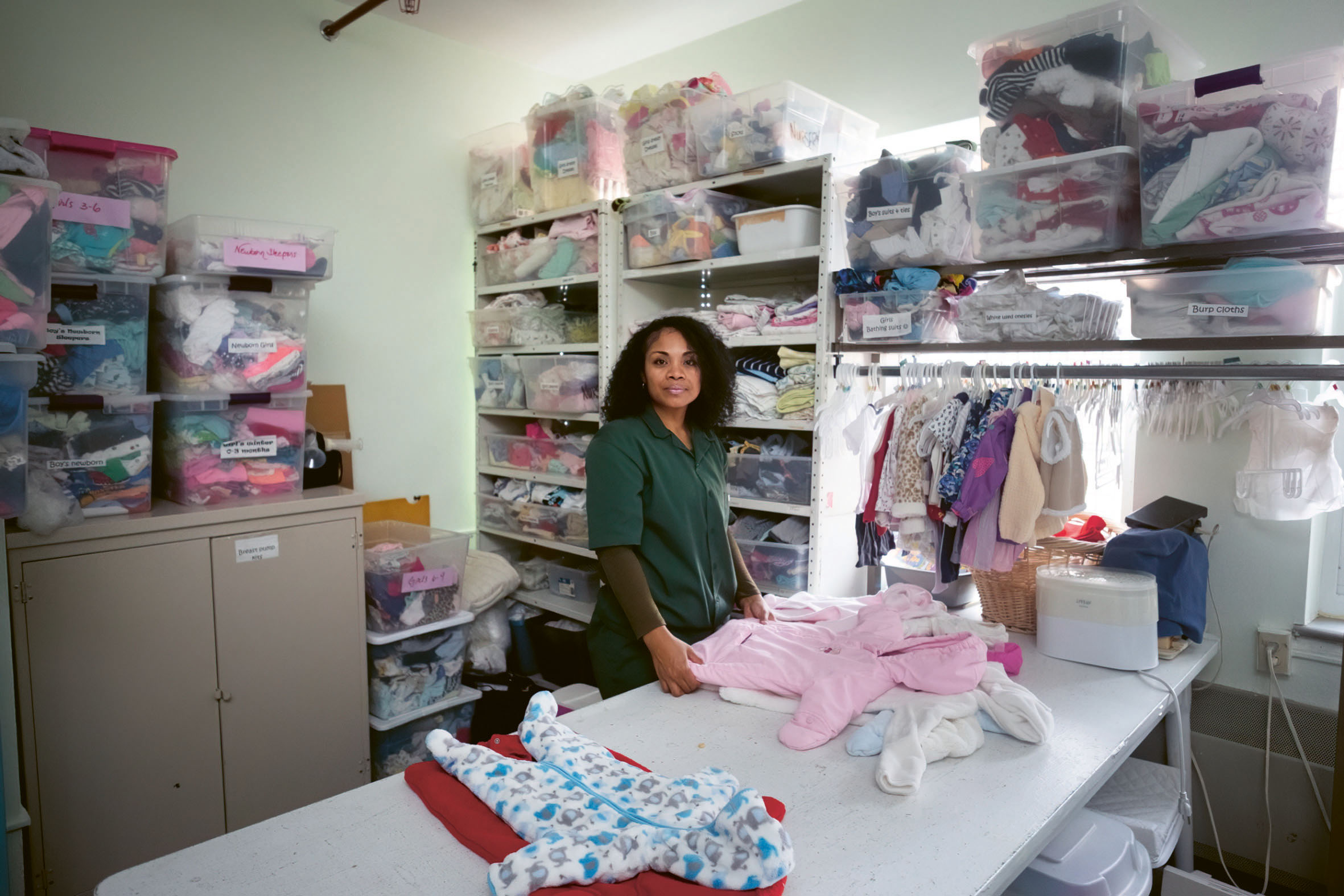
Another powerful photograph captures Assia standing amidst rows of neatly stacked boxes for baby clothes inside the prison’s storeroom. Alongside this image, the book displays pages from a hand-drawn book that Assia meticulously created for her children to commemorate their early visits to see her in prison.
“I can’t believe how beautiful it is in here,” reads one handwritten caption penned by Assia. “I hope my children think the same.” Throughout the volume, readers are given intimate access to personal items that the imprisoned women willingly shared with Bennett, including deeply personal letters, intricate drawings, handwritten notes, and faded Polaroids.
Life on the Outside
The later sections of Looking Inside shift their focus away from the concrete and steel of the correctional facilities, following the women as they navigate the rocky and often precarious path of returning to society.
Karen is documented inside a New York City homeless shelter in 2017, just a single month after walking free from a grueling 35-year prison sentence. Another photograph, taken later that same year, captures a contrasting moment of forward momentum: Karen leaning on the rail of the Staten Island Ferry, gazing out toward the Manhattan skyline while commuting to her new job as a paralegal.
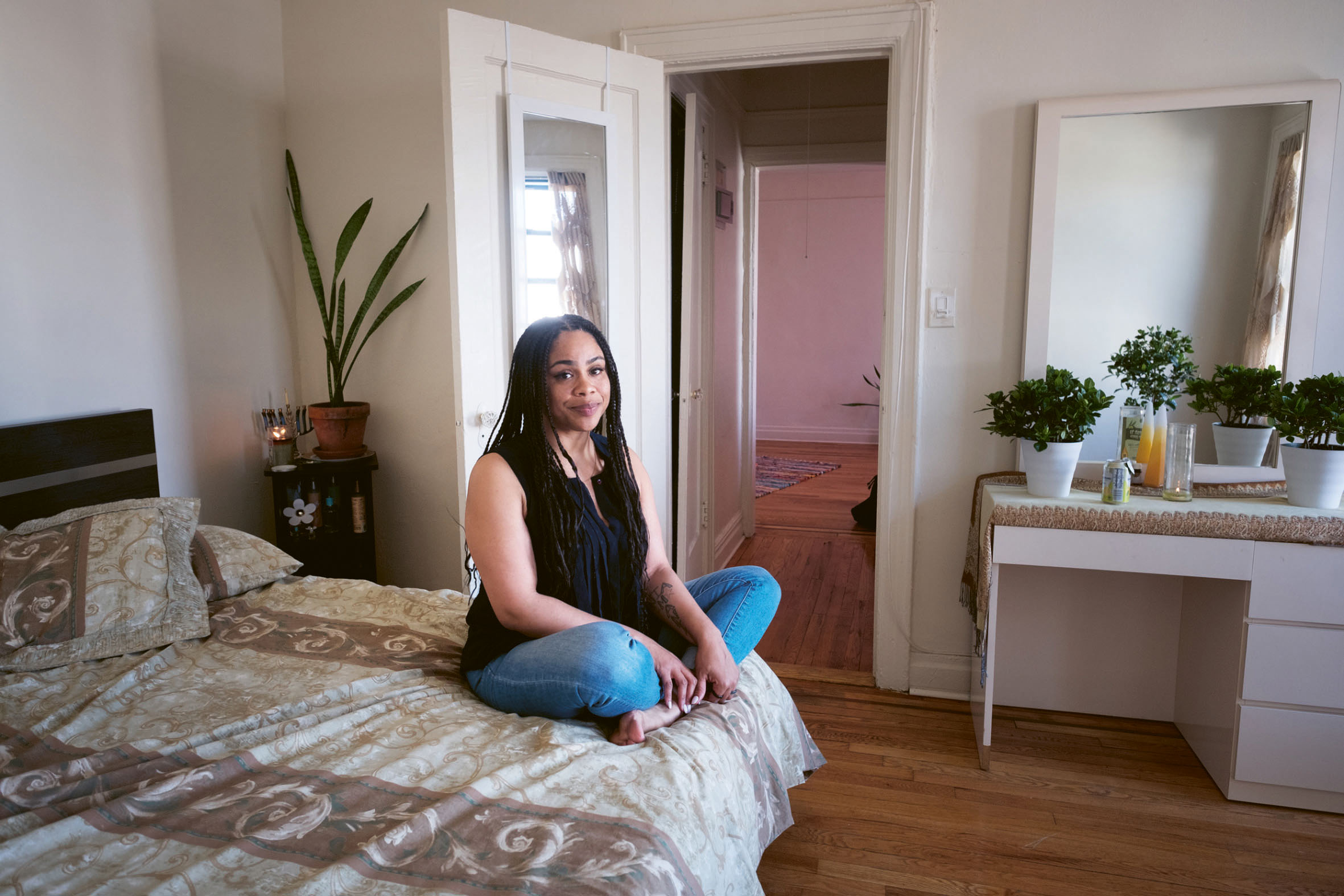
Other subjects find stability in different ways. Jennifer, at 40 years old, is shown sitting cross-legged on a comfortable bed in her own private Brooklyn apartment, photographed 15 months after her release following nearly 18 years behind bars. In another scene, 53-year-old Veronica sits comfortably alongside Vernon, her husband of 29 years, inside their apartment in Queens, 21 months after she regained her freedom.
What makes these images truly remarkable is the effortless way they defy and resist easy stereotypes. As the publisher’s press release aptly observes, the photographs serve as “a striking reminder of the complexity and humanity of women who are, and have always been, far more than the single act that sent them to prison for life.”
The book concludes with a powerful afterword written by Judith Clark, an individual who herself served 38 years in prison before her sentence was commuted. Today, Clark directs the Survivors Justice Project, an advocacy organization that actively fights for decarceration and works toward the effective implementation of New York’s Domestic Violence Survivors Justice Act.
Looking Inside: Women with Life Sentences by Sara Bennett is published by Kehrer Verlag and is priced at $58 / £45. Bennett’s compelling photographic work is scheduled for upcoming public exhibitions at Baxter St at CCNY in New York from February 3 to April 7, 2027, and subsequently at Bader & Simon in Cincinnati from May 1 to June 8, 2027.