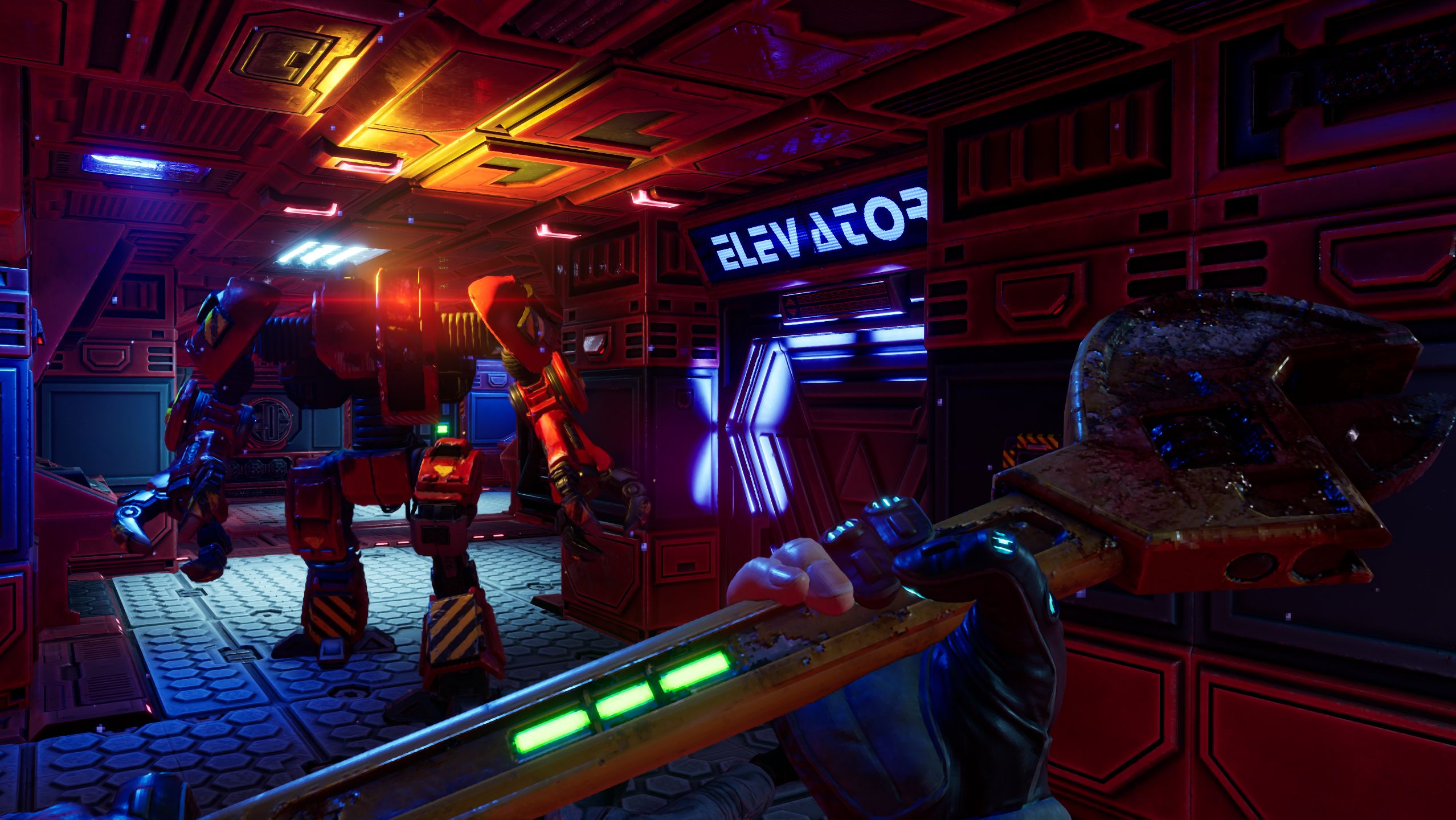
For legendary game developer Harvey Smith, spending ten months as the quality assurance lead on System Shock felt like a definitive brush with greatness. Having deeply admired Looking Glass Studios’ earlier masterpiece, Ultima Underworld, Smith found himself thrust into the chaotic and deeply passionate environment where developers were rolling off Underworld to forge an entirely new cyberpunk immersive sim.
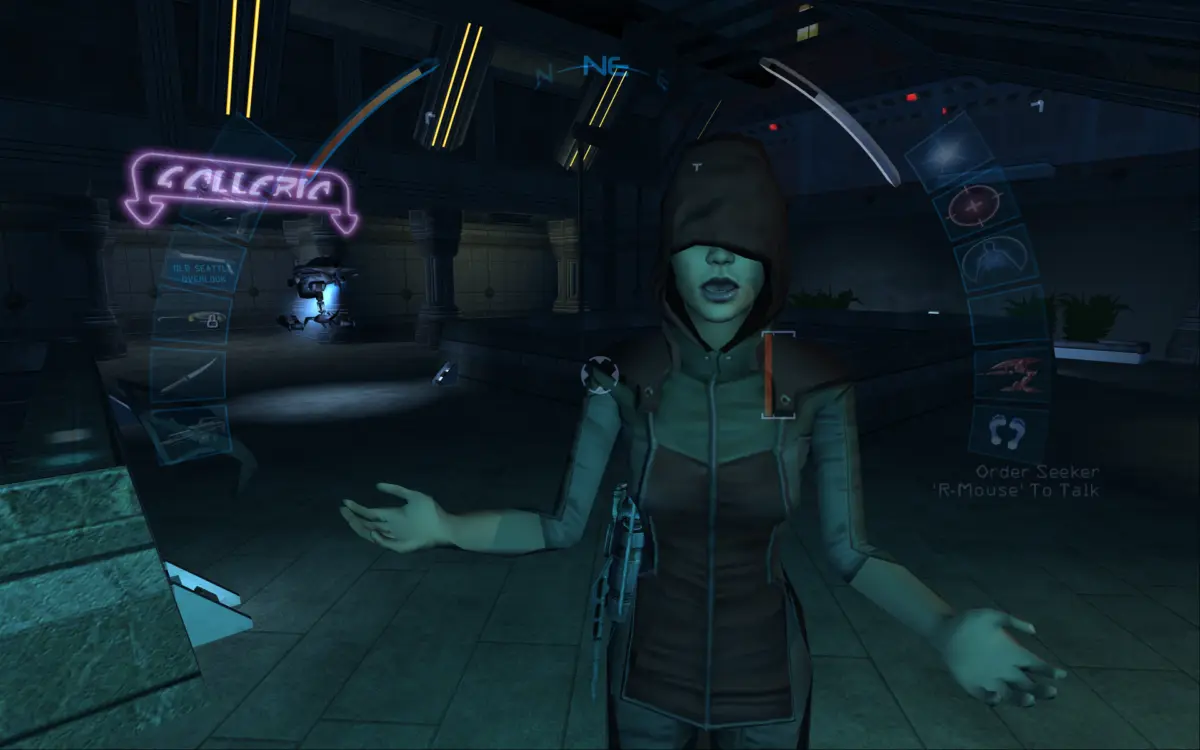
Looking Glass fought like cats and dogs, Smith recalls, but their unwavering passion for what they were doing transformed development into a genuine mission. That fierce, uncompromising hunger for deep, systemic, player-driven experiences became the foundational ethos of Smith’s career. When he later joined forces with System Shock producer Warren Spector at Ion Storm Austin, they applied that exact same spiritual hunger to crafting the seminal cyberpunk RPG Deus Ex. Years later, when Smith teamed up with Raphaël Colantonio, the driving question was simple yet existential: why live a normal life, punch in at a desk, and run numbers when they were dying to make the kind of games that first ignited their creative fires? That shared conviction ultimately birthed Dishonored.
While that narrative glosses over the grueling years spent fighting for funding before Arkane successfully partnered with Bethesda, the stubborn, single-minded outlook Smith describes is crucial to understanding the trajectory of the immersive sim genre. Had Smith and his colleagues been more pragmatic—had they chosen sensible, mainstream projects over deeply satisfying, risky creative endeavors—Arkane would likely never have brought worlds like Dunwall to life.

During Arkane’s independent years, outside parties routinely approached the studio, pressuring them to pivot toward more commercially viable genres, such as downloadable content for third-person action shooters. Critics and business advisors warned that turning their noses up at guaranteed money would bankrupt the company. Yet, the team consistently drew a hard line. They refused to work on projects outside their wheelhouse, openly admitting they neither liked nor knew how to make those games well. Instead, they gambled the survival of the studio on building the complex, atmospheric immersive sims they were known for.
Arkane nearly went under multiple times pursuing that dogged goal. However, that steadfast commitment eventually earned the respect of their peers across the wider video game industry. A notable turning point arrived when the studio was in a desperate financial pinch, and the team behind BioShock 2 found themselves in need of experienced level designers to handle a block of levels. Knowing Arkane’s stellar reputation for intricate first-person worldbuilding, they reached out. Arkane dispatched Christophe Carrier, their level design director and the wellspring of much of the studio’s design philosophy, alongside a dedicated team, to assist on BioShock 2. That opportunity materialized solely because the industry firmly associated Arkane with masterclass level design and systemic depth.
By repeatedly saying no to misaligned projects, Arkane carved out a distinct identity as consummate worldbuilders and architects of intricate first-person levels that rewarded patient exploration. Over time, players came to recognize and deeply love the studio for that exact purity of vision. Reflecting on those turbulent years, Smith notes that while there are countless ways to fail and succeed in the games industry, specializing in what you truly love is ultimately a rewarding path.

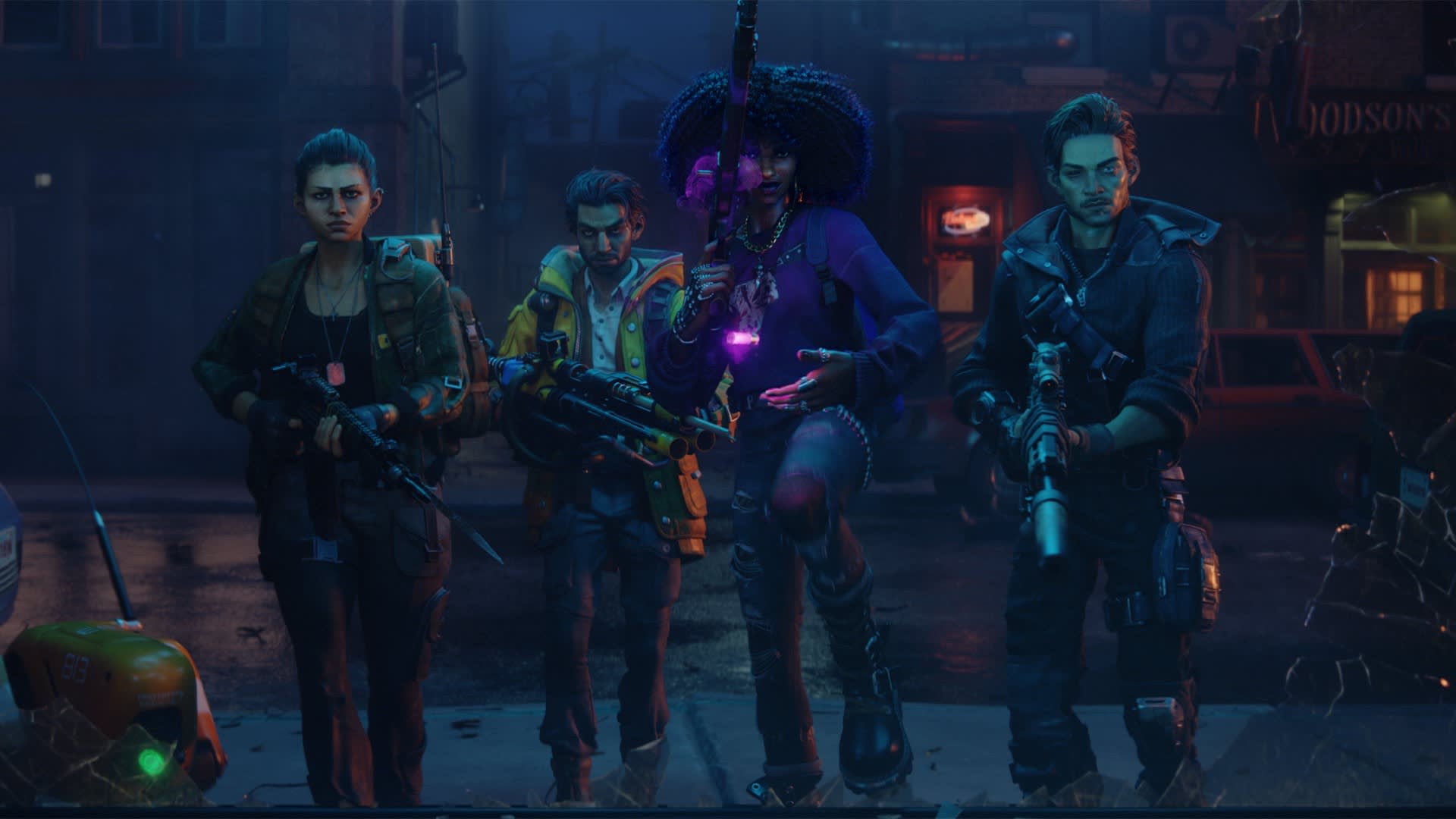
Despite decades of critical acclaim and commercial successes like Dishonored, Dishonored 2, and Prey, the studio encountered severe friction a decade after the release of the original Dishonored with the launch of Redfall. The cooperative looter-shooter struggled immensely to incorporate traditional immersive sim design philosophies into a multiplayer framework. Smith readily acknowledges that the project simply failed to coalesce and admits that the studio should never have ventured into the games-as-a-service model.
Despite featuring a sleepy Massachusetts setting, creative movement abilities, and grounded thematic explorations of community resistance against corporate greed, Redfall proved to be a major critical and commercial disappointment. Arriving during a turbulent period, the game unfortunately became a lightning rod for broader criticisms directed at Xbox, which had acquired Arkane’s parent company by that point.
Ben Horne, the production director of Redfall who co-founded Black Pony Immersive alongside Smith following the closure of Arkane Austin, points out that a multitude of factors converged at the game’s release. Redfall faced heavy scrutiny as one of the very first $70-priced titles published by Xbox, placing it squarely in the crosshairs of ongoing console platform rivalries.
Compounding these launch challenges, Arkane had developed a performance mode for consoles but held it back prior to launch upon noticing framerate drops. That decision triggered immediate public backlash regarding the absence of a 60 frames-per-second option on day one. While the team worked tirelessly to manage those compounding issues, Horne emphasizes that the core misstep was simply working outside their specialized domain of expertise. Returning to their foundational strengths became the absolute top priority for Smith, Horne, and the veteran developers who transitioned to Black Pony Immersive.
Smith and Horne established Black Pony Immersive with the explicit, unwavering goal of returning to the creation of single-player immersive sims. Horne spent years prior to Arkane working on annual sports titles in California, a stark contrast to the deep creative hunger found in immersive sim development. Smith, reflecting on his 33-year career in the industry, observes that whenever he encounters exceptionally talented developers yearning for something more substantial and spiritual in their professional lives, it inevitably sparks a pursuit of greatness. That relentless chase occasionally results in monumental missteps, but it also produced masterpieces like Deus Ex and Dishonored.
Horne vividly remembers his first day walking into Arkane, where production director Susan Kath handed him an upcoming DLC build to test. Completely captivated by the intricate environmental storytelling and mechanics, Horne found himself unable to pull away, ultimately leaving the office at midnight.

Ricardo Bare, creative director of the acclaimed Prey expansion Prey: Mooncrash, is another key creative mind who has joined the team at Black Pony. Smith describes Bare as a deep thinker fascinated by the cosmos, sentience, awareness, and human consciousness. In games like Prey, those metaphysical inquiries manifest as narratives questioning why certain entities develop empathy while others do not, proving that Bare approaches game design through both rigorous literary frameworks and profound philosophical layers.
The games directed by Smith have similarly maintained a consistent thematic focus on power dynamics and systemic exploitation. Dishonored is fundamentally underpinned by these themes, with characters like the Outsider explicitly addressing the abuses of power. For Smith, working alongside Warren Spector on Deus Ex for nine years served as a profound political awakening. Spector’s deep understanding of global politics and power structures taught Smith that the personal is inherently political, because powerful entities continually exert direct control over individual lives.
The thematic DNA of these classic titles offers a clear glimpse into the perspective guiding Black Pony Immersive’s unannounced debut project. Mechanically, the team is returning to familiar, cherished territory. Smith outlines their vision for the new title as a first-person hybrid blending shooter, stealth, and RPG mechanics, empowering players with high agency, deep exploration, and a player-paced, single-player narrative driven by rich atmospheric worldbuilding. It is the exact type of game the team burns to create.
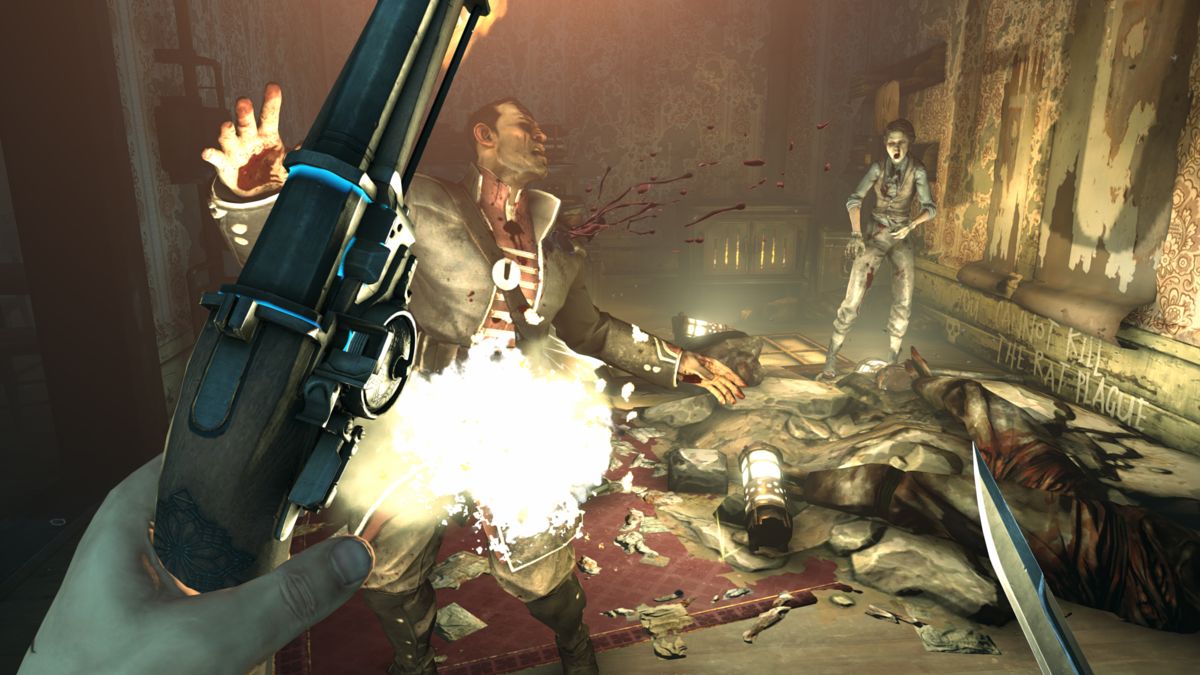
During the years Smith and Colantonio co-directed the Dishonored series, they shared an office and spent countless hours traveling together, dissecting the fundamental rules of the genre they dedicated their professional lives to. Smith notes that immersive sim developers often fall into two camps: dogmatic purists who treat established genre tropes as sacred texts that cannot be altered without heresy, and forward-thinking designers eager to push boundaries and build upon that foundation. Balancing those two competing impulses—honoring player expectations while decisively exceeding them—remains the ultimate creative challenge.
Smith remains a firm believer in mechanics that naturally emerge from a game’s setting, noting that even familiar gameplay concepts can feel entirely revitalized when placed within a fresh fictional context. The iconic possession power in Dishonored, for instance, originated as Arkane’s creative spin on the disguise mechanics found in the Hitman series.
While initially conceptualized as a way for a player to assume a guard’s identity to bypass security checkpoints, the concept expanded organically. Developers realized that possessing a guard would allow the player to walk safely past electrified barriers attuned to security personnel, while possessing a rat would grant access to subterranean maintenance tunnels, prompting guards to attempt to stomp the player on sight.
Suddenly, level designers were engineering elaborate pathways allowing players to possess a simple fish in a fountain, swim up the plumbing, and emerge directly inside a restroom behind an assassination target. That emergent player freedom resonated deeply with players and felt nothing short of magical to the development team.
Smith hopes that same innovative, system-driven approach will allow Black Pony Immersive to proudly join Looking Glass, Ion Storm, and Arkane in the prestigious lineage of legendary immersive sim studios. Even when building the same foundational style of game they have championed for decades, Smith believes that recontextualizing those mechanics through entirely new subject matter will keep the genre fresh. With a characteristic nod to their ambitions, Smith notes the studio’s overarching hope: that Black Pony proves to be much more than a one-trick pony.