The American Society of Composers, Authors and Publishers (ASCAP) has announced the winners of its 77th annual Deems Taylor/Virgil Thomson Awards, recognizing the year’s most outstanding music writing, broadcasts, and digital media. This year’s diverse slate of honorees highlights everything from definitive biographies of legendary film composers and deep dives into the civil rights movement through children’s music to modern digital commentary, archival vinyl preservation, and groundbreaking television and podcast programming.
Voted on by a select, expert committee of four ASCAP members—comprising Robbie Fulks, Julie Flanders, Carman Moore, and Betsy Schramm—the awards celebrate excellence in books, articles, liner notes, and broadcast media covering all genres and forms of music. The rigorous selection process underscores the enduring cultural importance of music journalism, historical research, and critical analysis in an ever-evolving media landscape.
Celebrating Cinematic Giants: Biographies of John Williams and Bernard Herrmann
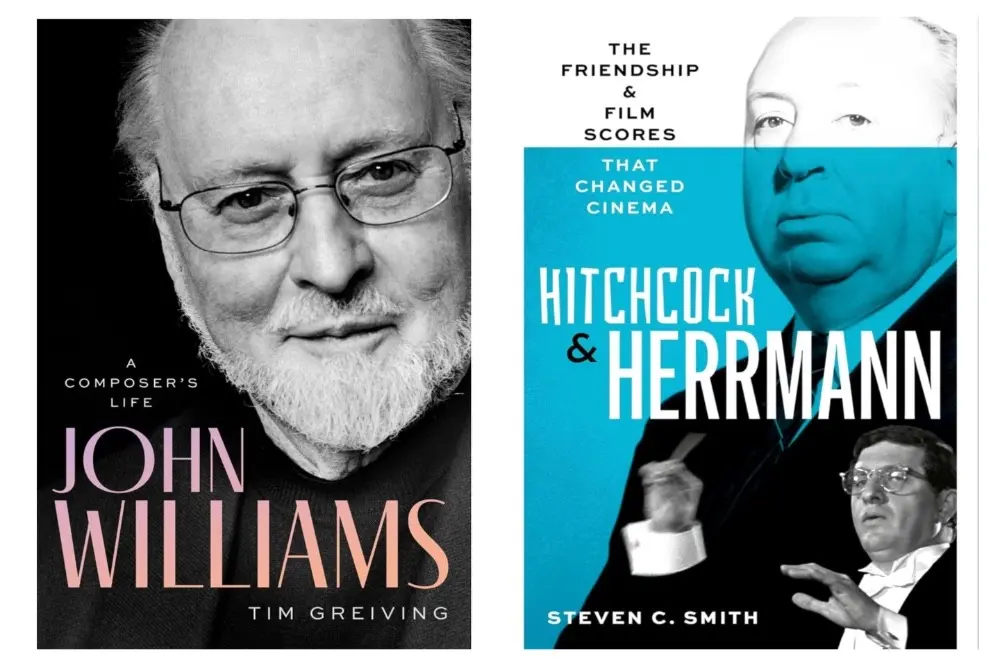
Among the most high-profile winners this year are two major works focusing on the towering figures of Hollywood film scoring. Tim Greiving received a Deems Taylor/Virgil Thomson Book Award in the concert music field for John Williams: A Composer’s Life. Serving as the first-ever comprehensive biography of Hollywood’s most successful living composer, Greiving’s book traces the extraordinary life and timeless melodies of the man behind Star Wars, Jaws, Jurassic Park, and Schindler’s List.
Sharing the spotlight in the film music category is Steven C. Smith’s Hitchcock and Herrmann: The Friendship and Film Scores that Changed Cinema, which earned a Special Recognition Award. This marks Smith’s second book about Bernard Herrmann, offering a unique narrative twist that intertwines the composer’s life with his legendary creative collaboration with master suspense director Alfred Hitchcock. Both books previously earned acclaim as part of Variety’s curated list of the best music books, cementing their status as essential reading for cinephiles and musicologists alike.
Exploring Concert and Pop Music in Print
Beyond the silver screen, the book awards spanned a wide spectrum of musical traditions, history, and cultural impact. In the concert music category, Lucy Caplan was honored for Dreaming in Ensemble: How Black Artists Transformed American Opera. Published by Harvard University Press, Caplan’s book provides a rich historical account of Black innovation in American opera during the era of the Harlem Renaissance, charting how visionary artists reshaped a traditionally Eurocentric art form.
The pop music book accolades went to two thoroughly researched scholarly works. Gayle Wald received recognition for This Is Rhythm: Ella Jenkins, Children’s Music, and the Long Civil Rights Movement, published by the University of Chicago Press. Wald’s book explores the life and legacy of Ella Jenkins, widely celebrated as "the first lady of children’s music," and demonstrates how her work intersected with the broader struggles and triumphs of the civil rights movement.
James O’Leary was also honored in the pop music book category for The Middlebrow Musical: Between Broadway and Opera in 1940s America, published by Oxford University Press. O’Leary’s work examines how iconic stage productions such as Oklahoma!, Beggar’s Holiday, and Street Scene embraced weighty, dramatic storylines in unprecedented ways starting in 1943, effectively bridging the cultural gap between Broadway entertainment and high opera.
Outstanding Journalism, Archival Preservation, and Music Criticism
Print and digital journalism were prominently featured among the winners, recognizing reporters who tackle the technical, historical, and cultural nuances of the global music community.
In the pop music journalism field, Ben Sisario of The New York Times was honored for his compelling piece titled “The ‘Race Against Time’ to Save Music Legends’ Decaying Tapes.” Sisario’s article delved into the intricate, high-stakes technical efforts required to rescue vulnerable analog master recordings containing original work by legendary artists such as Bruce Springsteen and Bob Dylan.
The concert music article award went to Esteban Meneses for “Revolución: Mexican Composers on the Rise,” published in Symphony Magazine. Meneses explored the vibrant wave of contemporary Mexican classical composers whose innovative orchestral works are increasingly being performed, commissioned, and recorded by major orchestras around the world.
A Special Recognition Award in the article category was presented to Max Keller, also of The New York Times, for his fascinating cultural exploration titled “Does It Matter How A Cello Is Held? It’s a Centuries-Old Debate.” The piece captured the ongoing artistic and physical discussions among classical cellists regarding proper technique and historical performance practice.
Additionally, the Virgil Thomson Award for Outstanding Music Criticism was presented to Gabriel Kahane for “A Love Letter to Music Listings,” published in The Atlantic. Kahane’s piece was lauded by the judges for its evocative and insightful critique of the modern musical landscape.
Broadcasts, Podcasts, and Digital Media
In the realm of broadcast media, Gail Wein captured the top honor in the concert music category for her acclaimed podcast series Classical Gas, produced by Classical Voice North America. The 2025 series features a series of engaging, in-depth interviews with prominent classical musicians across multiple digital platforms.
Earning a Special Recognition Award in the broadcast and digital media category was YouTube creator Rick Beato for his immensely popular digital series, Everything Music. Beato’s channel regularly explores complex music theory, production technology, and the pressing economic and creative issues facing modern musicians and songwriters in today’s rapidly changing industry.
Meanwhile, the broadcast and digital media award in the pop music field went to filmmakers Isaac Gale, Ryan Olson, and David McMurry for their acclaimed 2025 documentary film, Swamp Dogg Gets His Pool Painted. The unique feature tells the colorful story of Jerry “Swamp Dogg” Williams, the legendary cult R&B artist, and captures the vibrant creative life shared by Williams and his housemates around his Los Angeles swimming pool.
Liner Notes Excellence
The ASCAP Foundation Paul Williams “Loved the Liner Notes” Award was presented to renowned percussionist Ruth Komanoff Underwood. She was recognized for her deeply personal and illuminating essay included in the boxed set for Cheaper than Cheep, a live 1974 concert film and archival release by Frank Zappa and The Mothers of Invention, distributed via Zappa Records and UMe. Underwood’s contributions offered fans an insider’s perspective on working alongside one of rock music’s most eccentric and uncompromising geniuses.
The complete roster of winners reflects the breadth of scholarship and media coverage dedicated to preserving and analyzing music history, ensuring that the stories of artists past and present continue to resonate with future generations.