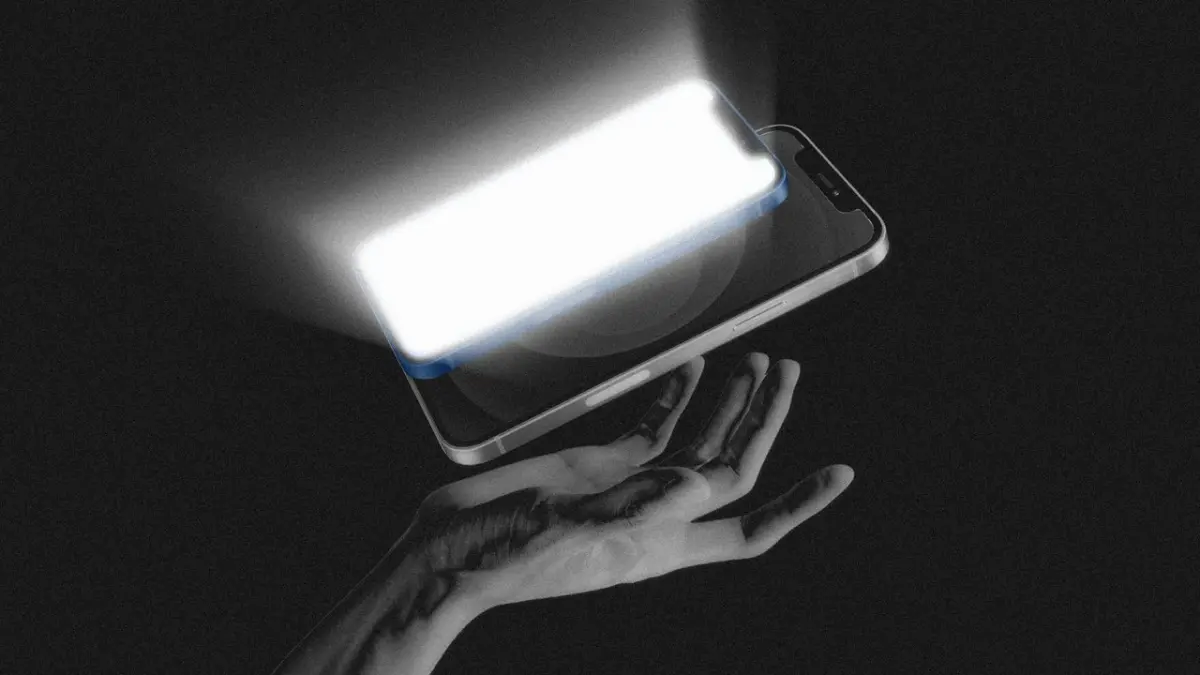
My phone has some existential problems. It is nearly out of storage, the battery lasts half a day, and every so often, when it thinks a little too hard, it heats up like a brick fresh from the kiln.
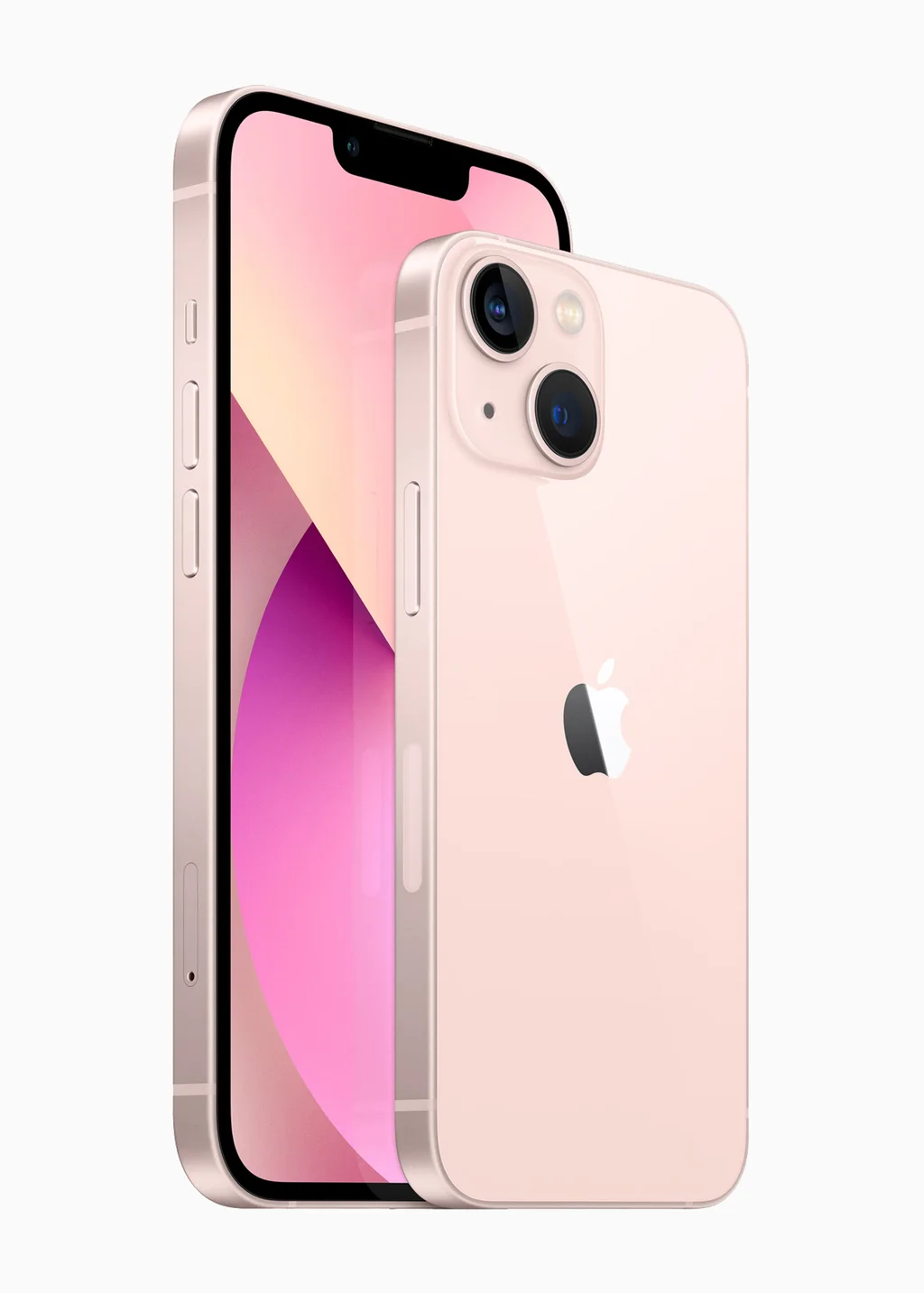
I should probably get a new phone, but I can’t bring myself to do it. Not until the experience of using my iPhone 13 mini becomes so miserable that I have no other choice but to trade it in for a bigger, better model.
I am not alone in my stubborn act of technological resistance. There is a small but passionate group of like-minded people who refuse to let go of their minis. They gather in online forums, trading advice on how to keep an iPhone mini running after years of daily wear and tear. They smugly set their beat-up hardware on the table next to their friend’s PopSocket-ed phablet. Often, they can be found digging frantically through their bags for a portable charger because their device is, yet again, hovering dangerously close to zero percent battery.
The cult of the iPhone mini is alive and well, and why shouldn’t it be? It is arguably the perfect phone for our current moment. Holding on to an older, smaller phone represents an intriguing path forward at a time when consumers are constantly experiencing whiplash between the relentless promises of rapid tech advancements and an earnest, growing desire to reclaim their lives from their devices.
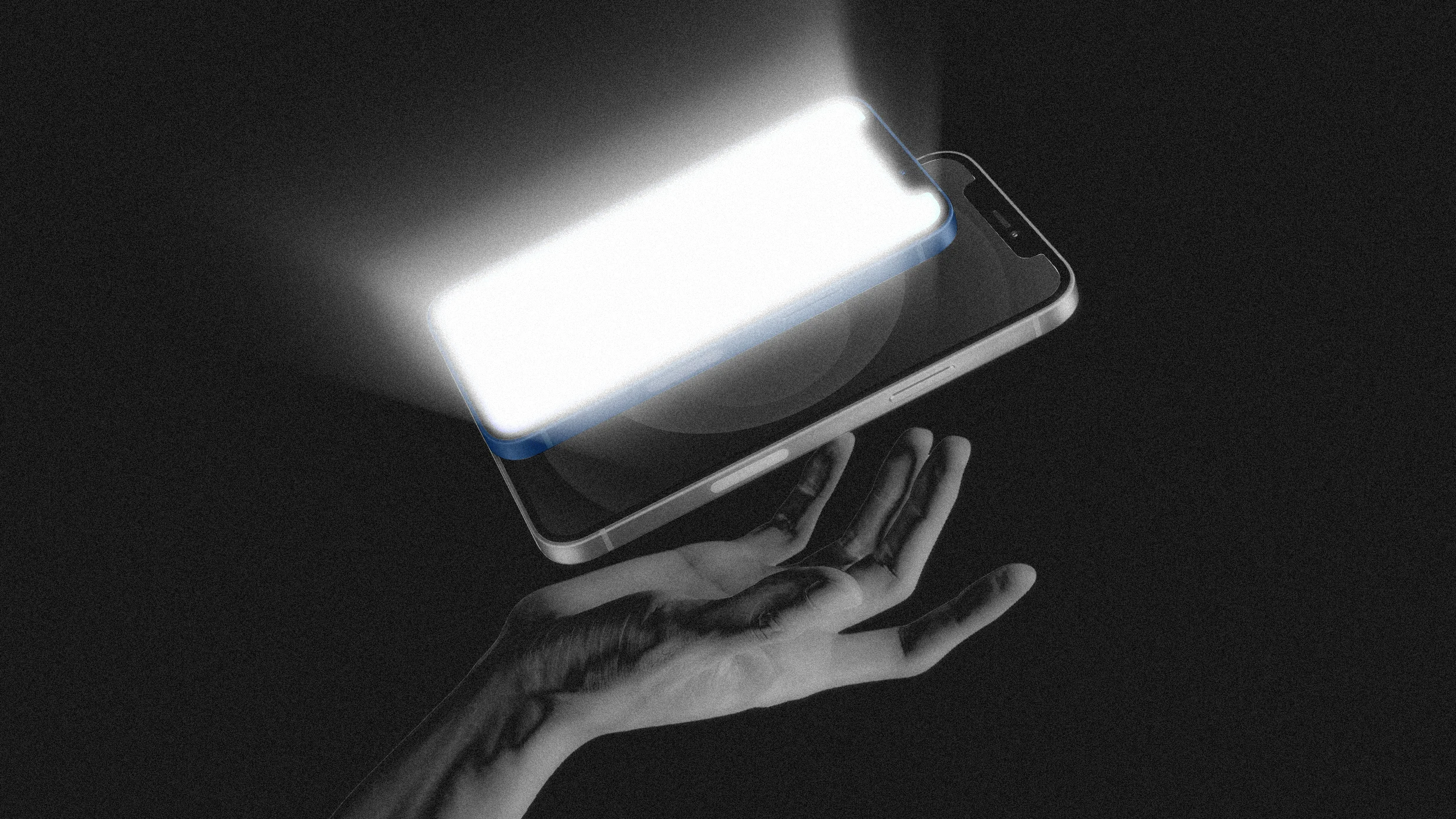
iPhone mini devotees are not naive dumbphone Luddites, nor are they the type of early adopters to pick up the iPhone Duo at launch. Instead, they sit comfortably somewhere in the middle of those two extremes, acknowledging a fundamental truth that most modern Silicon Valley companies can simply no longer afford to accept: that sometimes, it is entirely okay for technology to just be good enough.
A Compact History of Growing Phones
“We’ve designed something wonderful for your hand, just wonderful,” Steve Jobs told a rapt crowd in 2007, proudly holding up the first-generation Apple iPhone. “It’s got a 3-and-a-half-inch screen on it. It’s really big.”
Jobs wasn’t exaggerating for effect. At the time, the original iPhone—measuring 4.5 by 2.4 inches with a compact 3.5-inch screen—was a dramatic departure from the chunky, low-resolution screens found on contemporary BlackBerries and Palm Pilots. Instead of relying on a physical keyboard or a plastic stylus like its smartphone predecessors, Apple introduced a totally new, revolutionary mode of interaction for the iPhone called multitouch.
That screen size, which once felt revolutionary and expansive to users transitioning from flip phones and early enterprise devices, soon became the baseline standard. Over the ensuing years, however, mobile technology underwent a steady, relentless expansion. As mobile web browsing, streaming video, and high-end gaming became the dominant ways people interacted with their mobile devices, manufacturers responded by steadily increasing display dimensions.
Consumers were told year after year that bigger was inherently better. Pockets grew deeper, bags grew accommodating, and phones steadily evolved from pocket-sized tools into massive glass slabs measuring over six inches diagonally. For many, these phablets offered incredible screen real estate for media consumption. But for a dedicated subset of users, the expansion came at a steep cost to ergonomics, pocketability, and one-handed usability.
When Apple introduced the mini form factor, it felt to these users like a long-awaited homecoming. It offered modern internals, capable cameras, and iOS support packed into a housing that actually fit comfortably inside a palm or a standard pocket without requiring a gymnastics routine of thumb-stretching.
Now, with Apple having phased out the mini line in favor of larger standard and Plus models, those who bought into the compact ecosystem are guarding their aging hardware fiercely. They are stretching the lifespans of their devices through sheer willpower, battery replacements, and a healthy dose of nostalgia.
As software updates grow heavier and demanding applications push these aging processors to their thermal limits, the physical degradation of the hardware becomes more apparent every day. Yet, for these users, the minor inconveniences of a half-day battery life and sluggish performance are a small price to pay. They continue to hold the line against the march of the phablet, waiting for the day their device finally gives out, while hoping against hope that the industry might one day remember the ergonomic joys of a phone designed to fit comfortably in the human hand.