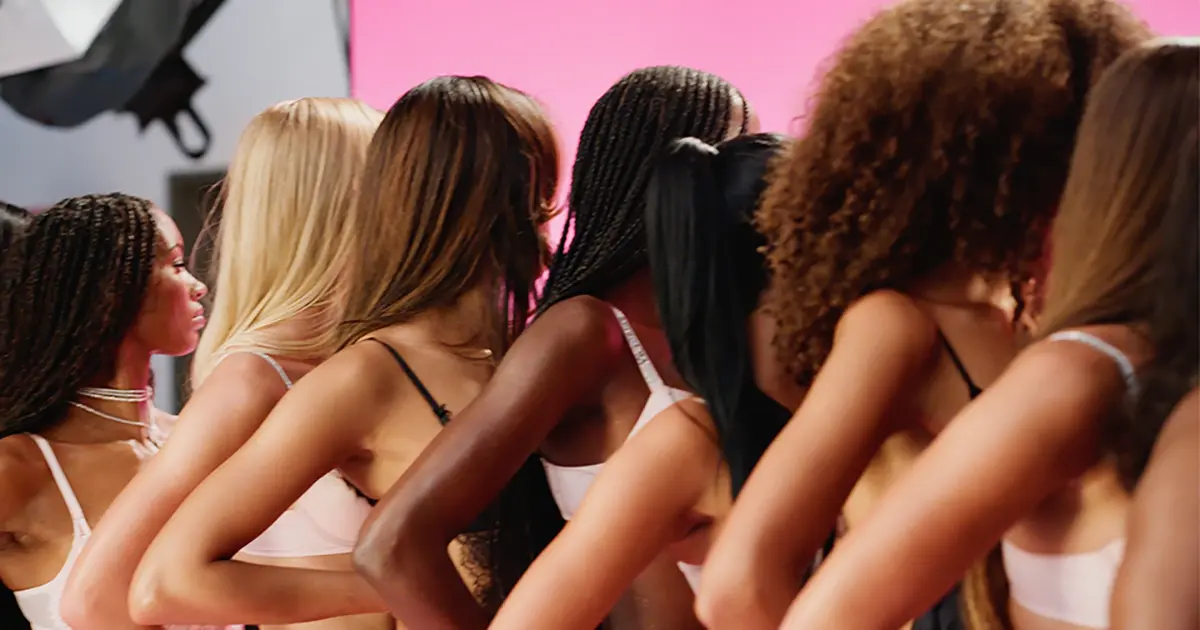
After years of meticulously rebuilding its brand image and steering away from the controversial exclusivity that defined its past, Victoria’s Secret is once again reshaping its most iconic cultural touchstone—the Victoria’s Secret Fashion Show. The newly reimagined event is stepping away from the ultra-guarded, elite spectacles of yesteryear, pivoting instead toward an experience that feels considerably more communal, interactive, and accessible to the everyday consumer. From public ticket drops to an expansive nationwide search for a brand-new Angel, the lingerie giant is working hard to prove that its high-profile runway can be shared with the masses.
This year’s heavily anticipated Victoria’s Secret Fashion Show is scheduled to take place in Los Angeles on Sunday, October 18, bringing a fresh West Coast energy to the brand’s return to the physical runway. Recognizing the shifting habits of modern media consumption and the immense power of digital engagement, the company is ensuring the spectacle reaches a global audience. The show will stream globally across YouTube and the brand’s official social channels, opening up the front row to millions of viewers worldwide in real-time. Capitalizing further on digital interactivity, the broadcast will be immediately followed by the brand’s very first post-show TikTok Live, bridging the gap between traditional runway glamour and direct, real-time social media engagement.
This marks the second consecutive iteration of the show produced under the strategic direction of Elizabeth Preis, who stepped into the role of chief marketing and customer officer in May 2025. Preis, who has been tasked with guiding the brand through its ongoing modern era and solidifying its cultural relevance, has focused heavily on shifting the consumer relationship from one-sided spectatorship to shared participation.
Reflecting on the evolution of the brand’s modern marketing strategies, Preis shared insights with ADWEEK regarding the philosophy behind the shift. She noted that after closely observing how passionate fans gathered together in living rooms, watch parties, and digital spaces to experience the 2025 event, Victoria’s Secret recognized a distinct opportunity. The leadership team wanted to make sure this year’s presentation felt much more participatory, transforming the runway broadcast into a celebratory night centered around fun, community, and friendship rather than unapproachable perfection.
This strategic evolution comes after a turbulent multi-year period for the lingerie retailer, which once dominated the cultural conversation with its heavily produced, highly criticized traditional runway shows. Following years of declining sales, shifting consumer values, and mounting pressure to embrace inclusivity in sizing, casting, and messaging, the company canceled its annual televised fashion show in 2019. The brand subsequently embarked on an exhaustive, multi-year corporate and creative overhaul.
The return of the fashion show, which was initially revived following the hiatus, has served as the ultimate testing ground for this renewed brand identity. By opening up ticket drops to the public and actively seeking out fresh faces through a nationwide search for a new Angel, Victoria’s Secret is signaling that its doors are wide open. The brand is no longer just presenting a fantasy to be watched from afar; it is inviting its audience to actively participate in the creation of its next chapter. As the countdown to the Los Angeles runway continues, the eyes of the fashion and retail industries remain fixed on how this balanced blend of legacy glamour and modern accessibility will resonate with today’s digitally native consumer base.