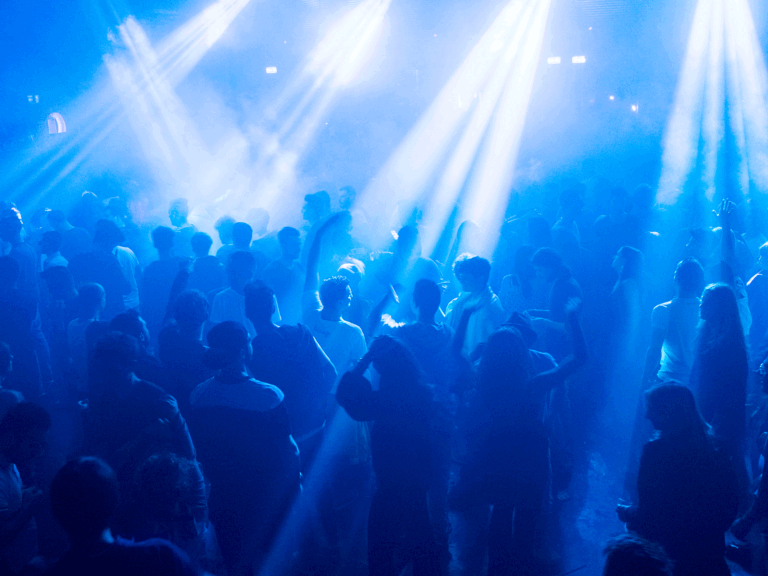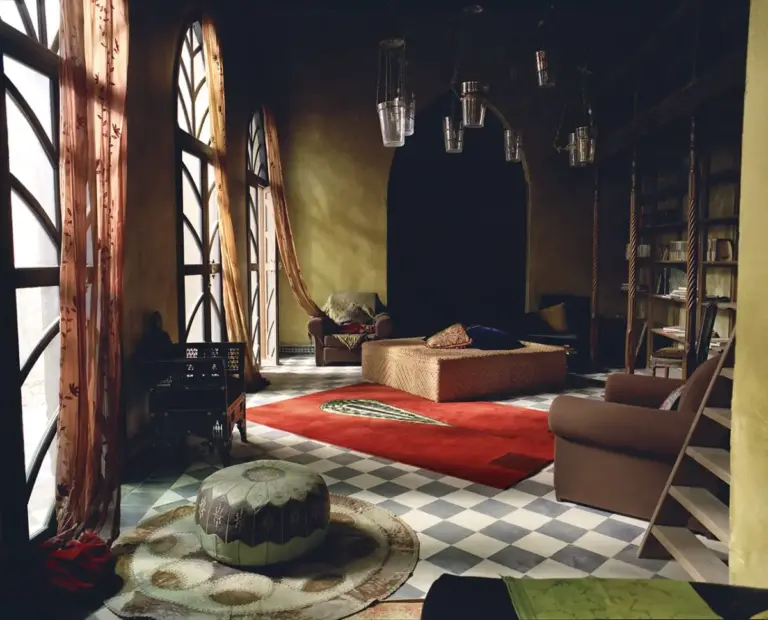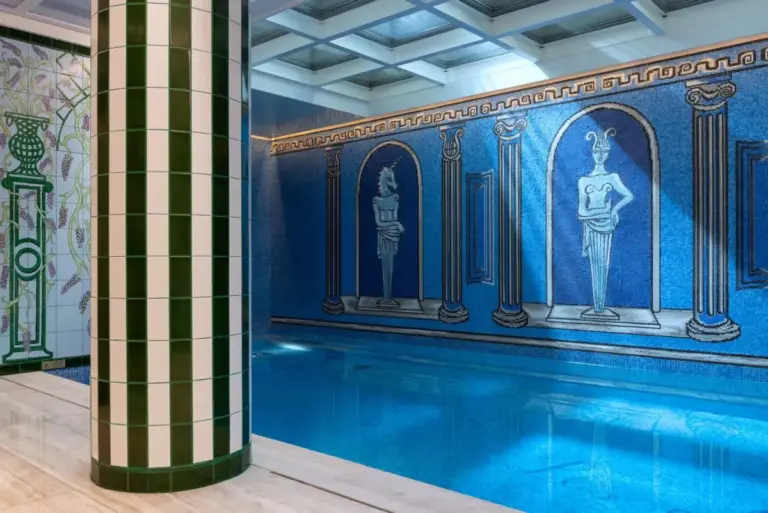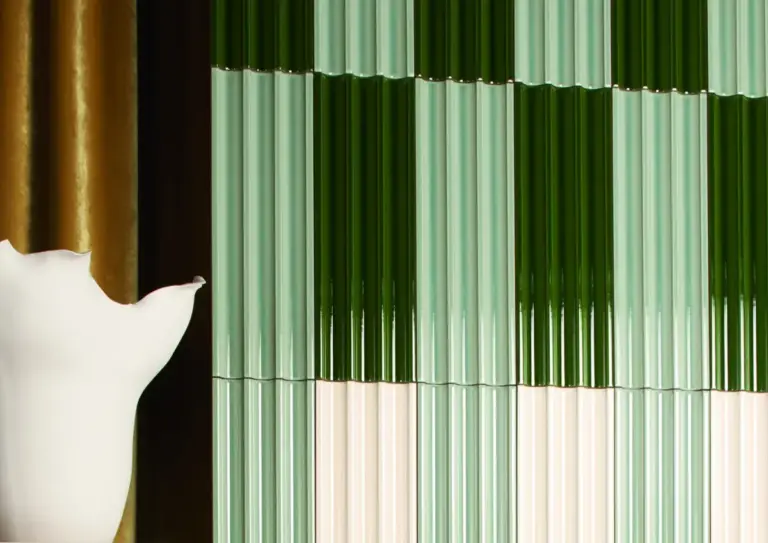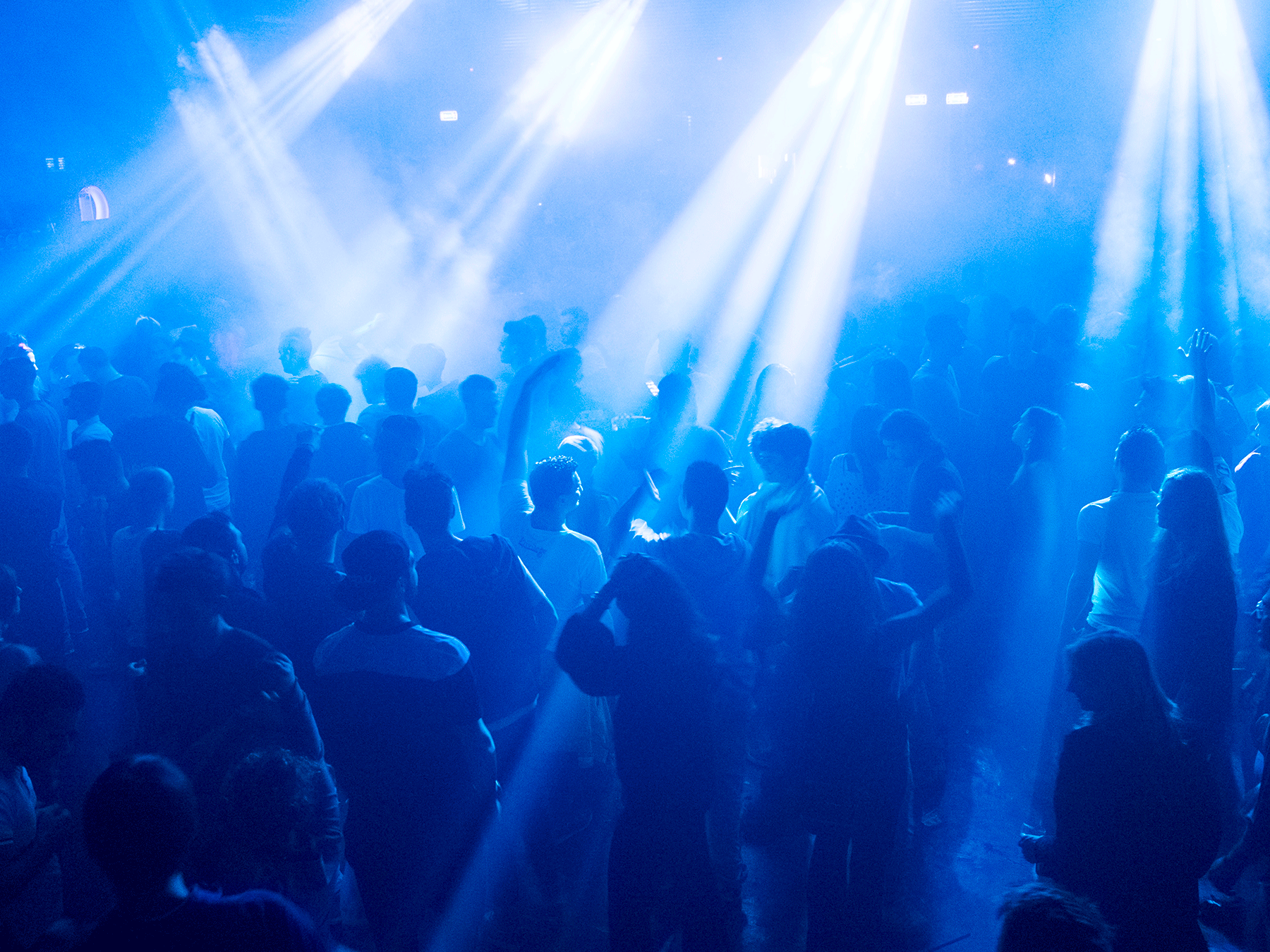
Italian photographer Giovanna Silva has spent years documenting the transient, highly malleable spaces of European nightlife, tracing an architectural evolution that stretches from the grand discotheques of the 1960s to the improvised, underground dance floors of the contemporary scene.
Her long-term exploration of club culture—initially sparked by a commission for the Monditalia section at the 2014 Venice Architecture Biennale—has culminated in her comprehensive book, NIGHTSWIMMING: Discotheques from the 1960s to the Present. For Silva, who admits she entered the project with an outsider’s perspective, this unfamiliarity ultimately served as an advantage, granting her a detached and unconventional lens through which to examine spaces typically shrouded in darkness, haze, and sensory overload.
Documenting the Ephemeral Spaces of the Night
When Silva was first approached to study the architecture of Italian nightlife, she found herself navigating an entirely foreign domain. Discotheques, by their very nature, are architectural chameleons. Unlike museums, offices, or residential buildings designed for permanence and structural longevity, clubs are subject to constant metamorphosis. They must rapidly adapt to shifting cultural fashions, evolving musical genres, and the relentless march of lighting and sound technology.
Because clubs change their appearances so frequently, Silva and her collaborators initially turned to archives and published books to map out their research. These historical texts did more than just supply floor plans and historical data; they introduced Silva to the key human players who shaped the nocturnal landscape—critics, visionary architects, pioneering DJs, art directors, and club owners. She refers to these figures collectively as the "night swimmers."
After mapping the topography of Italian nightlife, the project expanded to examine the contemporary state of the art in four major European cultural capitals: Berlin, London, Paris, and Barcelona. Selecting the right locations within these sprawling metropolises presented a formidable curation challenge. While the Venice Biennale installation required an exhaustive survey, the subsequent book demanded a highly selective approach. Silva focused on clubs that held deep social and musical significance while offering genuine architectural intrigue.
Her lens captures spaces that define our modern perception of the night, highlighting a growing urban trend: non-traditional spaces that were never originally intended to function as discotheques are increasingly being occupied and transformed into temporary party locations. In many ways, Silva notes, this phenomenon represents the formal legalization and mainstreaming of the raw, spontaneous rave culture that first emerged in the 1990s.
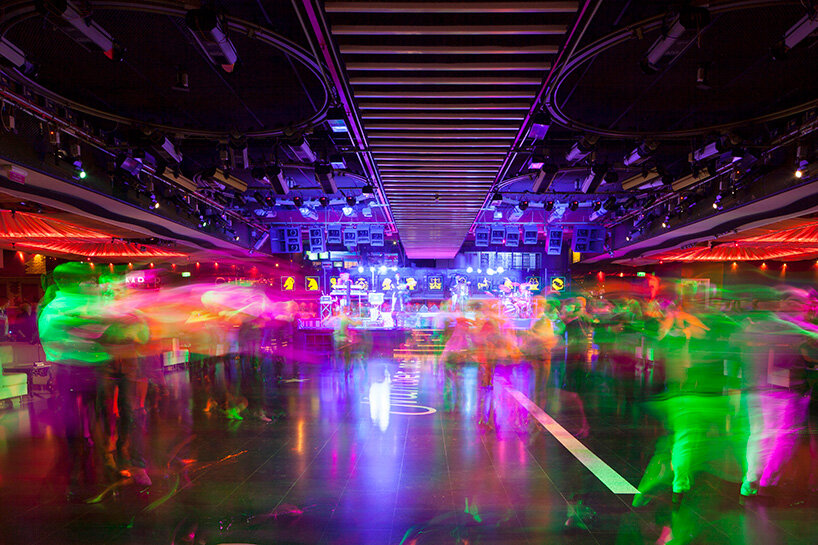
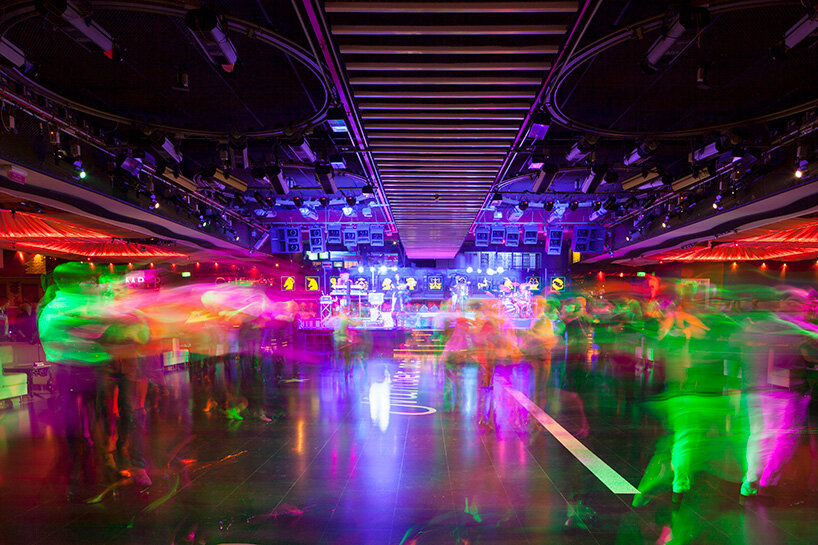
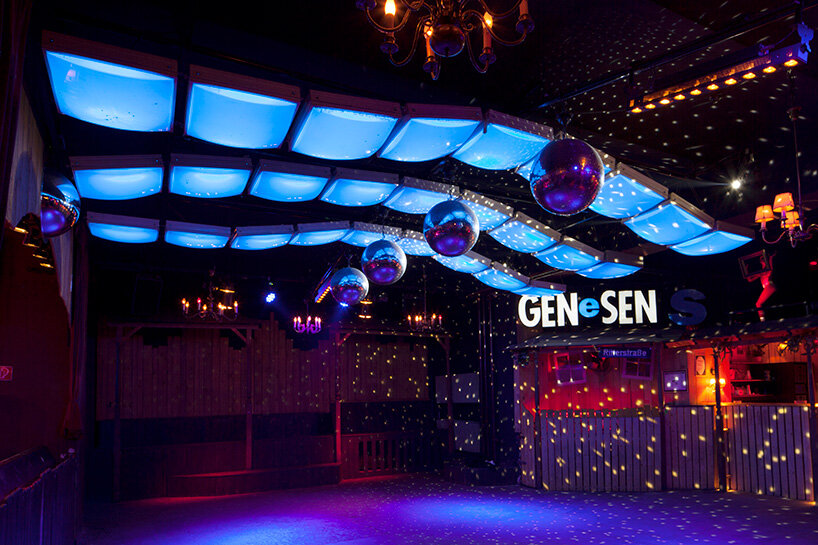
By photographing these venues in alternating states of emptiness and congestion, Silva’s work illustrates how crowds of bodies can utterly erase the conventional perception of architectural space.
The Sensory Markers of the Nocturnal Landscape
Stepping inside these venues during daylight hours—when most of her architectural photography took place—provided Silva with a starkly different sensory experience than what the typical partygoer encounters. Yet, certain atmospheric constants remained unchanged regardless of the city or the decade.
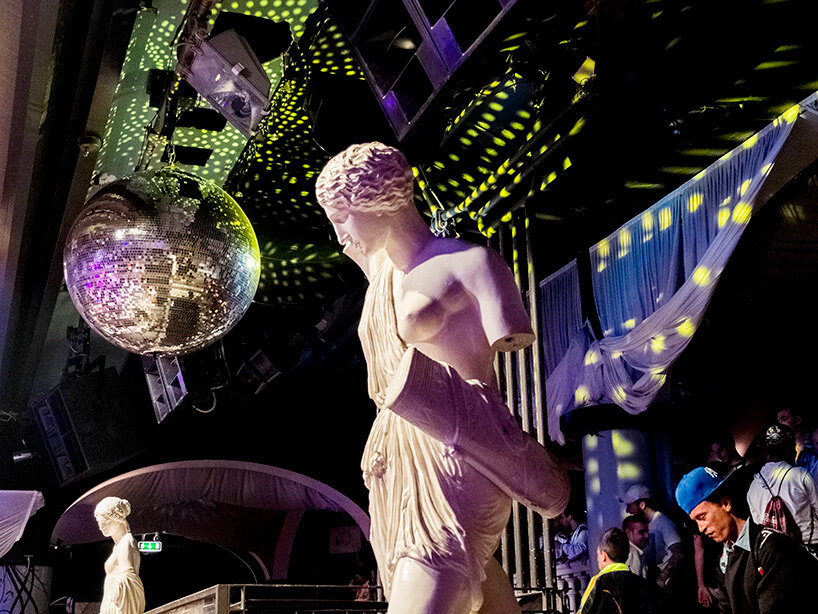
The first element to strike Silva upon entering a dormant club was invariably its distinct smell. Describing it as a nocturnal version of Proust’s madeleine, she observed that this olfactory signature lingered across nearly every venue she visited. It remained an unresolved mixture that she continues to parse: is it simply the lingering scent of aggressive industrial cleaning products, or is it the authentic smell of the night itself—a lingering chemical cocktail of human presence, residual smoke, and potent detergents?
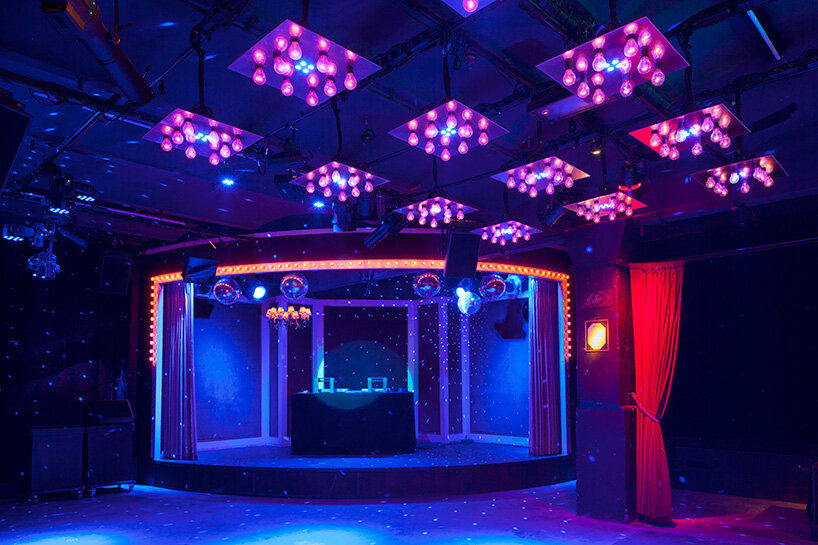
Beyond scent, the defining element of any discotheque is light. As Silva puts it, light is everything. She recalls being told by industry veterans that discotheques are much like old ladies: they should never be seen without their makeup. Fully endorsing this sentiment, Silva recognizes that artificial illumination performs the heavy lifting in these spaces, fundamentally transforming physical rooms at the simple flick of a switch.
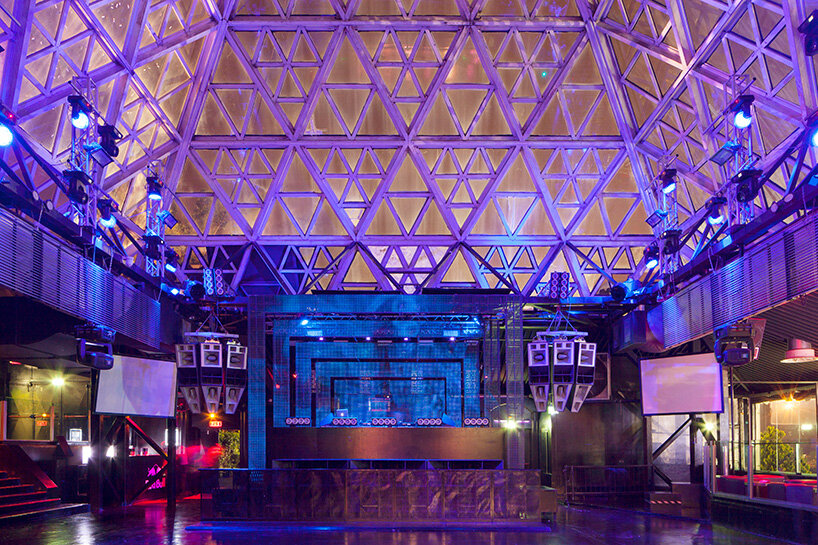
To capture the raw architecture beneath the illusion, Silva deliberately shot several photographs under stark white light. This clinical, unsparing illumination flattens the dramatic shadows and reveals the naked bones of rooms usually masked by lasers, strobes, and darkness. Through this process, a subject that initially felt alien and daunting to the Milan-based photographer gradually transformed into something deeply familiar, a transition she attributes to the guides and creators who took the time to explain the complex mechanics of the night.
A Multifaceted Artistic Career
Born in 1980 and based in Milan, Giovanna Silva maintains a multifaceted career spanning photography, architectural research, publishing, and education. Her extensive portfolio of authored books includes titles such as Days without Number, *Napoli*, Black Coffee No Sugar. Genova, Milan. City, I listen to your heart, Islamabad Today, Imeldific, Tehran*, and numerous photographic explorations of cities and conflict zones around the globe, including Baghdad, Damascus, Kabul, and Tripoli.
Silva’s work has been exhibited at prestigious institutions such as the MACRO in Rome, the Fondazione Bevilacqua la Masa in Venice, the Triennale in Milan, and the American Academy in Rome. Beyond her independent photographic projects, she is the founder of Humboldt Books and San Rocco Magazine, and she has previously contributed her editorial expertise as a regular writer for Domus and as the photo editor for Abitare. Today, she shares her knowledge with the next generation of creatives as a faculty member at NABA Milan and ISIA Urbino.