A notebook that stubbornly traps every page in place, a charging cable that awkwardly jabs straight into your palm, or keys that mysteriously vanish into thin air between coming home and heading back out again. These are rarely categorized as dramatic design failures, yet they represent the persistent, low-level irritations that quietly make everyday objects harder to live with. They also serve as fertile starting points for industrial designers who are willing to completely reconsider a standard clip, rethink a rigid connector, or reimagine the exact place an item belongs the moment you finish using it.
A recent curation of five Japanese everyday designs shines a spotlight precisely on these points of friction, tackling everything from the management of loose notes to the spatial geometry beneath a coffee dripper. Their ultimate appeal lies in remarkably straightforward, understandable interventions: a different fastening method, a moving joint, or a dedicated home for an object to return to. Rather than claiming that every item is entirely revolutionary or presenting a definitive hands-on ranking, the core inquiry is whether each thoughtful change genuinely earns its keep within a person’s daily routine.
MagBoard Clipboard
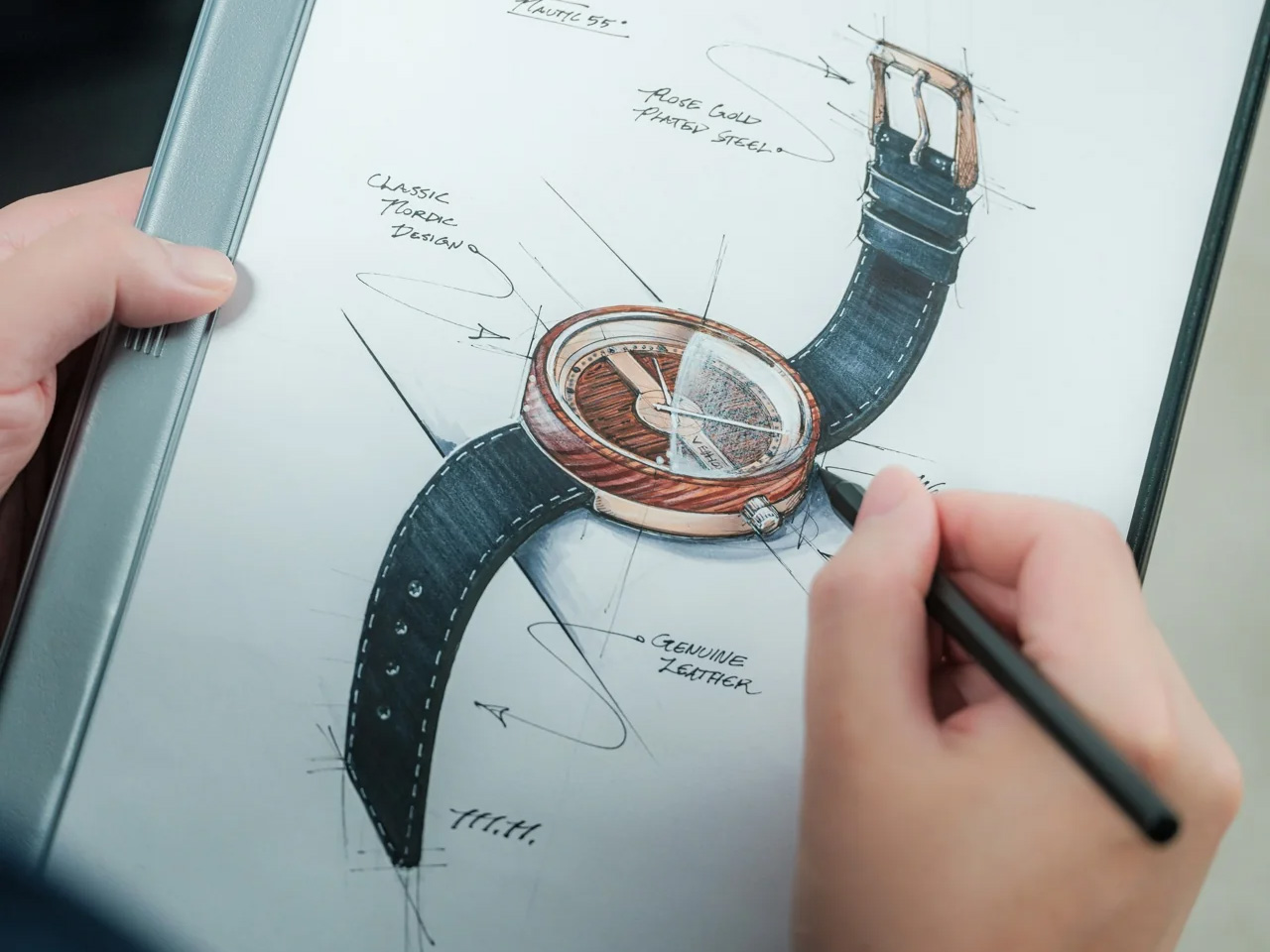
Traditional bound notebooks force users to decide where a specific thought belongs long before they can possibly know what that thought might eventually become. The MagBoard introduces a significantly looser approach to note-taking and sketching. Designed by the Hirock Design Office and manufactured in Japan, this innovative clipboard utilizes a clever magnet-and-lever mechanism designed to hold individual sheets of paper together securely.
Instead of being forced to tear pages out or awkwardly feed paper through traditional metal binder rings, users can effortlessly remove a single sketch, insert another page, or completely change the chronological sequence of their notes on the fly. This high degree of flexibility is particularly well-suited for evolving projects, dynamic brainstorming sessions, or shifting creative workflows.
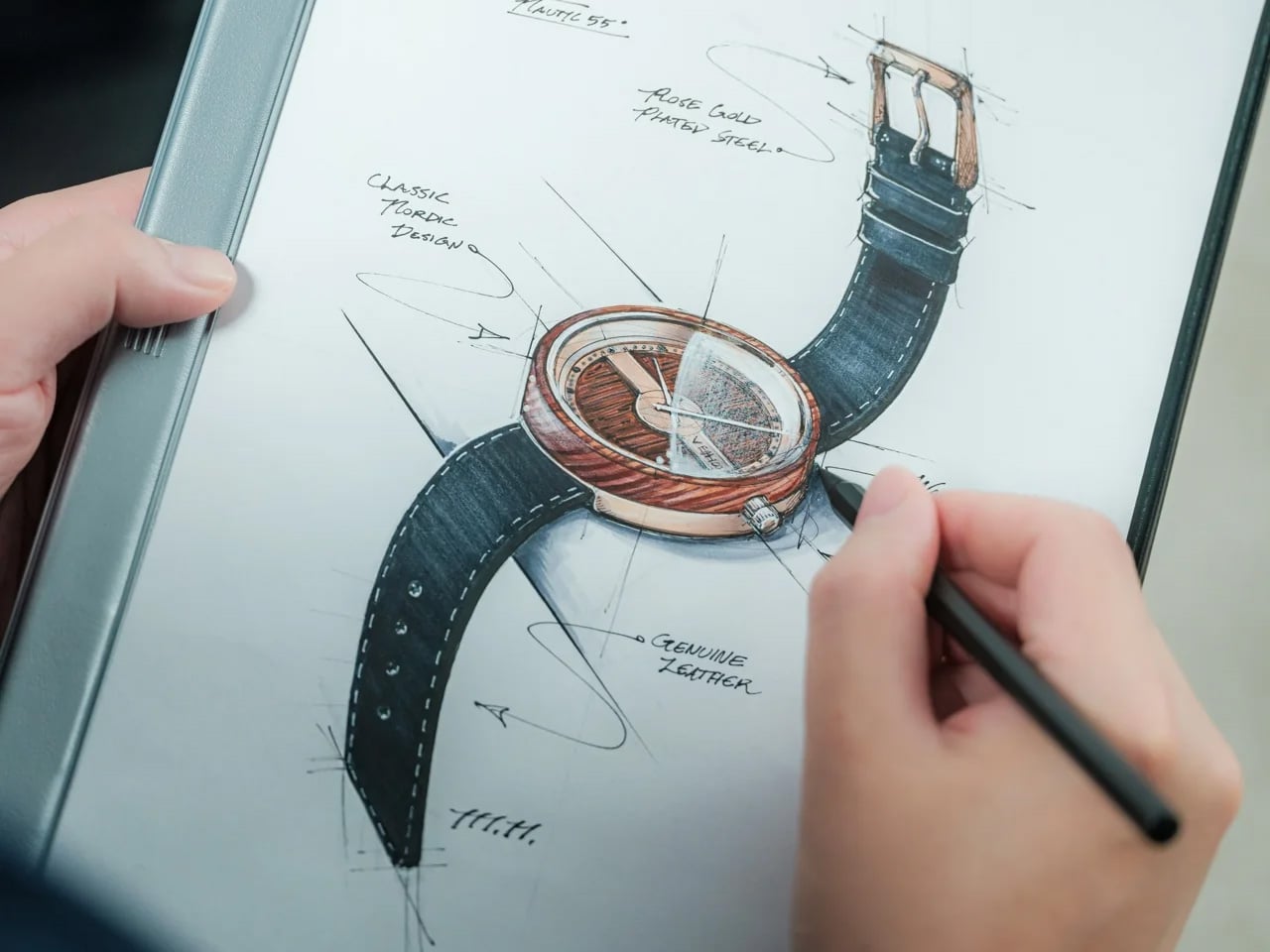
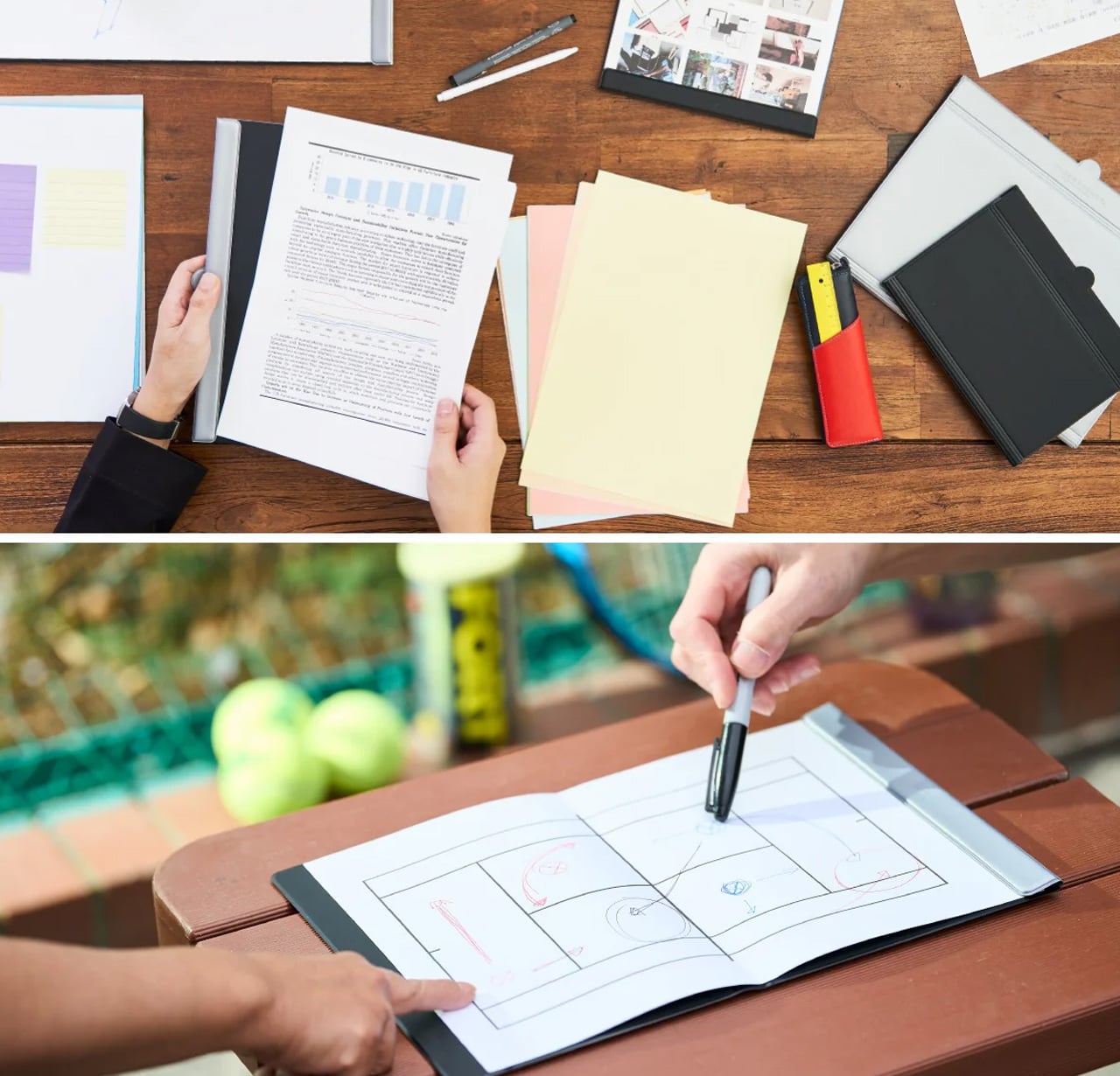
The clipboard’s rigid cover provides a stable, reliable writing surface whenever a traditional desk is unavailable, while available A4 and A5 sizes allow users to choose between expansive workspace and a more compact, portable carry. Its primary distinction lies in cleanly separating the paper from the physical structure holding it together. This feature could prove especially valuable for anyone who routinely collects meeting notes, works through rapid sketches, or mixes printed references with handwritten observations.
At the same time, it is important to note that the product is not a comprehensive filing system. Users must still devise a separate method to identify, sort, and store those loose pages over time, and the clip’s specified sheet capacity establishes a hard physical limit on how much it can hold. Priced at $45, the MagBoard shifts the paradigm of how loose paper is managed in professional and creative environments.
Kokuyo HAKOAKE Two-Way Portable Scissors
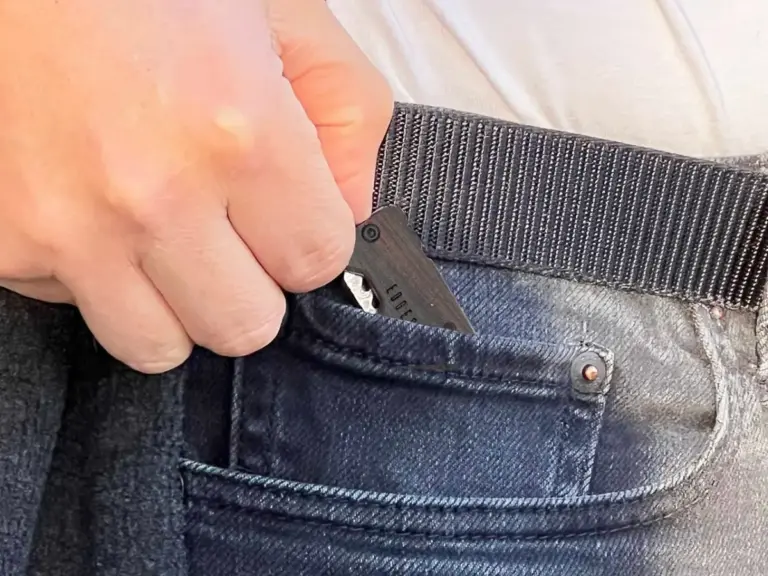
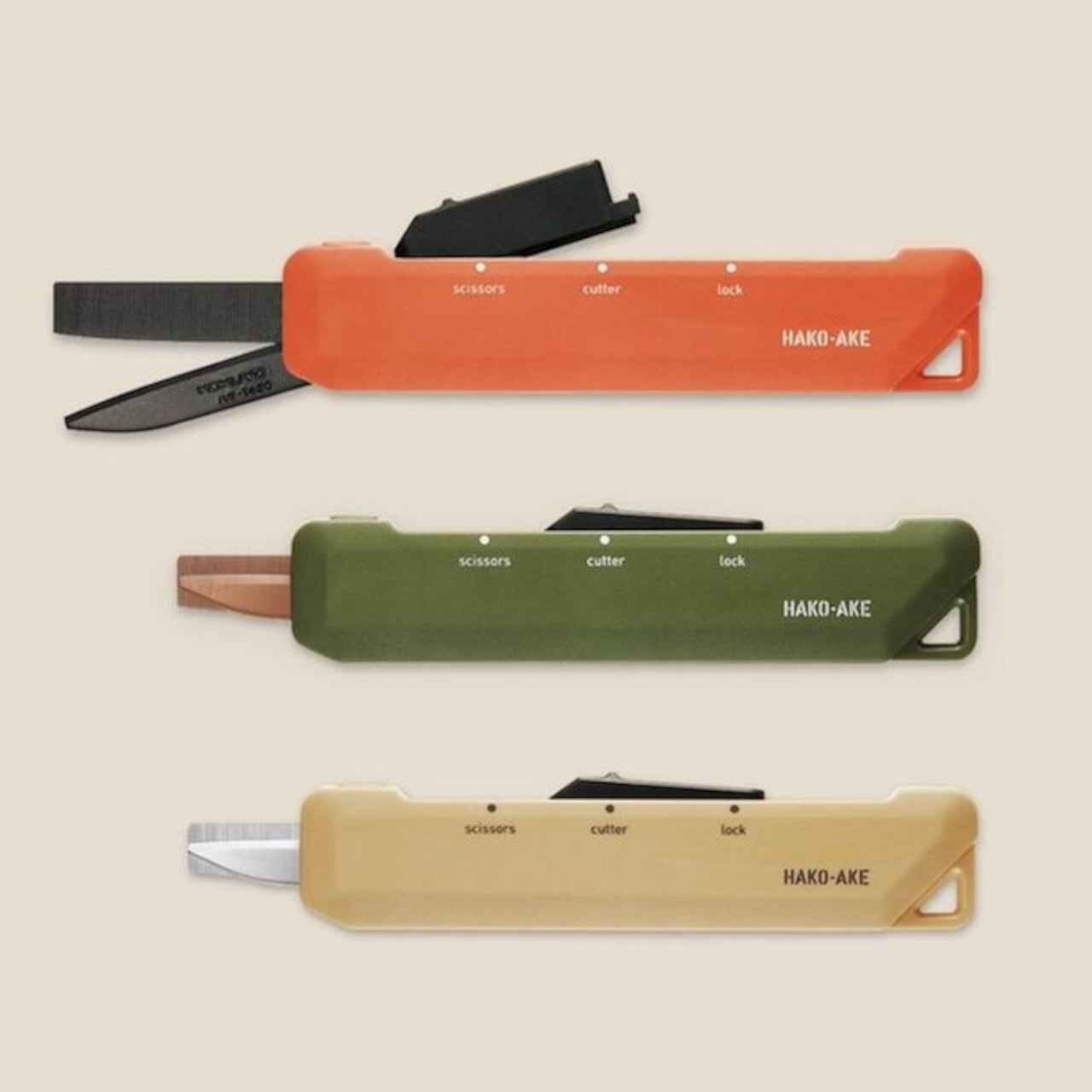
Opening a freshly delivered package often requires two entirely distinct cutting actions: first, slicing through heavy packaging tape, and second, snipping off a small cardboard tag, plastic hanging tab, or packing band. The Kokuyo HAKOAKE Two-Way Portable Scissors cleverly integrates both of these routine actions into a single, highly compact housing.
By squeezing the handle and sliding the built-in mechanism, users can seamlessly transition between two operational modes. In the dedicated cutter mode, a miniature 3-millimeter blade projects outward while the main scissor blades remain securely closed. With another simple switch of the mechanism, the tool transforms into a pair of small, functional scissors. Crucially, this design eliminates the need for a separate blade cap that can easily be set down, forgotten, and eventually discovered months later underneath a pile of desk clutter.
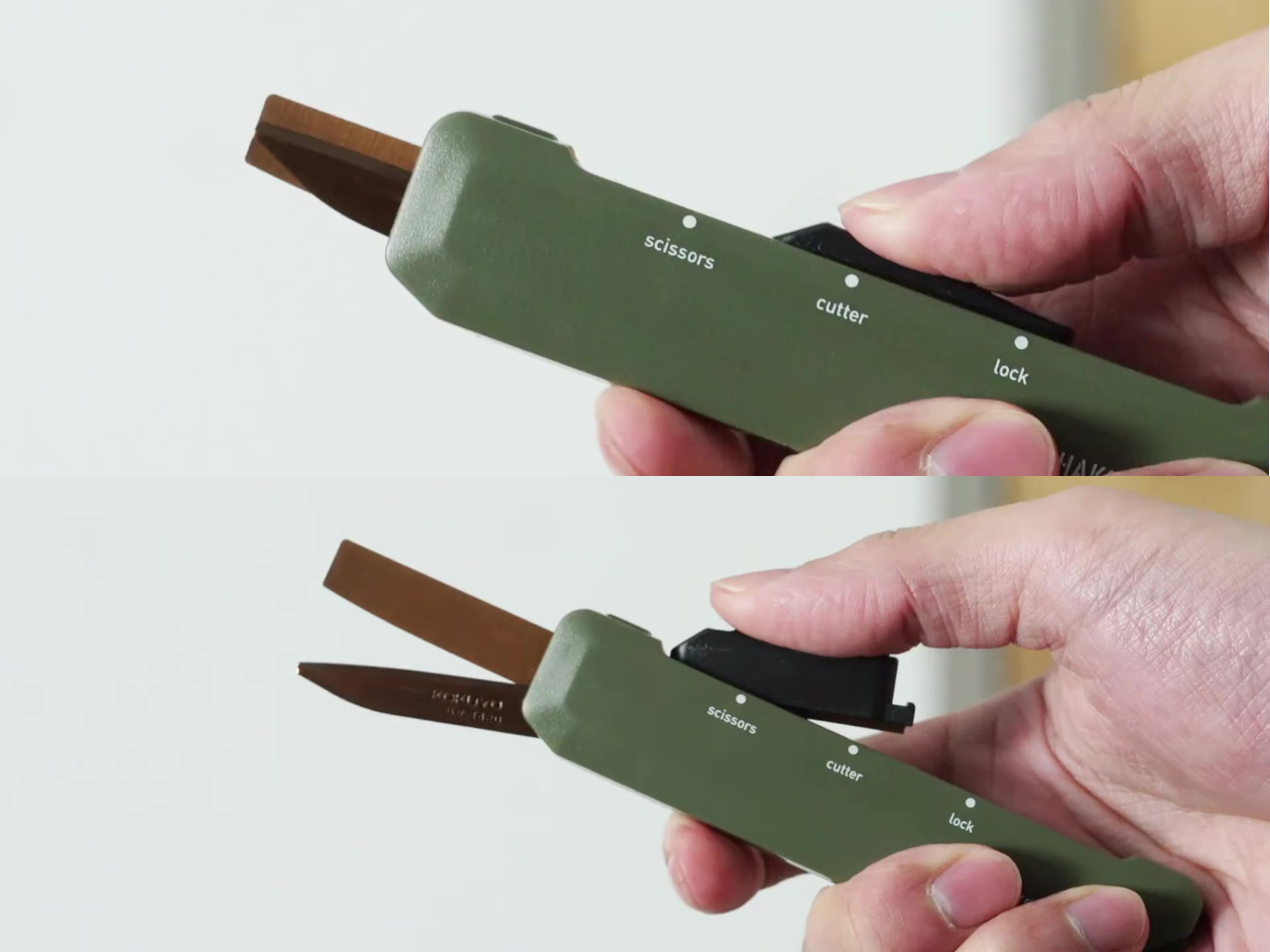
A built-in front guide helps users precisely position the tool against the edge of a box, while a convenient strap hole offers an alternative way to keep the compact instrument within arm’s reach. What makes the tool worth consideration is the logical relationship between the two distinct jobs it performs: because the exact same package frequently requires both slicing and snipping, combining them into one device makes intuitive sense.
However, users must keep the tool’s scale and intended purpose in perspective. Kokuyo explicitly warns against attempting to cut hard objects or excessively thick materials, including heavy corrugated cardboard and thick milk cartons. Manufactured in China for the renowned Japanese stationery brand, this instrument is designed as a lightweight packaging tool rather than a heavy-duty utility cutter.
Sanwa Supply Rotating USB-C Cable
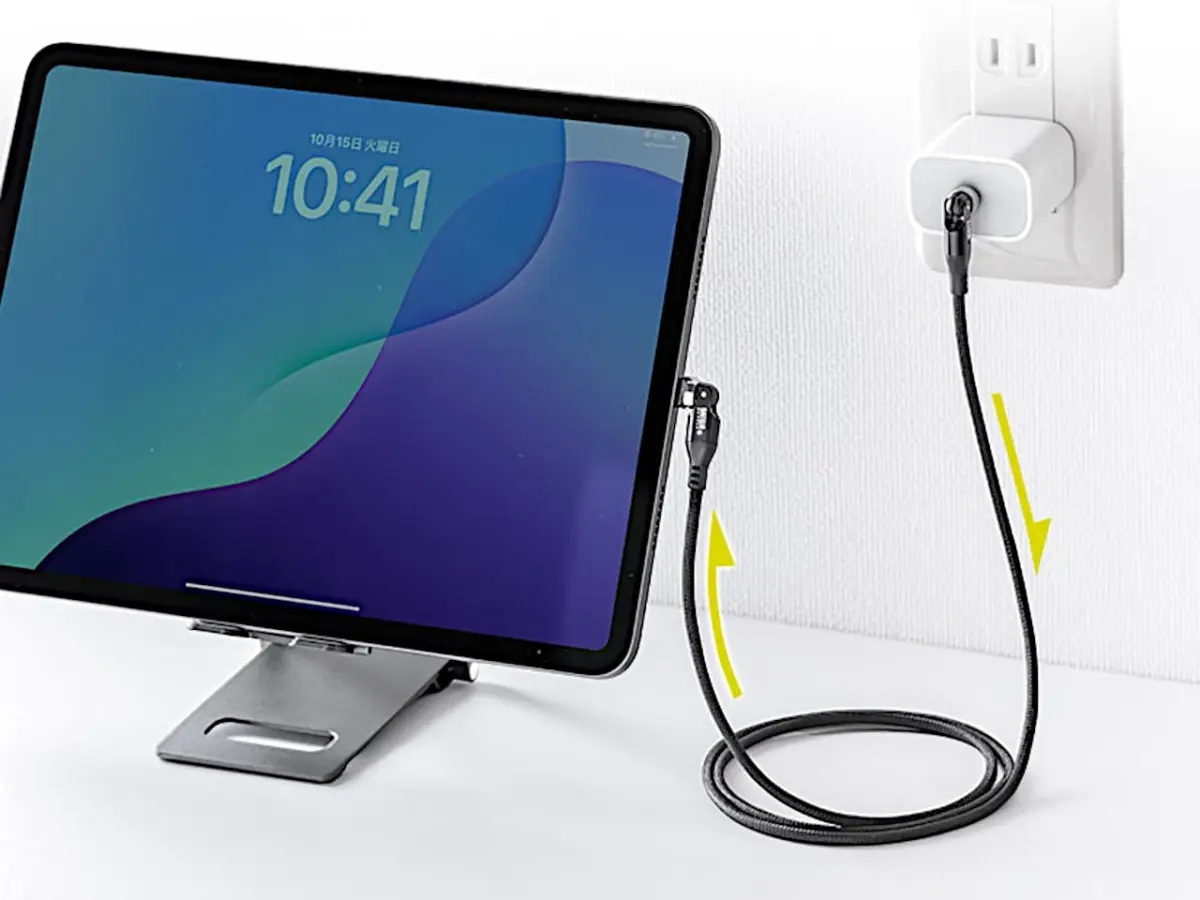
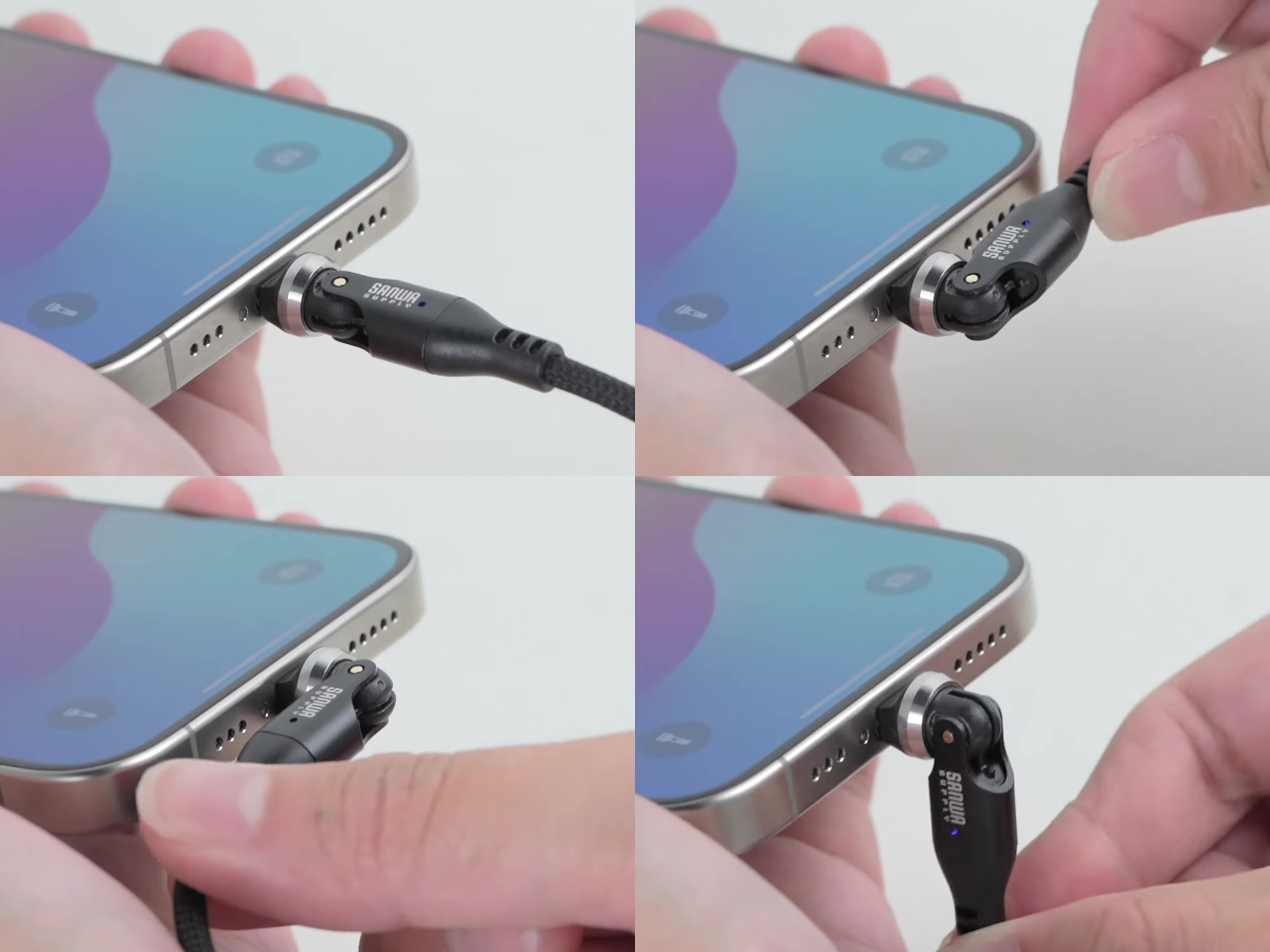
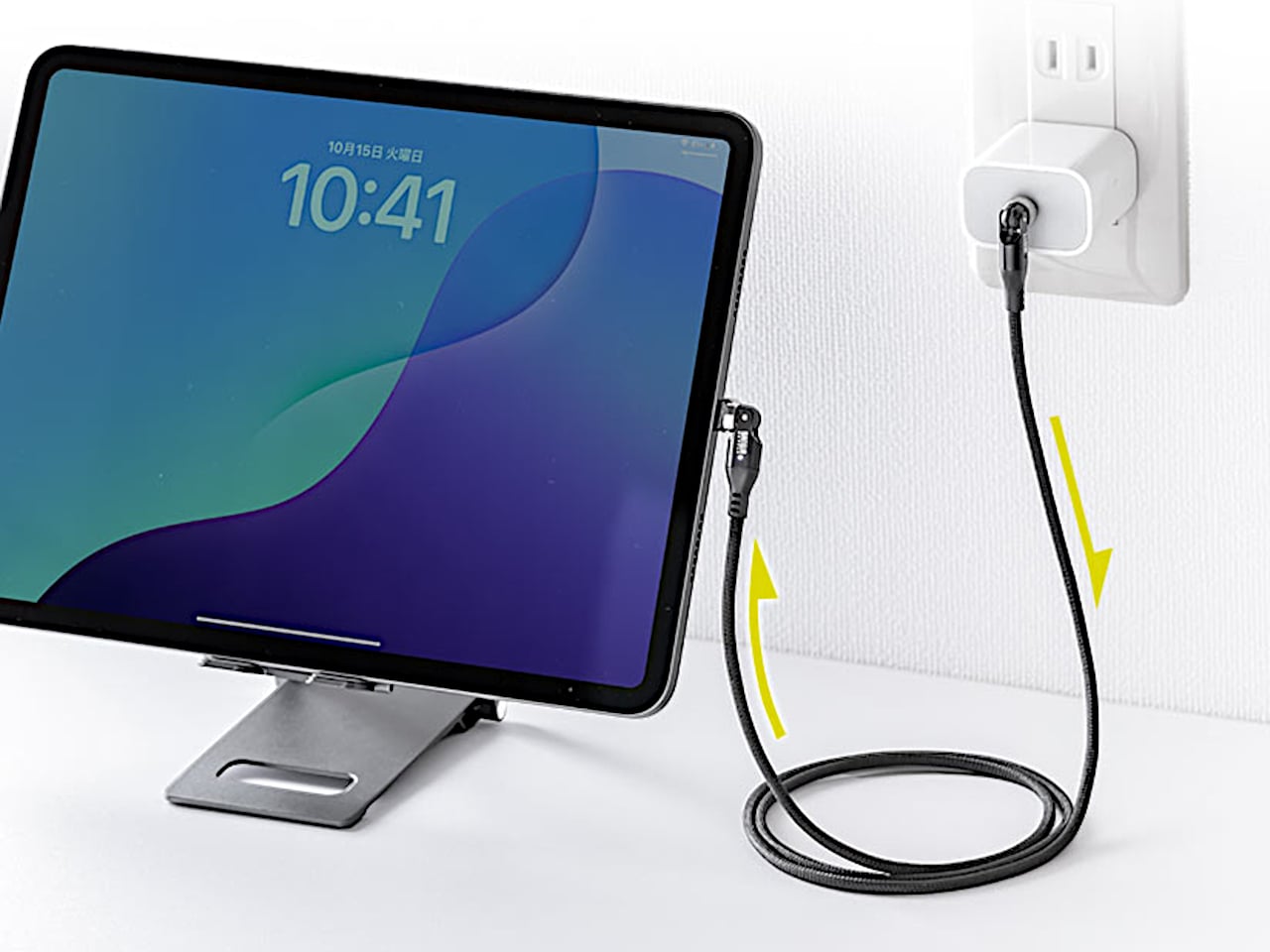
A standard charging cable can become surprisingly intrusive the moment a user rotates their smartphone into a horizontal orientation. The rigid connector ends up protruding directly beside the user’s fingers, forcing the cable to execute an awkward bend right around their grip. The Sanwa Supply 500-USB090 series addresses this frustrating geometry by incorporating connectors at both ends that are engineered to swivel through a full 180 degrees and rotate through a complete 360 degrees.
Instead of forcing the flexible cable to absorb every sudden change in direction or angle, the integrated joints allow the user to cleanly reposition the cable’s exit angle. The genuinely useful feature here is how and where the cable routes itself away from the device, rather than any superficial aesthetic choices.
Sanwa specifies that the cable supports up to 240W of USB Power Delivery, alongside standard USB 2.0 data transfer speeds of up to 480Mbps. It is worth noting that these specifications describe entirely separate capabilities: a remarkably high charging ceiling does not automatically transform the accessory into a high-speed file-transfer cable, nor will every connected hardware device automatically draw power at 240W.
For individuals who regularly hold and use their smartphones while they are plugged in and charging, the adjustable swivel ends represent the most compelling reason to evaluate the product. Whether these intricate moving joints will ultimately outlast a conventional, stationary connector would require long-term durability testing, but their immediate design purpose of offering easier and more ergonomic positioning is unmistakable.
Key Holder Wakka
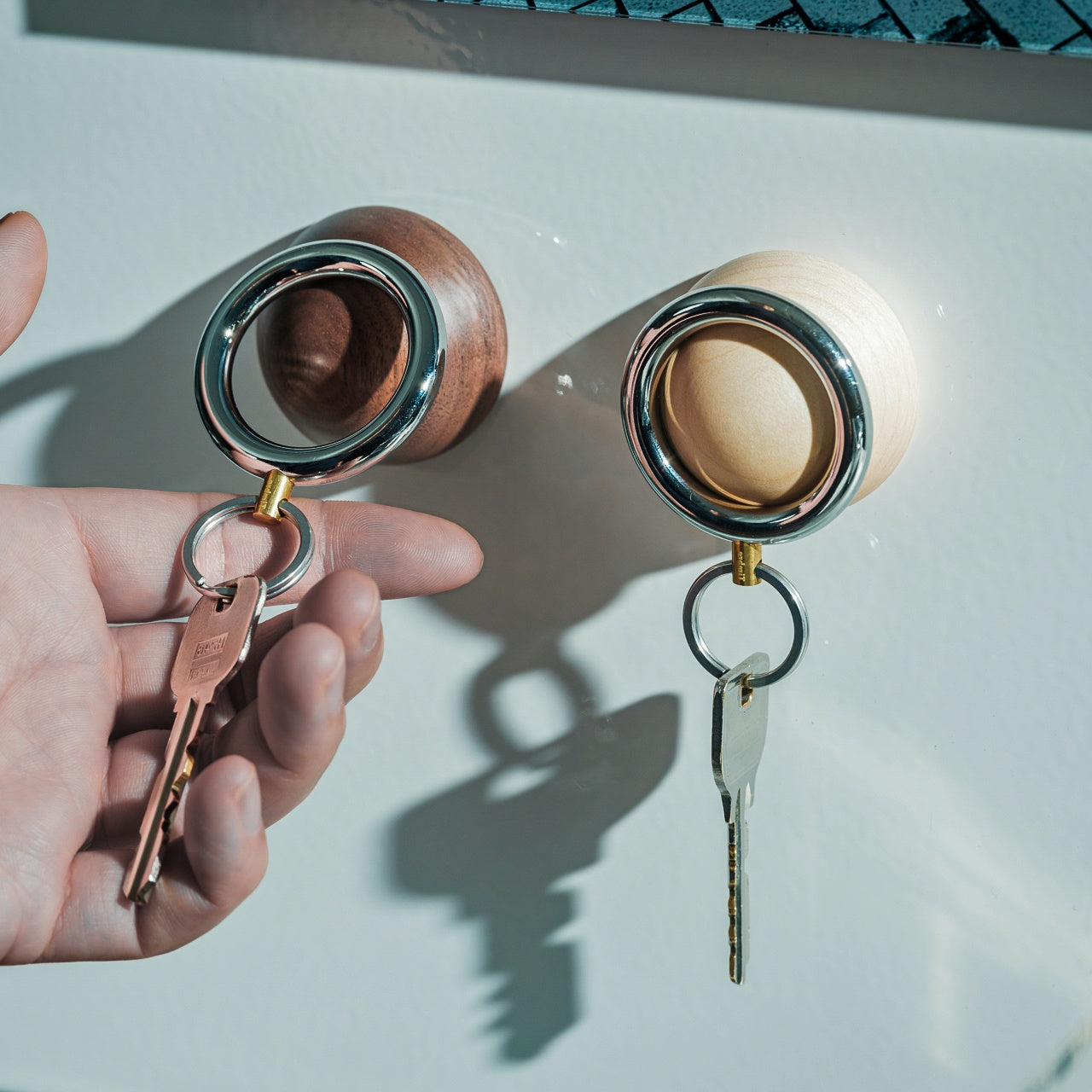
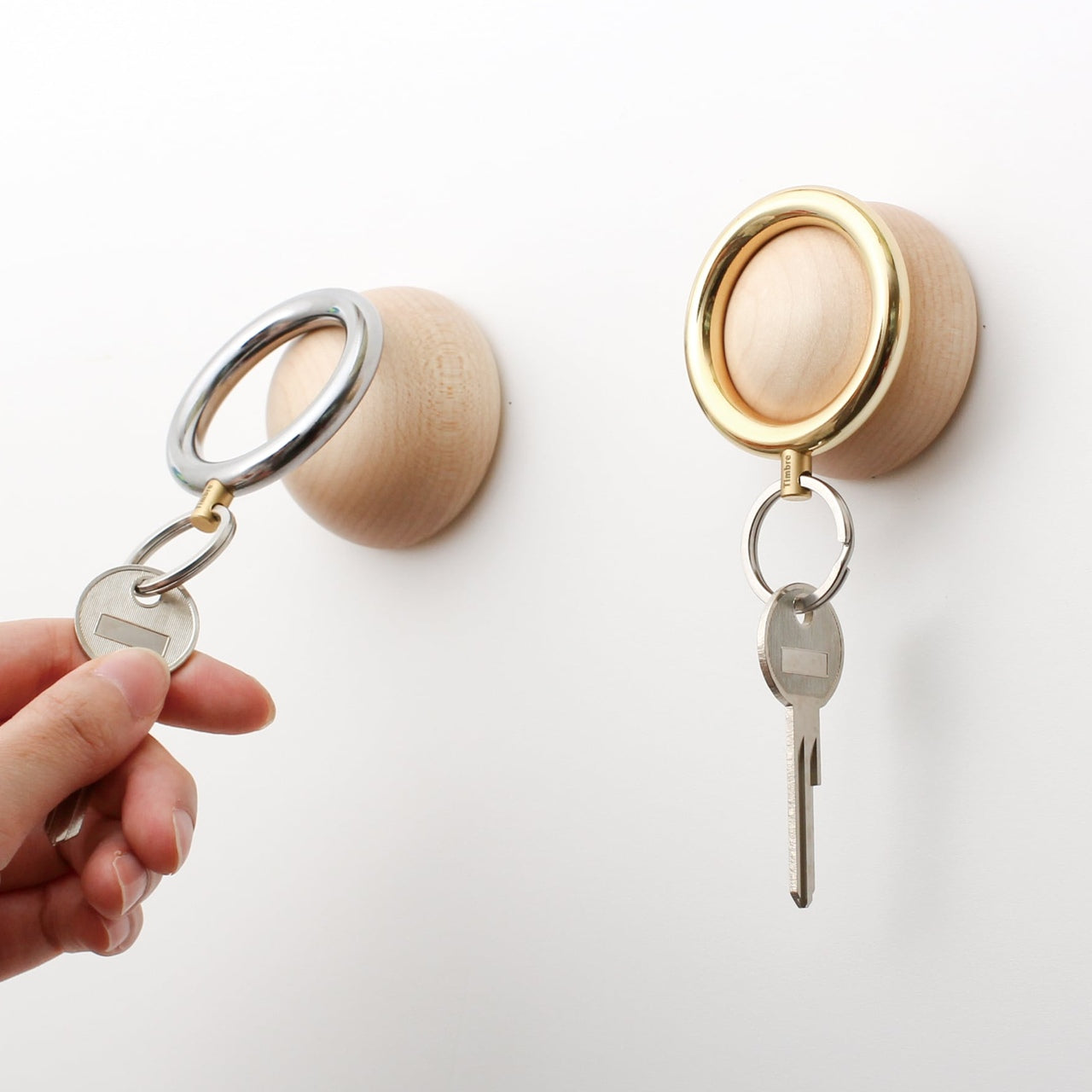
Keys inherently require very little physical space, which paradoxically contributes to part of the daily problem: almost any random flat surface can easily become their temporary, forgotten home. Designed by Mikiya Kobayashi, the Wakka gives the standard keyring a specific, dedicated partner in the form of a minimalist wooden base that houses a powerful neodymium magnet. Instead of hanging precariously from a conventional hook or being tossed into a messy bowl, the keyring attaches itself magnetically to the base. The product’s design also incorporates a subtle yet satisfying tactile and audible detail, producing a brisk tapping sound as the metal ring cleanly separates from the wood.
The most compelling aspect of this choice is how it treats the keyring and its resting place as a unified design problem rather than separate entities. Users carry one part throughout their day and return it directly to the other, successfully making storage an integrated part of using the object rather than an unrelated chore at the end of a long day.
This approach could appeal strongly to anyone seeking a designated, orderly location for their keys without resorting to a traditional catchall tray. Naturally, the system still relies entirely on personal habits. Priced at $50, the Wakka asks the user to place a tangible value on that specific, mindful interaction, though it naturally cannot assist in locating keys that have been mistakenly left behind somewhere else entirely.
Totetsu Wedge Coffee Dripper Set
A conventional pour-over coffee dripper typically relies entirely on whatever vessel happens to sit directly underneath it, borrowing its structural support from the rim of a mug or server. The Totetsu Wedge Coffee Dripper Set completely separates these two functional roles. Designed by Dai Furuwatari, the product pairs a conical stainless-steel coffee dripper with a sturdy iron stand, utilizing an adjustable wedge to secure the support structure at a customized height. By simply releasing the wedge, repositioning the assembly, and securing it again, the user can freely adjust the setup. The metal cone hovers directly above the receiving vessel rather than resting squarely on its rim, introducing an entirely new way to arrange the physical relationship between dripper, cup, and coffee server.
Both the heavy iron stand and the stainless-steel cone receive a traditional baked urushi lacquer finish, but the primary practical appeal remains the independent support structure. This configuration makes a great deal of sense for anyone whose preferred drinking vessel or server does not naturally accommodate a standard rim-mounted dripper, provided that the vessel fits comfortably beneath the stand.
Because the manufacturer does not publish a maximum usable clearance height, buyers are advised to check measurements carefully if they intend to brew into tall tumblers. Regular maintenance is also a crucial factor to consider: Totetsu recommends gentle washing for the stainless-steel cone, immediate drying after wiping down the iron stand, and the occasional application of natural oil or beeswax to protect the metal. It is not designed to be carefree, maintenance-free equipment.

Before investing in any clever everyday object, it is wise to carefully identify the exact moment in the day that requires a genuine change. A flexible tool is exceptionally useful when an existing item forces an awkward, recurring workaround, but it loses its persuasive power when the inconvenience barely registers as a bother in the first place. That distinction matters immensely with small accessories, where the enticing promise of an easier daily routine can sometimes be far more appealing than the reality of the routine itself. The smartest approach is to start with a genuine, recurring annoyance, and only then decide whether introducing another physical object is the correct solution.
It is equally important to look well past the initial, satisfying product demonstration. Consumers should double-check specifications like paper capacities, the specific materials a blade is safely rated to cut, the physical clearance dimensions beneath a stand, or the careful maintenance a specialized finish requires. Those fine details ultimately reveal far more about what it is like to live with a design than any clever mechanism can on its own. The strongest purchase is always the one whose practical limitations fit individual habits just as comfortably as its headline features, without inadvertently introducing a brand-new daily irritation that requires yet another workaround.