The prestigious Wildlife Photographer of the Year competition has announced its top honor for 2026, awarding Italian photographer Federico Veronesi the grand title for a deeply moving and emotionally resonant black-and-white portrait. Veronesi’s winning image, titled "The Aftermath," captures a female elephant carrying her deceased calf in the remote expanses of Namibia. The striking photograph provides a rare, unfiltered glimpse into the complex emotional and social behaviors of wildlife—territories of the animal mind that science is still striving to fully comprehend.
The achievement stands out in a landmark year for the long-running contest, which celebrated its 62nd anniversary by drawing a record-shattering 65,403 entries submitted by photographers hailing from 121 countries. The competition spans a vast array of genres, ranging from intense photojournalism and intricate botanical studies to complex behavioral portfolios and youth-focused categories. Veronesi’s image not only triumphed as the overall grand winner but also claimed the top position in the highly competitive Behaviour: Mammals category, cementing its place as one of the most powerful nature photographs of the decade.
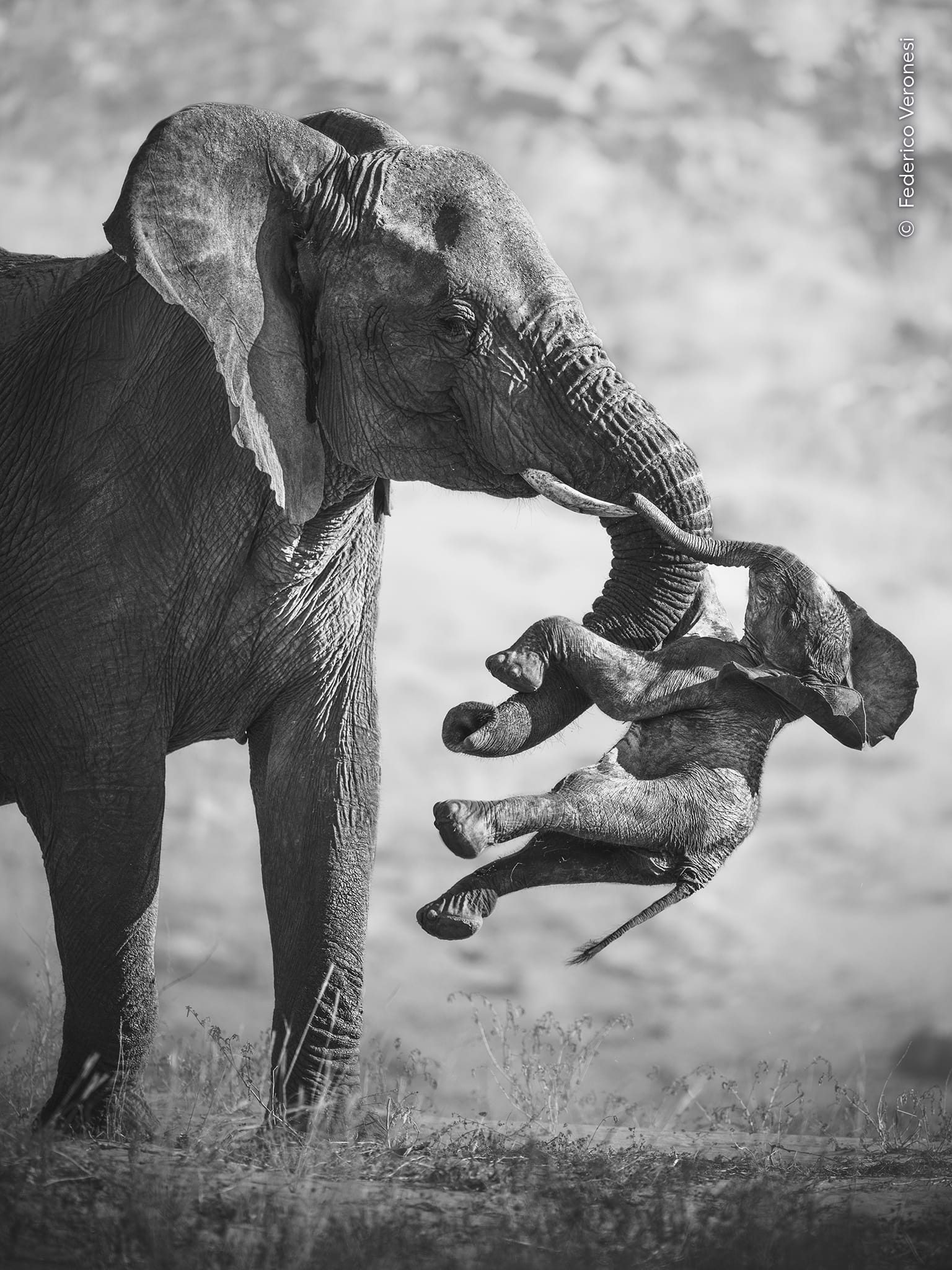
The story behind the image began in the rugged terrain of Namibia’s Huab River Valley. Veronesi had been patiently tracking a local family of desert-adapted elephants, reading the subtle signs left behind on the earth. Upon noticing a series of unusual drag marks in the sand and dust, he accelerated his pursuit, eventually catching up with the herd. As the elephants moved through the landscape, an adult female emerged from the group carrying the lifeless body of a young calf, its leg wedged securely between her trunk and tusk.
The poignant scene taps into a growing body of scientific research surrounding how elephants process mortality. Behaviors centering on death have been observed across both Asian and African elephant populations. These complex responses frequently include vocalizations, active guarding of the deceased, the careful inspection and handling of bones, and the physical transport of the dead body. While some researchers suggest these tangible displays indicate an elephant’s gradual journey toward understanding mortality, other animal behaviorists interpret these deliberate, solemn actions as genuine, visible expressions of grief. Veronesi’s lens captured this raw intersection of wildlife behavior and emotion with remarkable timing, patience, and photographic persistence.
Dr. Doug Gurr, Director of the Natural History Museum in London, highlighted the broader significance of the global contest and its top-tier imagery. "This year’s winning photographs demonstrate the extraordinary power of wildlife photography to help us see nature differently," Dr. Gurr remarked. "Together they remind us that every species plays a role in the complex web of life, and why understanding and protecting the natural world has never been more important."
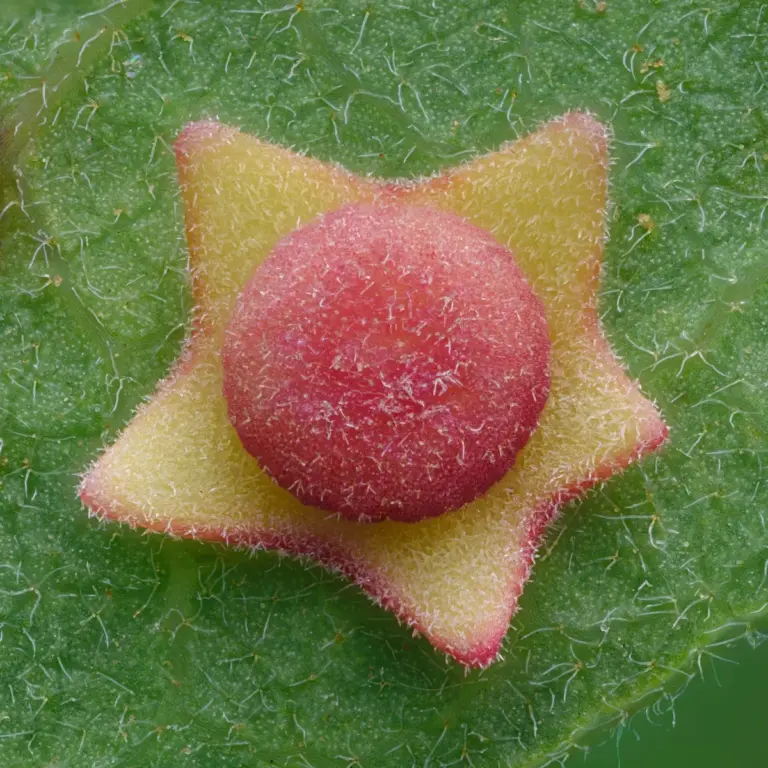
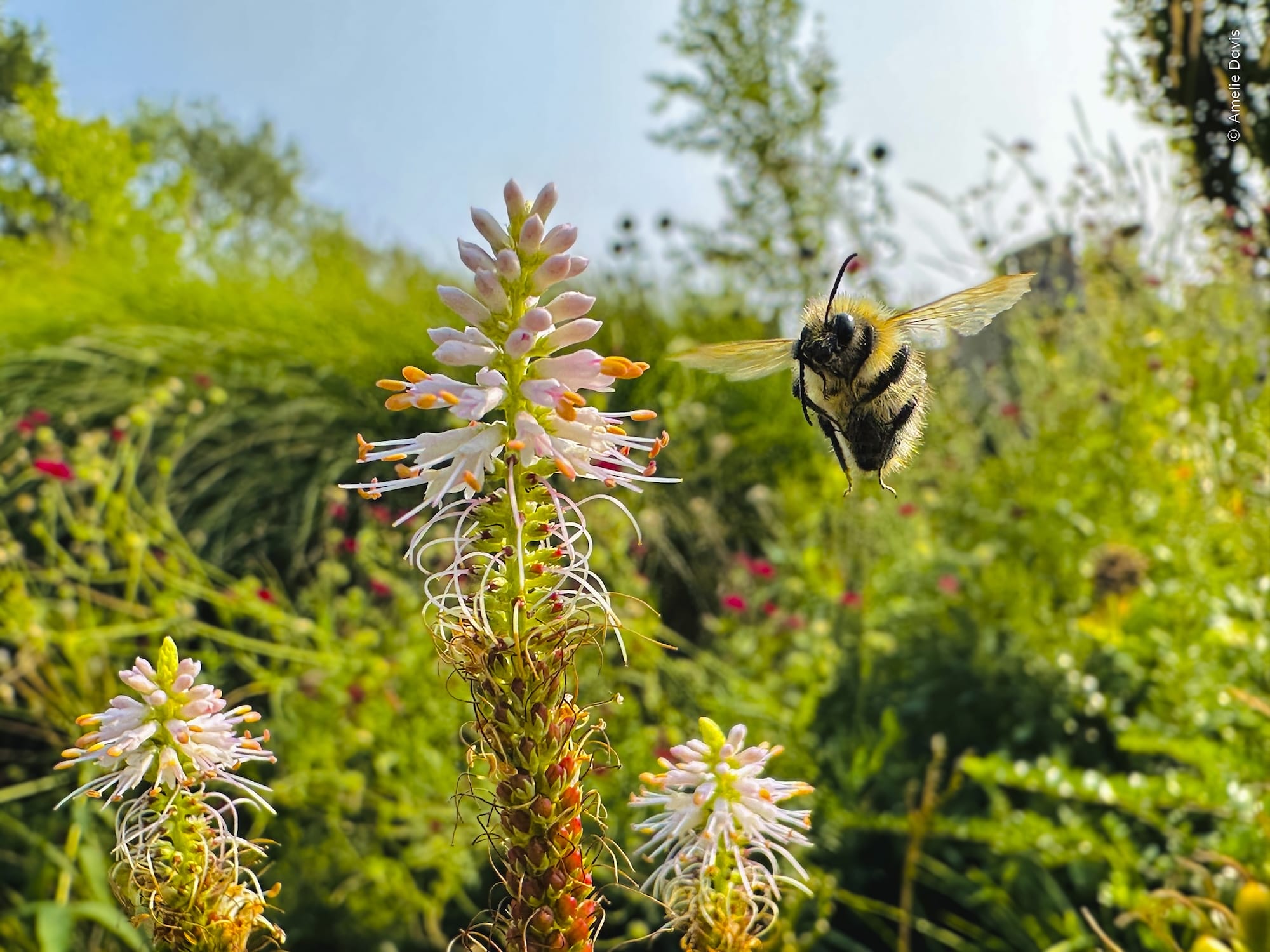
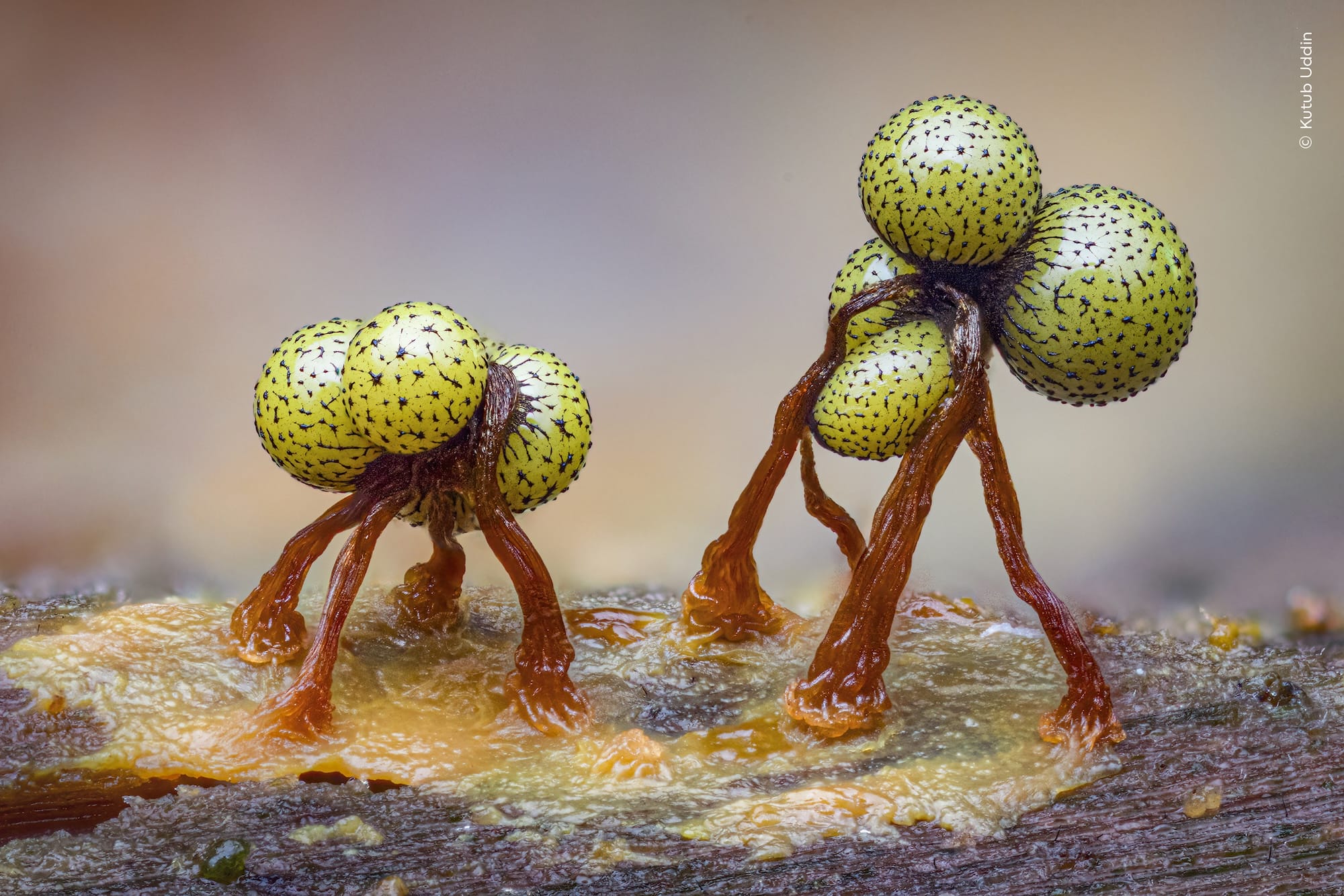
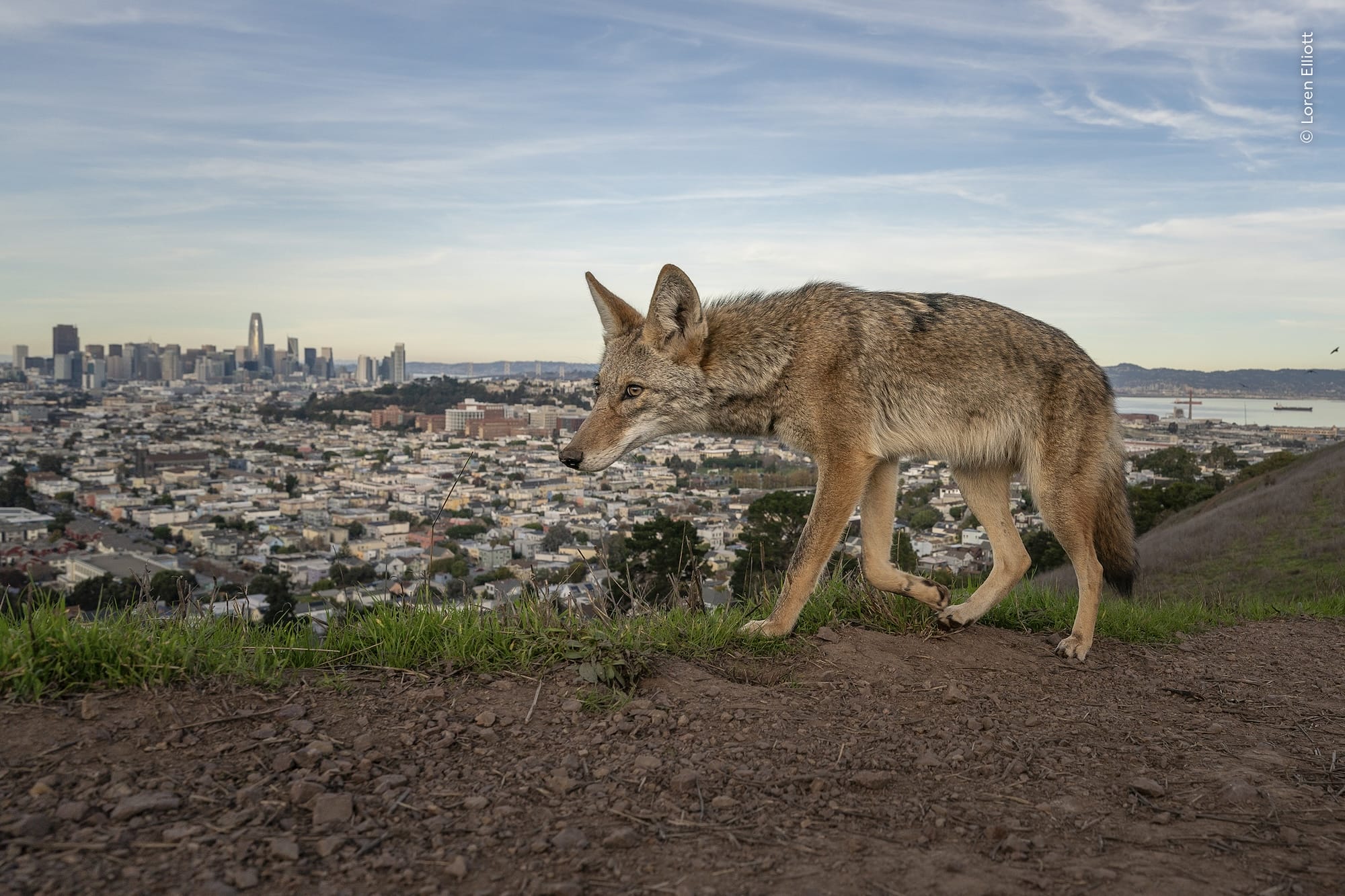
The grand-title winner is joined by a diverse and striking group of category victors whose works explore the astonishing breadth of the natural world. Among them is Kutub Uddin, who captured the mesmerizing and delicate structures of slime molds, presenting ethereal, round yellow-green bodies adorned with fine threads known as capillitium, which ultimately aid in the dispersal of reproductive spores. Loren Elliott earned acclaim for an intimate portfolio titled "Wily Coyotes of San Francisco," tracking the resilient canids as they pad along local park trails overlooking the sprawling urban backdrop and bay. In the youth division, young photographer Amelie Davis captured the precise, fleeting moment of a bee coming in for a soft landing on a flower in Surrey, England, securing the top prize in the 10 and Under category.
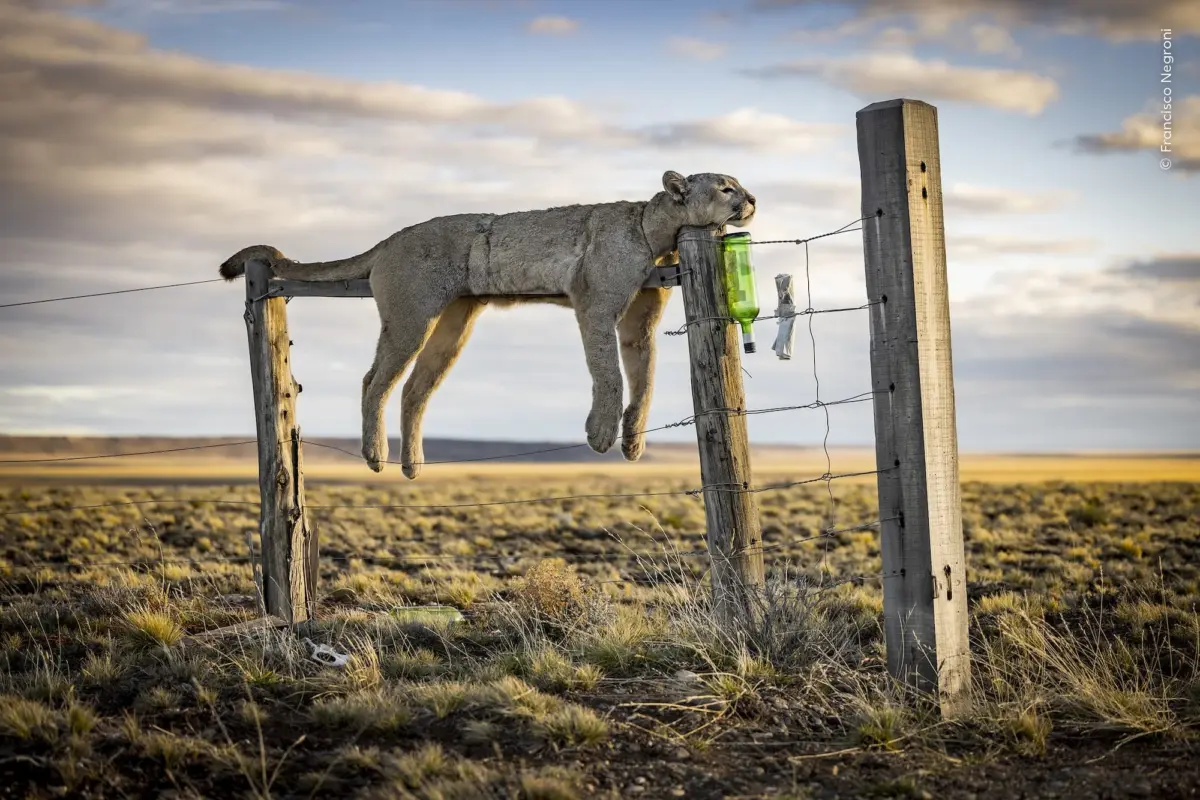
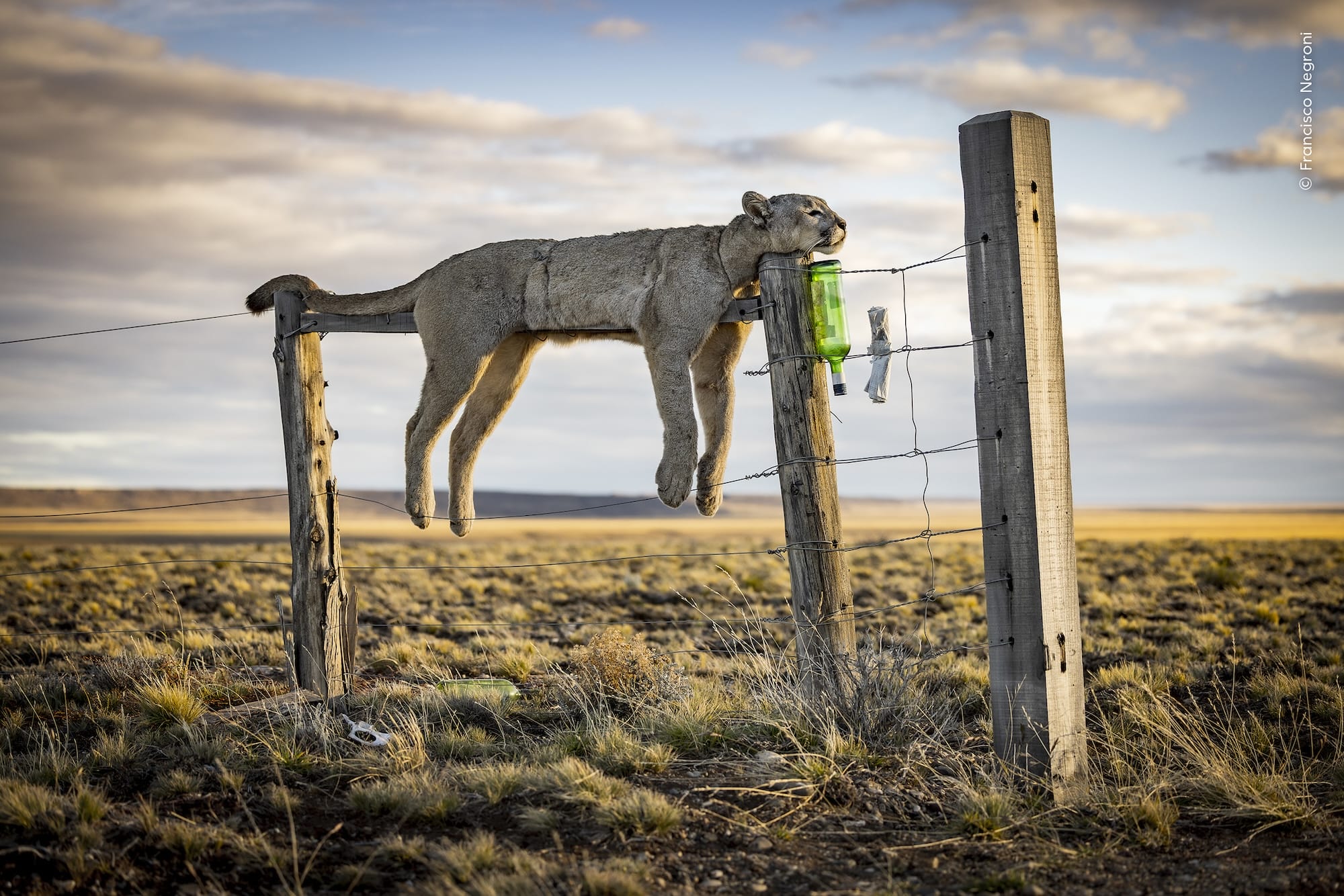
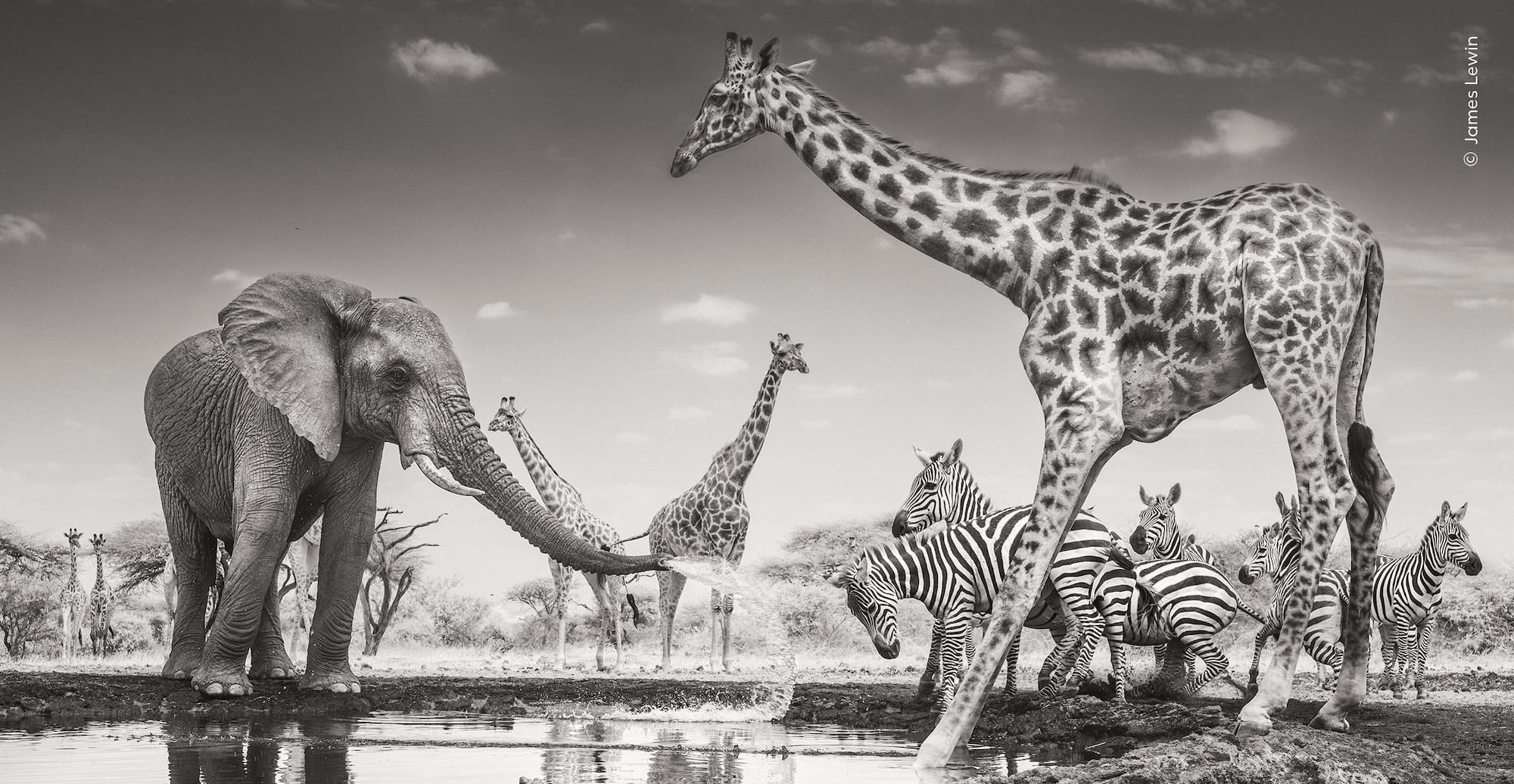
Other notable winners delve into environmental crises, hidden micro-ecosystems, and stark natural aesthetics. Francisco Negroni of Chile captured the sobering photojournalism winner titled "Warning Sign," featuring the haunting remains of a dead puma displayed against the rugged, windswept backdrop of Argentine Patagonia. James Lewin of the United Kingdom claimed the Animals in their Environment category with "The Meeting Place," a dramatic black-and-white frame showing a young bull elephant spraying water over a gathering of zebras in Kenya’s Chyulu Hills.
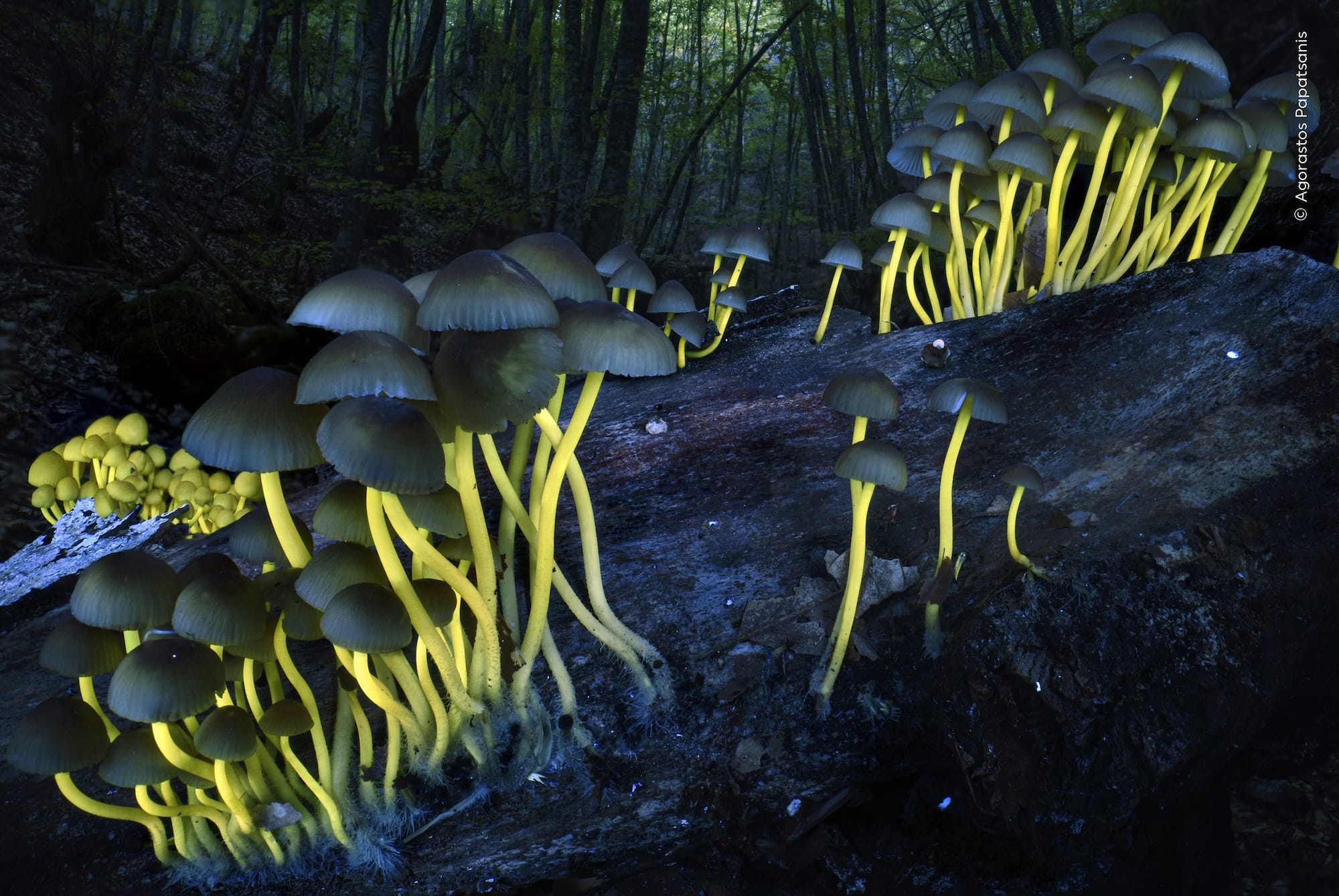
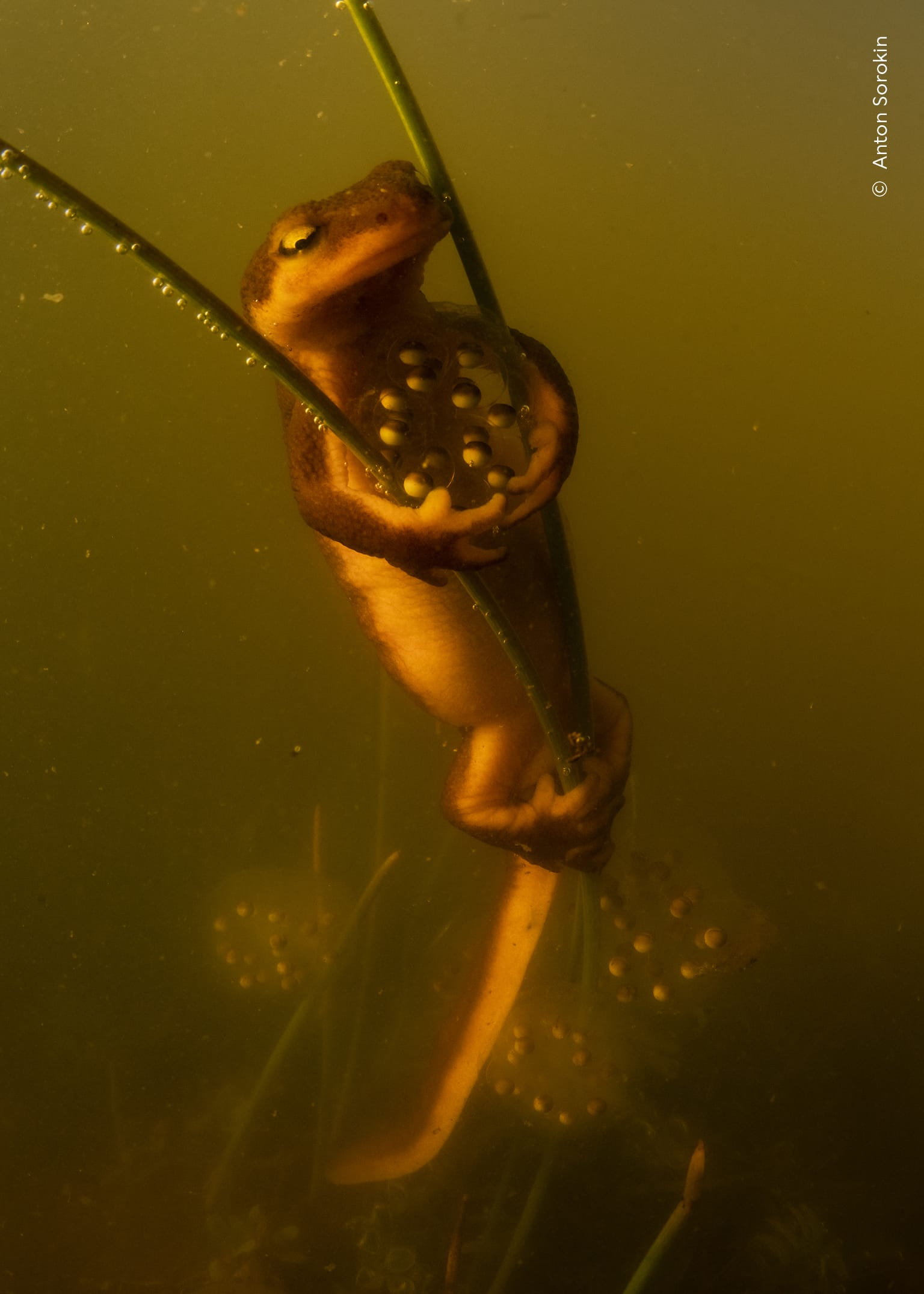
Meanwhile, Agorastos Papatsanis of Greece utilized ultraviolet light in the Plants and Fungi category to expose the glowing yellow stems of bonnet mushrooms sprouting from a decaying log in "Shedding Light." In the amphibian and reptile behavior category, Anton Sorokin of the United States documented a California newt carefully depositing its eggs while clutching aquatic vegetation that already supported another clutch of eggs, a scene titled "Protective Pose."
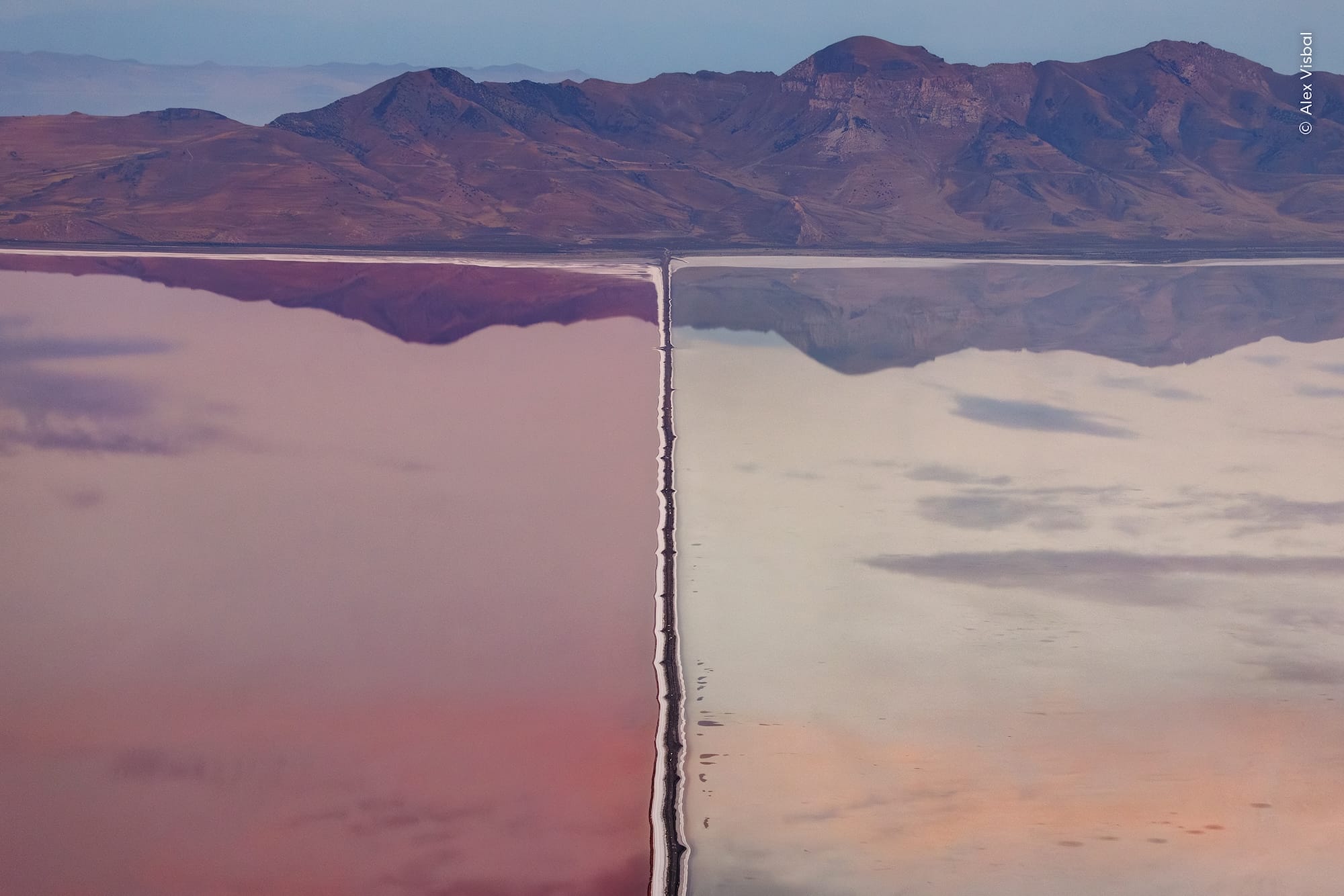
The competition also shed light on human intervention and ecological pressures. Colombian photographer Alex Visbal won the Wetlands: The Bigger Picture category with "The Great Divide," presenting an arresting aerial view where a single engineered line starkly alters and reshapes an entire wetland ecosystem, creating an almost abstract reflection of surrounding mountain ranges. In the rising star portfolio, Germany’s Alexis Tinker-Tsavalas captured "Afternoon Snack," an extreme close-up from the "Hidden Depths" series depicting a robber fly impaling a flesh fly with specialized, needlelike mouthparts.
With categories addressing everything from aquatic habitats and plant life to global conservation photojournalism, the competition continues to serve as an international benchmark for excellence in environmental imagery. The complete collection of the top 100 winning and highly commended images from this year’s competition will make their public debut at the Natural History Museum in London. The landmark exhibition opens to visitors, offering an immersive look into the planet’s most striking and fragile ecosystems through the lenses of the world’s most dedicated wildlife photographers, and will remain on display through July 11, 2027.