Music and sound design studios are traditionally brought into the creative pipeline during the final stages of a project’s lifecycle. By the time audio professionals receive a cut, the edit is usually locked, the visual narrative is set, and their role is relegated to enhancing what is already on screen rather than shaping its core identity. However, the creative crew at the sound and music studio Cypher has decided to flip that traditional script entirely. With the release of their new ongoing project, titled Sonic Studies, the studio is carving out space for exploratory audio-visual work that upends standard industry practices and reimagines how sound and picture interact from the ground up.
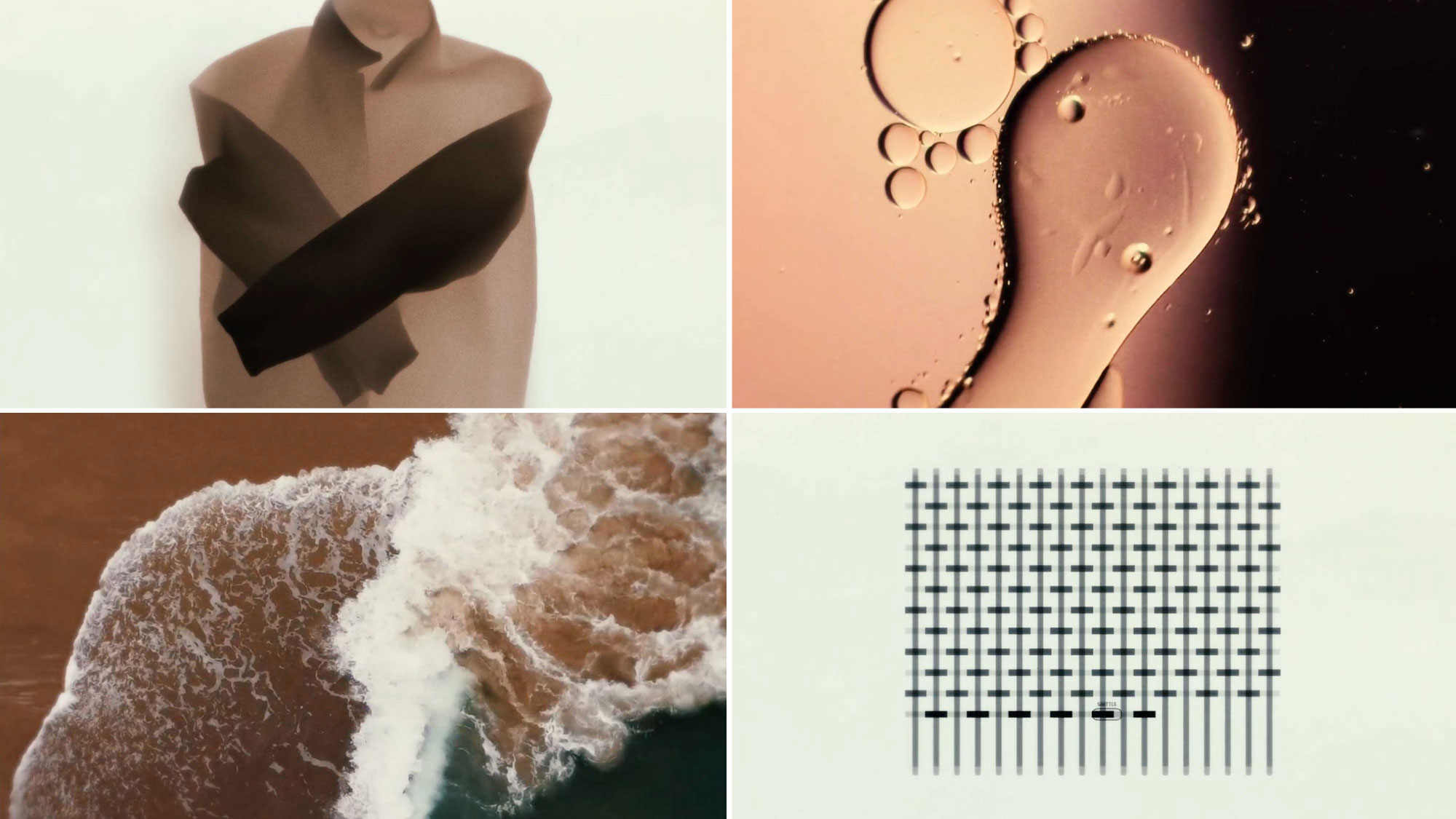
The first installment in this ambitious series, Sonic Studies #1: Textiles & Fashion, explores the tactile and rhythmic intersection of sound design and garment construction. Rather than waiting for external briefs or commercial commissions, the studio initiated the project to showcase their distinct philosophy of crafting music and sound design directly to picture, free from the standard constraints of a traditional commercial reel or a corporate manifesto.
John Black, the founder and creative director at Cypher, explains the motivation behind the new series and why the studio felt compelled to step outside traditional commercial boundaries. As sonic artists, Black notes, audio teams frequently find themselves working downstream, often lacking any meaningful input regarding the subject matter or structural development of commercial projects. Consequently, Cypher wanted to establish a dedicated platform to demonstrate their approach to marrying music and sound design with visual media through concentrated creative exercises.

This inaugural film originated organically from an interest shared by team member Joseph Sims, who sought to connect his ongoing work in sound design with the physical realities of sewing and textiles. The initial spark for the project came from a jacket that Sims had handmade himself. This physical garment provided the studio with direct, tactile access to the actual fabrics, tools, and heavy machinery involved in its construction. Instead of relying on generic sample libraries or simulated Foley effects recorded in a traditional studio setting, the team used the raw physical elements of the jacket’s creation as both the primary visual subjects of the film and the direct sources for their audio recordings.
The resulting piece dives deep into the philosophy of sound design, exploring the artistic liberties that sound designers frequently take with the inherent disconnect between what an audience sees and what they hear. In many traditional media productions, audio professionals employ sounds that may have little to physical reality with what is actually visible on screen, provided those sounds successfully suggest the right movement, texture, or emotional feeling. In contrast, Sonic Studies #1 takes a different path. The team at Cypher worked extensively with sounds that physically belonged to the subject itself—manipulating, stretching, and warping the raw audio of stitching, cutting, and fabric handling, while carefully maintaining that underlying connection to the visual source.

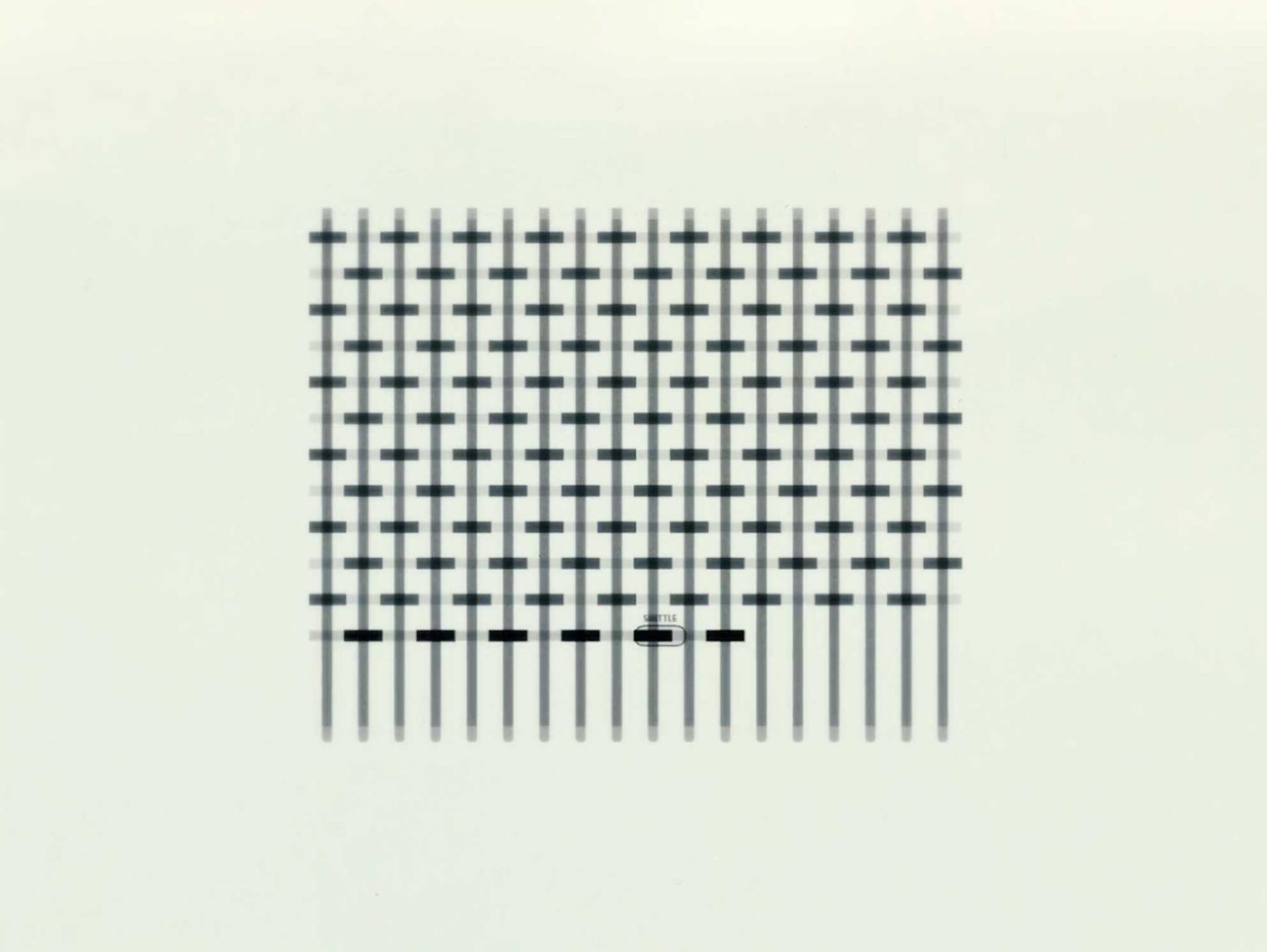
To complement the dense sonic landscape, the visual component of the film was kept intentionally raw and minimal. The creators relied on a blend of simple animation techniques, scanned materials, basic image processing, and textural footage rather than high-end, hyper-polished computer graphics. By allowing the imagery to remain understated and restrained, the visual elements provided the sound with ample room to breathe, ultimately shaping the rhythm, pacing, and overall character of the edit.
As the team progressed through the production of the first study, they uncovered a striking conceptual and practical relationship between the act of sewing and the craft of sound design. Both disciplines, at their core, involve parallel processes of gathering, manipulating, and assembling raw materials into a cohesive finished product. Whether a creator is stitching together disparate pieces of fabric to form a wearable garment or layering frequency bands, samples, and musical notes to build a soundscape, the underlying methodology remains remarkably similar. This realization provided Cypher with a unique opportunity to bring those two distinct practices together under one roof, allowing them to experiment freely and push their creative boundaries entirely outside the standard constraints of a commercial brief.
The realization of this project required a collaborative cross-discipline effort within the Cypher studio. The music and sound design were spearheaded by the team at Cypher, with John Black serving as founder, creative director, and sound designer. Original music for the piece was composed by Joris van Grunsven, while the audio mix, animation, and editing duties were handled by Joseph Sims, whose background in both sewing and sound design served as the foundational catalyst for the entire undertaking.
Through Sonic Studies #1: Textiles & Fashion, Cypher has successfully established a new template for self-initiated creative exploration within the audio-visual sector. By taking the initiative to invert the traditional production pipeline and treat sound as the primary structural driver of a piece, the studio has opened up fresh avenues for artistic expression that challenge creators to rethink the relationship between what is seen and what is heard.