
Music and sound design studios frequently find themselves operating at the very tail end of a production schedule, brought in to polish or punctuate a project after the visuals have been firmly locked down. But the creative team at Cypher has decided to flip that script entirely with the launch of an ambitious new series titled Sonic Studies.
The initiative aims to upend traditional post-production workflows by placing sound at the very inception of the creative process. Rather than waiting for a brief, a client mandate, or a completed rough cut, the studio is turning the tables to explore how sound design can dictate rhythm, texture, and visual storytelling from the ground up.
John Black, the founder and creative director at Cypher, explains that the genesis of the project stemmed from a desire to escape the usual constraints and conventions of commercial sound design. As sonic artists, Black notes, professionals in the field frequently find themselves reacting to pre-existing narratives without having any meaningful input on the fundamental subject or structure of commercial projects.

With Sonic Studies, Cypher wanted to carve out a distinct way to showcase their specific approach to crafting music and sound design directly in tandem with picture. This endeavor is consciously positioned not as a conventional highlight reel or an abstract creative manifesto, but as an ongoing series of deep sonic explorations.
The very first entry in the series grew organically out of an unexpected intersection of disciplines. Specifically, it emerged from team member Joseph’s personal interest in connecting his professional work in sound design with the tactile art of sewing and textiles. This cross-pollination of hobbies and professions served as the ultimate launchpad for the first short film in the series.

The starting point for the production was a physical jacket crafted by Joseph himself. This tangible garment provided the studio with immediate, direct access to the raw fabrics, specialized tools, and heavy machinery involved in its physical construction. Not only did these elements serve as compelling visual subjects for the camera, but they also acted as rich, authentic sources for field recording.
When discussing the mechanics of the craft, Black points out that traditional sound design often relies on taking creative liberties with the inherent disconnect between what an audience sees on screen and what they actually hear. Sound designers routinely utilize audio elements that may have very little to do with the physical objects captured on screen, so long as those sounds successfully suggest the right movement, texture, or emotional feeling.
For this particular study, however, Cypher chose a different path. The team worked extensively with sounds that physically and intrinsically belonged to the subject matter itself. They captured the raw audio of the materials and machinery, then carefully manipulated, processed, and warped those recordings. Crucially, they managed this transformation without ever severing the underlying connection between the visual source and the acoustic output.
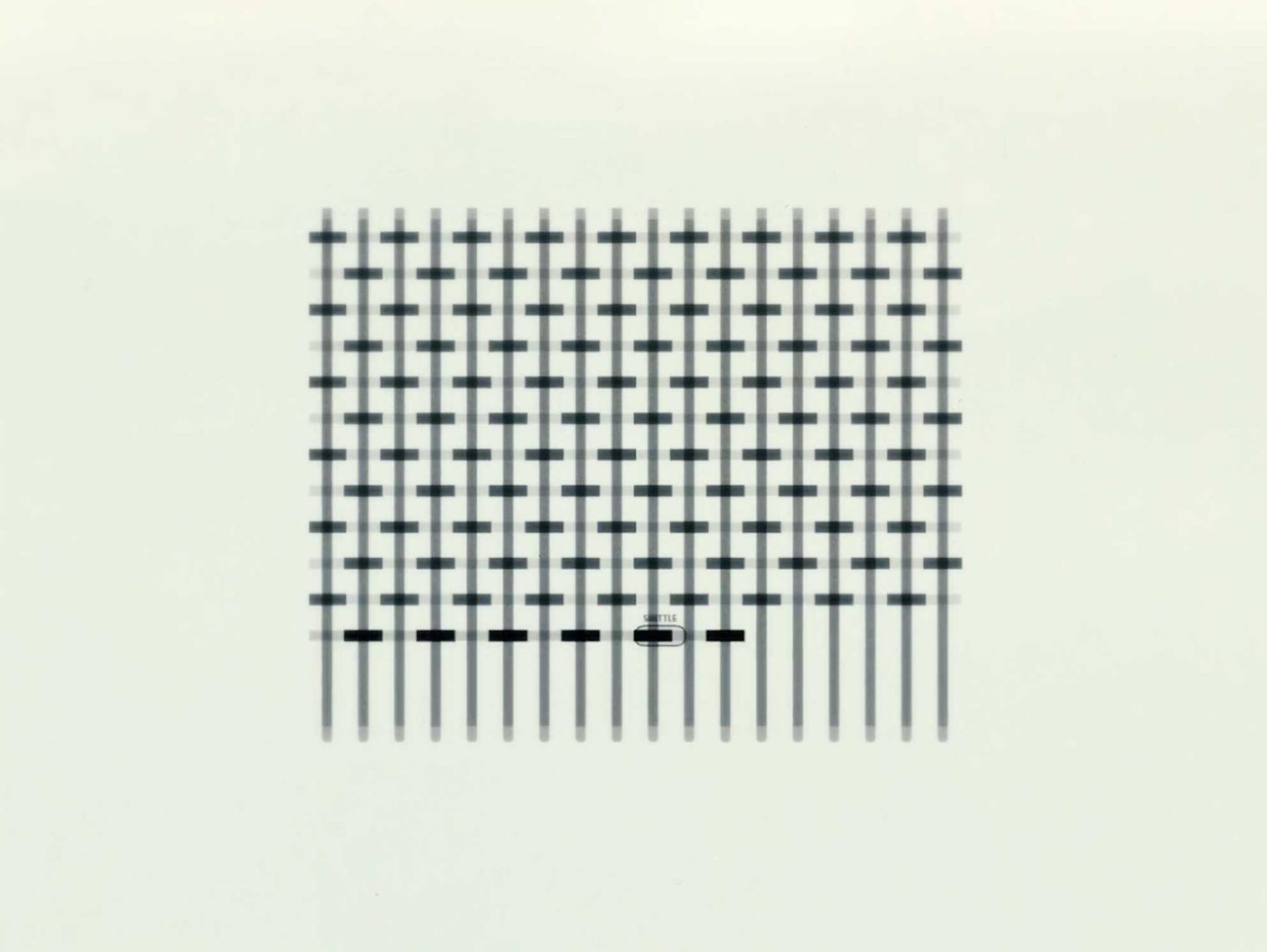
On the visual side of the equation, the studio deliberately avoided overly polished or hyper-complex computer-generated imagery. Instead, the creators relied on a minimalist toolkit consisting of simple animation, scanned physical materials, basic image processing techniques, and raw textural footage. By allowing the imagery to remain quite raw and minimal, the visual artists ensured that the sound design was granted ample room to shape the rhythm, pacing, and overall character of the final edit.

As the team progressed deeper into the project, they uncovered a surprisingly profound relationship between the acts of sewing and sound design. At their core, both disciplines share a remarkably similar operational logic. Each involves the meticulous gathering, manipulation, and assembly of disparate raw materials into a cohesive finished structure.
This inaugural study ultimately provided Cypher with an invaluable opportunity to bring those distinct creative practices together under one roof, allowing the artists to experiment freely outside the usual commercial constraints of a traditional client brief.
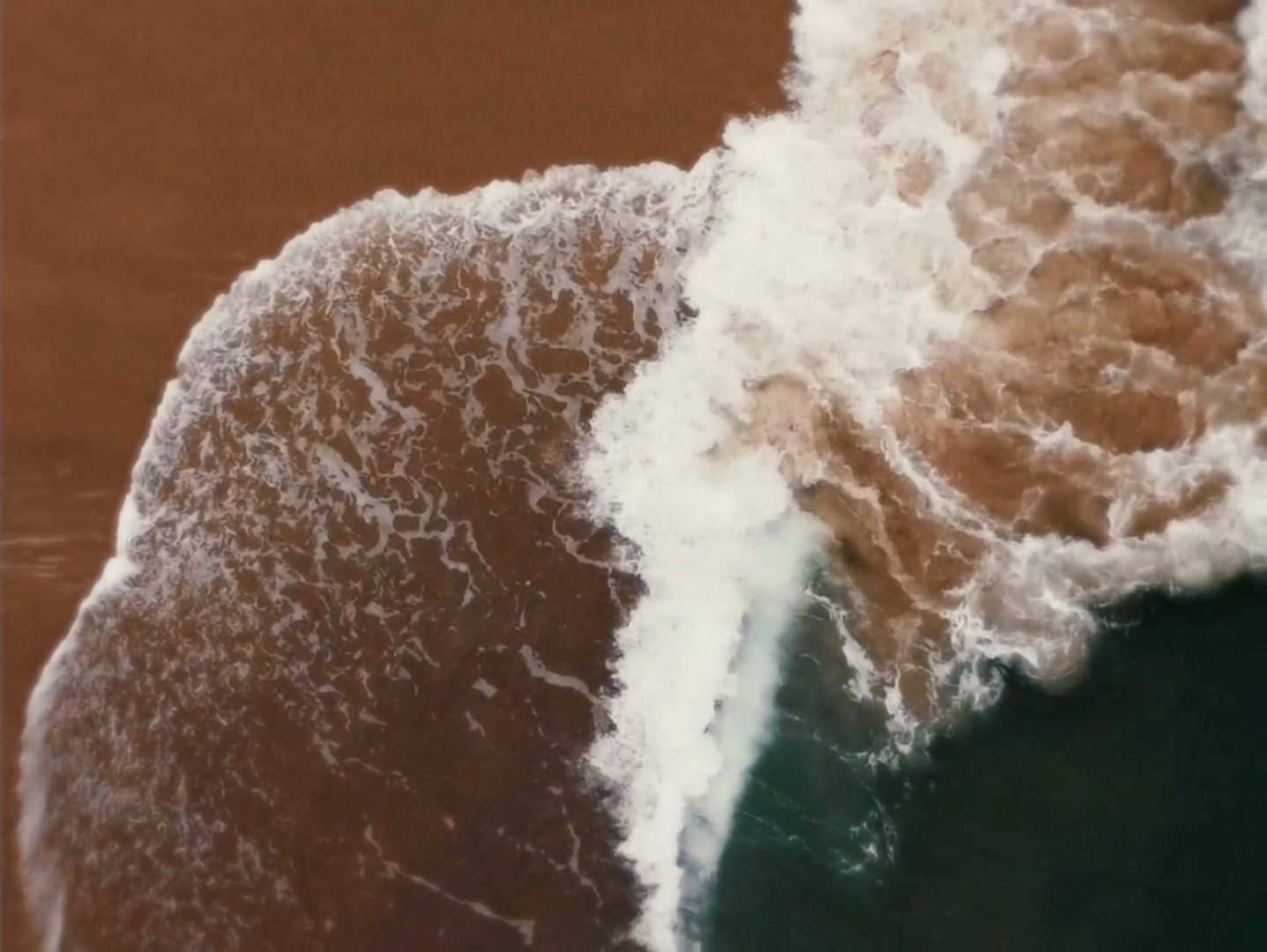
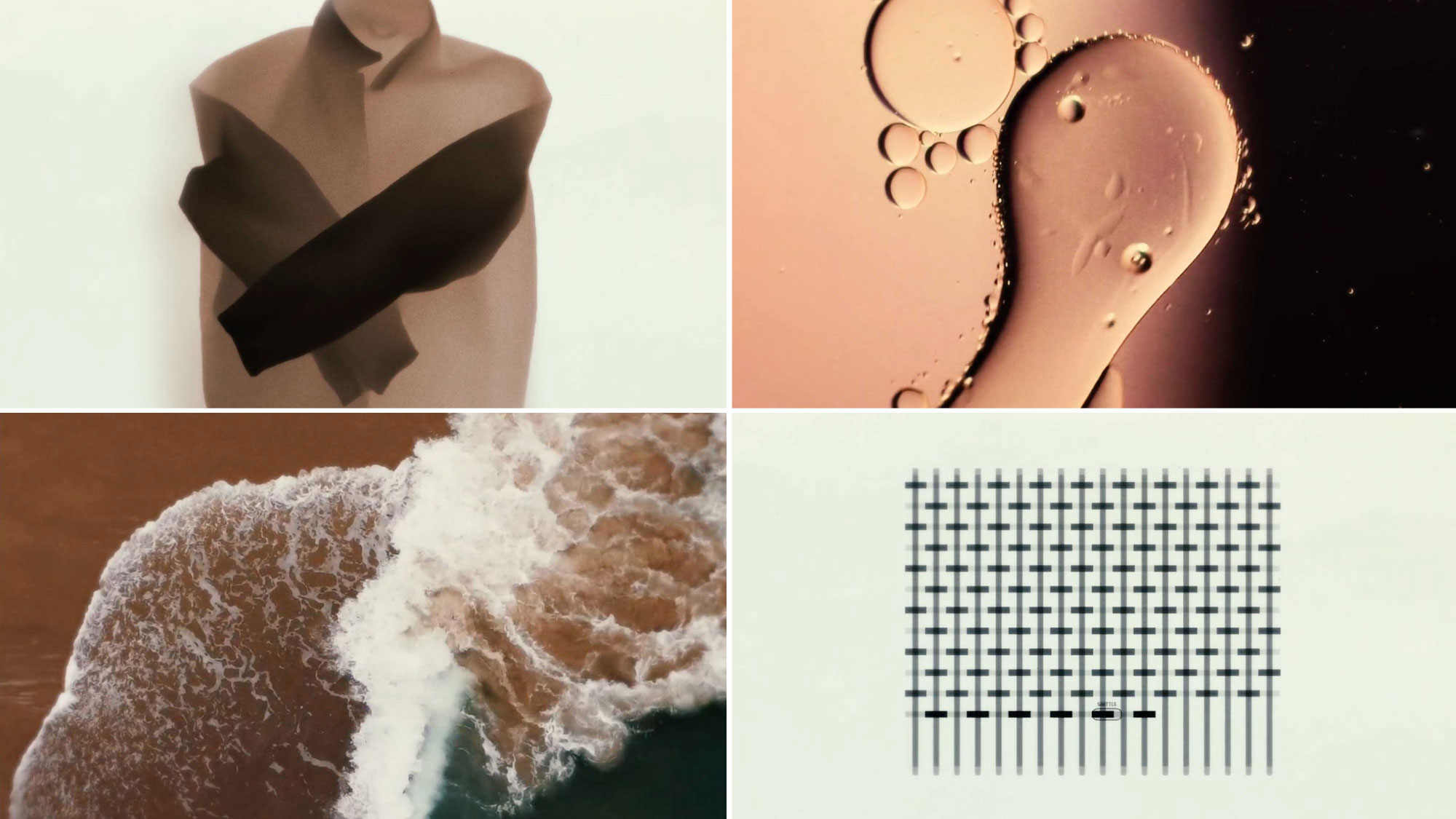
The resulting project showcases a seamless marriage of audio and visual artistry, highlighted by striking frames featuring everything from close-ups of circular oil droplets in liquid to abstract, soft-focus compositions of desert sand dunes, overlapping textile bars, and semi-transparent garments.
The production of Sonic Studies #1: Textiles & Fashion was a collaborative effort driven by Cypher. The project features founder, creative director, and sound designer John Black, alongside original music by Joris van Grunsven, and mixing, animation, and editing by Joseph Sims.