In the fast-paced world of commercial production, music and sound design studios are almost universally brought in during the final stages of a project’s schedule. By the time audio professionals receive a cut, the narrative, pacing, and visual identity of the piece have usually been locked in stone, leaving sonic artists to decorate and reinforce a structure that has already been built entirely by others.
Now, the creative team at the sound and music studio Cypher has decided to flip that script completely. With the release of their new experimental initiative, titled "Sonic Studies," the studio is carving out a proactive space for audio-driven storytelling. The first installment in the series, focusing on textiles and fashion, serves as a direct manifesto-in-action, proving that sound can act as the primary structural force of a film rather than a mere post-production afterthought.
John Black, founder and creative director at Cypher, explains that the genesis of the project stemmed from a deep-seated desire within the studio to engage with the creative process on a much more foundational level. As sonic artists, Black notes, the team frequently finds themselves without any meaningful input regarding the overarching subject matter or structural development of commercial projects. Instead of waiting for a brief that allows for exploratory audio work, Cypher decided to take matters into their own hands.

Rather than relying on a traditional reel of past commercial highlights or publishing a purely theoretical manifesto, the studio chose to demonstrate their philosophy through execution. "Sonic Studies" represents an ongoing series of independent films designed to showcase their specific approach to crafting music and sound design directly in tandem with moving images.
The first film in this ambitious series draws its inspiration from an unexpected source: the intersection of sound design, sewing, and the tactile world of textiles. The creative spark was ignited by team member Joseph Sims, whose personal interest in connecting his professional audio work with the physical craft of garment-making provided the ideal conceptual anchor. The starting point for the entire project was a jacket that Sims had handmade himself.

By centering the study around a physical garment crafted in-house, the Cypher team gained immediate, unmediated access to the raw fabrics, specialized tools, and mechanical sewing machines involved in its construction. These elements served a dual purpose throughout the production process. Visually, they provided compelling, tactile subjects for the camera. Sonically, they functioned as an authentic, hyper-local source library for recording.
Traditional sound design in media production often relies on a high degree of abstraction, utilizing what industry professionals call the disconnect between what viewers see and what they hear. Sound designers frequently substitute audio elements that have very little to do with the physical reality on screen, selecting sounds purely because they suggest the appropriate movement, texture, or emotional feeling to the audience.
For this project, however, Cypher chose a radically different methodology. The team began with sounds that genuinely and physically belonged to the subject matter at hand—the rustle of specific textiles, the mechanical clatter of sewing equipment, and the rhythmic dragging of thread. From there, they meticulously manipulated, distorted, and warped those source recordings. Crucially, this digital and analog processing was executed without ever severing the underlying connection to the original physical source, maintaining an intimate, tactile authenticity throughout the soundscape.
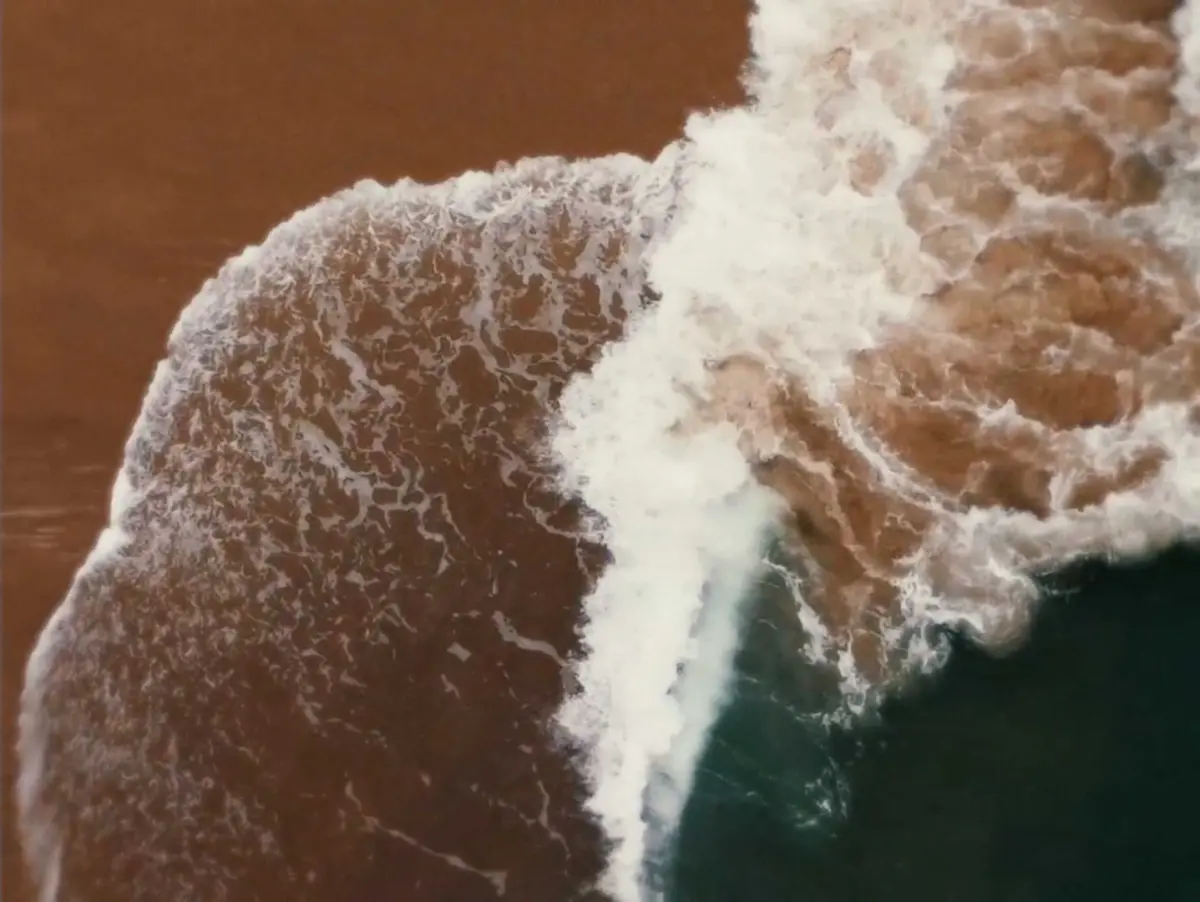
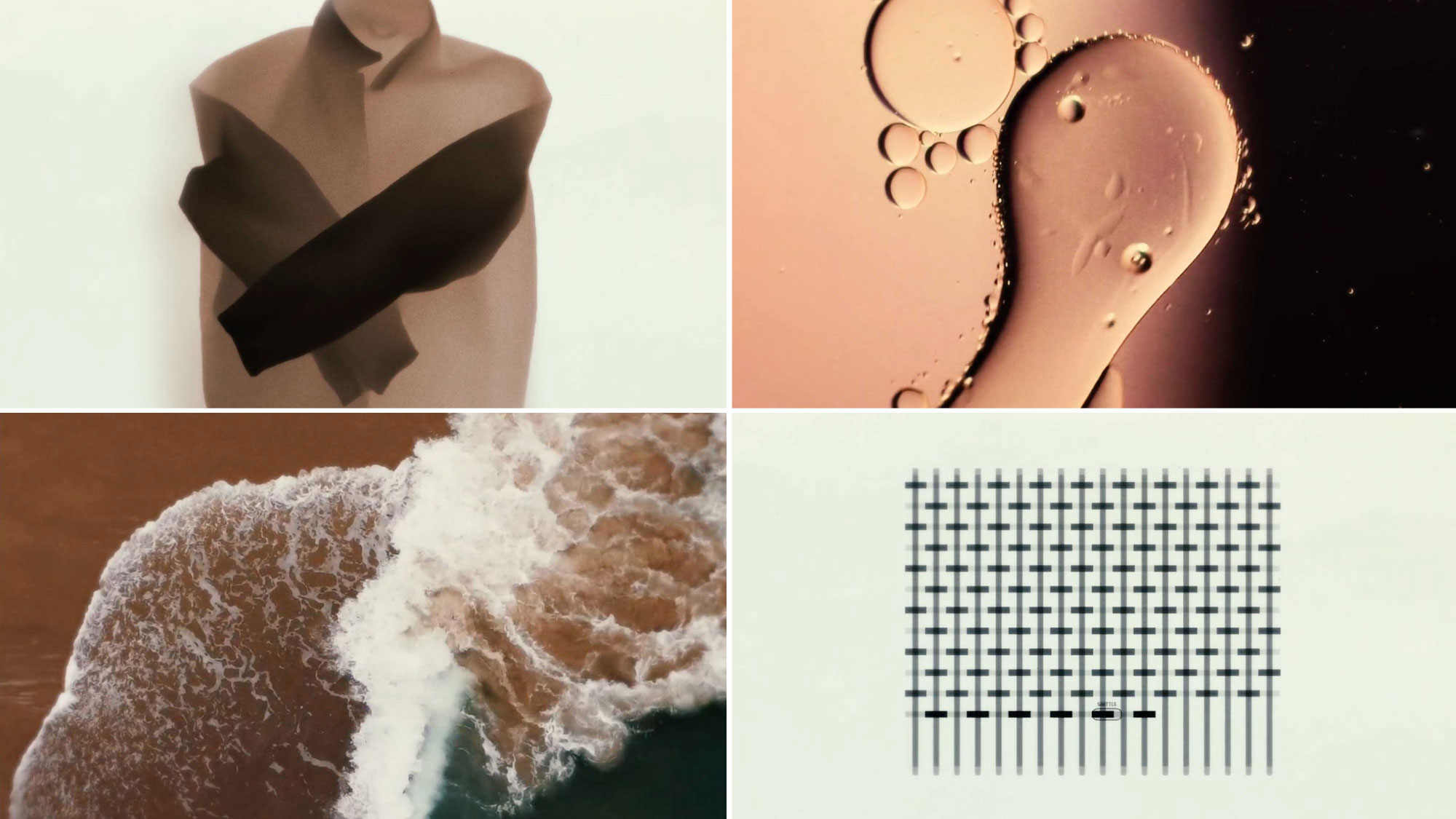
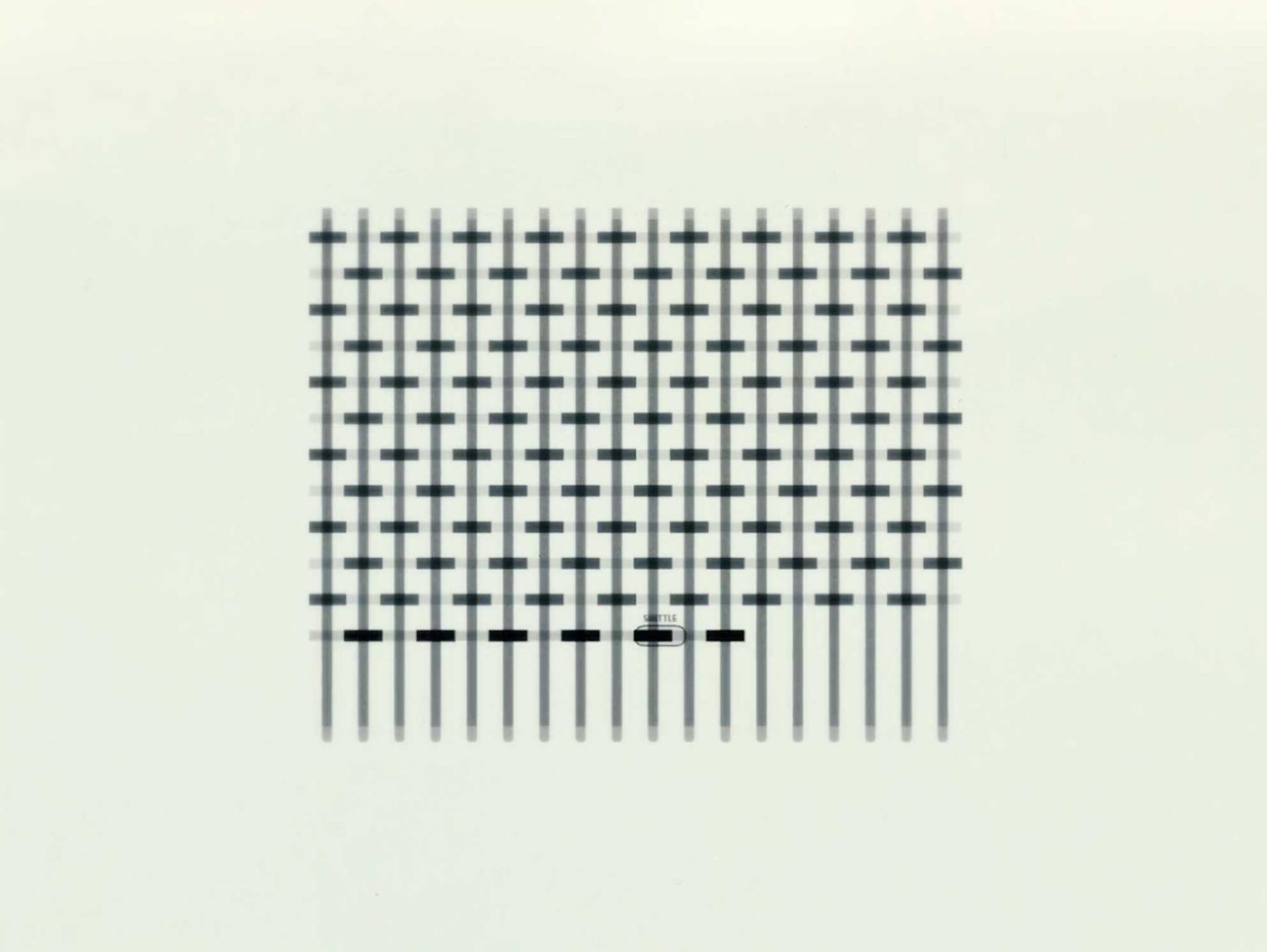
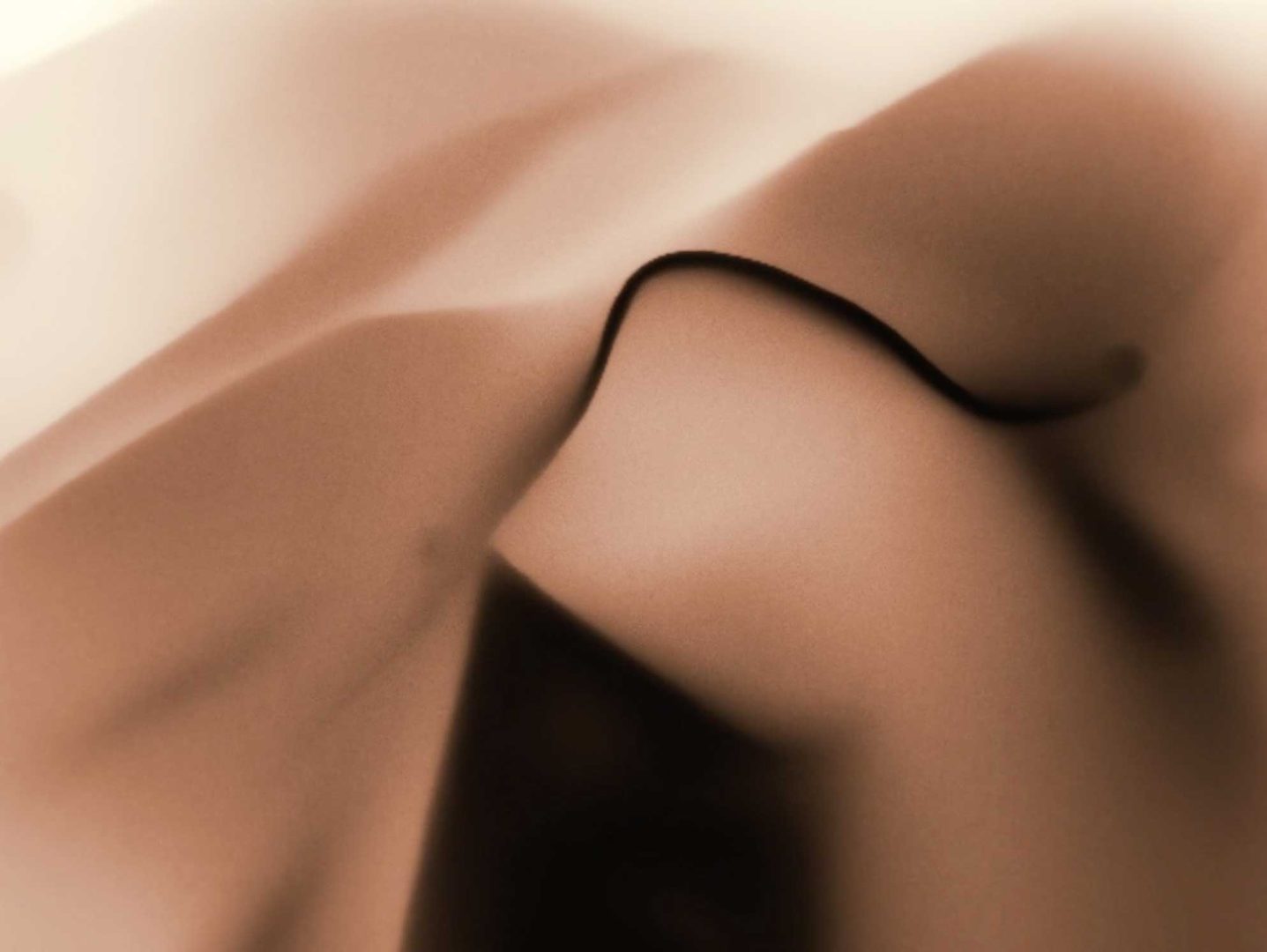
The visual component of the film was constructed to complement this audio-first philosophy. Rather than overwhelming the viewer with hyper-polished, high-budget commercial imagery, the team relied on a stripped-down aesthetic. The visuals incorporate simple animation, scanned materials, basic image processing, and raw, textural footage. By keeping the imagery intentionally minimal and unvarnished, Cypher allowed the sound design to take the leading role, shaping the internal rhythm, pacing, and overall character of the edit.
As the team progressed through the production of the first study, they uncovered a fascinating conceptual parallel between the practices of sewing and sound design. At their core, both disciplines revolve around the exact same fundamental operations: gathering raw materials, manipulating them into new configurations, and carefully assembling them into a cohesive final product. Bringing these two seemingly disparate worlds together offered Cypher a rare opportunity to experiment freely, entirely outside the usual commercial constraints, client briefs, and tight deadlines that typically dictate their daily workflow.
The resulting film stands as a testament to the power of self-initiated creative exploration in the audio arts. By turning the traditional production pipeline upside down, Cypher has not only produced a striking piece of audiovisual art but has also opened up a compelling conversation about the symbiotic relationship between what we see and what we hear.
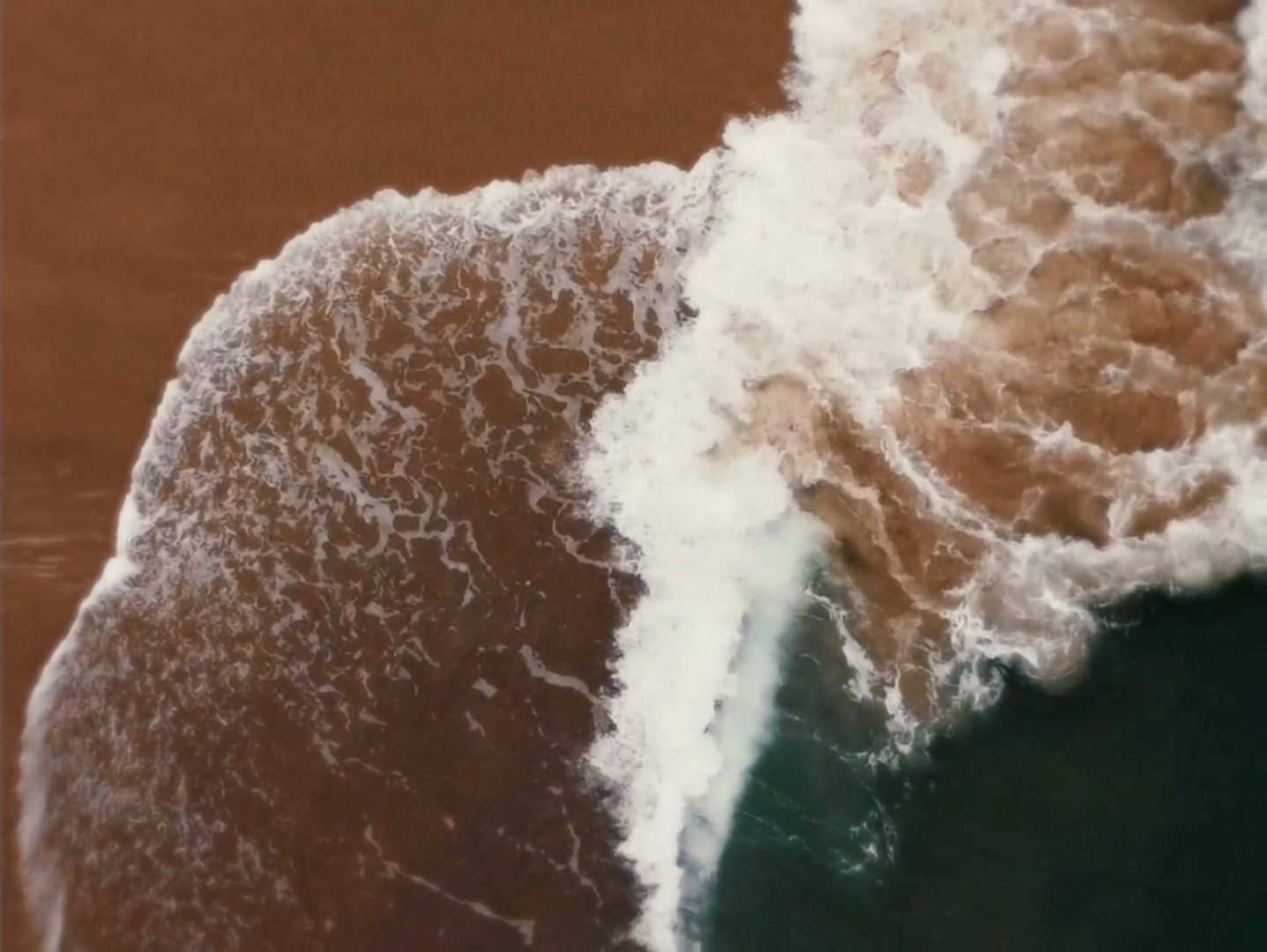
The production of "Sonic Studies #1: Textiles & Fashion" was brought to life by a dedicated team of collaborators at Cypher. John Black spearheaded the project as founder, creative director, and sound designer. Original music for the film was composed by Joris van Grunsven, while the complex audio mix was handled by Joseph Sims, who also took on the roles of animator and editor.