Pierre-Louis Biojout, the founder of the Y Combinator-backed artificial intelligence startup NanoCorp, found himself at the center of a fierce public controversy this week after releasing a controversial weekend coding project. The project, a web-based shooter game set against the backdrop of San Francisco’s troubled Tenderloin district—an area well-known for struggles with homelessness, poverty, and open drug use—sparked immediate outrage from local residents, community leaders, and fellow tech industry figures alike.
The controversy began to unfold when Biojout took to the social media platform X, formerly known as Twitter, to showcase his newly developed application. In a post shared on October 13, which has since been deleted alongside the game itself, Biojout boasted about the project’s real-world inspiration and monetization strategy. "San Francisco couldn’t fix the Tenderloin," Biojout wrote in the now-removed post. "So I monetized it [as a] Call of Duty style zombie shooter on the real SF streets." To further emphasize his point, the young tech founder noted that he had already generated $300 in revenue from in-game advertisements embedded within the web application.
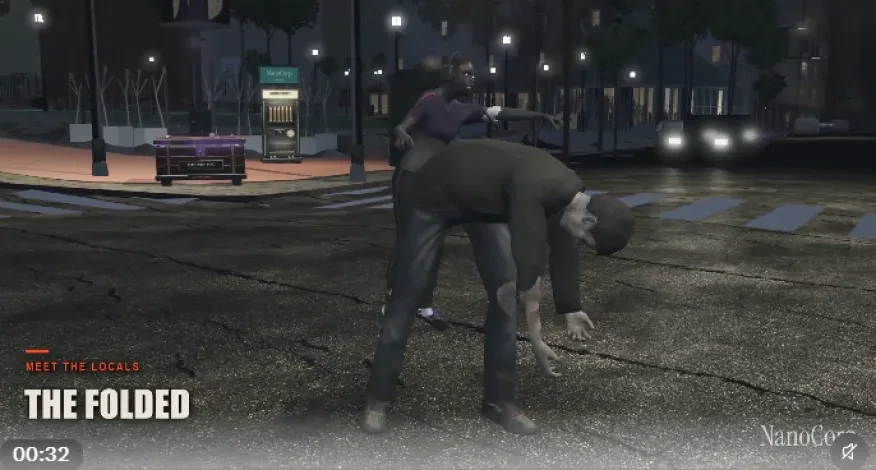
The game, titled Tenderloin Night Shift, invited players to navigate virtual recreations of real San Francisco neighborhoods and shoot at digital enemies categorized as "zombies." However, local news investigations conducted by the San Francisco Chronicle and KRON4 News revealed troubling details regarding the character models and enemy designs utilized within the game. According to reports from these outlets, the game featured recognizable tropes of urban decay, including a character model depicting a "folded" fentanyl addict—a posture frequently associated with severe substance abuse crises visible on city streets—as well as a Black security guard among the targets.
The release of Tenderloin Night Shift quickly drew sharp condemnation from advocates who work daily to address the very real humanitarian crises facing San Francisco’s most vulnerable populations. Jennifer Friedenbach, the executive director of the San Francisco Coalition on Homelessness, did not mince words when speaking to the Chronicle about the game’s premise and execution. Friedenbach stated that Biojout was actively "monetizing the dehumanization and pretend killing for fun of mostly Black and Brown residents of the poorest neighborhood in San Francisco."
As public pressure mounted and online criticism intensified across social media channels, Biojout defended his creation through correspondence with reporters, offering a different perspective on his intentions. He maintained that he had never intended to "provoke or to depict shooting real people" with his weekend coding experiment. Furthermore, he argued that the game’s character roster was not exclusively limited to vulnerable populations, noting that tech workers were also included as characters within the virtual environment.
Despite these explanations, the fallout from the project continued to reverberate deeply within both local civic circles and the broader technology community. Tenderloin Night Shift was ultimately removed from NanoCorp’s official website, and Biojout scrubbed his original promotional post from X. Even so, the digital discourse and ideological divide triggered by the game’s brief existence proved difficult to erase.
The online debate laid bare deep-seated tensions surrounding how Silicon Valley tech culture perceives and interacts with the urban realities of San Francisco, a city that has long struggled with wealth inequality and the visible impacts of the national opioid epidemic. Critics within the tech sector itself were among the most vocal in expressing dismay over Biojout’s project.
"You made a game about shooting people in active addiction," remarked another technology founder in a widely shared post on X addressing Biojout directly. "These are human beings, not zombies. show me the positive side of this – i’m probably blind."
In response to this line of questioning, Biojout pushed back against the moral framing of the critique, maintaining that critics were misinterpreting the nature of his software. "Why are you talking about addiction? It’s a zombie shooter," Biojout retorted, defending the game purely as a piece of fictional software entertainment rather than a commentary on real-world human suffering.
At the same time, the project’s release exposed darker undercurrents of online sentiment regarding the city’s homeless and drug crises. While the vast majority of respondents expressed shock and condemnation, some social media users voiced disturbing approval for the themes that Biojout had publicly disavowed. In replies to the ongoing debate, one user commented, "They are currently NOT human beings," dehumanizing the individuals affected by the crisis. Another user chillingly remarked that they intended to "train in bro’s game" to prepare themselves for a future visit to San Francisco, highlighting the troubling ways in which real-world urban struggles are sometimes gamified and consumed by outside observers.