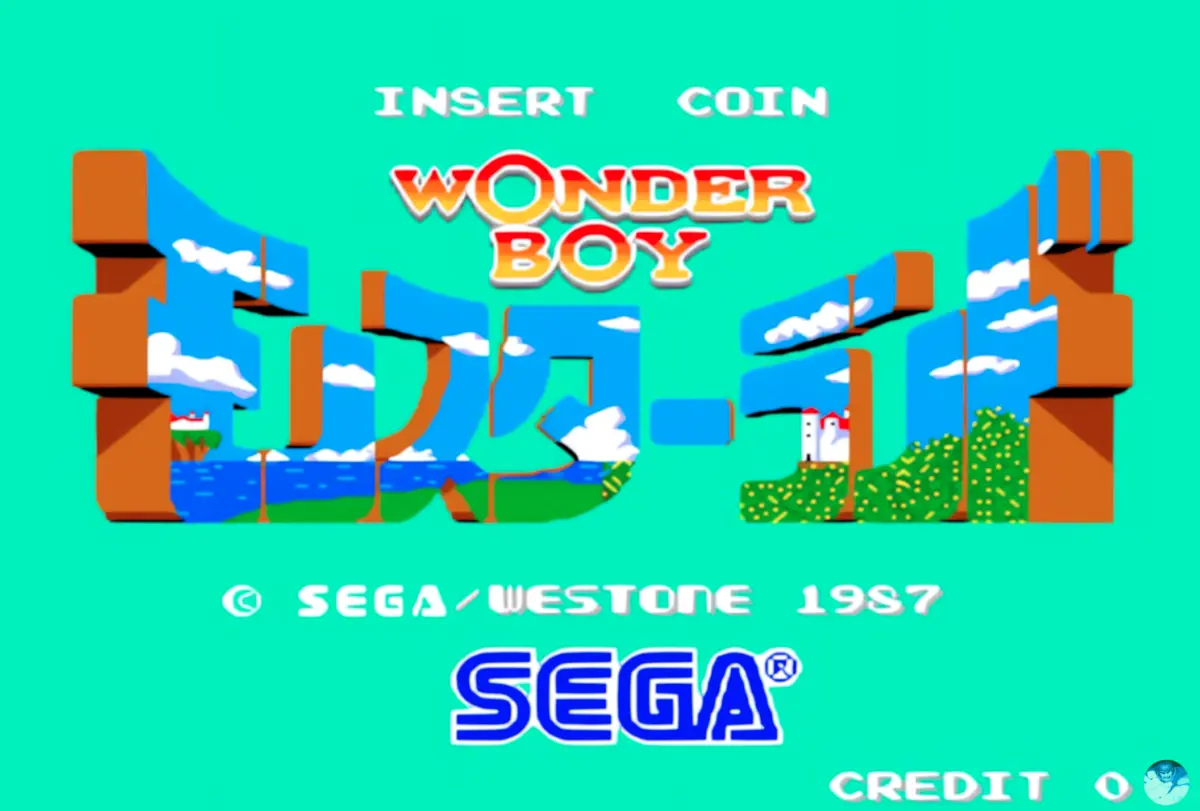
When Wonder Boy in Monster Land originally debuted in Japanese arcades back in 1987, followed by a Sega Master System port the subsequent year, it cemented its place in gaming history. Its distinct blend of platforming and action-RPG mechanics spawned numerous official ports across vintage platforms like the ZX Spectrum, Commodore 64, and Atari ST. Yet, curiously, the arcade classic never received an official, native PC port during its contemporary era. That apparent gap in the platform’s history seemed to close on September 28, when a PC version abruptly appeared on Steam.
However, rather than sparking widespread celebration among retro gaming enthusiasts, the release immediately raised red flags across the community.
The Steam listing for the software carried an unmistakable typo in its title, using "Wonderboy" instead of the iconic series spacing. Furthermore, the developer and publisher listed was Retro Maniac, an entity whose only other visible offering on the platform is Street Hoop (also known as Street Slam), a legacy arcade basketball title originally released by Data East in 1994.
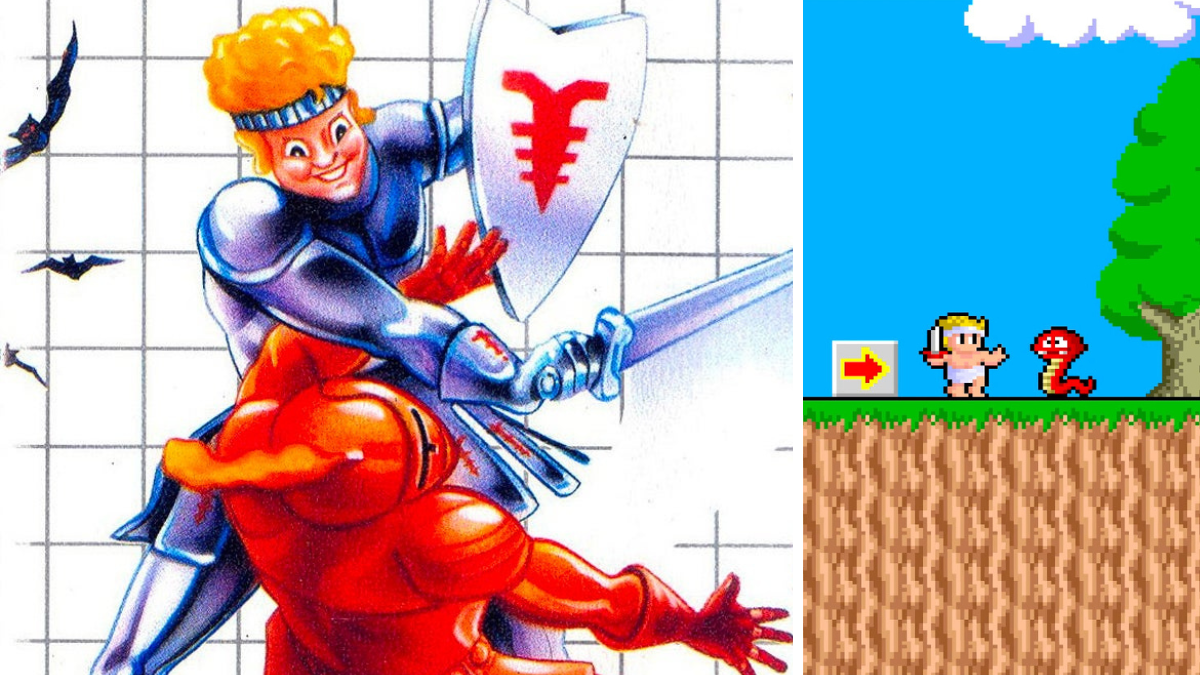
Navigating the intellectual property rights surrounding the Wonder Boy franchise is notoriously complex. LAT Corp holds ownership of all IP and assets that once belonged to Westone Bit Entertainment, the visionary studio behind the original Wonder Boy titles. Simultaneously, Sega retains ownership of the Wonder Boy trademark itself. This division means that any official re-release carrying the proper moniker requires explicit authorization and licensing agreements from both parties.
Despite the glaring typo, the absence of prominent branding from Sega or LAT Corp on a digital store page is not entirely unprecedented. Legitimate entries in the franchise have previously launched on Steam with lesser-known developers and publishers at the helm. For instance, Wonder Boy Returns Remix—a modernized reimagining of the original game—lists CFK Co., Ltd as both developer and publisher. That release was fully licensed and even involved the direct participation of series creator Ryuichi Nishizawa. Similarly, Wonder Boy: The Dragon’s Trap, a thorough remake of the 1989 Master System classic developed by Lizardcube and published by Dotemu, operates under official license, with the proper legal disclosures tucked away in the fine print under the system requirements.
This fractured ownership structure has frequently birthed unique naming conventions and spiritual successors. When Monster Boy and the Cursed Kingdom arrived in 2019, it was unmistakably a Wonder Boy game in spirit, bearing Nishizawa’s distinct creative fingerprints. Yet, because publisher FDG Entertainment could not secure the necessary trademark licensing from Sega, the game had to adopt an alternative title. To add an extra layer of historical confusion, the original arcade version of Wonder Boy was localized in the United States as Adventure Island, spawning a completely parallel, unrelated line of console sequels under Hudson Soft.
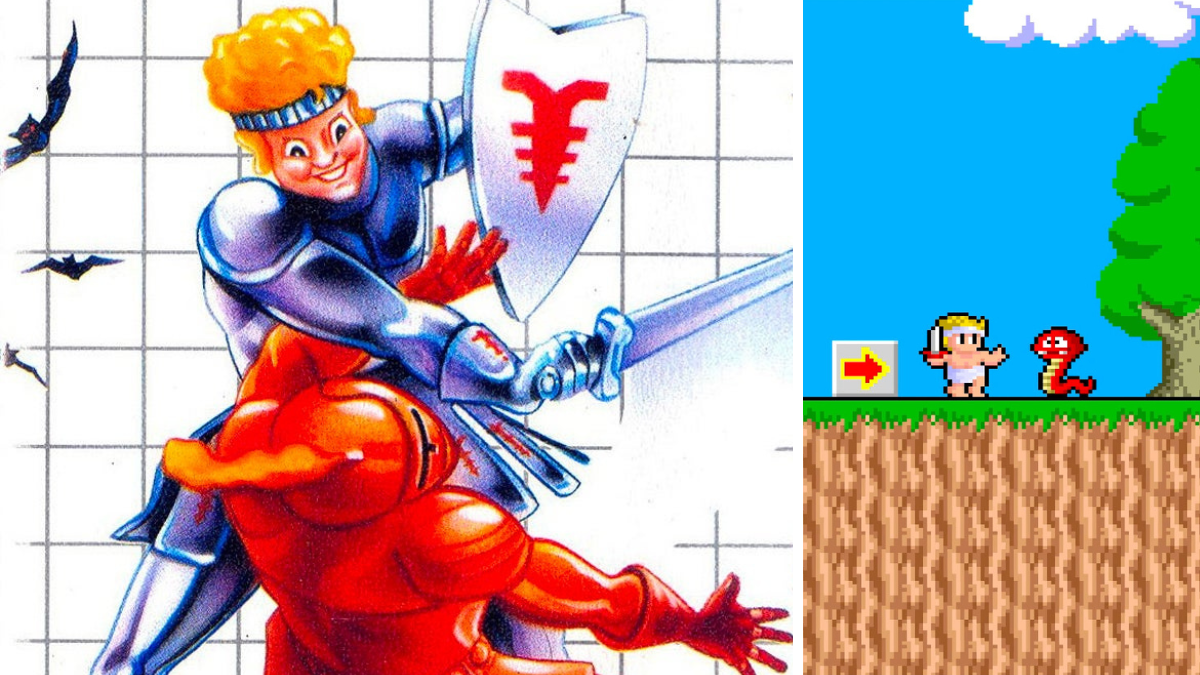
Given this labyrinthine history, discerning what constitutes an authentic Wonder Boy release can be difficult for anyone outside the most dedicated circle of retro enthusiasts. If a new, unverified arcade port manages to slip onto a major digital storefront, it frequently does so with the implicit understanding that historical confusion will help it bypass immediate scrutiny.
The suspicious listing might have gone entirely unnoticed by the broader gaming public were it not for the watchful eye of the community. On September 28, the Wonder Boy Universe fan account on X raised the initial alarm bells regarding the Retro Maniac release. Shinichi Sakamoto, the original composer for the arcade classic, quickly weighed in on the platform to confirm that the Retro Maniac port was entirely illegitimate. Sakamoto also noted that the product was noticeably absent from regional storefronts in Japan, while highlighting early estimates of its download numbers.
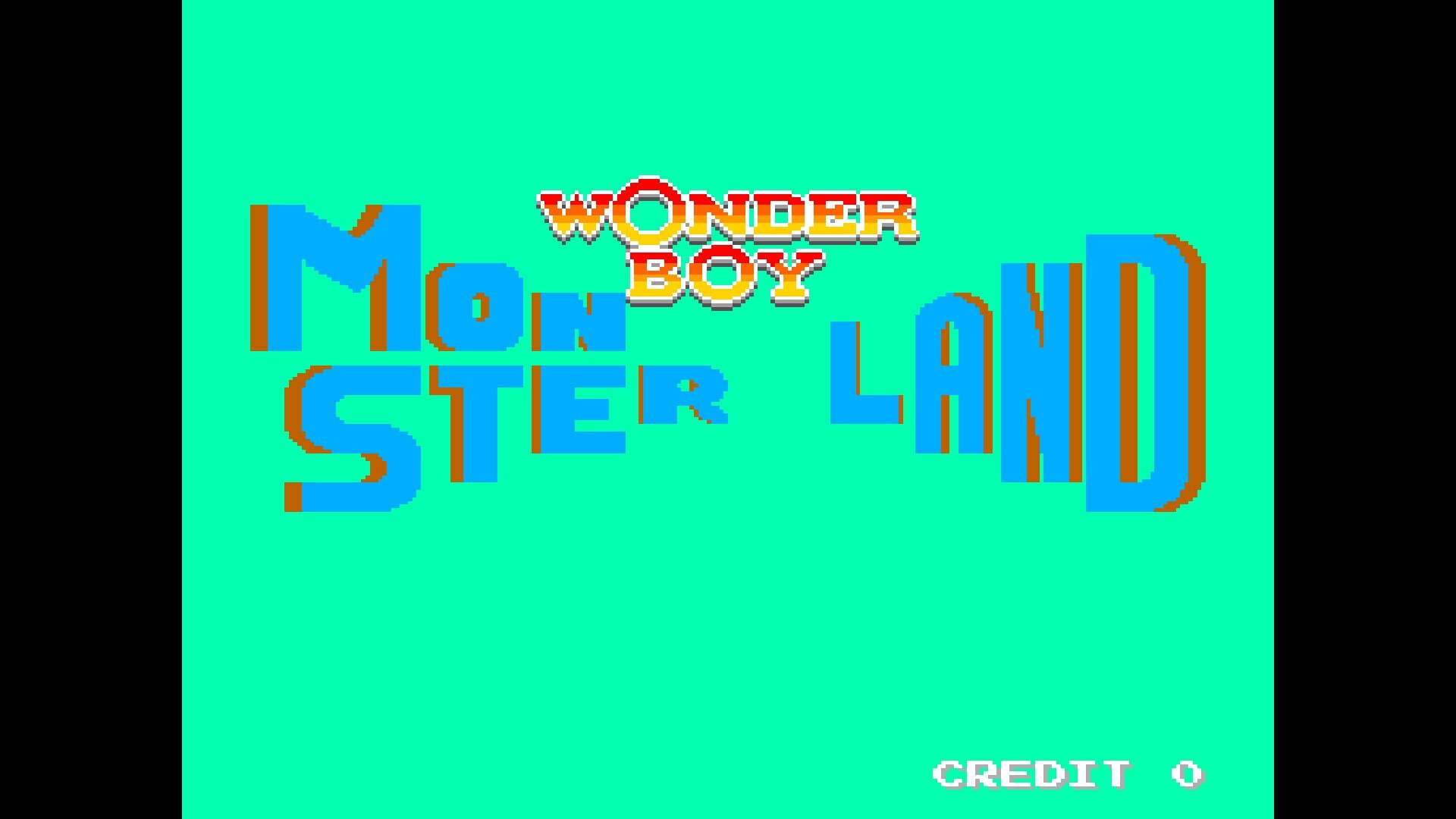
Driven by curiosity, a hands-on investigation into the controversial software revealed a simple reality: the purchased application was nothing more than a commercial ROM running inside the MAME arcade emulator. The primary alteration made to the package was the removal of an initial splash screen bearing the traditional Sega logo, attempting to mask its origins before loading the standard game code.
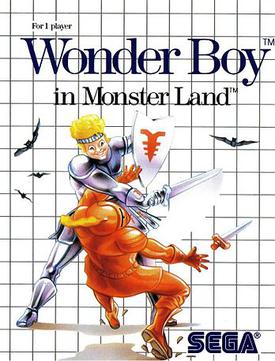
While digital storefronts like mobile marketplaces frequently grapple with unauthorized uploads of classic abandonware, Wonder Boy in Monster Land does not strictly qualify as abandoned property. While it is certainly legally problematic for an independent entity to upload and monetize a commercial ROM without authorization, copyright holders like Sega and LAT Corp often leave gaps by failing to maintain easily accessible, legitimate digital versions of their classic catalogues on modern platforms. For a time, titles like Monster Lair and Monster World were available via the SEGA Mega Drive and Genesis Classics collection on Steam, but that bundle was quietly delisted in 2024.
Even so, the situation underscores how easily an unauthorized classic title can find its way onto a major PC storefront. Weeks after its initial stealth debut, the disputed version of the game remained live on the platform, leaving retro gaming enthusiasts to debate the ethics of supporting questionable storefront entries in the absence of official alternatives.
Top Steam games by revenue
An effortful-looking MMORPG claimed the top spot in its launch week, a predictable outcome for anyone following PC gaming trends over the past quarter-century. Predictably, however, the title currently sits with "mixed" user reviews. Massive multiplayer online games rarely achieve universal consumer satisfaction at launch, and the primary criticism directed at the new release centers on a progression and economic structure closely resembling a free-to-play mobile title, with monetization deeply embedded into the core experience.
Further down the revenue chart, an offshoot of one of the planet’s most recognizable entertainment franchises managed a surprisingly modest tenth-place finish during its first full week on sale. While availability on subscription services and stronger console performance undoubtedly factored into the metrics, the performance remains relatively quiet for a major brand expansion. Other notable new releases hovered further down the visibility threshold, constrained by partial-week launch windows that impacted their overall charting potential.