As retail media networks continue to undergo rapid evolution across the modern commerce landscape, brands are discovering innovative ways to connect directly with consumers. However, this maturation brings a distinct set of operational opportunities and complex challenges that demand new approaches to strategy, attribution, and consumer engagement.
During the recent ADWEEK House Advertising HQ series, a trio of comprehensive commerce connection sessions—co-hosted in partnership with SMG—explored this shifting ecosystem. Industry leaders gathered to examine critical topics ranging from the nuances of measuring in-store media effectiveness to navigating the intricate journeys of grocery shoppers and unlocking the vast, untapped potential of emerging travel media networks.
Building on the In-Store Experience and the Quest for Incrementality
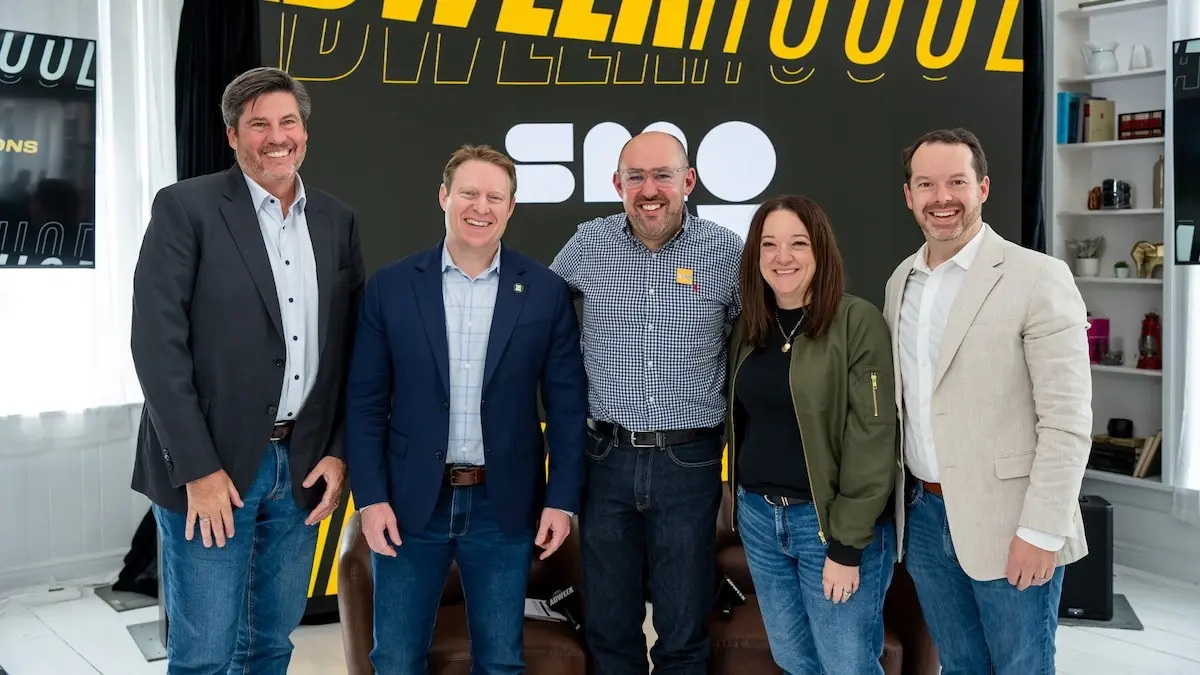
The conversation surrounding physical retail kicked off with a panel titled “Choose Your Player: The Battle for In-Store Leadership.” Moderated by Ollie Shayer, senior director of global strategy and innovation at SMG, the session featured a dynamic discussion with Collin Colburn, vice president of commerce and retail media at IAB; Chip Harding, executive vice president of Simon Media and Experiences at Simon Property Group; Austin Leonard, vice president and general manager of DG Media Network; and Britt Polihronis, chief operating officer of RedMedia at Hy-Vee, Inc.
The panel focused heavily on strategies required to grow in-store commerce media, where establishing reliable and universal measurement frameworks remains a top priority for both retailers and brand advertisers. As physical spaces become digitalized media channels, the metrics that matter most tend to vary significantly depending on the specific retail setting.

In expansive environments like shopping malls, traditional signals such as overall foot traffic and subsequent sales conversion provide highly useful indicators of campaign performance. Conversely, in grocery store environments, the immediate physical responses of shoppers—including whether they pause in front of a display or pick up a physical product—offer immediate qualitative and quantitative insight into consumer interest. Across both types of environments, however, advertisers are increasingly demanding concrete evidence of incremental sales to justify their continuous capital investments.
Yet, the panelists emphasized that measurement represents only one piece of a much larger puzzle. Creating enjoyable, friction-free shopping experiences is equally vital for long-term success. The industry leaders discussed various practical ways to attract the right target shoppers, curate exclusive brand offerings, and encourage organic discovery and product trials within the physical store footprint. By treating the physical aisle not just as a place of transaction, but as an immersive media channel, retailers can turn routine shopping trips into memorable brand interactions.
The Unique Challenges of Marketing to Grocery Shoppers Across Omnichannel Touchpoints
Moving from the physical aisle to broader consumer routines, a fireside chat titled “From Story to Store: Creating Connected Campaigns Across Every Touchpoint” offered a deeper dive into the complexities of consumer packaged goods marketing. Zoë Ruderman, chief content officer at ADWEEK, sat down with Liz Roche, vice president of media and measurement at Albertsons Media Collective, to discuss how brands can effectively reach shoppers throughout their daily routines.
Because grocery shopping is a constant, recurring part of everyday life, marketing campaigns must be sophisticated enough to meet consumers at every single point of their journey, well before they ever step foot inside a physical store. Connected TV (CTV) campaigns, digital promotions, and personalized mobile touchpoints, for example, play a crucial role in planting the seed of brand awareness before the consumer makes a final purchasing decision.

During the session, Roche also raised critical questions regarding the reliability of standard metrics such as Return on Advertising Spend (ROAS) and incremental ROAS (iROAS) within modern retail media networks. She noted that these figures can frequently shift depending on the underlying attribution methodology utilized by the network. Rather than relying blindly on a single headline metric, Roche advocated for rigorous critical thinking and a much broader, holistic view of performance. This comprehensive perspective takes into consideration multiple data points, including broader category trends and overall brand performance shifts happening directly on the store shelves.
The Future of Travel Media Networks and Capturing Consumers on the Move
As media networks expand far beyond traditional grocery stores and big-box retailers, the final panel of the series explored an entirely new frontier. Moderated by Sean Crawford, managing director of North America at SMG, the session titled “Media on the Move: How Brands Are Winning Across the Travel Journey” examined the unique opportunities presented by consumers while they are traveling.
The panel featured industry experts including Katie Blackburn, vice president of commercial strategy and operations at WHSmith North America; Shane Dwyer, vice president of advertiser solutions at Lyft Ads; Chris Norton, SVP of marketing capabilities at Marriott Media; and Steven Paganelli, VP of media and partnerships at Tripadvisor. Together, they analyzed why travelers represent such an exceptionally attractive audience for advertisers.
Travelers are often characterized by high purchasing power, above-average educational backgrounds, and heightened interests in specific consumer categories such as retail, alcoholic beverages, and home improvement. Furthermore, the positive emotions and anticipation commonly associated with travel can make consumers significantly more receptive to relevant brand messaging and advertising campaigns.

Reaching these mobile audiences effectively, however, requires a specialized measurement approach tailored specifically to the transient nature of the travel experience. While standard metrics like conversion rates and brand lift remain relevant benchmarks, the panelists stressed the necessity of understanding the broader travel journey as a whole. This includes recognizing its inherent highs and lows, as well as anticipating the distinct products and services consumers require at every sequential stage of their trip.