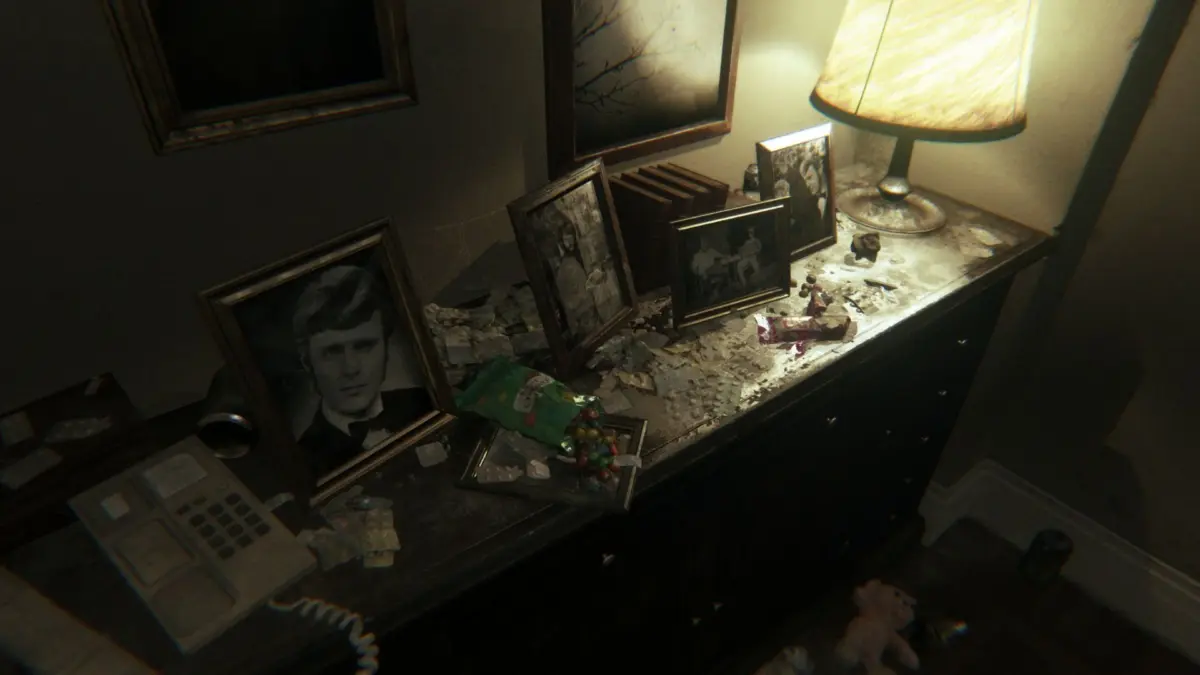
One of the most celebrated and fiercely debated interactive horror experiences in video game history has finally broken free from its PlayStation 4 confinement. Hideo Kojima’s legendary playable teaser, universally known as P.T., has been successfully and natively ported to personal computers by independent programmer Lorean Xavier, who made the project public this week.
Unlike previous fan recreations, unauthorized remakes, or complex emulation setups, this new native PC client avoids packaging any copyrighted software directly. Instead, it functions by requiring users to supply their own legally dumped copy of the original PlayStation 4 game files, translating the authentic underlying code so that it can run smoothly on modern Windows and Linux operating systems.
This technical distinction not only helps the project navigate potential copyright and legal concerns, but it also gives the creator the freedom to integrate modern graphical enhancements, adjustable display settings, and comprehensive modding support into the PC version. According to the developer, the ambitious undertaking has been quietly in development since 2024, driven by a childhood fascination with a game that he was never able to experience firsthand during its original release window.
"I wanted to make the version of P.T. that my younger self always wished existed," Xavier, who is 21 years old, explained in an interview. "My attachment to the game goes all the way back to my childhood. I remember watching videos of it on my phone, wishing I could experience it myself. I didn’t have a PS4, so playing the original was never really an option for me. I never imagined back then that I’d eventually be the one bringing it to PC."

The historical context surrounding P.T. remains one of the most infamous corporate dramas in the modern video game industry. The window to experience the project legitimately was famously brief, lasting only a short period after Hideo Kojima surprise-dropped the title on the PlayStation Network in August 2014. Distributed anonymously under the guise of a fictitious indie studio called 7780s Studio, the release was actually a cryptic, interactive playable teaser for Silent Hills, a highly anticipated reboot of Konami’s iconic survival horror franchise that Kojima was developing in collaboration with acclaimed filmmaker Guillermo del Toro.
The teaser instantly captivated the global gaming community. Players spent weeks collaboratively unraveling its deeply cryptic, logic-defying puzzles within a looping hallway, eventually discovering a trailer that revealed the involvement of actor Norman Reedus and the true nature of the project. However, shortly after the massive wave of publicity, a highly publicized and bitter falling out occurred between Kojima and publisher Konami. The partnership dissolved, Silent Hills was abruptly canceled, and P.T. found itself caught in the corporate crossfire.
In early 2015, Konami pulled the teaser from the PlayStation Network entirely, making it impossible for new users to download. For owners of the original hardware who had already downloaded the file, the game became a prized digital artifact, leading to a surreal secondary market where PlayStation 4 consoles with P.T. installed on their internal hard drives were sold for exorbitant prices online. Over the subsequent decade, the horror classic survived exclusively through reverse-engineered preservation efforts, preservation hardware backups, and community emulation milestones.
"The idea that something so influential could eventually become practically unplayable never sat right with me," Xavier noted, reflecting on the motivations that sparked the grueling porting process.
While numerous dedicated fans have attempted over the years to rebuild or recreate the haunting corridor experience in modern engines like Unreal Engine or Unity, Xavier felt that these previous efforts always fell short of capturing the exact essence of the original masterpiece.

"There have been several PC remakes over the years, and I appreciate that people tried to preserve the experience, but none of them ever really satisfied me," Xavier said. "Something always felt off, whether it was the lighting, the atmosphere, the interactions, or the way certain events played out. They could resemble P.T. visually, but they never truly felt like the original to me. And that’s exactly why I wanted to do this differently. I didn’t want to make another interpretation of P.T. or recreate it approximately in another engine. I wanted the actual experience, with its original assets, sounds, animations, and behavior, running natively on PC."
Although the newly released software is entirely distinct from ongoing console emulation efforts, Xavier acknowledges that the parallel development of tools like the shadPS4 emulator served as an invaluable reference point. By examining how the emulator processed the original game’s behavior, the programmer was able to meticulously cross-reference and verify that the native port’s execution matched the authentic PlayStation 4 architecture down to the finest detail.
The release arrives during a fascinating, highly experimental era for game preservation and software recompilation. The rapid proliferation of artificial intelligence technologies has significantly accelerated the workflow for developers attempting console-to-PC ports. However, this trend has also sparked industry-wide debates, frequently resulting in hastily assembled, mechanically janky projects colloquially known as "vibecoded" ports that can sometimes complicate genuine preservation efforts.
When discussing his own development methodology, Xavier remains candid about incorporating modern artificial intelligence tools into his workflow, while firmly maintaining that automated assistance is no substitute for deep technical competence and foundational programming knowledge.
"I think there’s an important distinction between using AI as a development tool and blindly relying on it to create an entire project you don’t understand," Xavier explained. "In my case, I use AI to help with debugging, identifying issues, testing code, and working through problems when I get stuck. It can be incredibly useful for accelerating that process, especially when you’re working alone on something this complicated. But I’m still the one responsible for the architecture, the implementation decisions, writing and reviewing the code, and understanding how the different systems fit together. My years of experience with reverse engineering and P.T. are what allow me to direct that process in the first place."
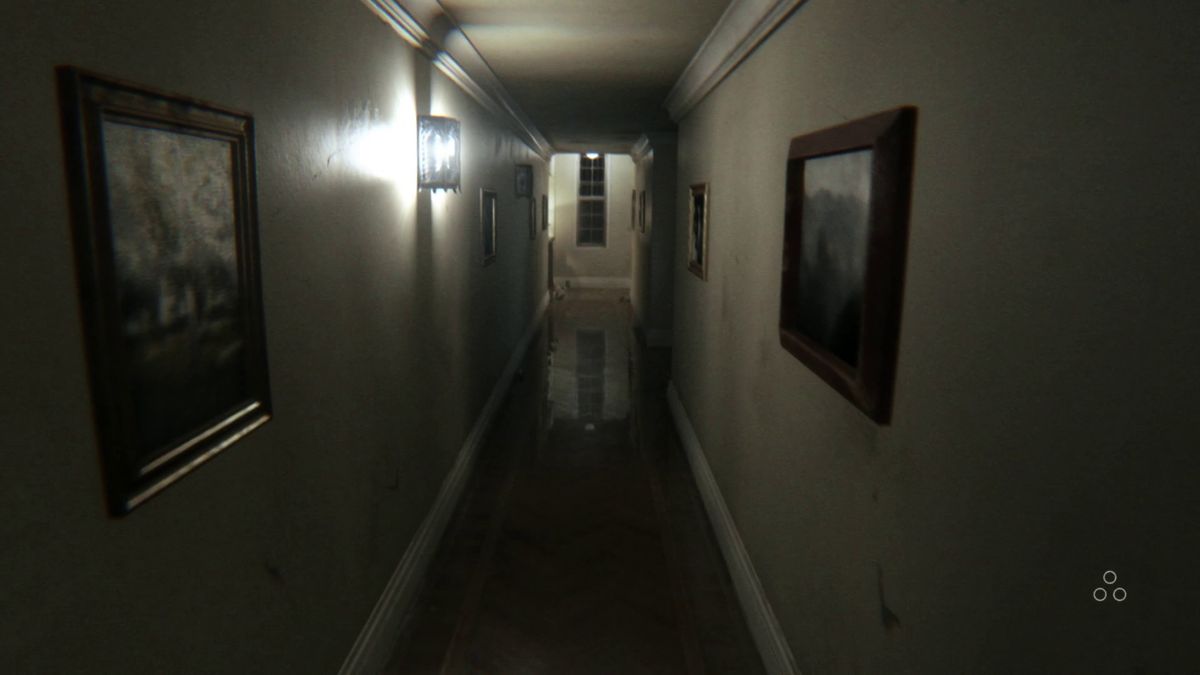
The resulting software has already earned high praise from the most rigorous corners of the gaming community, securing the ultimate endorsement from prominent researchers who spent years meticulously analyzing the original code. Lance McDonald, the well-known Australian developer and researcher who famously datamined P.T. shortly after its removal to uncover its hidden mechanics and developer secrets, publicly voiced his astonishment at the accuracy of the new release. Taking to social media, McDonald praised the achievement as a nearly flawless, one-to-one port of the entire original codebase, noting that it successfully replicates undocumented behaviors and subtle programmatic nuances that previous fan projects invariably missed.
For horror enthusiasts and preservationists who have spent more than ten years mourning the loss of Kojima’s aborted vision, the availability of a faithful, natively optimized version marks a monumental milestone. The complete "PT-PC" project files and documentation are currently publicly accessible for interested developers and players via GitHub.