Analog photography enthusiasts have a new reason to celebrate as Lomography continues to breathe fresh life into vintage formats. The iconic film brand has announced two striking new design iterations of its popular Lomomatic 110 camera: the Panthera, featuring a sophisticated brass body paired with a bold leopard print pattern, and the Ladybug, a vibrant glossy red model adorned with playful black polka dots.
The announcement follows a growing cultural fascination with retro gear, capturing the imaginations of photographers who yearn for the tactile, analog experience of decades past. The Panthera and Ladybug are more than just cosmetic updates; they represent Lomography’s ongoing commitment to making alternative film formats accessible, stylish, and immensely fun for a modern generation of creators.
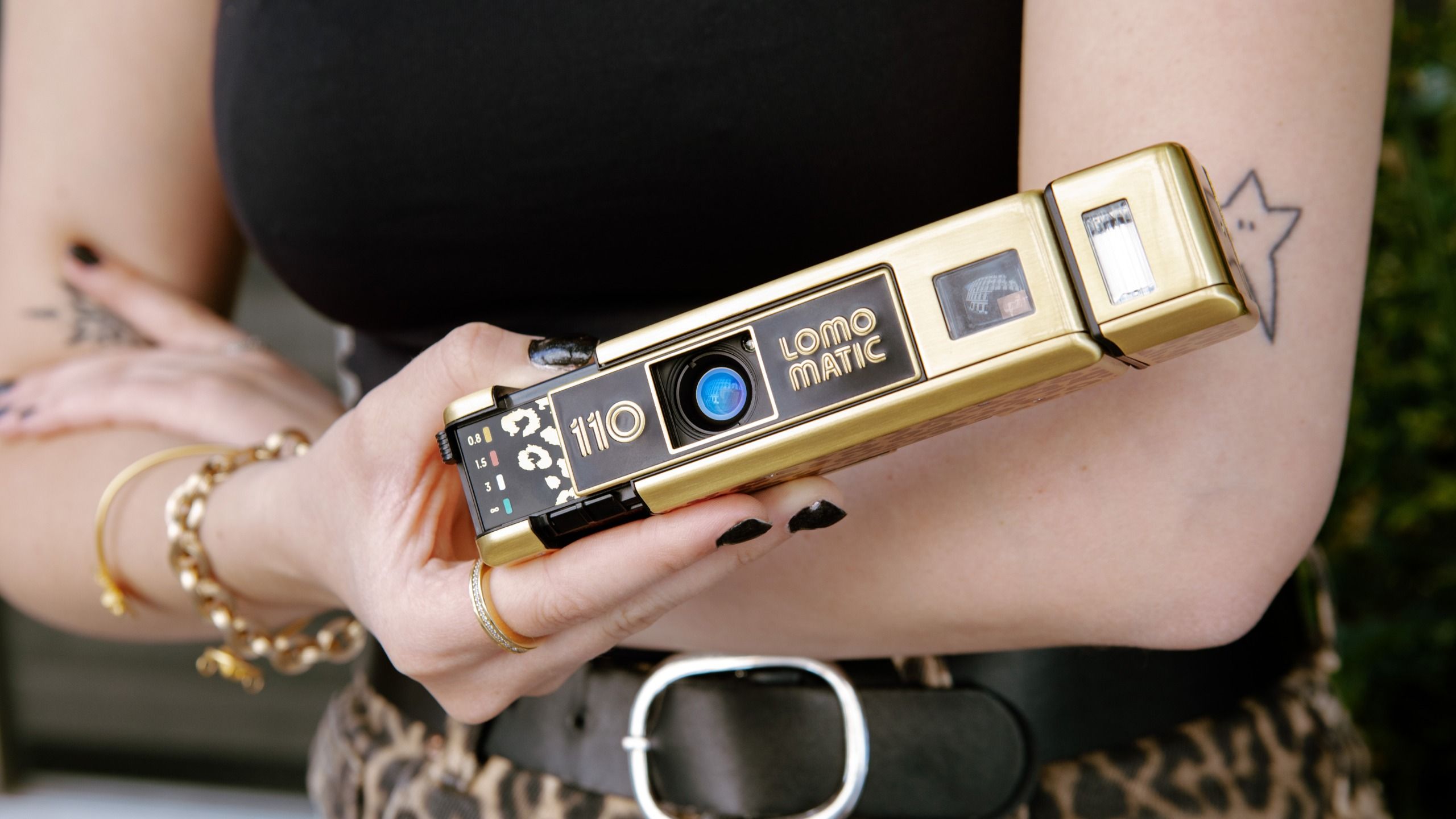
The inspiration behind these new additions often stems from the nostalgic charm found at vintage camera swap meets and flea markets. Classic cameras featuring distinct brass accents, intricate textures, and mechanical sliding mechanisms have long captivated collectors. With the Panthera, Lomography has successfully channeled the unapologetic aesthetic of the 1970s, creating a pocket-sized device that looks just as much like a fashion statement as it does a serious imaging tool. Meanwhile, the Ladybug offers a cheerful, high-contrast aesthetic that stands out in any camera bag.
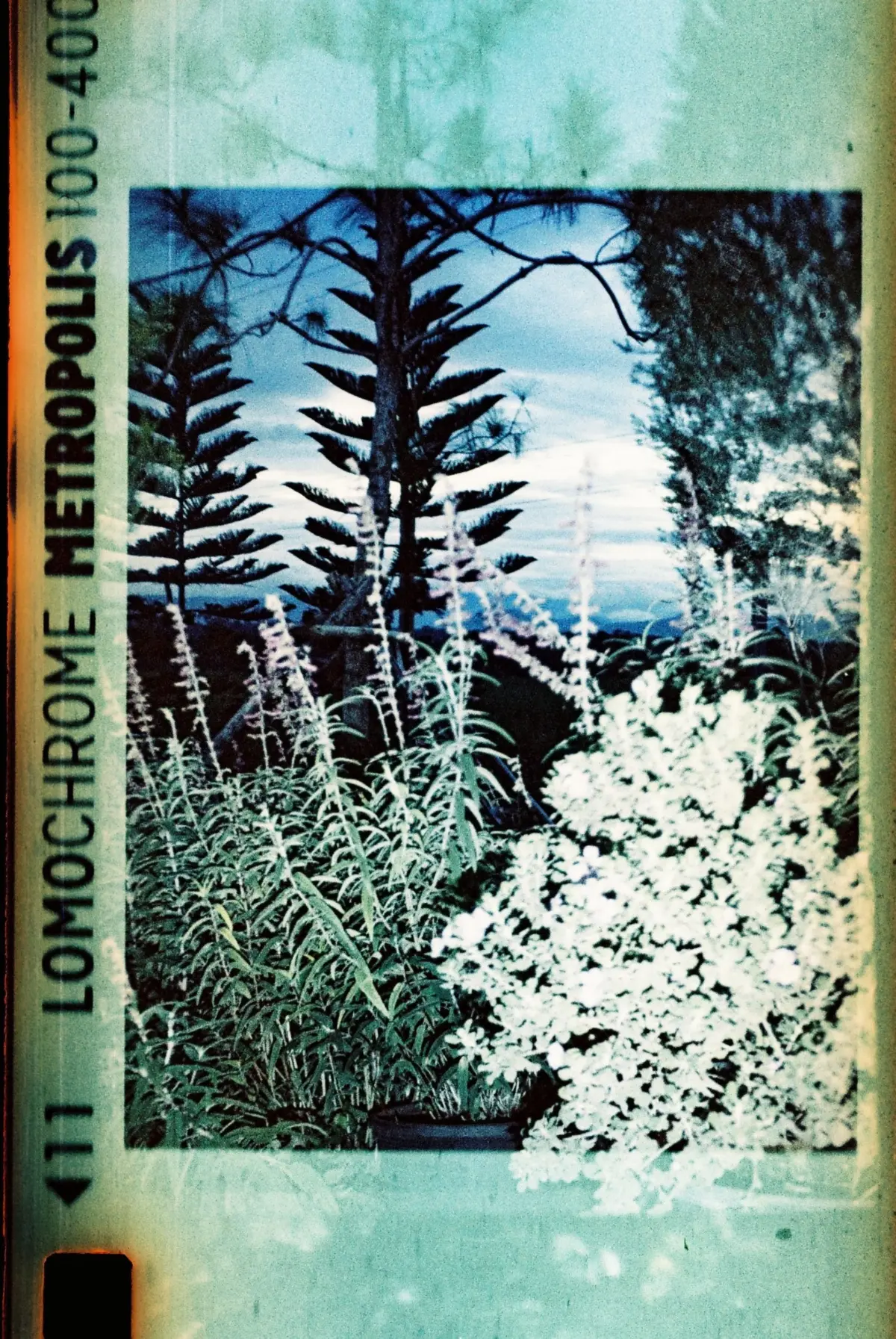
Both new editions are built upon the foundation of the existing Lomomatic 110 platform. The 110 film format itself serves as an exceptionally approachable gateway into the world of analog photography. Unlike traditional 35mm film, which requires careful, manual alignment and spooling through delicate internal gears, 110 film is entirely self-contained. It comes pre-loaded inside a sturdy plastic cartridge that simply pops directly into the back of the camera, eliminating the learning curve and intimidation factor that often deters beginners from trying film.
Despite utilizing a smaller film negative format, the Lomomatic 110 series refuses to compromise on optical quality. The camera is equipped with a dedicated 23mm glass lens. Unlike the cheap, injection-molded plastic lenses found on standard disposable cameras—which often yield soft, distorted, or heavily vignette-heavy images—the glass optic on the Lomomatic 110 is engineered to deliver superior sharpness, clarity, and contrast. This ensures that photographers get crisp, detailed shots while still enjoying the authentic, organic color rendering that analog shooters cherish.
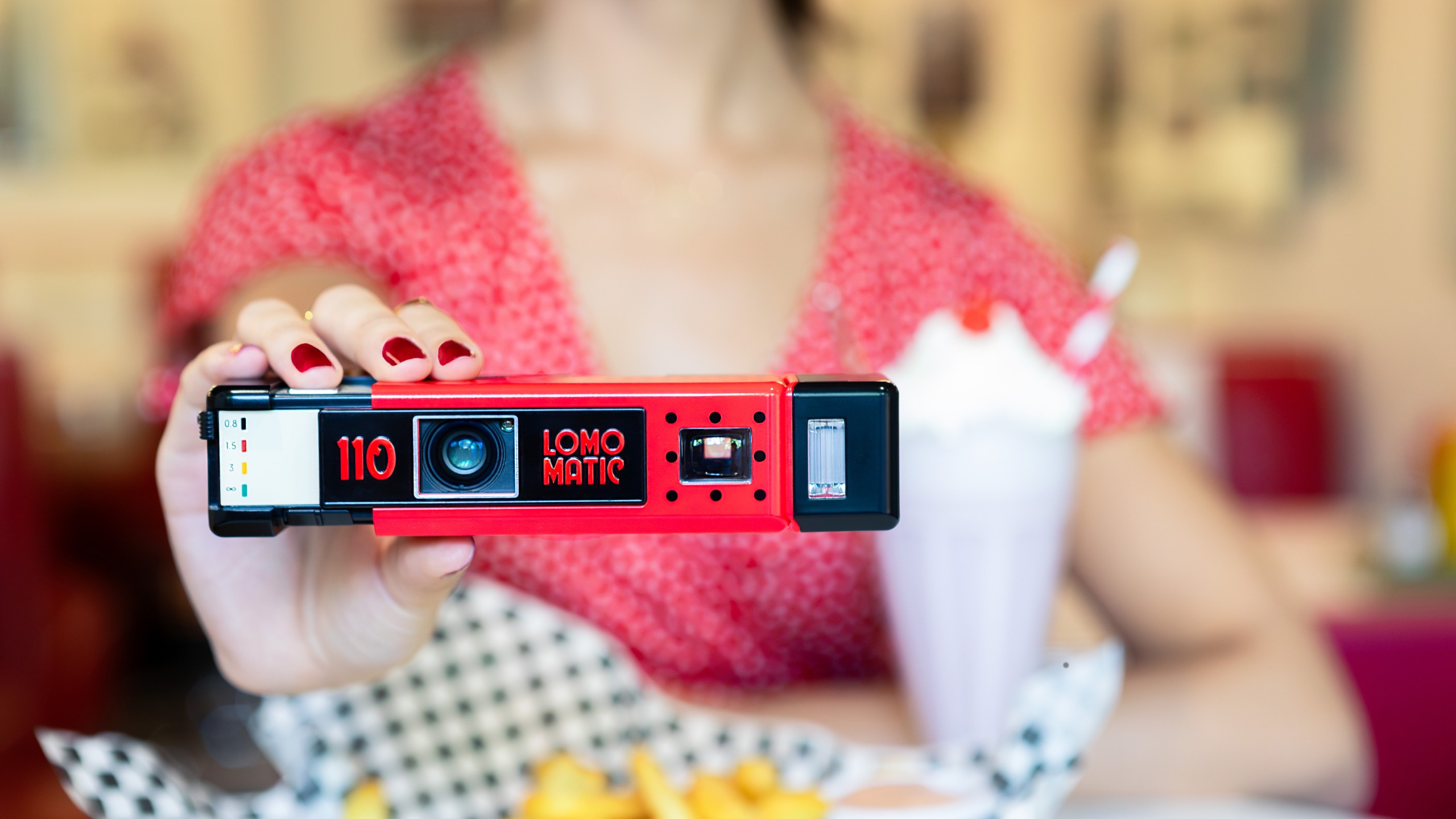
Functionality is another area where the Lomomatic series bridges the gap between vintage simplicity and modern convenience. The camera operates primarily using an automatic exposure system, taking the guesswork out of measuring lighting conditions in fast-paced environments. However, for photographers who want a greater degree of creative control over their images, Lomography has integrated manual aperture selection. By simply pressing buttons located conveniently on the top plate of the camera body, users can easily toggle between an f/2.8 aperture for low-light situations or shallow depth-of-field effects, and an f/5.6 aperture for brighter daylight conditions and deeper focus.
Additionally, the camera utilizes a dependable zone-focusing system, allowing users to quickly estimate their distance to the subject and snap a photo without fumbling with complex rangefinders. It also features a dedicated ISO control dial, ensuring that the camera’s internal meter properly exposes the specific type of film loaded into the cartridge.
One of the most satisfying mechanical elements of the Lomomatic 110 is its distinctive sliding design, which pays direct homage to classic compact cameras of the twentieth century. Rather than featuring a traditional lens cap or a simple sliding cover over the front glass, the entire end of the camera body smoothly extends outward to expose the lens and ready the device for shooting. When the user is finished capturing memories, the camera slides back into a compact, rectangular form factor that easily slips into a pocket or small bag, making it an ideal companion for daily adventures, travel, and social gatherings.
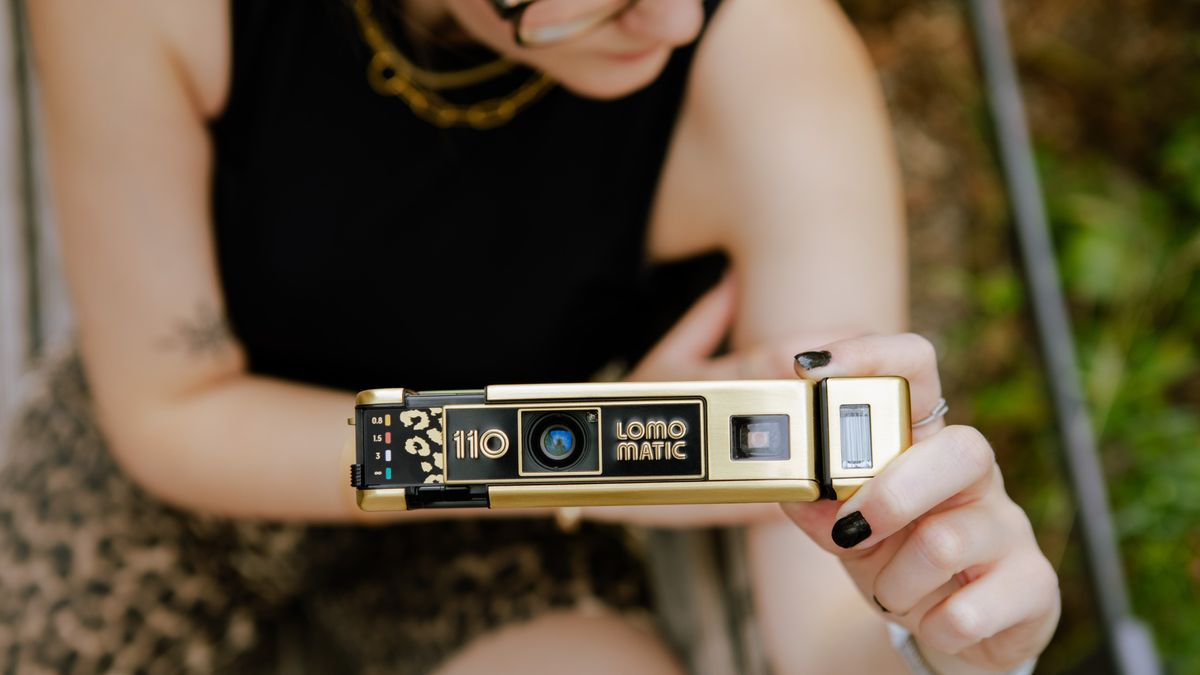
The introduction of the Panthera and Ladybug models expands an already diverse family of finishes. The Panthera joins the previously released Lomomatic 110 Bellagio, another brass-bodied variant that heavily channels 1960s chic. Because the Panthera incorporates genuine brass construction and intricate pattern work, it commands a slightly higher price point than its stablemates, retailing at $189 / £169 / AU$289 / CA$259. The Ladybug, on the other hand, aligns with standard color options in the lineup, available at $119 / £109 / AU$189 / CA$159. Prospective buyers should note that film cartridges and a required CR2 battery are not included in the box and must be purchased separately.
The resurgence of the 110 format is part of a broader industry trend toward compact, retro-styled imaging devices. Other notable brands have similarly leaned into the distinct form factor of the past, with companies like Camp Snap and Yashica introducing digital cameras designed to mimic the look, feel, and shooting experience of classic pocket-sized film cameras. Yet, for purists who prefer genuine chemical reactions over digital sensors, Lomography’s latest hardware drop offers an authentic chemical film experience wrapped in unmistakable retro flair.
Both the Panthera and Ladybug variants are currently available to order directly through Lomography’s official online shop, giving photographers worldwide the opportunity to add a splash of 1970s character to their creative arsenals.