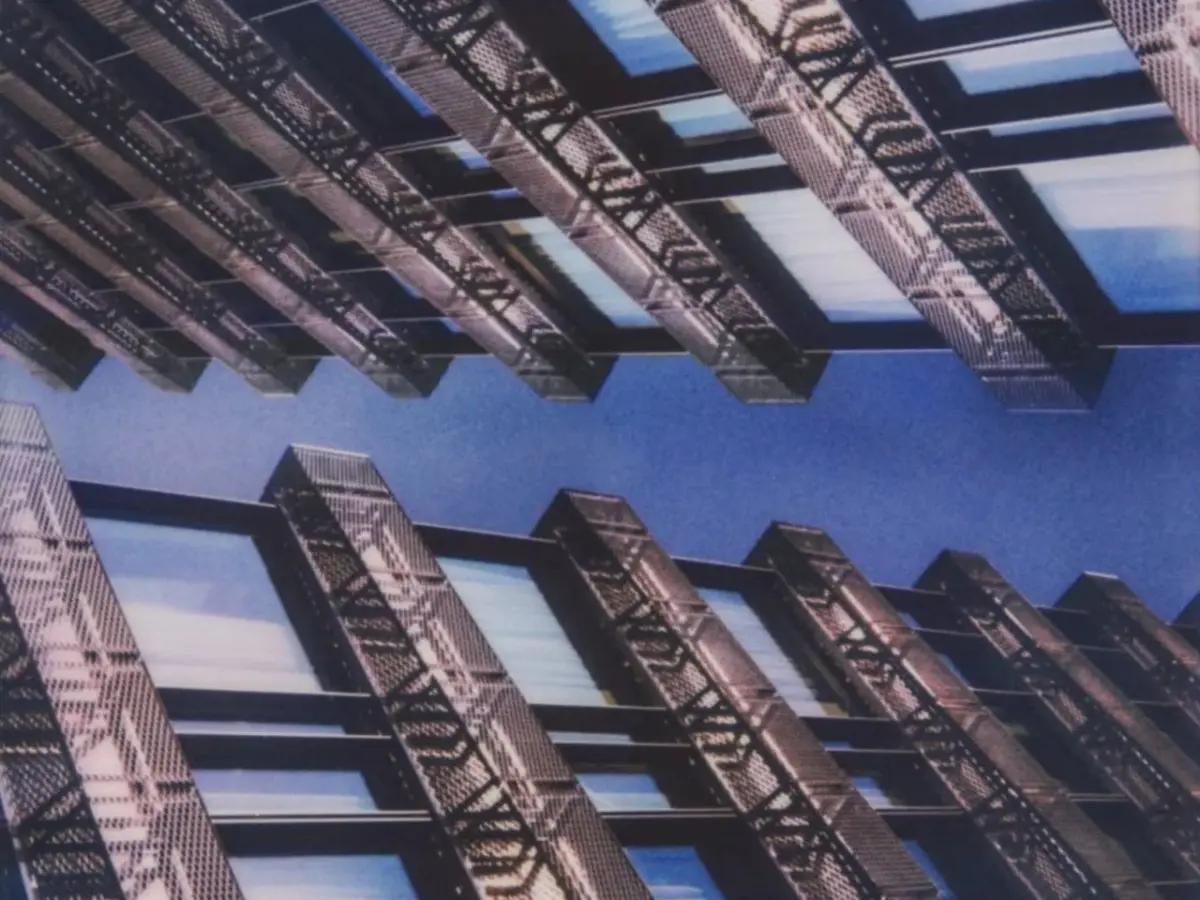
Polaroid has officially introduced the Mod, a brand-new point-and-shoot instant camera engineered to bring tactile creativity and the beloved charm of analog unpredictability directly into the physical design of hardware. Rather than relying on artificial intelligence, software overlays, or post-processing digital editing applications to achieve popular visual effects, the Polaroid Mod bakes these capabilities straight into the camera body. By preserving the company’s iconic style of capturing spontaneous moments over many decades, the Mod seamlessly carries on a legendary heritage while simultaneously meeting the modern demands of today’s visually driven content creators and social photographers.
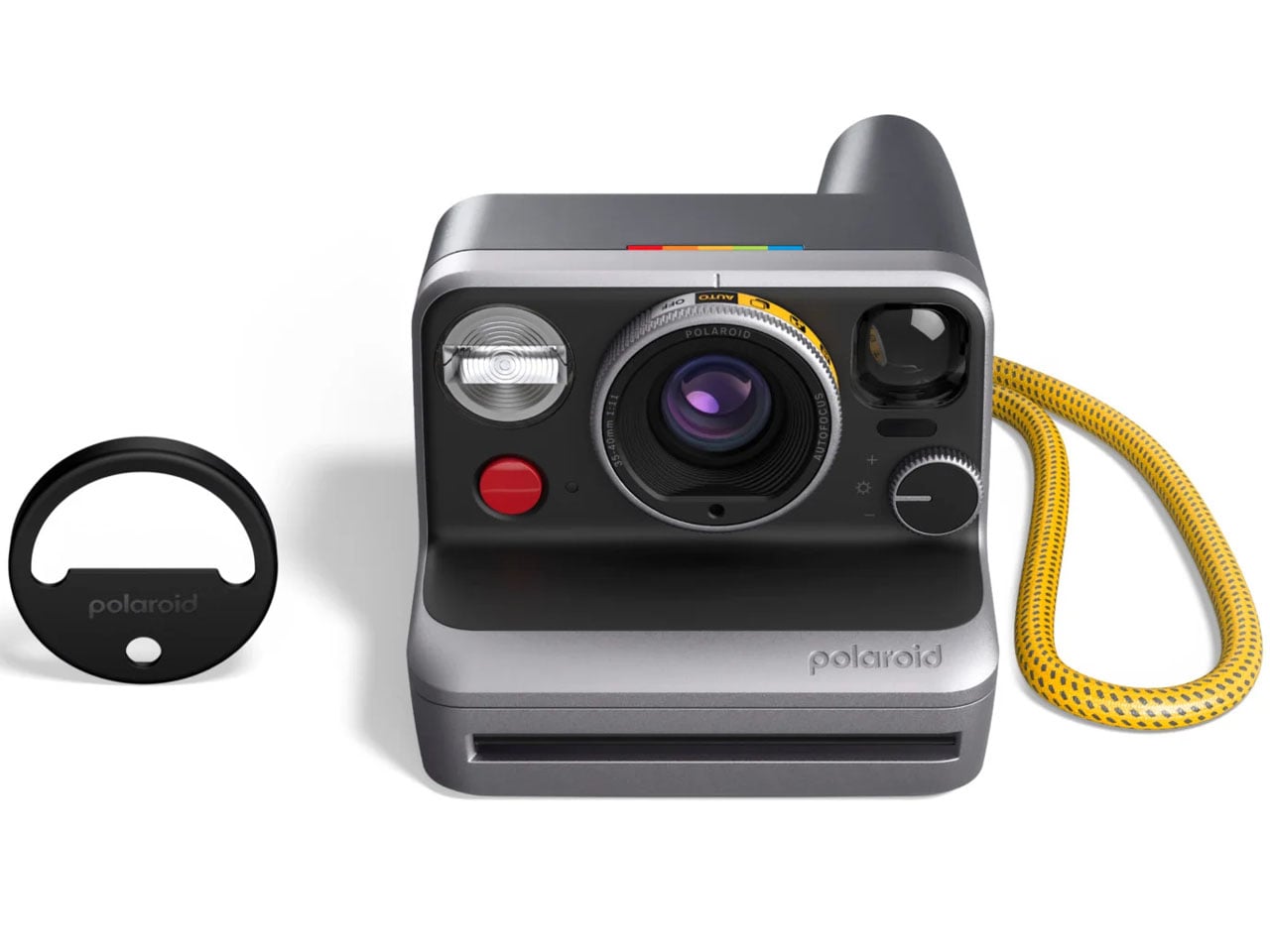
The philosophy behind the device centers on physical interaction and deliberate craftsmanship. According to Stine Bauer Dahlberg, Chief Product Officer at Polaroid, the design team wanted to ensure that the creative experience was fundamentally rooted in the physical architecture of the hardware itself. This realization led to the integration of four distinct shooting modes directly onto a dedicated physical dial on the front of the camera, keeping them immediately accessible rather than hiding them behind digital menus, sub-settings, or smartphone applications.
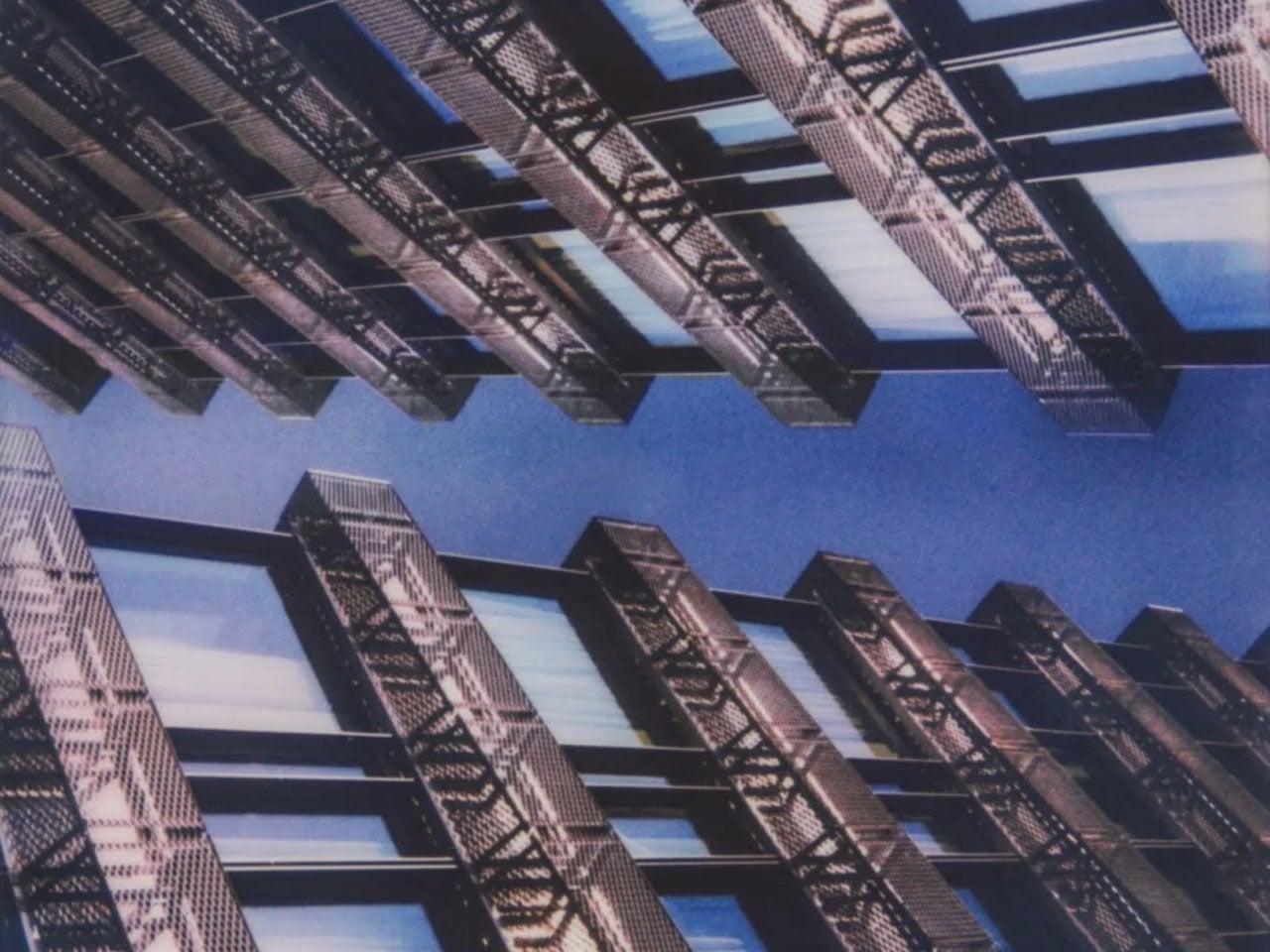
The instant camera introduces a highly flexible approach to shooting, embracing the organic flaws and wonderful surprises that define true analog photography. Central to this experience is the tactile dial on the front of the body, which lets photographers instantly toggle between four distinct modes without breaking their creative flow. The first of these options is the Split Shot mode, which divides the final physical image into two distinct halves with separate exposures. This effect is achieved using a specialized accessory that requires a 180-degree rotation while taking two separate exposures, effectively fusing two individual moments into a single, unified Polaroid frame.

Continuing down the dial, photographers will find the Motion Freeze mode, a setting specifically designed for challenging dark environments. This mode introduces a calculated delay to the flash, allowing the lens to capture ambient motion during the final moments of a long exposure shot. The resulting photographs often feature a distinct, chaotic aesthetic that captures the raw energy of nightlife and dimly lit gatherings.
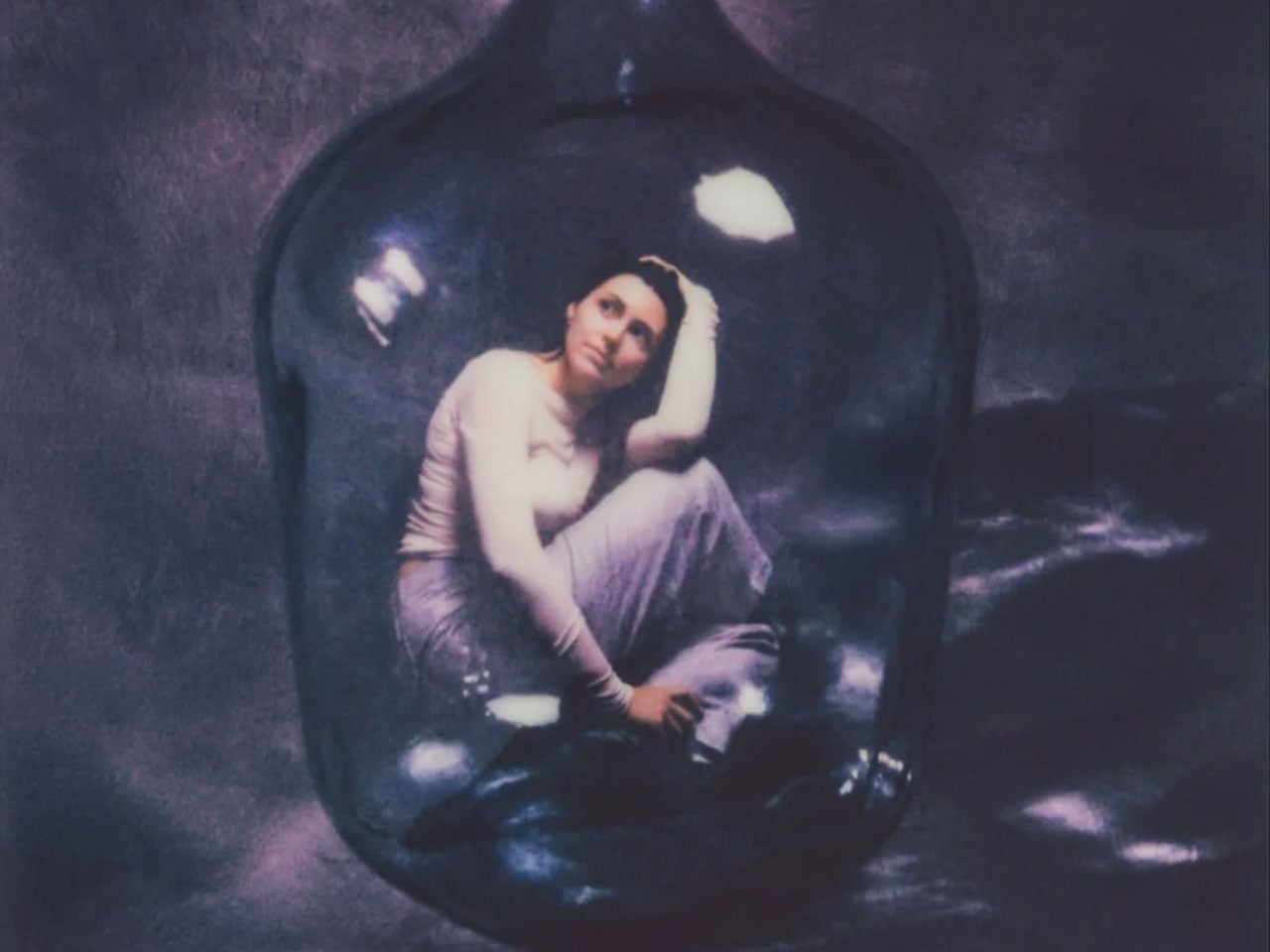
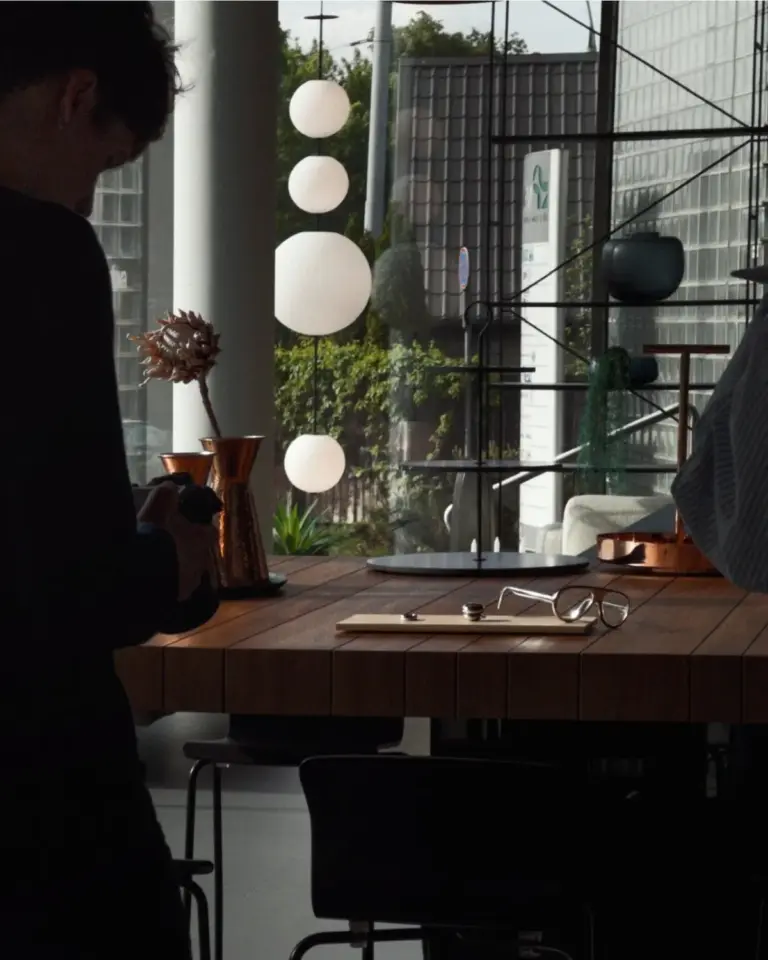
Rotating the dial further reveals the Double Exposure mode, which allows users to layer two entirely separate exposures onto a single piece of film. This feature challenges photographers to test their visual storytelling skills by blending two distinct subjects into one cohesive composition. The resulting surreal effect is often so striking that casual observers might mistakenly attribute it to software trickery or digital app wizardry. It stands out as an exceptional tool for experimentation, yielding thoroughly unpredictable results that reward patience and artistic vision.

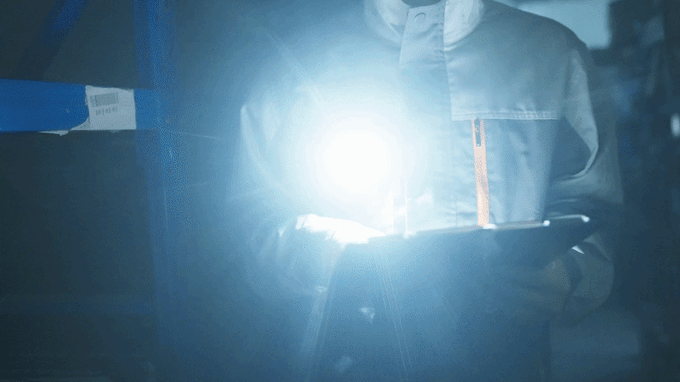
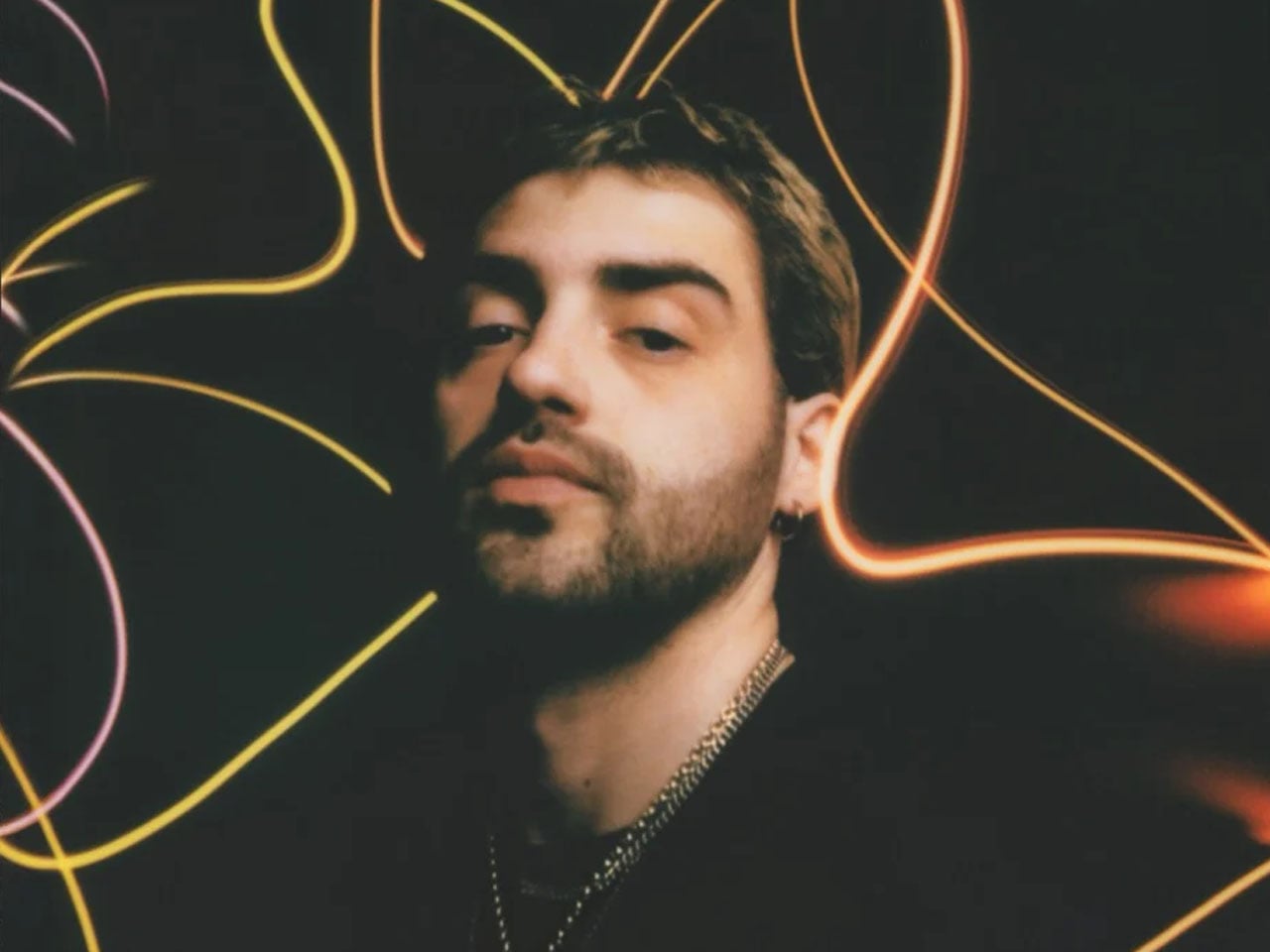
The final notch on the physical dial activates the Light Painting mode, tailored for long-exposure enthusiasts. This setting keeps the shutter open to capture light sources in motion, producing a final photograph that resembles a glowing trail painted directly across the analog frame. It is an ideal feature for creators who appreciate abstract art or those who have experience experimenting with light painting techniques in controlled settings.
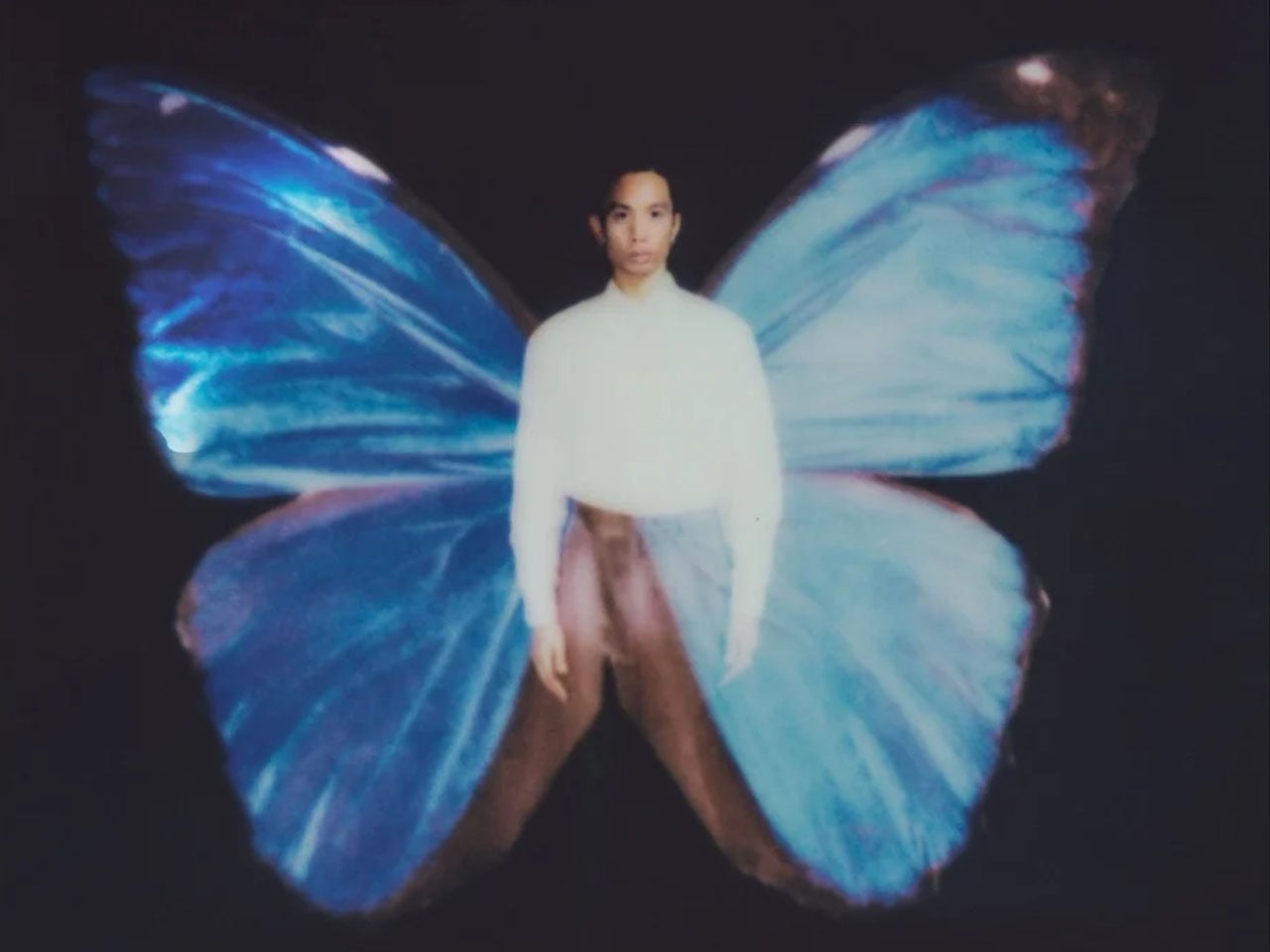
Stine Bauer Dahlberg emphasizes that the instant camera is purposefully designed to encourage users to explore their creativity across random settings and spontaneous environments. Each of the four modes has been crafted to be remarkably intuitive while still providing ample room for photographers to play with variables like light, movement, and composition. The overarching goal is to compel photographers to slow down, experiment, and genuinely embrace the curiosity, playfulness, and delightful unpredictability that make analog photography entirely unique in a digital world. Every time a user picks up the Mod, an unknown visual adventure awaits them. While Polaroid has streamlined the process of achieving these artistic styles by drawing inspiration from professional analog photographers, users will still experience a rewarding learning curve and a fair share of trial and error before mastering every mode.
Beneath its creative exterior, the Polaroid Mod is built for practical everyday use. The camera features a built-in 750mAh rechargeable battery designed to endure extensive shooting sessions, lasting through approximately 15 packs of film on a single charge. Furthermore, the device has been optimized for portability, tipping the scales at a lightweight 1.15 pounds, making it noticeably lighter than many of Polaroid’s preceding models and easier to carry around for daily street photography or social outings.

The Polaroid Mod instant camera is scheduled to hit select retail shelves in the United States starting October 6, with an initial retail price of $169.99. Broader availability across international markets is planned to roll out in early 2027. Prospective buyers must also factor in the ongoing cost of consumables, as a single i-Type film cartridge containing eight exposures is priced at $19, ensuring that every click of the shutter remains a deliberate and valued creative choice.