Munich-based motion designer and illustrator Karim Dabbèche has officially released his latest micro-short film, Overload. Described as a feel-good, whimsical exploration of multiplicity, forms, and identities, the project represents a significant creative milestone for the artist as he blends disparate aesthetic languages into a single, cohesive cinematic experience.
The project originally began as a fairly conventional 3D piece before gradually evolving into a complex accumulation of various graphic languages. According to Dabbèche, the shifting nature of the project directly reflects his current state of mind and a broader philosophical question regarding artistic boundaries. Rather than confining himself to a specific aesthetic niche, the creator chose to lean into a wide spectrum of visual styles, letting them coexist within the same framework.
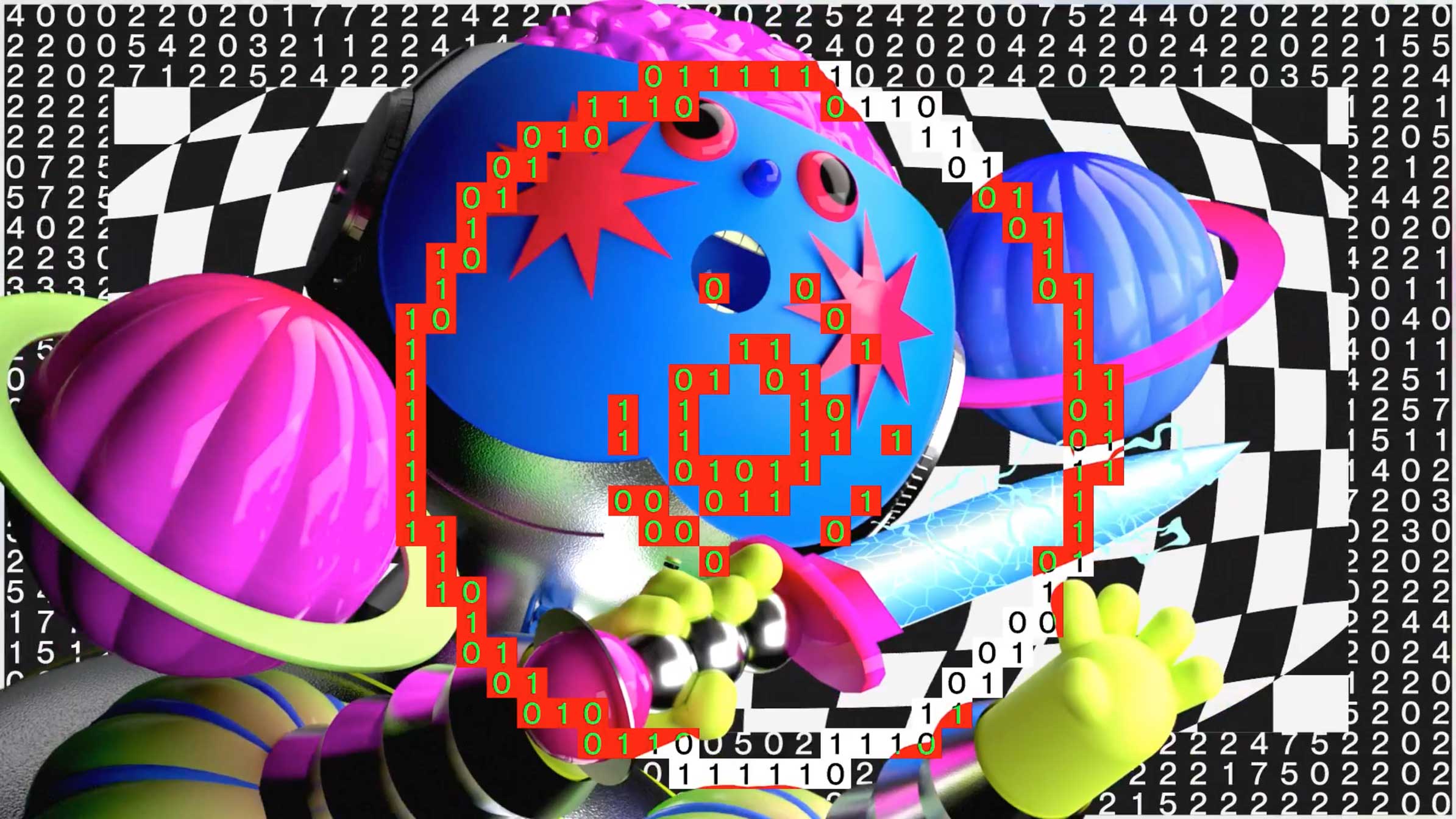
Throughout the production process, individual scenes and elements frequently evolved into potential new directions for the entire piece. Instead of narrowing down his options and selecting a single path, Dabbèche decided to let these conflicting directions play out on screen. The result is a continuous visual dialogue that feeds on the inherent tension between control and chaos.
This dynamic back and forth between construction and deconstruction—and the constant negotiation between maintaining tight control and embracing a loss of control—ultimately became an integral part of the project itself.

A Multidisciplinary Evolution
The diverse visual makeup of Overload is rooted in Dabbèche’s own eclectic artistic background. His journey in the creative industries began in traditional illustration before he transitioned into frame-by-frame 2D animation. Over time, he expanded his expertise into 2D motion design and, eventually, developed a robust practice in 3D animation. Today, these diverse approaches no longer exist in isolation; instead, they coexist and develop in parallel within his professional practice.
When approaching Overload, the designer found himself mixing all of these distinct methodologies without knowing precisely where the workflow would lead him. He compares the unconventional production process to an exquisite corpse drawing game—a collaborative surrealist method where participants know the beginning and the end of a sequence, but remain entirely in the dark about what happens in between.
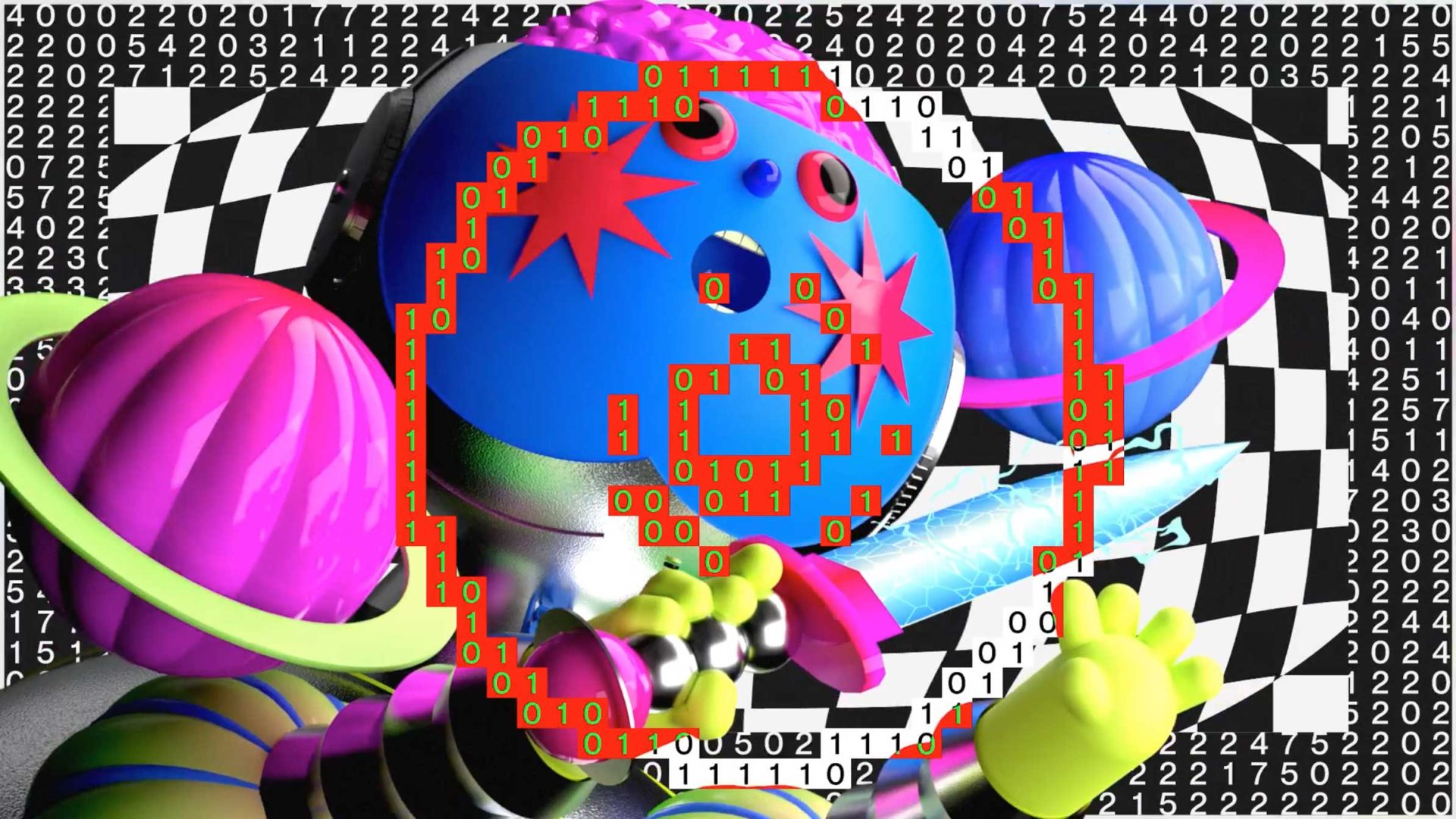
This experimental approach confronted Dabbèche with an entirely new workflow that pushed him far out of his familiar creative territory. It forced him to conceive each sequence with a degree of autonomy while simultaneously keeping the overarching vision of the project intact.
Visual Language and Production
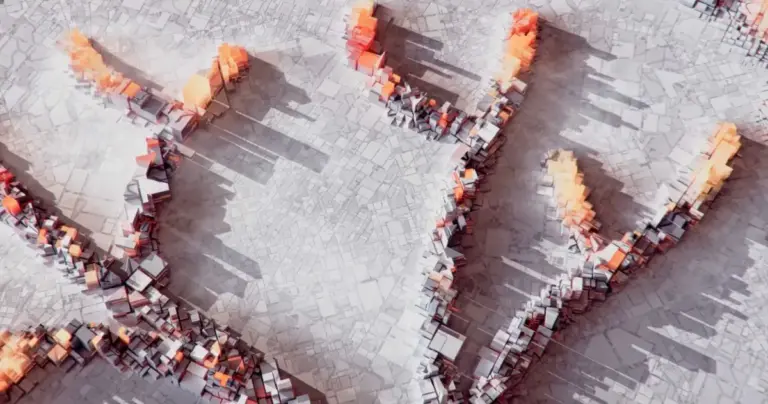
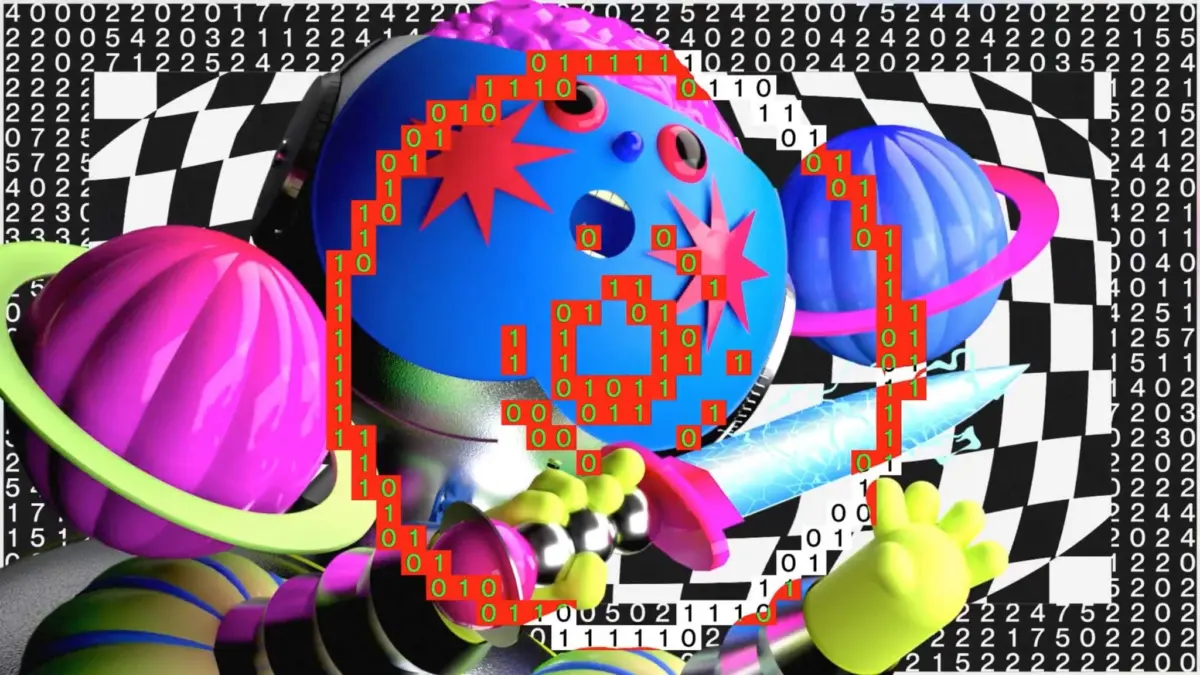
The resulting short film features a striking array of contrasting visuals, ranging from cartoon-style robots with planetary limbs set against checkered backgrounds to stylized mechanical skulls, dynamic characters leaping through comic book bursts, and abstract graphic patterns rendered in stark black, white, and red palettes alongside vibrant gradient backdrops.
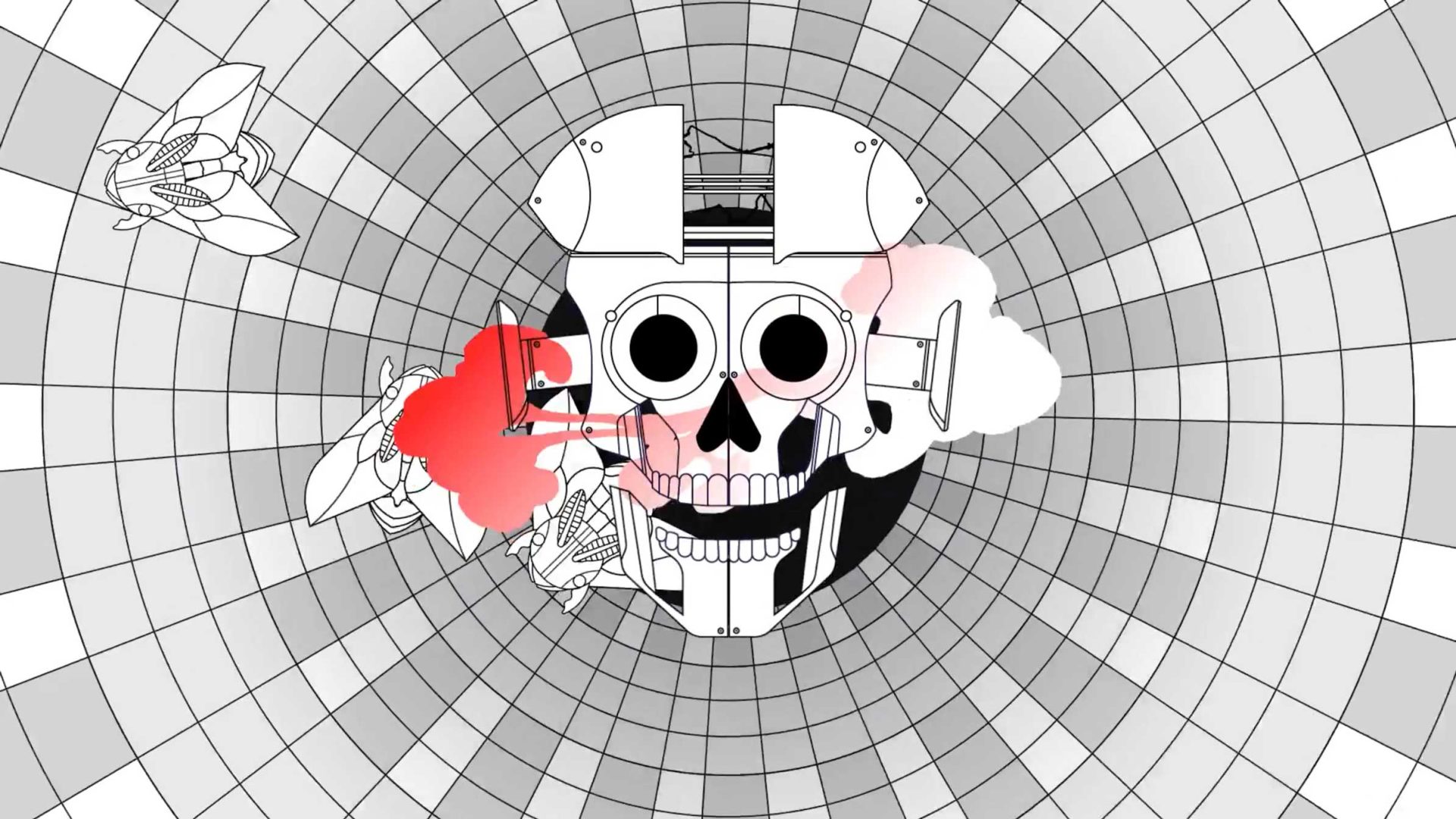
By refusing to settle into a single visual comfort zone, Dabbèche has crafted a piece that challenges traditional animation pipelines while celebrating the rich possibilities that emerge when multiple creative disciplines collide.
Directed and animated entirely by Karim Dabbèche, Overload features an original musical score provided by Trackclub, rounding out the sensory experience of this ambitious visual exploration.