The global imaging landscape is undergoing a monumental shift, driven by an explosion in popularity for pocket-sized content creation devices. According to newly published research from Chinese technology intelligence firm IDC, the worldwide market for handheld "smart cameras"—a category encompassing action cameras, 360-degree cameras, and gimbal-mounted cameras—experienced a staggering 83% year-over-year growth rate in 2025, reaching a total of 16.65 million units shipped globally.
This meteoric rise has pushed total sales past the 46 billion yuan mark, translating to roughly $6.875 trillion at current exchange rates and representing an 86% financial jump compared to 2024. Industry analysts at IDC project that this upward trajectory will not slow down anytime soon, forecasting that the market will expand significantly to hit 40 million units annually by 2030.
At the center of this massive hardware boom are Chinese technology giants DJI and Insta360, whose rapid production and sales volumes have completely reshaped the balance of power in consumer optics. In a striking milestone that underscores the changing habits of modern creators, market leader DJI alone shipped a record-breaking 10.4 million handheld cameras in 2025, surpassing the 10 million-unit threshold for the first time in the company’s history.
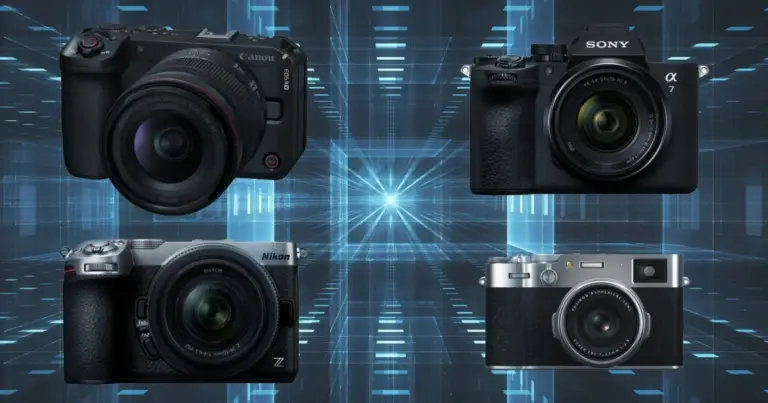
To put that incredible output into perspective, DJI’s individual shipping volume for handheld smart cameras outpaces the combined total shipments of all member companies within the Camera and Imaging Products Association (CIPA). CIPA, which primarily tracks Japanese camera manufacturers such as Canon, Nikon, Sony, Fujifilm, and Panasonic, reported a strong industry year in 2025 with total digital camera sales reaching 9.44 million units. While that figure represents the fourth consecutive year of growth for the traditional photo industry and its highest total since 2019, it still falls short of what a single Chinese action and gimbal camera manufacturer moved in the exact same twelve-month period.
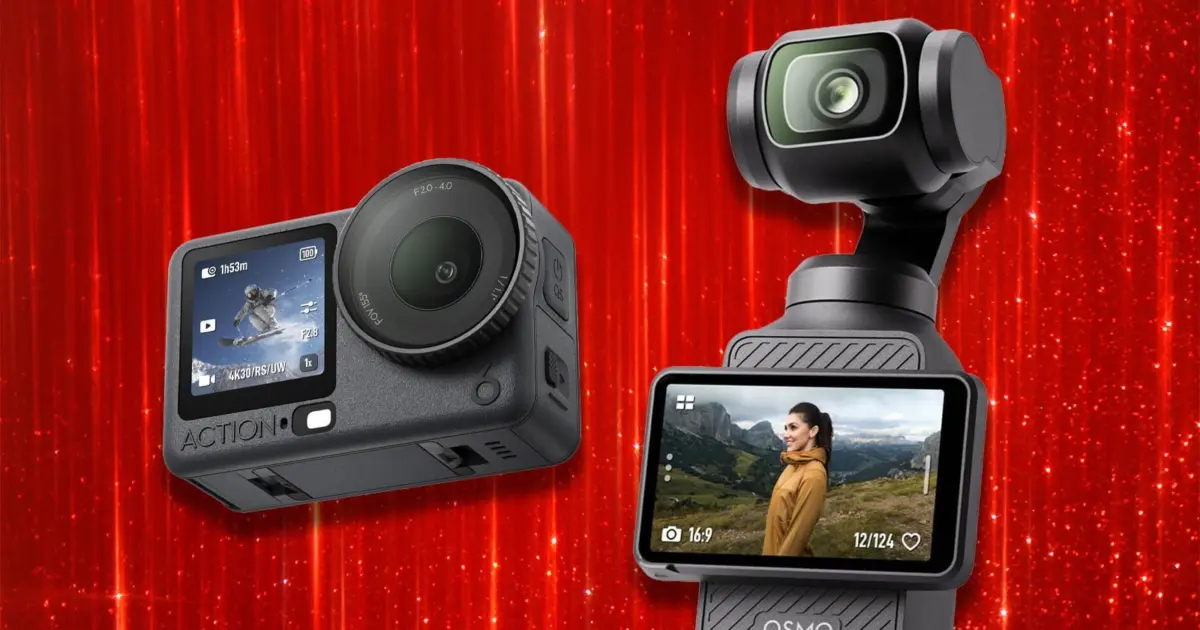
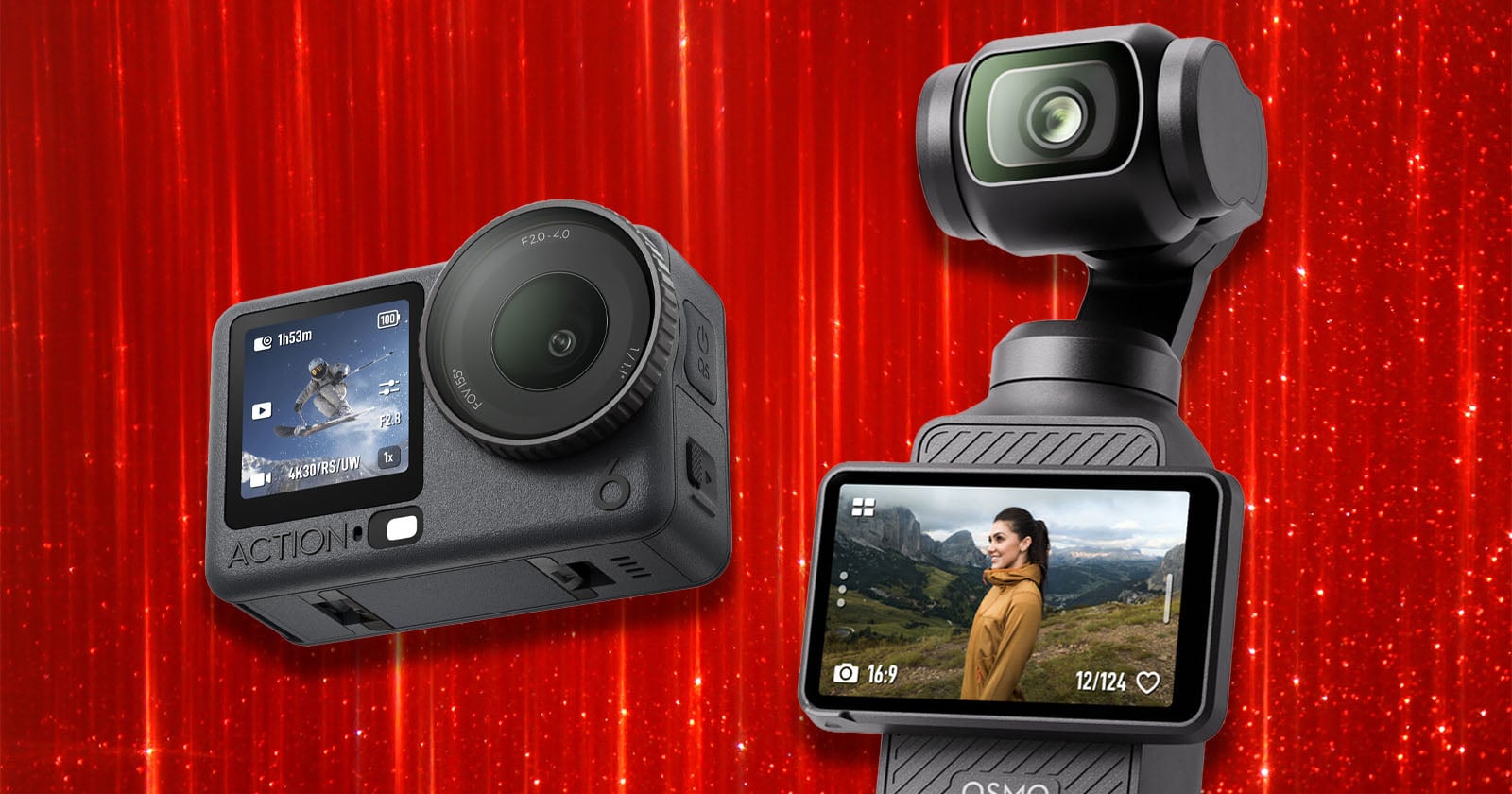
The broader category of "handheld smart cameras" tracked by IDC captures a wide array of specialized recording tools. This includes traditional action cameras, immersive 360-degree devices like the Insta360 series, and integrated gimbal-stabilized vlogging systems such as the DJI Osmo Pocket lineup and the newer Insta360 Luna series. Crucially, IDC’s data encompasses all major manufacturers globally, meaning legacy American action camera pioneer GoPro is also factored into these sweeping market calculations.
However, while DJI dominates the pinnacle of the market, the competitive landscape has proven punishing for other historical players. GoPro, which once commanded an effective monopoly over the action camera sector that the United States dominated, has continued to lose significant market share over recent years. This ongoing trend has severely impacted the company’s financial health, evidenced by multi-million-dollar quarterly losses and a desperate search for strategic lifelines in an environment where Chinese manufacturing powerhouses have captured the imagination of global consumers.
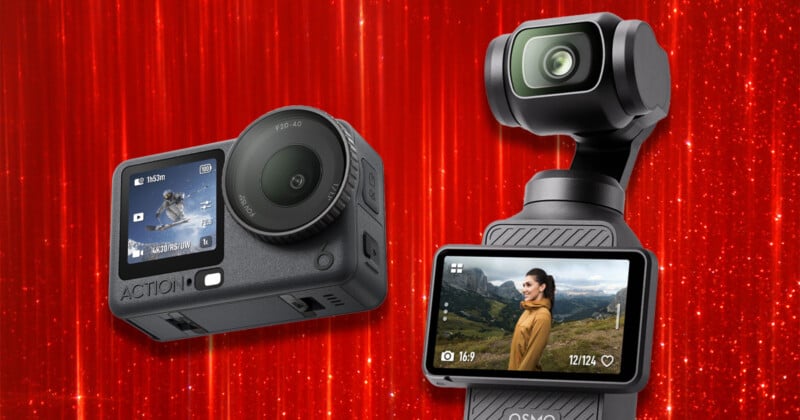
Insta360 similarly enjoyed an immense banner year in 2025, shipping 3.4 million handheld cameras worldwide. That single figure accounts for more than half the total number of interchangeable-lens mirrorless cameras shipped by all Japanese manufacturers combined throughout the entire year. When combined, DJI and Insta360 shipped roughly 13.8 million handheld cameras in 2025, more than double the 6.1 million mirrorless cameras shipped by all CIPA member companies over the same timeframe.
Despite these dramatic statistics, industry analysts caution against framing the current landscape as a zero-sum conflict between traditional mirrorless systems and pocket-sized smart cameras. Both distinct market segments are currently experiencing growth periods, and the success of one does not inherently necessitate the failure of the other. Many content creators, professional filmmakers, and casual enthusiasts own and actively utilize both types of hardware because they serve fundamentally different functional purposes. Purchasing an Osmo Pocket or an Insta360 device does not render a traditional interchangeable-lens camera obsolete, as each tool addresses entirely different visual storytelling needs.
Significant financial and structural differences also separate the two industries. A high-end mirrorless camera kit typically requires an investment of thousands of dollars, with individual lenses costing hundreds or even thousands more. The traditional digital camera market remains a high-margin field where average retail prices continue to trend upward to compensate for lower overall unit volumes.

Conversely, the handheld smart camera market operates under much thinner profit margins and faces intense downward pricing pressure. In the action and gimbal camera sector, a relatively minor retail price difference of just $50 can heavily influence consumer purchasing decisions—a dynamic that would barely move the needle for a buyer investing in a professional-grade $3,000 camera kit. Consequently, the economic value per unit differs dramatically between the two sectors, highlighting two fundamentally distinct business models operating parallel to one another.
As the market continues to evolve, several external factors could influence future hardware distribution. DJI’s record-breaking 2025 performance occurs against a backdrop of ongoing regulatory challenges and scrutiny involving the Federal Communications Commission (FCC) in the United States, representing one of the largest consumer technology markets in the world. How these regulatory hurdles impact shipment patterns and product availability in North America remains a critical storyline for the industry moving forward.
Ultimately, the divergence in scale, operational philosophy, and consumer adoption rates between legacy Japanese camera manufacturers and agile Chinese tech companies like DJI and Insta360 highlights a fascinating era in consumer electronics. Whether the handheld smart camera market will eventually evolve to offer full-fledged technological alternatives to traditional cinematic systems, or how much further these pocket devices can grow, remains one of the most compelling questions in modern digital imaging.