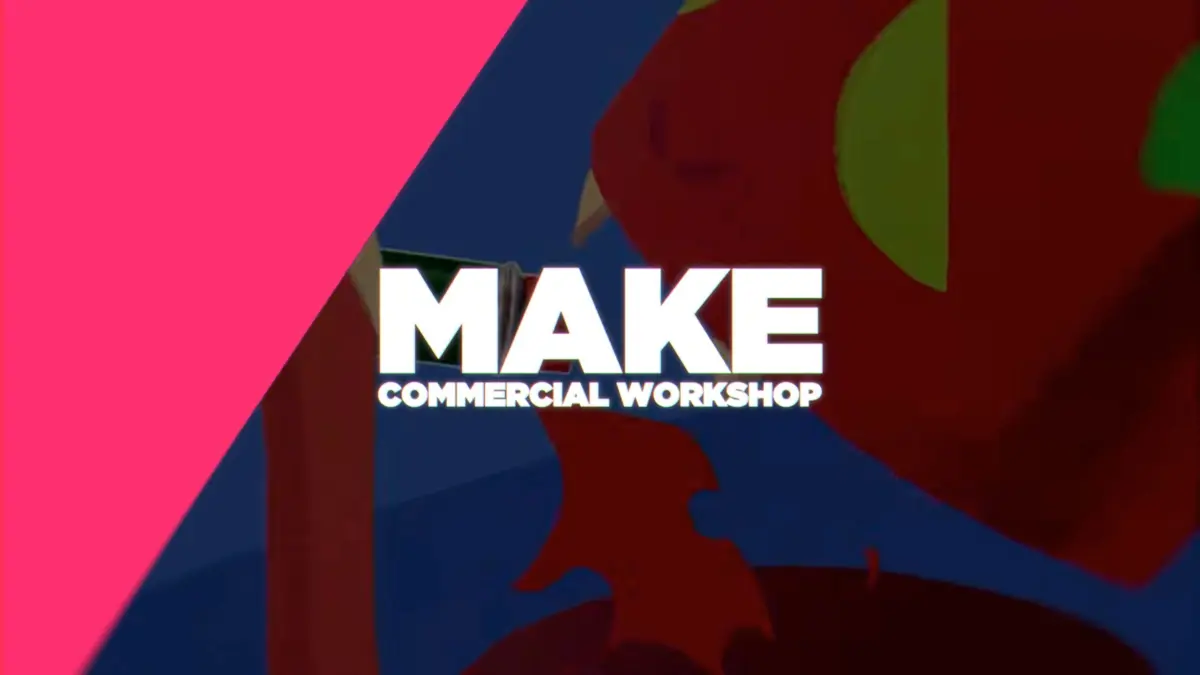
The animation and design studio MAKE has officially opened the application window for its highly anticipated 2026 Commercial Animation Workshop, offering emerging artists a rare and immersive glimpse into the realities of the commercial production industry. Designed specifically as a rigorous two-semester program, the workshop aims to bridge the gap between traditional academic training and the fast-paced, highly collaborative environment of a professional studio.
Announced on Tuesday, September 29, 2026, the workshop is tailored for junior and senior Bachelor of Fine Arts and Bachelor of Arts animation students from programs around the world. The initiative is structured to move participants beyond the creation of isolated portfolio pieces, immersing them instead in the actual mechanics, pressures, and creative problem-solving required to deliver high-end commercial animation under tight deadlines and professional expectations.
Under the guidance of experienced MAKE mentors, selected students will be divided into two dedicated production units. One team will focus entirely on 2D production techniques, while the other will dive deep into the world of 3D animation. Each group will be handed a unique, realistic commercial brief, mirroring the types of briefs issued by global brands and advertising agencies. From that single starting point, the teams must shepherd a 15-second, character-driven spec spot through every single stage of the traditional pipeline. This comprehensive journey takes students from initial concept generation and storyboarding all the way through character animation, refinement, and final delivery.

Rather than operating in a consequence-free academic vacuum, the workshop actively simulates a real-world studio ecosystem. Participants will be assigned specialized roles within their teams, forcing them to learn how to communicate effectively, manage creative differences, and rely on one another’s distinct strengths. They will also be required to navigate the iterative feedback loop that defines client-agency-studio relationships, responding to constructive critiques from their MAKE mentors and adapting their work to meet professional standards. The goal is to teach students how to build something ambitious together as a cohesive creative unit, balancing individual artistic expression with collective project goals.
The success of this hands-on educational model was vividly demonstrated during the previous year’s workshop, where both student teams embraced bold, unconventional creative choices while sticking to rigorous production parameters. Last year, the 2D team made the daring decision to utilize real crayons in every single frame of their animation, fully leaning into the raw textures, organic imperfections, and tactile warmth of the physical medium. Meanwhile, the 3D team traveled in the opposite stylistic direction, crafting a high-energy, bombastic piece heavily inspired by the larger-than-life, hyper-expressive personality of classic Saturday morning children’s commercials.
For the team at MAKE, watching how the students navigated these creative hurdles and bonded as working colleagues was one of the most rewarding aspects of the educational initiative. Danny Robashkin, Creative Director at MAKE, emphasized the profound developmental impact the program has on young artists as they transition from students to working professionals. Reflecting on the value of the workshop, Robashkin noted that it is always deeply rewarding to witness students channel their raw creativity into the demanding commercial medium, collaborate effectively as a unified team, and experience tangible growth as both individual artists and industry colleagues. He added that the program provides an ideal environment for students to truly understand what day-to-day commercial work entails, making it an exceptional fit for many aspiring animators looking to break into the industry.
Participating in the workshop requires a serious time commitment alongside their ongoing university studies, with students expected to dedicate approximately six hours per week to the project. Throughout the two semesters, the teams will hold regular check-ins, highlighted by bi-weekly work-in-progress review sessions with their MAKE mentors to evaluate pacing, troubleshoot technical roadblocks, and refine their artistic output.

Admission to the workshop is competitive, with applications evaluated based on a holistic review of each candidate’s portfolio strength, the overall quality of their application materials, their individual technical skill sets, and how well they might integrate into a collaborative team dynamic.
The application period is currently active and will officially close on October 11, 2026, at 12 a.m. Eastern Time. Following a thorough review process, students selected to participate in the 2026 cohort will be officially notified on October 13, with the program’s official kickoff call scheduled shortly thereafter on October 17.
Eligible students currently enrolled in junior or senior BFA or BA animation programs globally who wish to learn more about the curriculum, review portfolio requirements, or submit their application can visit the official program portal at https://makevisual.com/make-commercial-workshop-info.