Every year, as the autumn season shifts toward November, the retail landscape experiences a predictable wave of cultural capitalization. Día de los Muertos—Day of the Dead—regularly sees a slew of mainstream brands roll out activations and commercial campaigns designed to horn in on the holiday. Too often, these corporate efforts manifest in an opportunistic, tokenistic fashion, reducing deeply spiritual traditions, rich iconography, and generational heritage to superficial motifs plastered across mass-produced merchandise without genuine understanding or respect.
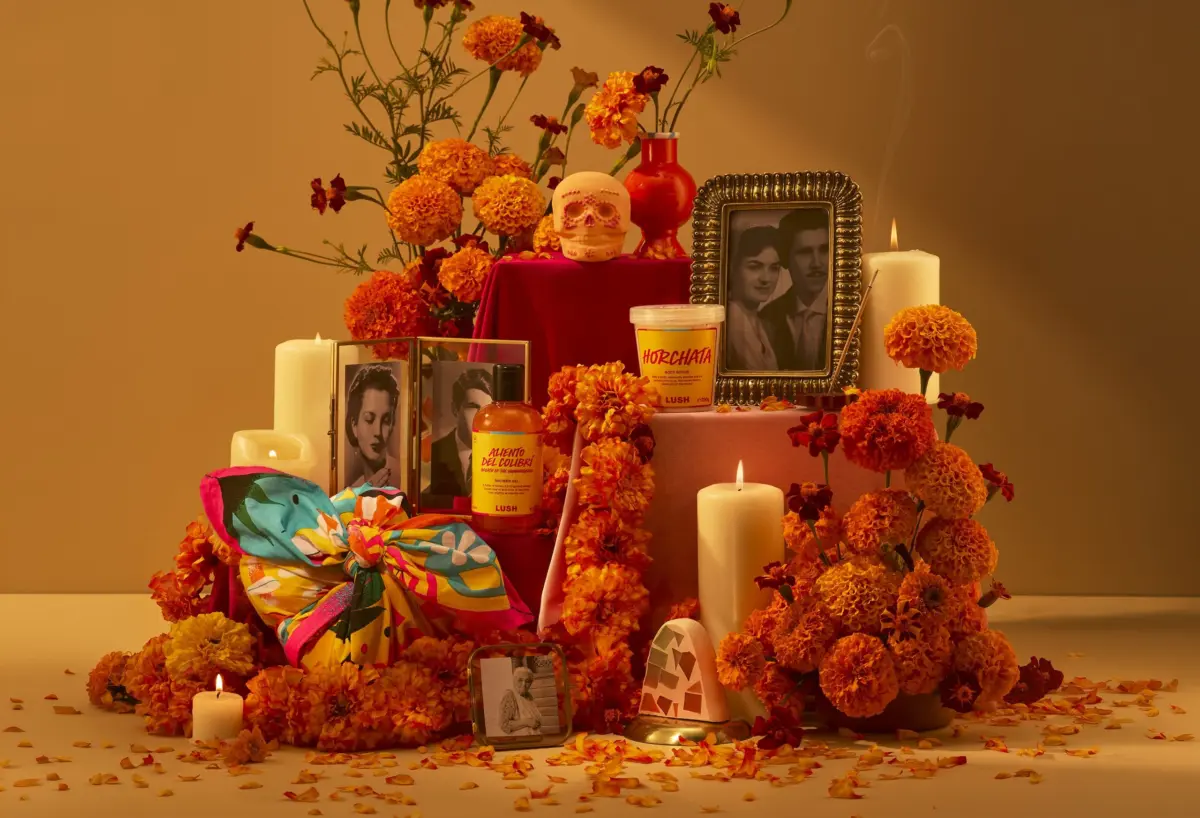
Amidst this crowded and frequently criticized seasonal marketing landscape, cosmetics and body care brand Lush has chosen a distinctly different path. The ethical beauty retailer has just released its seven-piece Día de los Muertos collection, marking a notable departure from standard corporate holiday merchandising. Rather than outsourcing design to external agencies or relying on generalized trend forecasting, Lush took the unusual step of ensuring that each product within the collection was designed by Lush employees who possess direct cultural ties to the holiday.
This approach addresses a central critique often leveled against multinational brands during cultural observances. When companies celebrate traditions to which they have no authentic connection, the results can easily miss the mark, drawing backlash from communities whose heritage is being commercialized. By centering the voices, experiences, and creative direction of internal staff members who celebrate Día de los Muertos in their personal lives, Lush sought to ground its 2026 collection in authentic representation rather than corporate speculation.

The seven-piece collection encompasses a range of items typical of the brand’s bath and body portfolio, carefully infused with traditional imagery, colors, and sensory elements associated with the November celebration. From bath bombs echoing the intricate artistry of traditional calaveritas to complementary formulations designed to evoke the spirit of the season, every piece reflects a nuanced understanding of what the holiday represents to those who observe it. The involvement of employees with direct ties ensured that the visual language and sensory details respected the solemnity and joy inherent in honoring ancestors, welcoming returning souls, and celebrating the continuity of life and memory.
The introduction of the collection highlights a growing expectation among consumers for brands to approach cultural collaborations and holiday campaigns with greater integrity and authenticity. In recent years, public scrutiny of corporate cultural engagement has intensified, with shoppers increasingly willing to call out tokenism and superficial pandering. Companies are under mounting pressure to demonstrate that their seasonal offerings are backed by genuine appreciation and inclusive representation rather than a mere desire to capture a temporary surge in consumer spending.
By empowering internal talent to lead the design process, Lush has outlined an alternative framework for holiday-themed commerce. Instead of treating cultural traditions as mere commodities, this employee-led strategy bridges the gap between corporate product development and authentic cultural expression. As the retail industry continues to navigate the complexities of globalized holidays and diverse consumer bases, initiatives that prioritize lived experience over outsourced imagery may well set a new benchmark for how brands engage with meaningful cultural celebrations around the world.