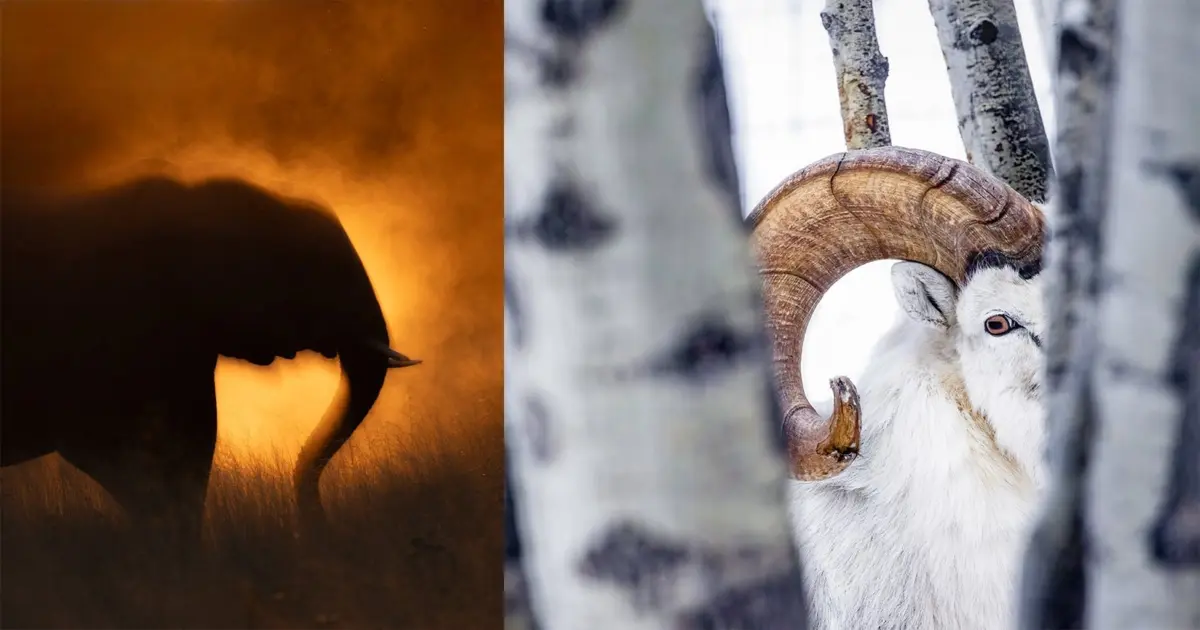
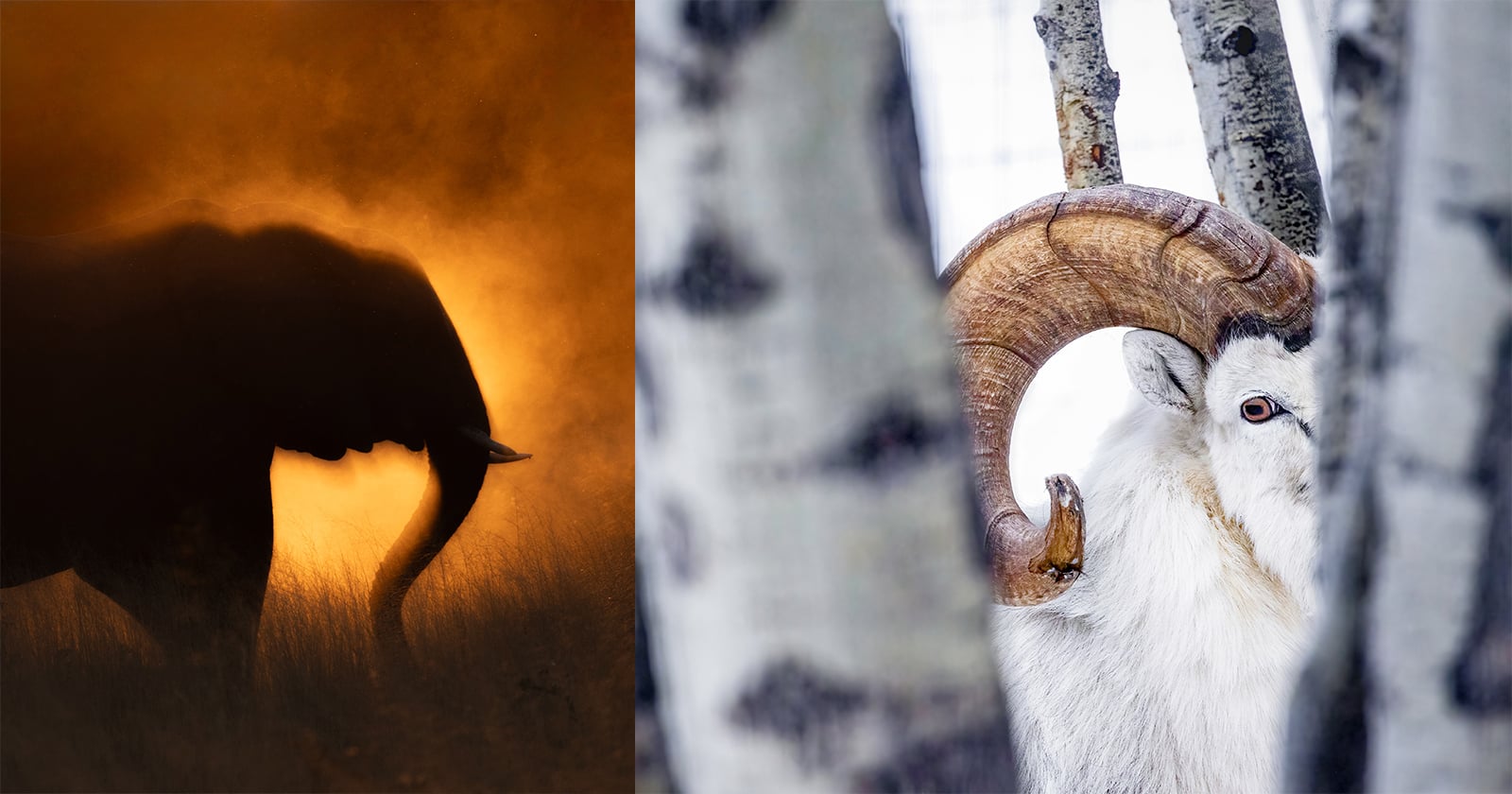
There is a profound paradox at the heart of exceptional photography: what you choose to conceal from your audience is often infinitely more powerful, provocative, and resonant than what you lay bare. In an era dominated by oversharing, relentless documentation, and the immediate gratification of digital feeds, mystery has quietly emerged as the photographer’s ultimate secret weapon. It is perhaps the most undervalued tool in contemporary visual arts. The unseen, the merely suggested, and the ambiguous possess a transformative power, turning a literal, straightforward photograph into an expressive piece of art that haunts the viewer long after they have looked away.
This artistic philosophy is explored in depth by acclaimed photographer Richard Bernabe in his feature essay, "The Magic of Mystery," published in the latest print edition of Photography Destinations Magazine by Muench Workshops. Bernabe’s portfolio, spanning remote corners of the globe from the frost-dusted wilderness of the Yukon to the dense rainforests of Rwanda and the vast expanse of the African savannah, serves as a masterclass in the art of visual restraint.
Human Psychology and the Power of the Incomplete
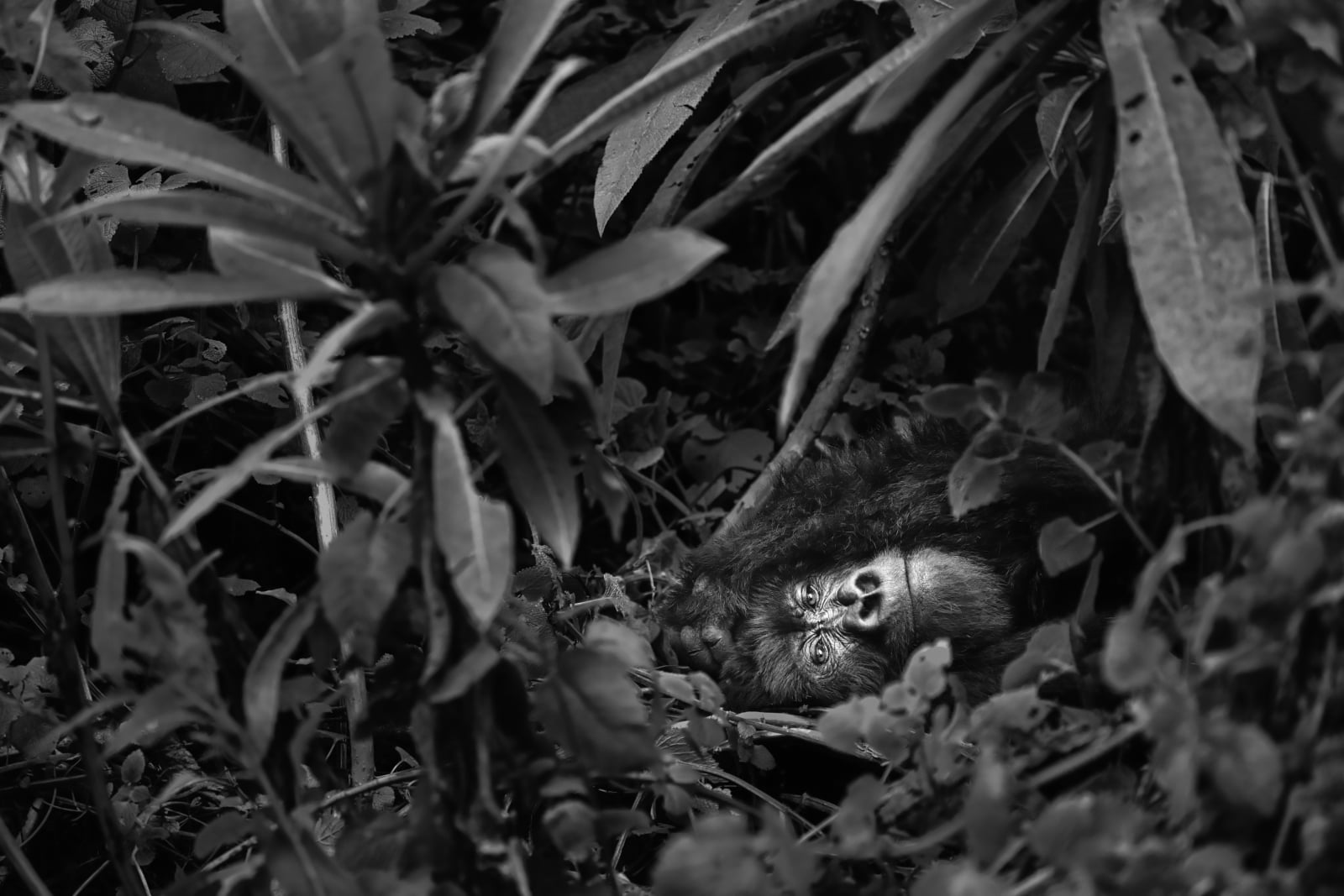
Human beings are psychologically hardwired to complete incomplete patterns in the world around them. When a viewer encounters a photograph infused with mystery—whether it is an animal’s face partially obscured by foliage, a dark threshold opening into unknown shadows, or a solitary trail disappearing silently around a rugged mountain corner—a distinct cognitive reaction occurs. People tend to lean in closer. They linger. They explore every corner of the frame and actively construct their own visual narratives to fill in the missing pieces.
This cognitive tension is precisely what gives mysterious imagery its enduring impact. An image that explains everything instantly satisfies our initial curiosity, but it offers immediate intellectual closure. Once understood completely, it is frequently forgotten just as quickly. Mystery, conversely, invites persistent questions that stir deep-seated curiosity and sustained emotional engagement.

Photography did not invent the use of mystery as an artistic device; rather, it inherited centuries of accumulated wisdom from other creative disciplines. Literature has long recognized that the most compelling stories intentionally leave critical elements unsaid. Ernest Hemingway’s famed "iceberg theory" posited that the deeper, truer meaning of a narrative should always remain hidden just beneath the surface of the text. Similarly, the enigmatic smile of Leonardo da Vinci’s Mona Lisa has captivated observers for five centuries specifically because it resists definitive interpretation. Is she happy, amused, or harboring a profound secret? The answer shifts endlessly depending on the viewer’s own emotional state. Even in cinema, cinematic masterpieces like Steven Spielberg’s Jaws derive a massive portion of their terror from the fact that the titular shark is rarely seen on screen, leaving the audience’s imagination to supply the horror.
Music similarly relies on space, silence, and unresolved chords to create emotional resonance that full, predictable resolution can never achieve. Poetic lyrics frequently embrace ambiguity, inviting listeners to find personal meaning within metaphors that defy literal translation.
Less Can Be More
Hiding or withholding specific portions of a subject within a photographic frame taps directly into a primal human impulse: the innate need to find resolution by completing what is missing. This creates a productive tension that keeps the viewer engaged long after a fully revealed subject would have lost its novelty. What is deliberately withheld gains immense emotional power because the human mind invariably assigns far more weight to the unknown than to the known.
A male lion partially concealed by tall, dry savannah grass in Kenya’s Maasai Mara feels fundamentally more chilling and majestic than one standing entirely exposed in the open. The hidden elements become charged with endless possibility and psychological intrigue, establishing a visual space where the viewer’s own imagination, latent fears, and expectations can project themselves.
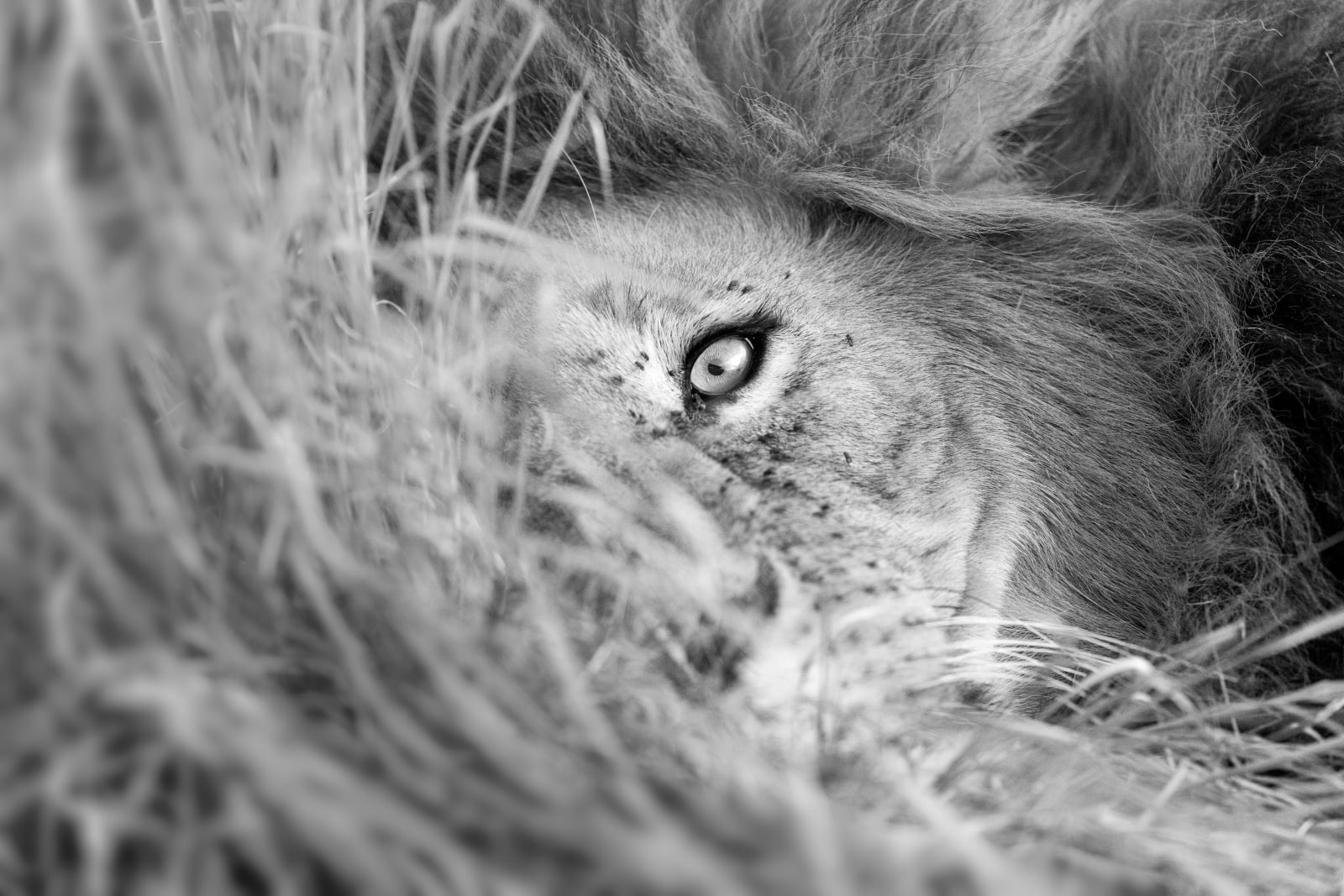
This philosophy is further demonstrated through suggestion. True suggestion is not about being vague or incomplete for the sake of abstraction; it is the recognition that human emotion is activated far more powerfully through implication than through explicit display. When a photograph merely suggests a presence, the viewer draws upon their own internal reservoir of experiences to complete the picture.
Consider an image depicting fresh brown bear tracks pressed into the rippled sand of a remote Alaskan riverbank. The photograph strongly suggests the physical presence of a massive predator without ever needing to reveal the animal itself. This subtle suggestion instantly opens up vast avenues of inquiry, tension, and apprehension. While a conventional portrait of the bear might cleanly resolve those questions, the phantom bear that lives vividly within the viewer’s imagination allows the mystery to endure indefinitely.

Ambiguity and Collaborative Interpretation
Ambiguity stands as mystery’s closest cousin, yet it operates through a slightly different mechanism. While mystery primarily withholds information, ambiguity presents information that can be validly interpreted in multiple, conflicting ways simultaneously.
A photograph capturing a leopard intently staring just beyond the edge of the frame can evoke a multitude of contrasting interpretations. Is the animal’s expression one of supreme confidence and superiority, or is it masking fear and aggression? Is there unsuspecting prey just over the horizon, or does the gaze signal the approaching threat of a territorial rival?
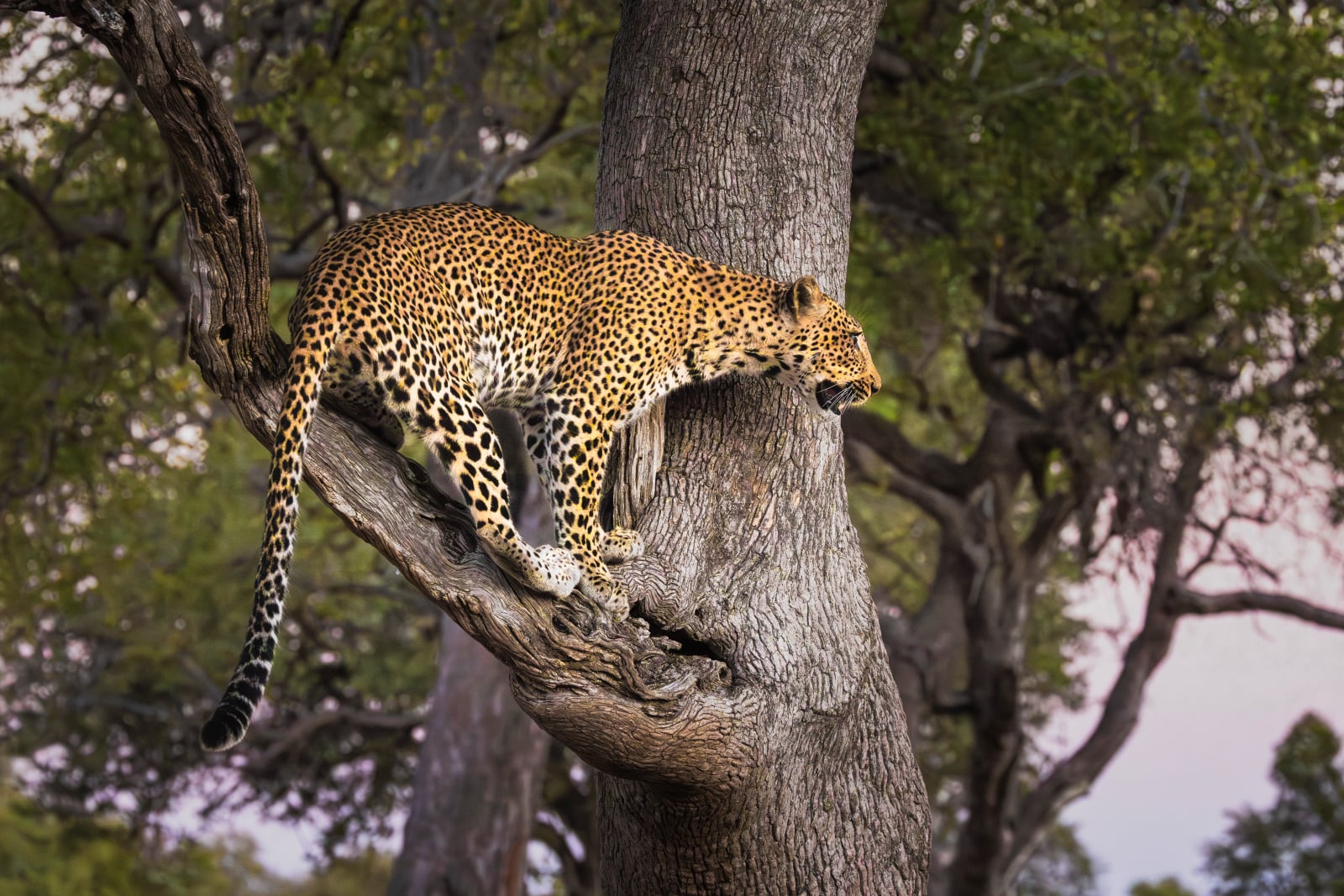
In these moments, the viewer is no longer a passive observer; they are transformed into an active co-creator of the image. By bringing their personal experiences, anxieties, and desires into the process of interpretation, the viewer forms a deep collaborative bond with the photographer. This collaboration is the foundational engine behind the lasting power of ambiguous imagery.
Conceptual Tools for Crafting Mystery
Creating genuine mystery within a photograph requires the intentional application of conceptual and technical tools that many photographers already have at their disposal. Mastery over shadow is paramount, as mystery fundamentally resides in darkness rather than harsh, unyielding light. Negative space can carry just as much emotional and visual weight as the primary subject itself, while a shallow depth of field can reduce a background into an impressionistic blur, suggesting context without explicitly defining every detail.
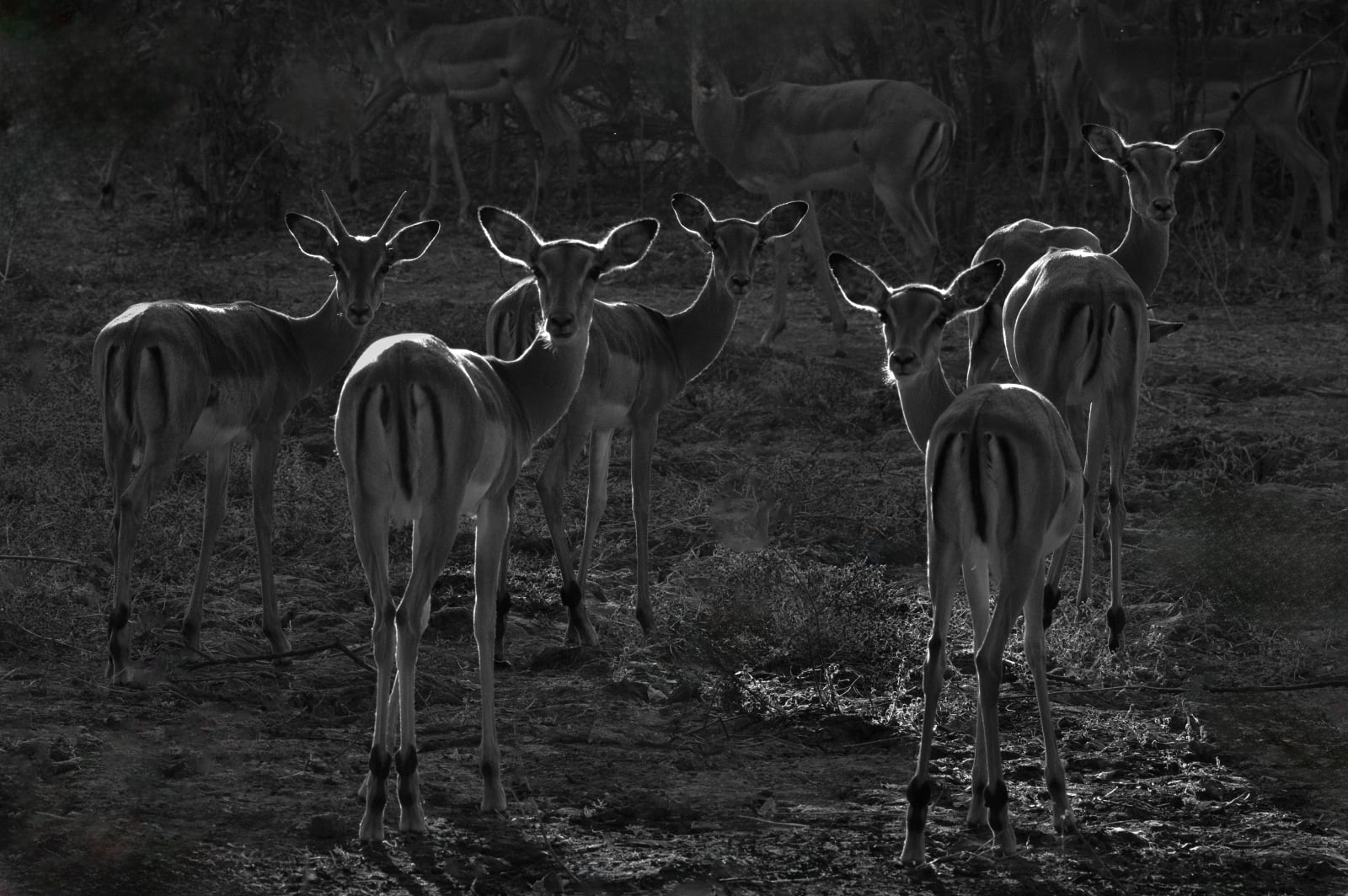
Long exposure techniques can transform moving figures and natural elements into ghostly apparitions, bridging the gap between the physical world and the imagination. Partial framing—showing only a fraction of a subject—leaves the broader context to exist just beyond the borders of the image, while backlighting reduces subjects to evocative silhouettes that preserve fundamental shapes while obscuring fine details. Environmental elements such as dense fog, heavy rain, and complex reflections further serve to veil reality, layering meaning into a frame that rewards sustained, careful attention.
Henri Cartier-Bresson’s famous concept of "the decisive moment" frequently endures precisely because it provokes more questions than it answers. The most compelling photographs capture the micro-second between distinct actions—a pause pregnant with unknown possibilities.

Mystery Versus Confusion
It is vital to draw a clear distinction between genuine mystery and mere confusion. Confusion actively repels the viewer, whereas mystery invites exploration. Mystery possesses an inherent order, while confusion leans toward visual chaos.
Confusion erects barriers to understanding, whereas mystery leaves deliberate breadcrumbs for viewers to follow guided by their own curiosity. The difference lies entirely in intentionality and execution. A truly mysterious photograph provides just enough visual information to spark profound intrigue while withholding enough to engage the human imagination, guiding the eye without dictating a singular, rigid interpretation.
Mystery as Artistic Defiance
In contemporary photography, the necessity of cultivating mystery has taken on an entirely new dimension with the rapid rise of artificial intelligence in image creation. AI tools excel at generating technically flawless images that are fully resolved, highly literal, and instantly optimized for immediate visual consumption.
Yet, machine-generated imagery inherently lacks the nuanced human intentionality and consciousness required to craft genuine mystery. Mystery serves as a signature of human agency—the physical and mental evidence that deliberate choices were made regarding what to reveal and what to conceal, what to articulate and what to leave entirely unsaid.
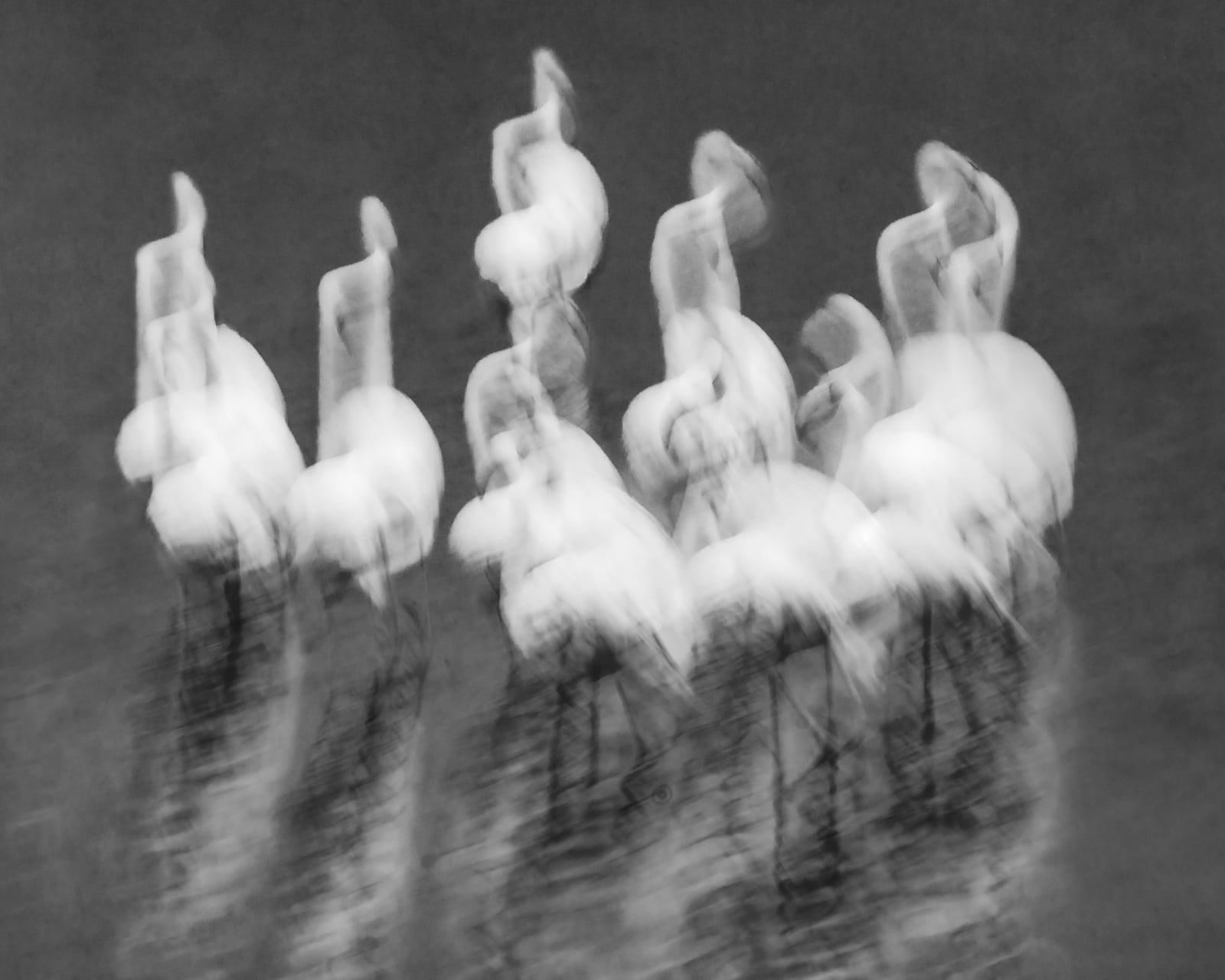
Embracing mystery ultimately requires acknowledging the inherent limitations of what visual art can explain. The natural world, human experience, and existence itself are filled with unanswerable questions. Meaningful photography honors this fundamental truth rather than attempting to neatly package and explain the universe. While mystery does not guarantee a successful image, it remains one of the most potent instruments available to artists, ensuring that the photographs which matter most continue to resonate long after the shutter has clicked.