Escaping the sometimes heavy-handed grandeur that often characterizes Italy’s most famous floating city, the newly opened Elizabeth Unique Venice introduces a refreshing, unpretentious, and contemporary flair right along the banks of the Cannaregio Canal. Set within the historic framework of a 17th-century palazzo, this newly debuted property stands out as the very first Venetian member of the prestigious Design Hotels portfolio. Rather than leaning into the predictable opulence typically found in tourist-heavy epicenters, the hotel embraces a vibrant, informal atmosphere that mirrors the authentic neighborhood surrounding it.
The Cannaregio district itself preserves daily routines and a distinct local character deeply shaped by its permanent residents. It is a place defined by long-established wine bars, rustic neighborhood trattorias, and the historic proximity of the Venetian Ghetto. This localized character and sense of lived-in authenticity do not stop at the neighborhood’s boundaries; instead, they seamlessly find their way into the interior architecture and overall atmosphere of the hotel, creating a dialogue between the historic fabric of Venice and modern hospitality design.
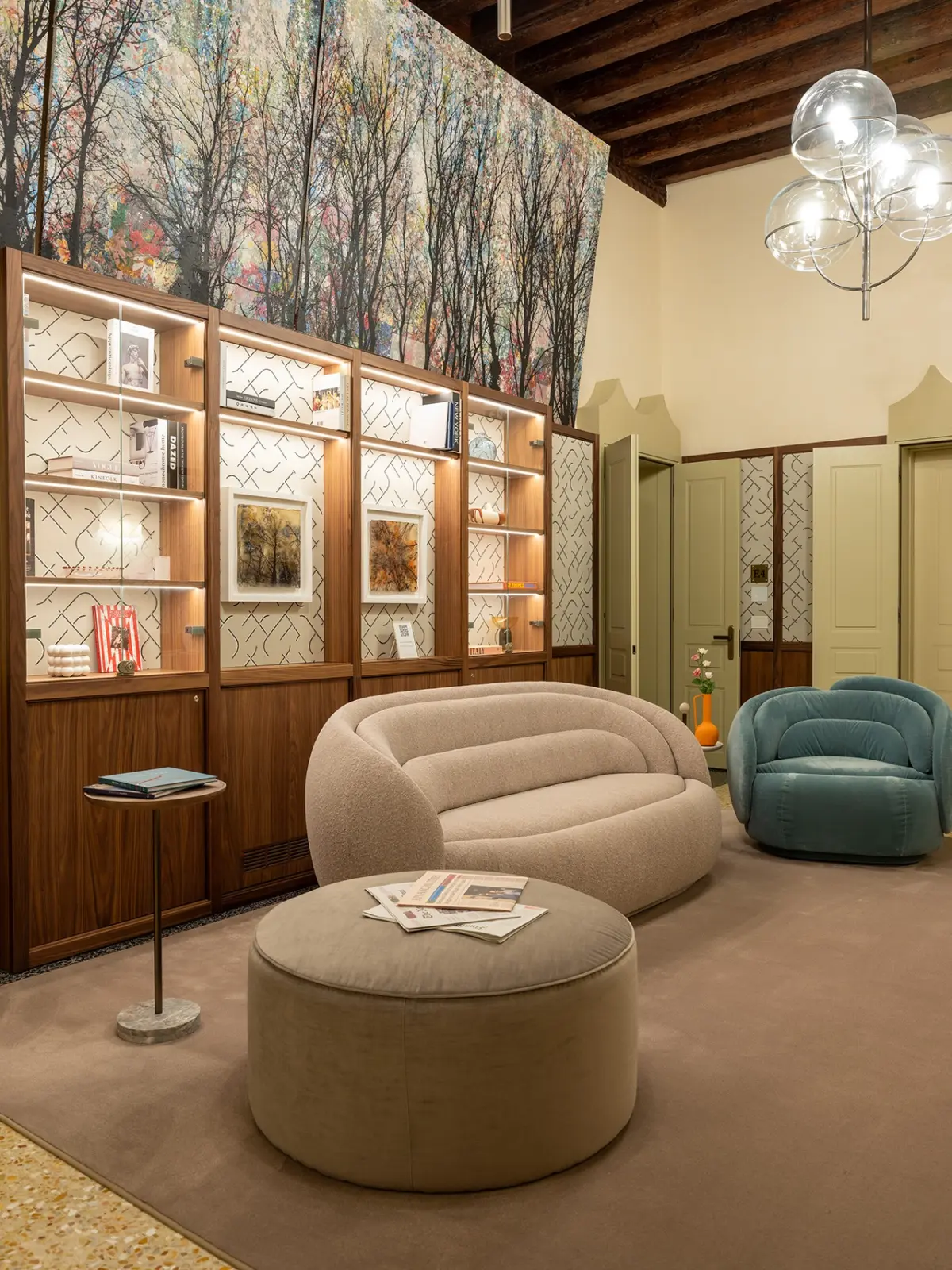
To orchestrate this delicate balance between past and present, the property enlisted renowned Milan-based architect Cristina Celestino. Tasked with transforming the 17th-century palazzo, Celestino chose to honor the building’s existing structural and decorative elements, carefully preserving and restoring features such as ornate decorative ceilings and heavy timber beams. Rather than attempting to artificially recreate or mimic the palazzo’s distant past, however, Celestino utilizes these preserved historical artifacts as a grounding, textured backdrop for an injection of contemporary color, experimental materials, and modern furnishings. The result is a space that respects its heritage while firmly establishing itself in the twenty-first century.

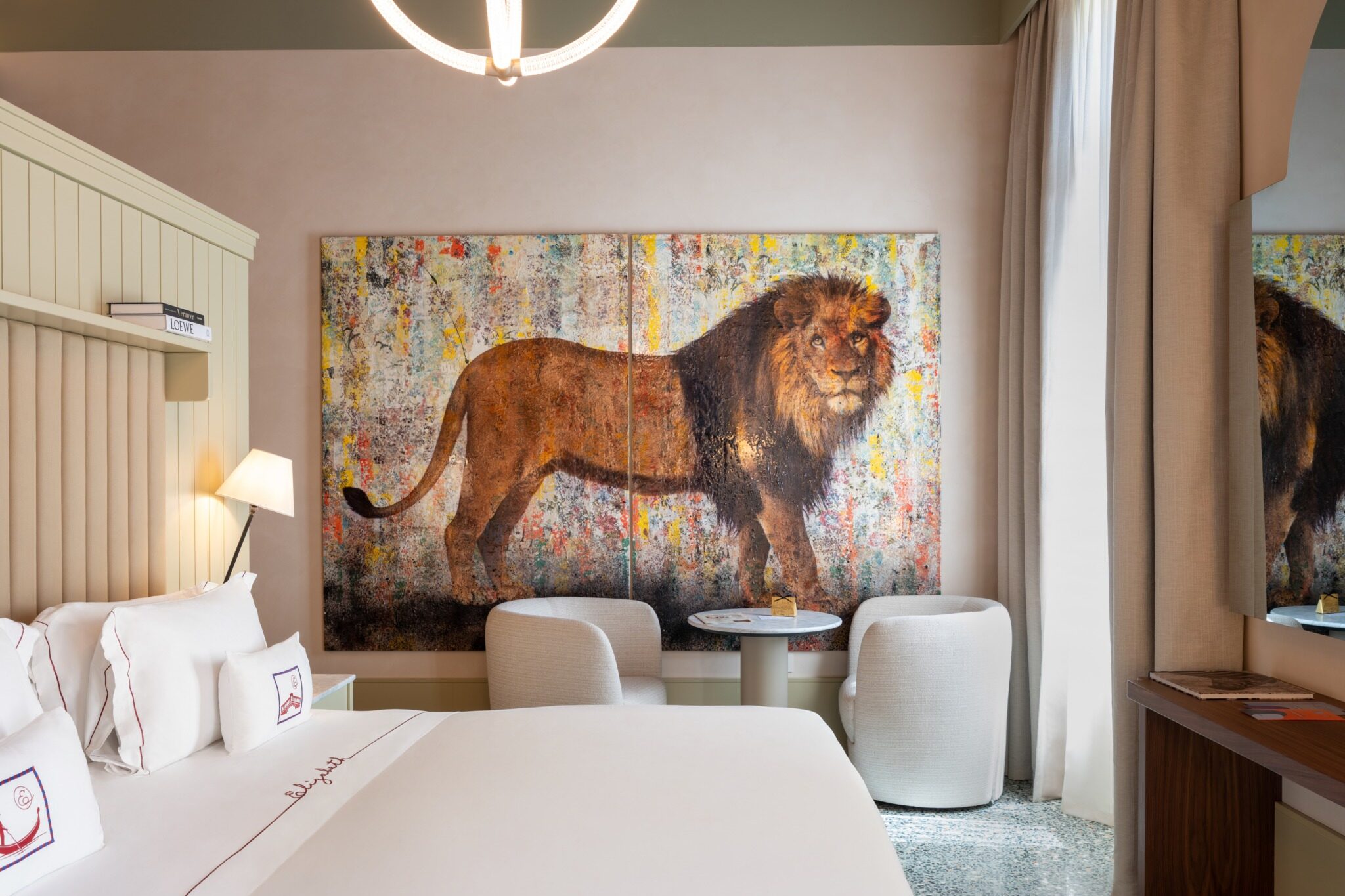
Across the property’s 14 thoughtfully appointed rooms and suites—which range from cozy Initiale rooms to expansive Spa Suites—traditional Venetian craftsmanship meets modern interior sensibilities. One of the standout features of this material palette is Venetian terrazzo, which makes an appearance in three distinct and carefully curated colorways: a serene lagoon green, a rich crimson, and soft, understated sandy tones. These signature hues flow continuously through marmorino walls, warm walnut boiserie, and the striking Policroma wallcoverings produced by CEDIT. Elsewhere within the guest quarters, colorful and bold full-wall wainscoting layers seamlessly with plush, padded headboards, creating rooms that feel both deeply tactile and visually engaging.
Subtle tactility reveals itself in meticulous detailing throughout the accommodations. Carrara and Fior di Pesco marble accents catch the light, while luxurious textiles sourced from renowned houses like Rubelli and Dedar add a layer of soft opulence. Custom-designed rugs by Celestino anchor the spaces, surrounded by bespoke furnishings that include sculptural mirrors and custom-crafted bedside tables. These custom pieces mingle effortlessly with high-end statement furniture, such as Pianca’s Calatea armchair and low glass tables sourced from Pulpo.

Lighting throughout the hotel has been curated with equal care, highlighting the textures and colors of the rooms. Notable lighting design elements include Moooi chandeliers, elegant Fontana Arte floor lamps, and Oluce suspension fixtures. In the wet rooms, a pared-back and sophisticated aesthetic is achieved through Kaldewei bathtubs and sleek Zucchetti fittings, completing spaces designed for relaxation and rejuvenation.
Rather than competing with the rich textures, colorful walls, and expressive furnishings, neutral stretches of wall throughout the property give the hotel’s collection of contemporary artworks ample room to command attention. To curate this impressive display, the hotel partnered with the historic Galleria Russo, ensuring a thoughtful selection of contemporary Italian art is integrated smoothly into the guest experience and public areas.

This ongoing interplay between old and new continues into the hotel’s public spaces, where the ground-floor reception areas pair warm wooden paneling with classic Venetian terrazzo flooring. The check-in desk itself is accented with contemporary metallic slats, signaling to arriving guests that they are entering a space where history and modernity coexist. Beyond these interior zones lies an oasis-like private garden, featuring a peaceful restaurant patio and a manicured lawn specifically designed for relaxed afternoon aperitivos, offering a rare green sanctuary within the dense urban fabric of Venice.
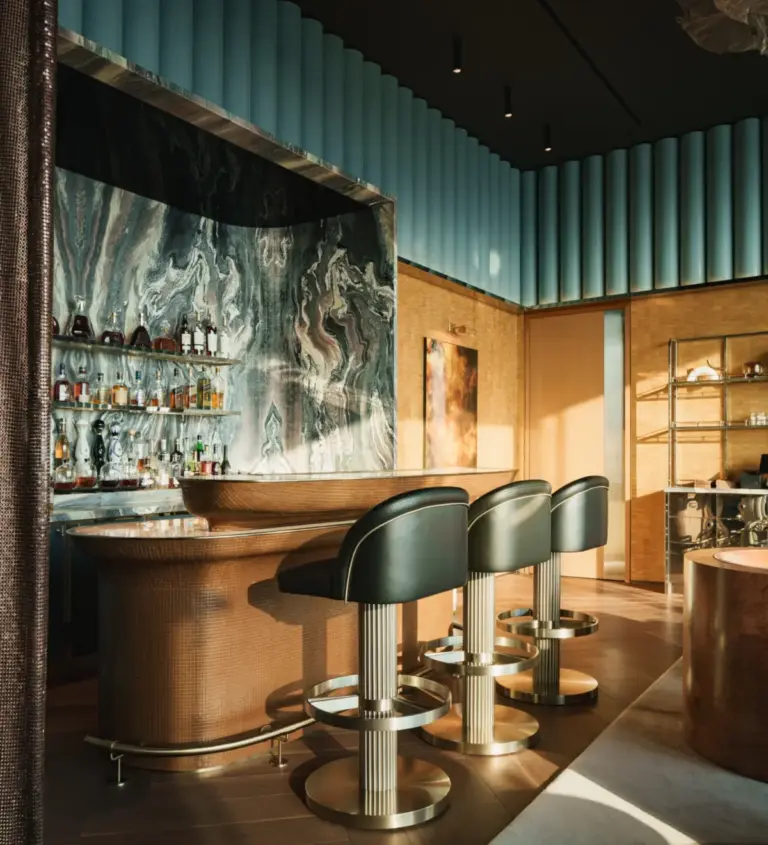
The culinary programming follows the same philosophy of warmth, heritage, and relaxed sophistication. At the heart of this dining experience is the da GrandMa Restaurant, a venue named lovingly in honor of owner Vittorio Curatella’s grandmother, Elisabetta, who also served as the primary inspiration for the hotel’s name. Within the restaurant space, traditional low ceilings are enriched with antique glass and soft blue and yellow tones that draw their palette directly from the surrounding Venetian lagoon.

Overseen by Chef Riccardo Pepe, the culinary offerings focus squarely on classic Italian cuisine, regional specialties, and cherished recipes passed down through generations. Reinforcing the hotel’s commitment to unhurried, relaxed rhythms, breakfast is made available all day long, encouraging guests to enjoy slow, uninterrupted mornings without the rush typical of modern travel.
This thoughtful approach defines the entire ethos of Elizabeth Unique Venice. It is a hotel distinctly less interested in recreating Venice’s familiar, over-the-top grandeur and far more invested in responding to the quieter, more genuine rhythms of the Cannaregio district. Through Cristina Celestino’s contemporary design interventions and the palazzo’s carefully preserved historical traces, Elizabeth Unique Venice finds its distinct character somewhere between the historical city it has inherited and the vibrant, everyday Venice still being lived out just beyond its doors.

Adrian Madlener is a Brussels-born, New York-based writer specializing in collectible and sustainable design. With a focus on craft-led experimentation, he covers designers and makers who are pushing the boundaries of their disciplines.