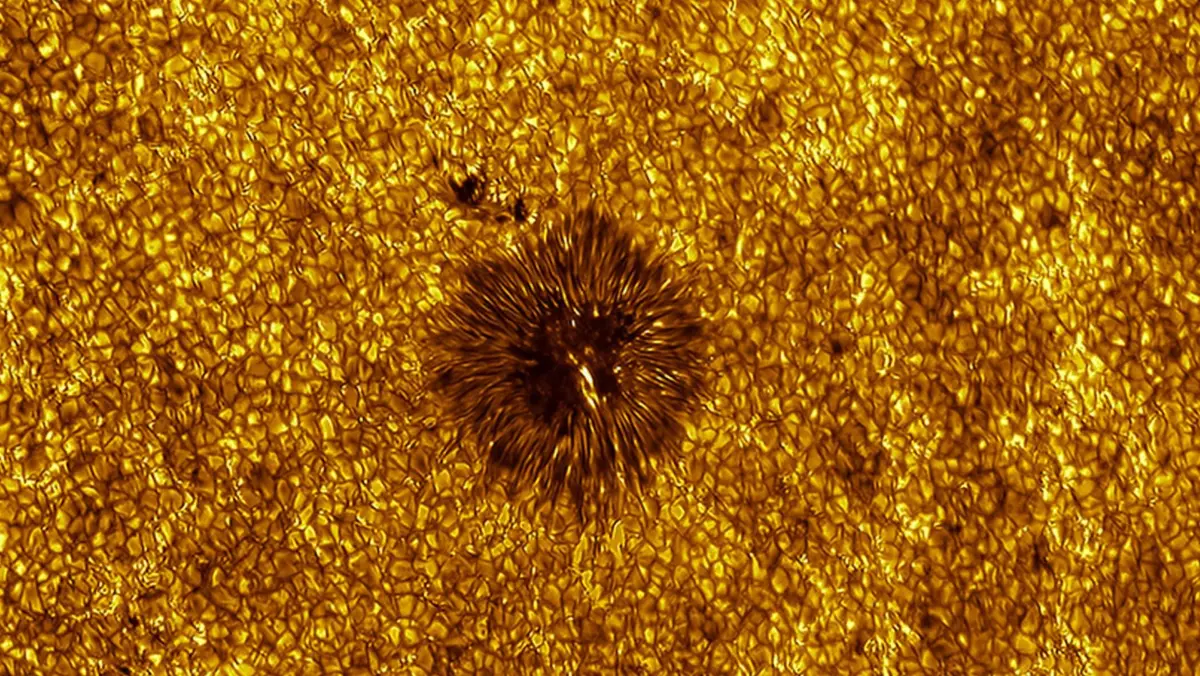
After previously facing disappointment in his ongoing quest to capture the ultimate solar image, a Portuguese astrophotographer has finally succeeded, producing a highly detailed and mesmerizing close-up of the Sun’s surface that has earned him a prestigious international photography award.
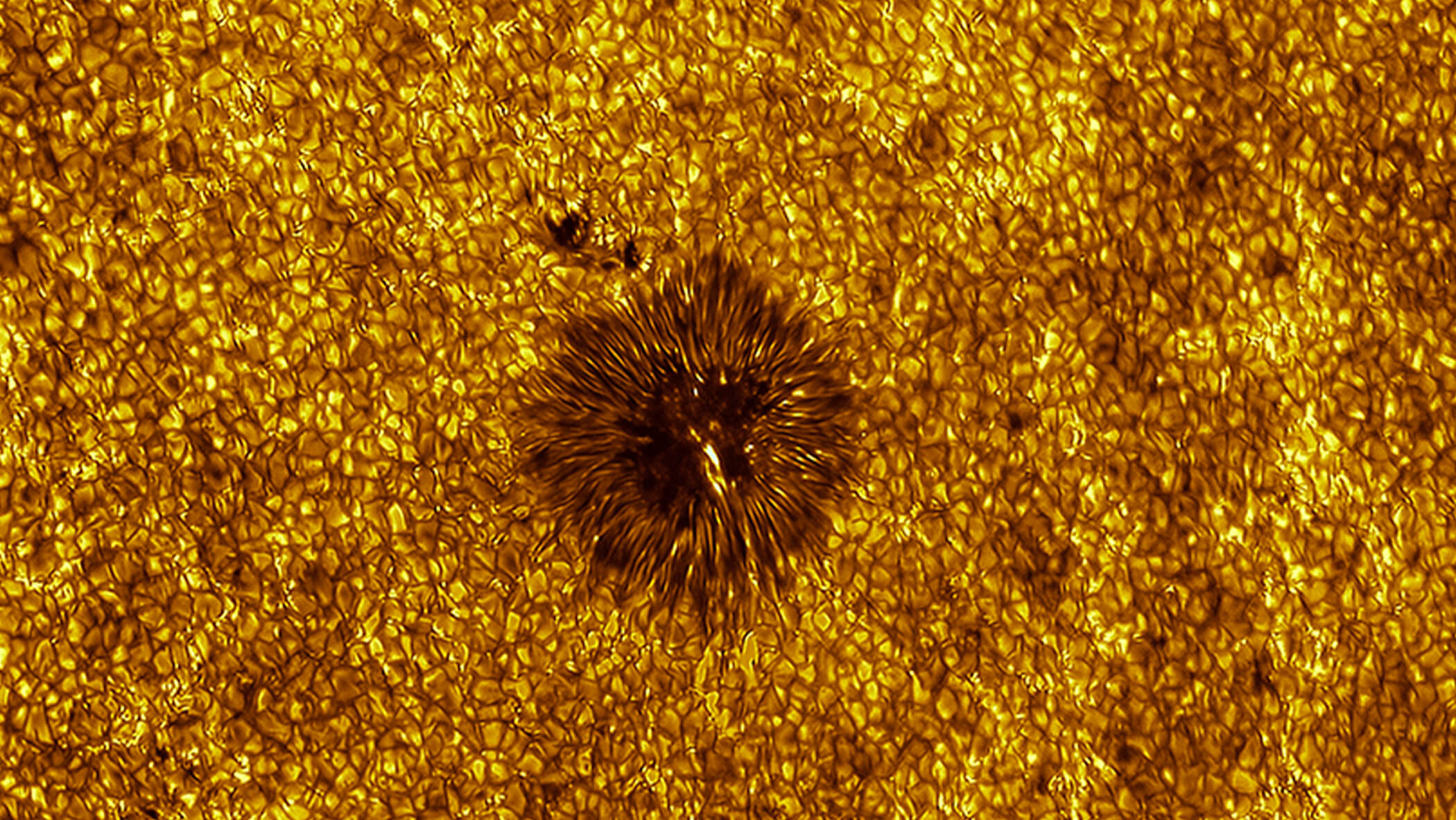
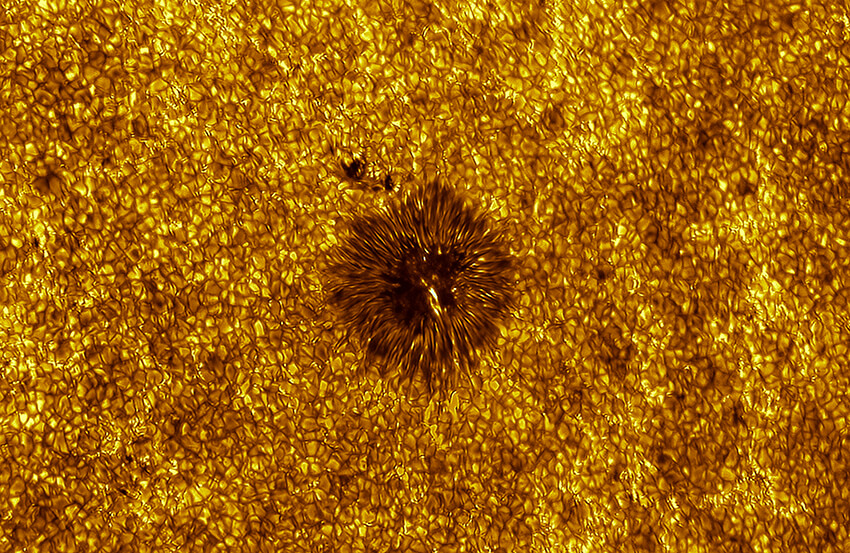
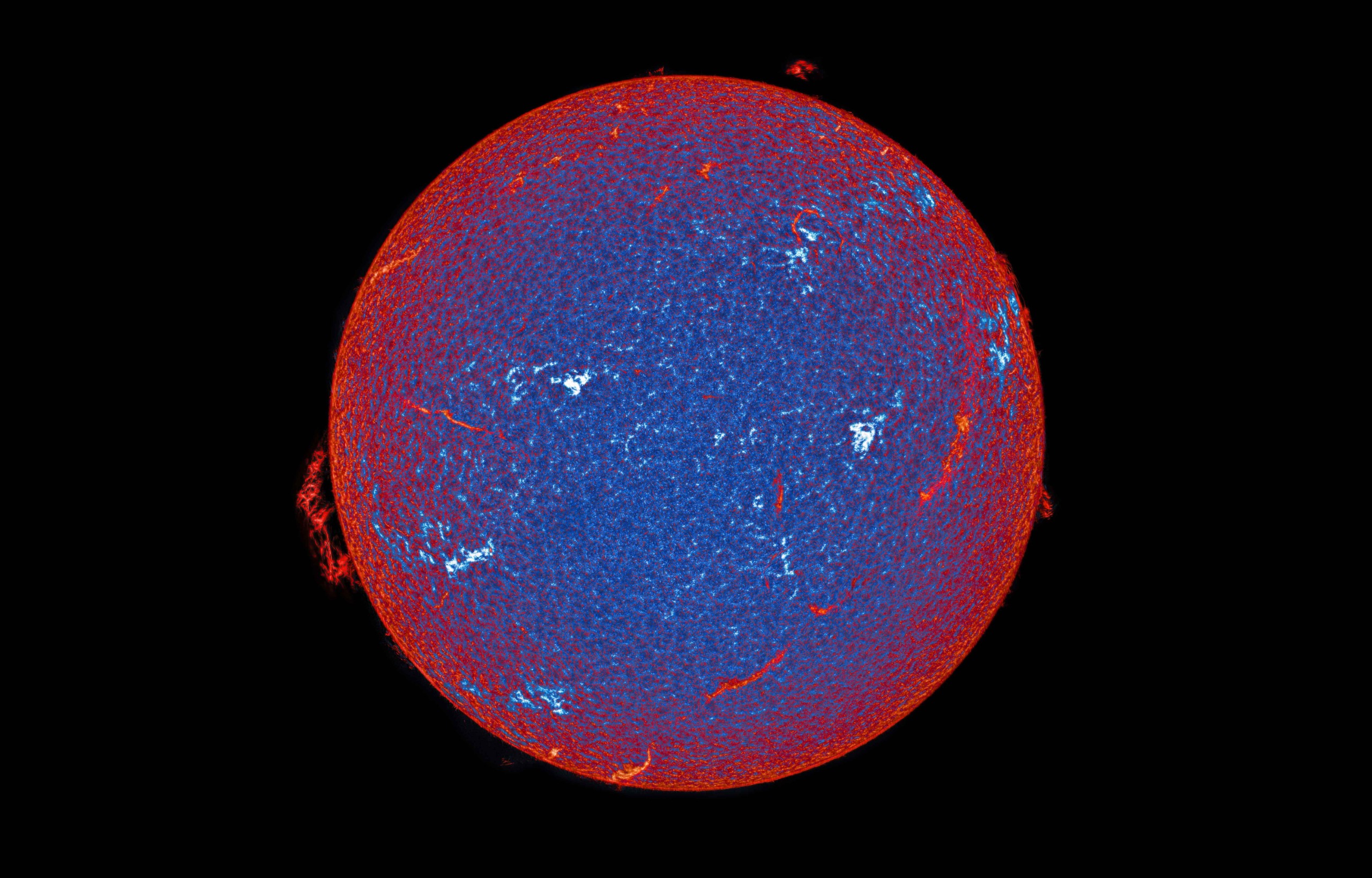
Miguel Claro was recently announced as the winner of the "Our Sun" category in the ZWO Astronomy Photographer of the Year 2026 competition. His winning frame offers a stunning look at an intricate, abstract pattern created by writhing plasma within the Sun’s photosphere, which is the outermost layer of our star’s visible surface.
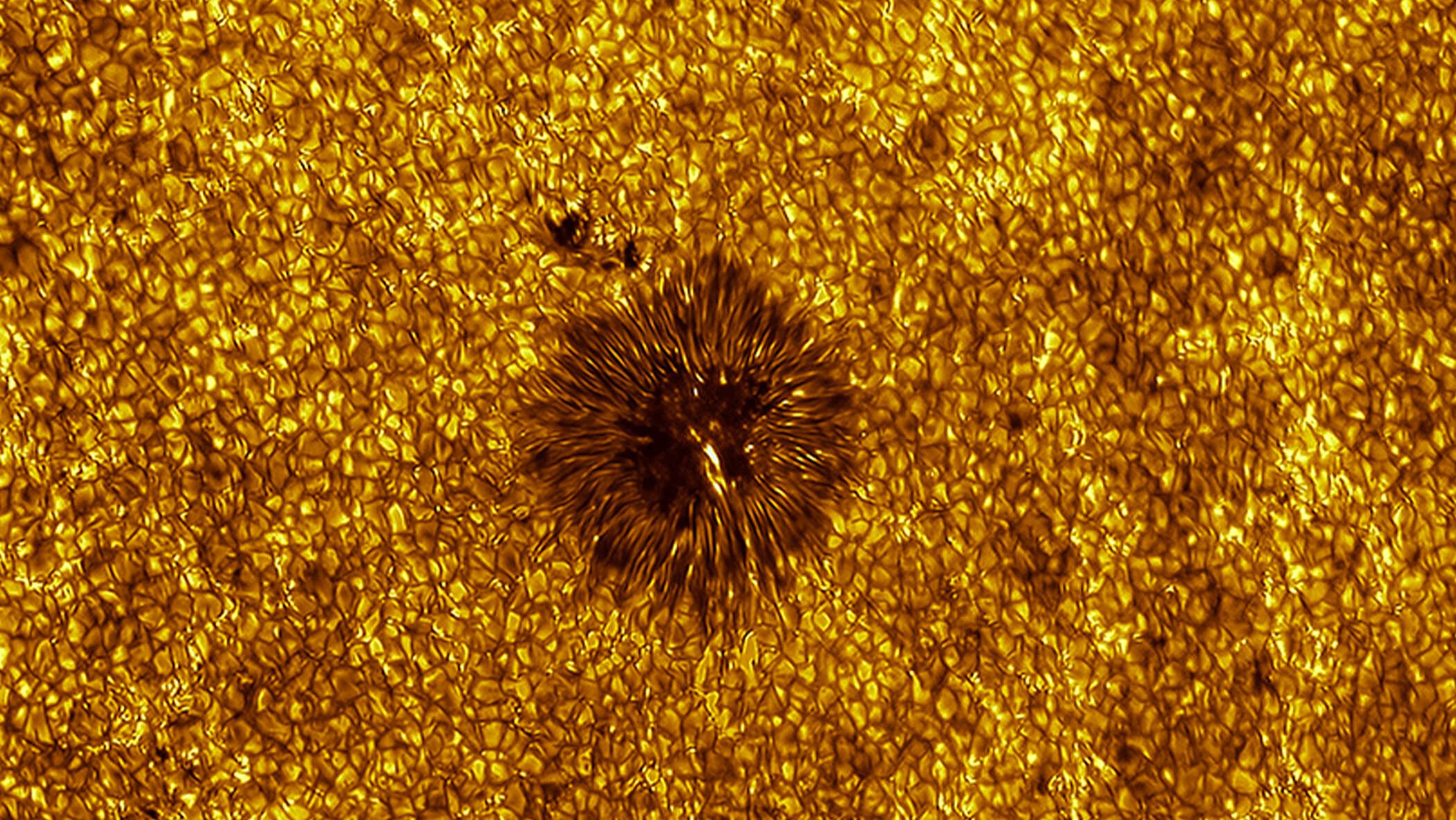
"After several attempts, a perfect opportunity eventually arose. The excitement that morning was palpable," Claro told the competition organizers, reflecting on the persistence required to secure the winning shot.
Claro had ample reason for his excitement. Not only was the seasoned astrophotographer and science communicator equipped with a newly acquired, high-powered dual-band telescope, but he also described the atmospheric conditions that particular morning as flawless. The rare stability allowed him to clearly capture convection cells—vast, churning areas of rising and falling plasma on the Sun’s surface—along with the delicate filigree and bright spots found weaving between them.
To achieve the remarkable level of detail seen in the final photograph, Claro recorded several short videos at a remarkably high frame rate. This technique allowed him to effectively freeze what he described as "fleeting moments" of atmospheric stability, bypassing the distortion normally caused by Earth’s shifting atmosphere.
"Watching the first results of the pre-processed image appear on screen was a pure thrill," he recalled.
The achievement placed Claro at the top of a fiercely competitive field, narrowly edging out retired airline pilot and multi-award-winning Australian astrophotographer Peter Ward, who secured the runner-up position.
Ward’s compelling runner-up scene was captured using a spectroheliograph, a specialized scientific device designed to isolate and capture very specific wavelengths of light. Through this equipment, Ward was able to vividly depict delicate calcium filaments and towering plumes of gas being violently expelled from the Sun’s outer layers, rendered clearly in the ultraviolet spectrum.
The competition also recognized other notable achievements in solar and celestial photography. British astrophotographer James McBeath received a special commendation for his striking frame of the 2025 partial solar eclipse. McBeath shared with event organizers that he spent several hours tracking the progress of the eclipse from a local park with his camera rig, pausing frequently to chat with curious passersby who stopped to see what he was capturing through his solar filters.
The ZWO Astronomy Photographer of the Year competition stands as the largest astrophotography contest in the world. It is hosted annually by the Royal Observatory Greenwich in London, drawing entries from professional and amateur astronomers across the globe.
The top honor for the 2026 overall competition was awarded to Ali Alobaidly of Kuwait for his breathtaking depiction of the rarely photographed Shark Nebula. Alobaidly’s winning image, which required over 28 hours of total exposure time to capture, portrays the massive cosmic dust cloud resembling an oceanic predator prowling through the skies above the Kuwaiti desert. That grand prize victory earned Alobaidly a £10,000 prize, equivalent to approximately $13,000 or $19,000 Australian dollars, alongside worldwide acclaim.
Meanwhile, individual category winners, including Miguel Claro, were awarded £1,500, roughly amounting to $2,000 or $2,800 Australian dollars. Reflecting on the intense labor, technical precision, and patience required to produce his winning solar portrait, Claro noted that seeing the extraordinary level of detail emerge in his final image made every bit of effort entirely worthwhile.