In an era defined by urban density and heavily air-conditioned interiors, architecture often acts as a fortress separating human habitation from the natural world. However, a growing movement in sustainable design seeks to reverse this paradigm, championing spaces that harmonize entirely with their surrounding ecosystems. At the forefront of this philosophy is Pablo Luna Studio, an innovative design firm based in Ubud, Bali, Indonesia, that conceives of hospitality spaces, wellness retreats, and private homes designed to sympathize with, rather than conquer, their natural surroundings.
Inspired by the intricate shapes, patterns, and dynamic movements found in nature, the firm is dedicated to building directly with the environment. Rather than creating a rigid barrier between the outside and the inside, Pablo Luna Studio crafts airy, organic structures that actively welcome foliage, breezes, and the sweeping natural landscape into the overarching human experience. The result is a seamless blurring of boundaries where the built environment feels less like an imposition on the land and more like a natural extension of it.
Central to the studio’s design ethos is a commitment to sustainable materials and a deeply climate-responsive approach to modern construction. Operating out of the lush cultural heart of Bali, the architects and designers view local climate conditions not as obstacles to be overcome with mechanical force, but as fundamental design opportunities.
"Imagine a home that stays cool in summer without constant air conditioning, or warm in winter with minimal heating, simply by virtue of its design," the studio explains regarding its core philosophy. "This isn’t magic; it’s the intelligent application of climate-responsive architecture. It’s about leveraging natural forces like sun, wind, and rain, transforming them from challenges into design opportunities."
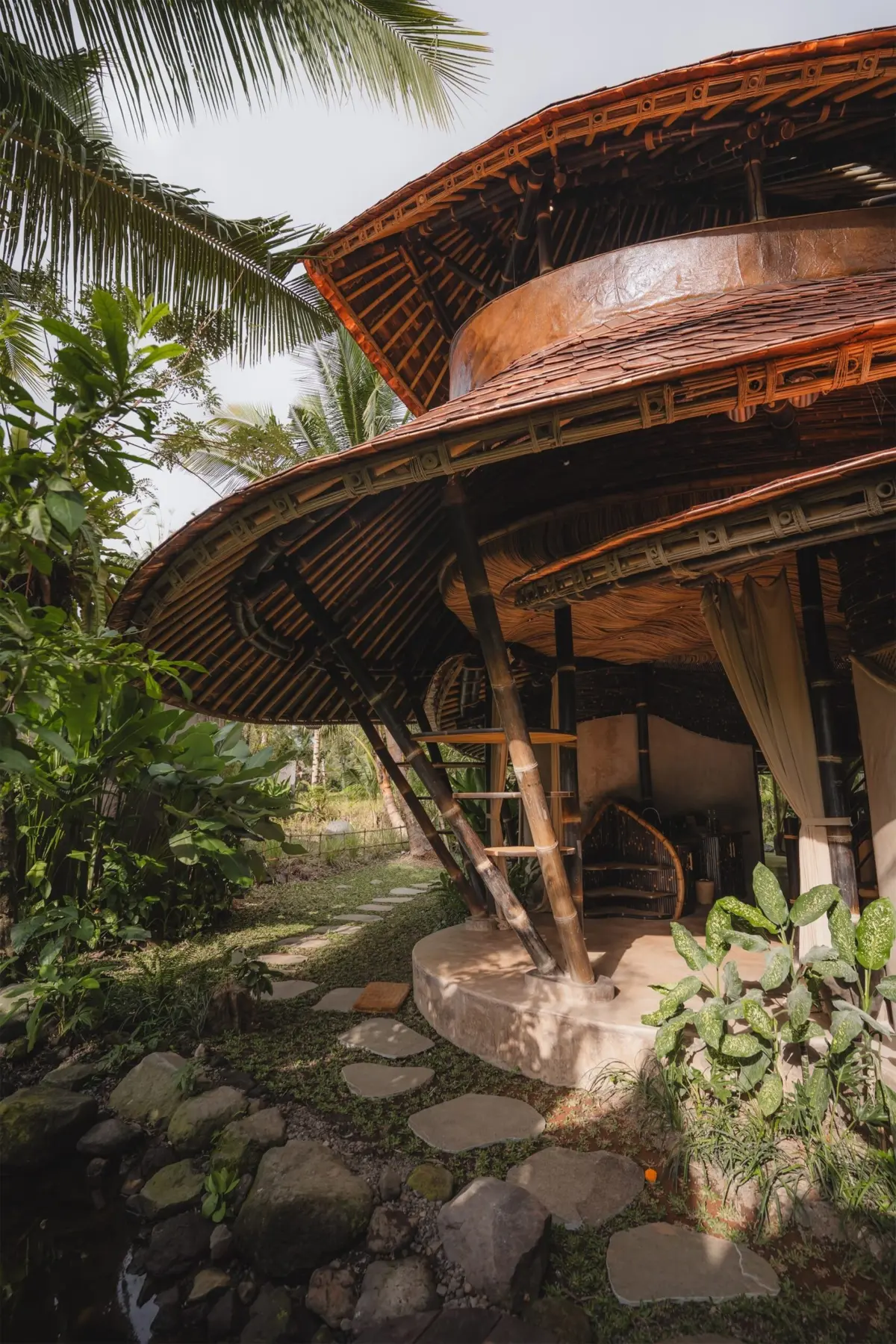
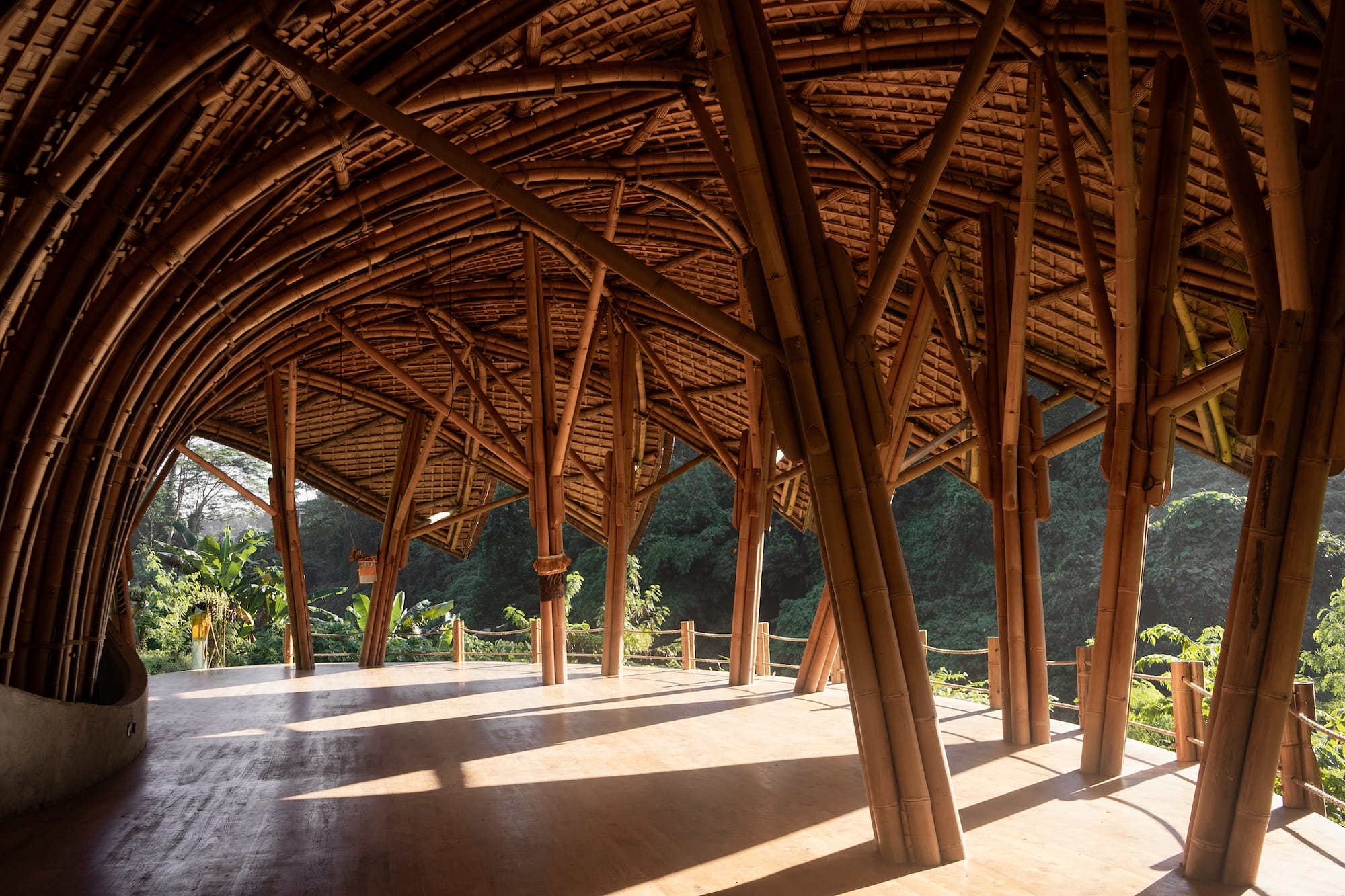
This philosophy comes to life in a series of breathtaking recent projects across Indonesia and beyond, with a particular emphasis on spaces dedicated to holistic wellness, meditation, and spiritual practice. Among these is the Lotus Yoga Shala, situated in the verdant landscape of Ubud. Taking its aesthetic and conceptual cues from the lotus flower—a universal symbol of purity, awakening, and spiritual unfolding—the structure features an elegantly concave wooden canopy. The roof design is supported by minimal posts and left deliberately open on the sides, ensuring that individuals practicing yoga or meditation inside feel an uninterrupted, visceral connection to their tropical surroundings.
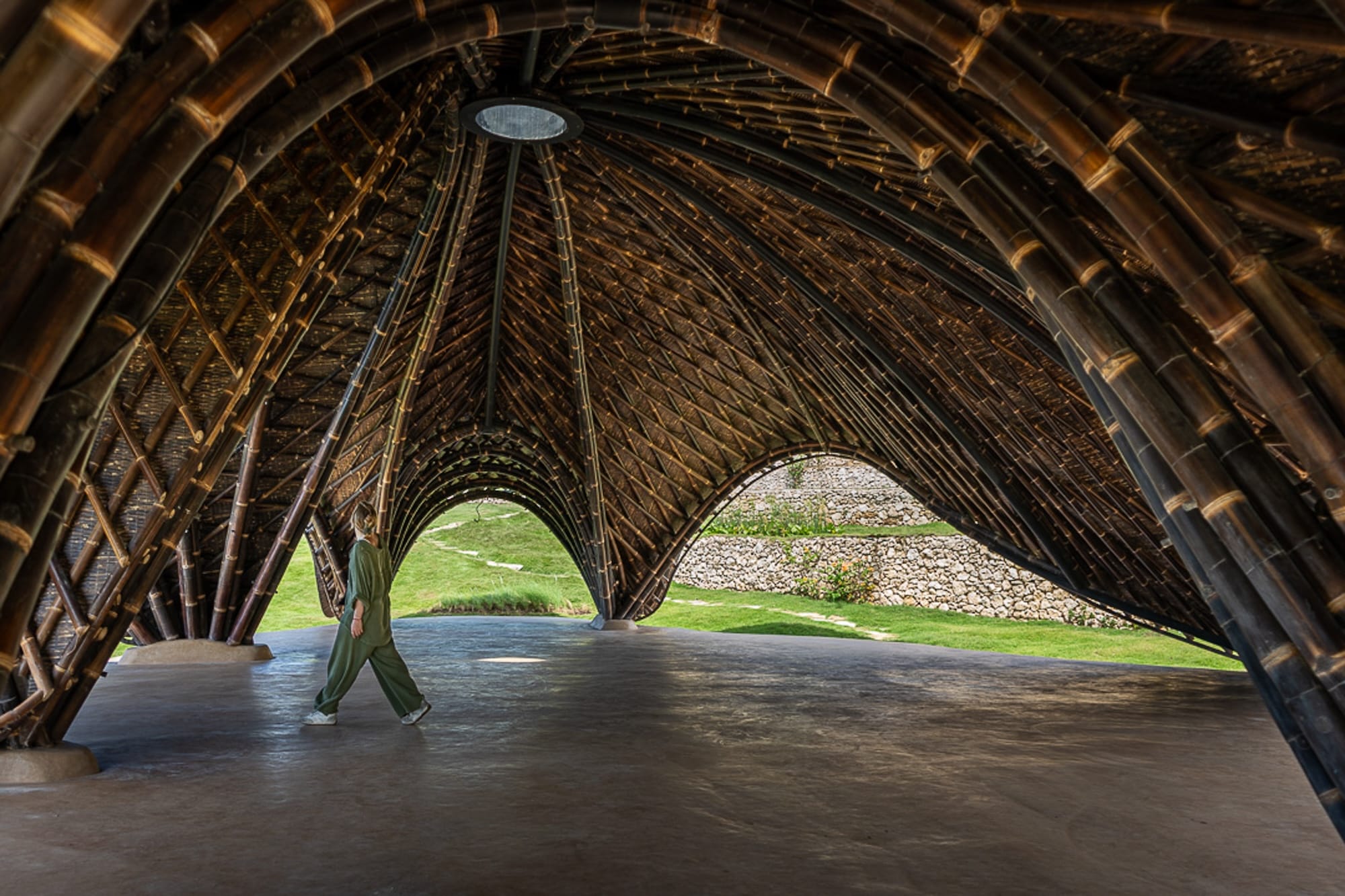
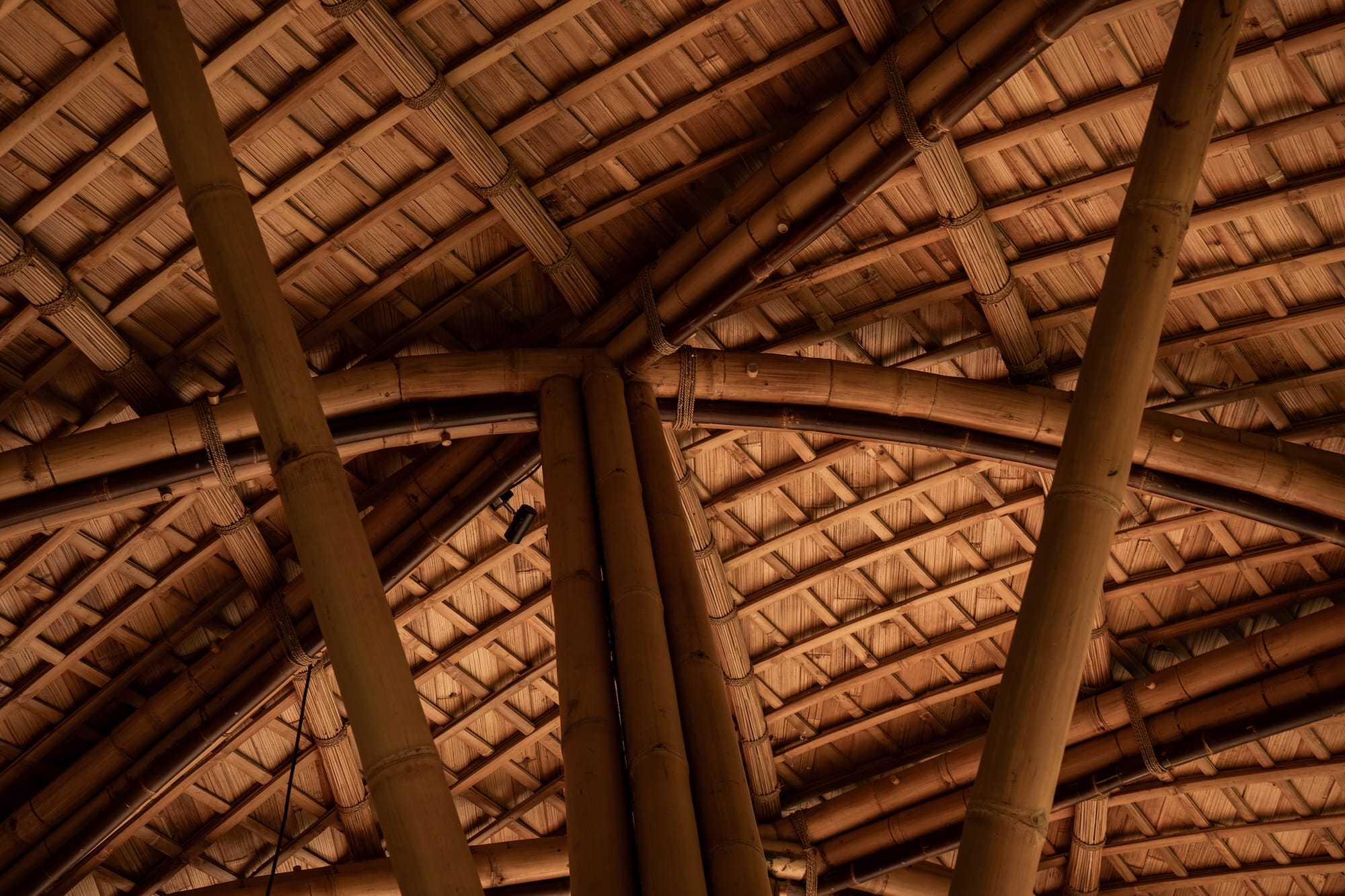
The Lotus Yoga Shala is built entirely from bamboo, a material celebrated by sustainable architects for its incredible strength, flexibility, and rapid renewability. By harnessing bamboo’s unique physical properties, the design team at Pablo Luna Studio is able to construct graceful, sweeping curves that are executed with pinpoint geometric precision. The material choice underscores the studio’s dedication to low-impact building, utilizing a renewable resource abundant to the region while showcasing its structural and aesthetic potential.
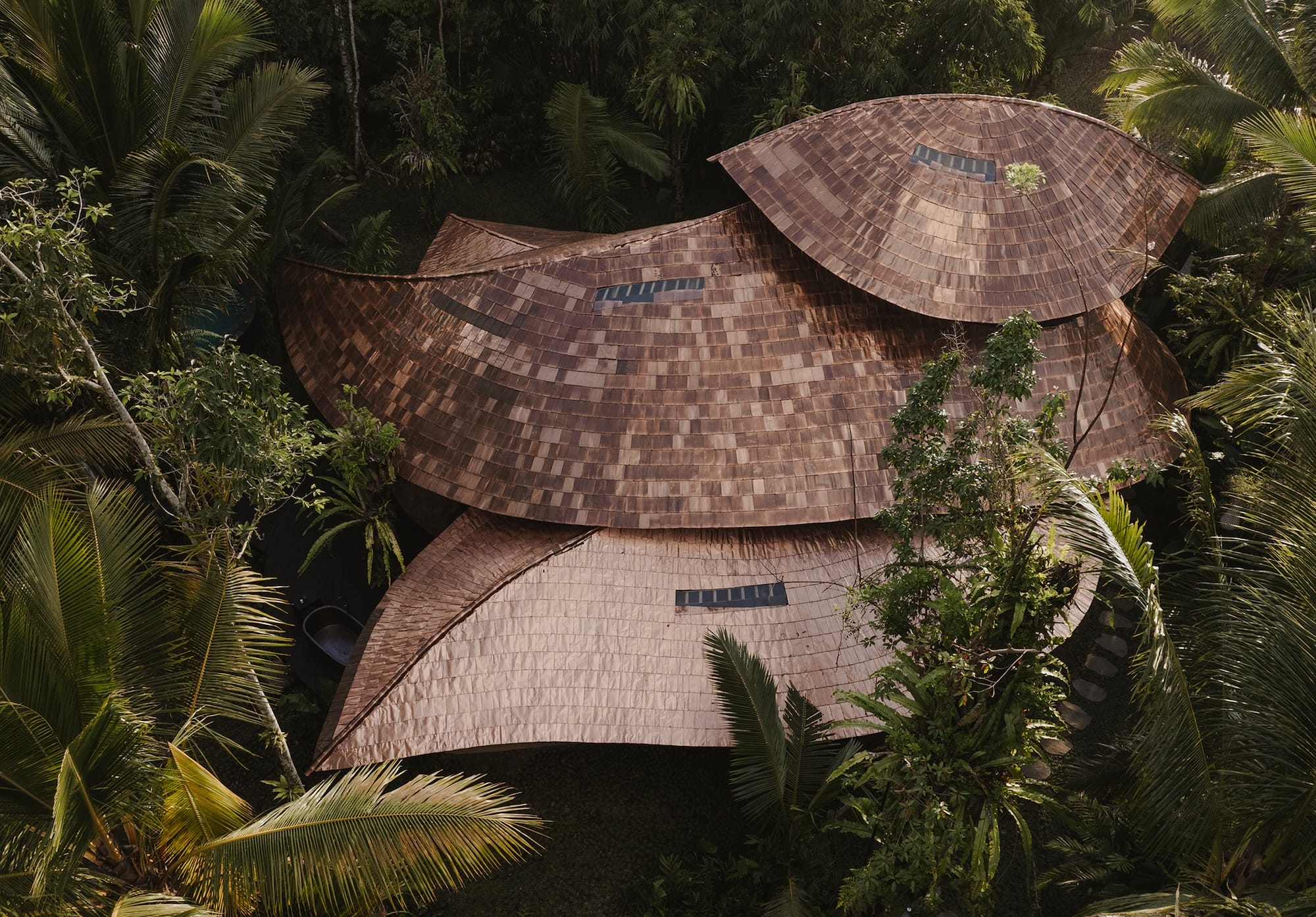
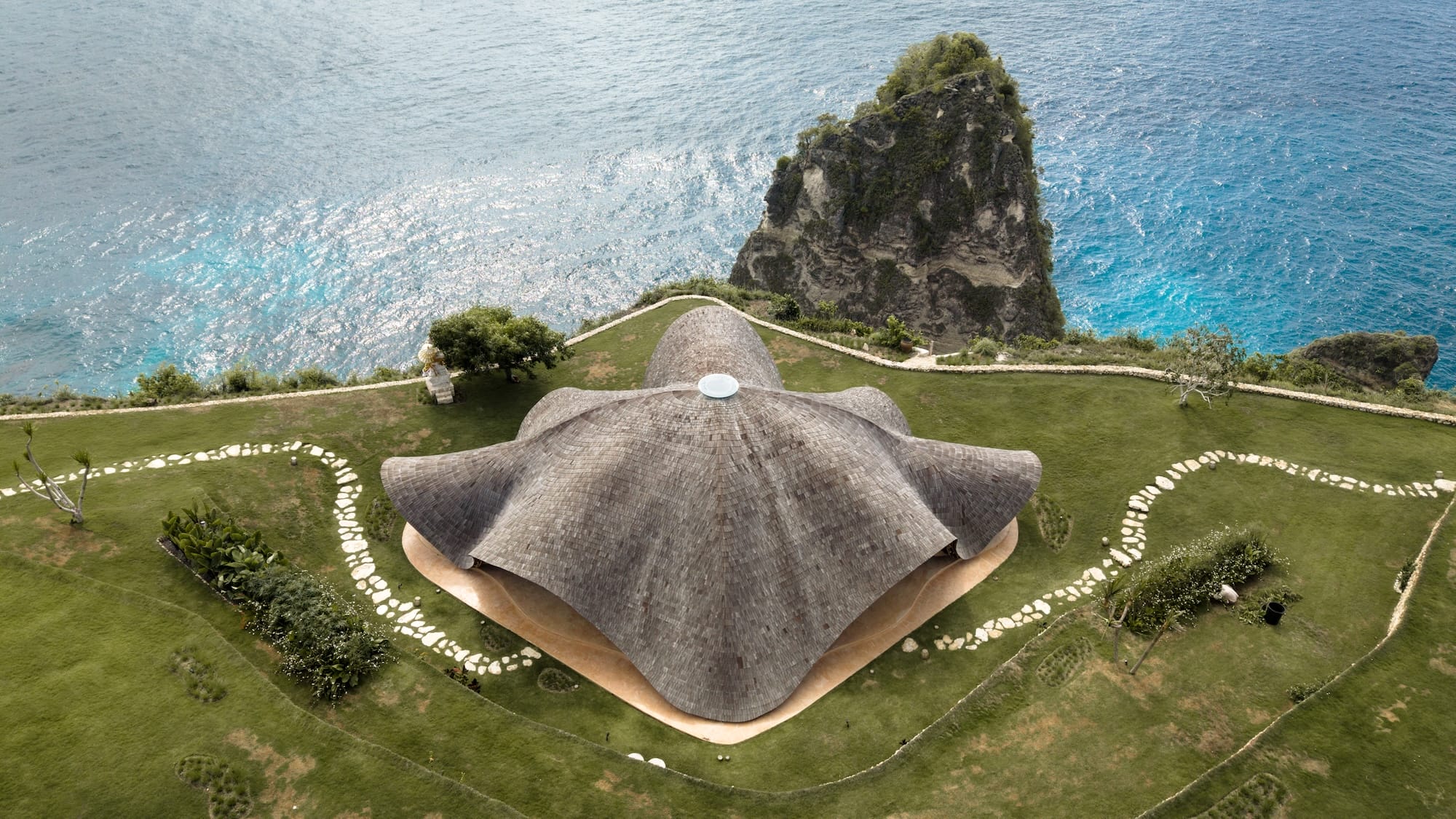
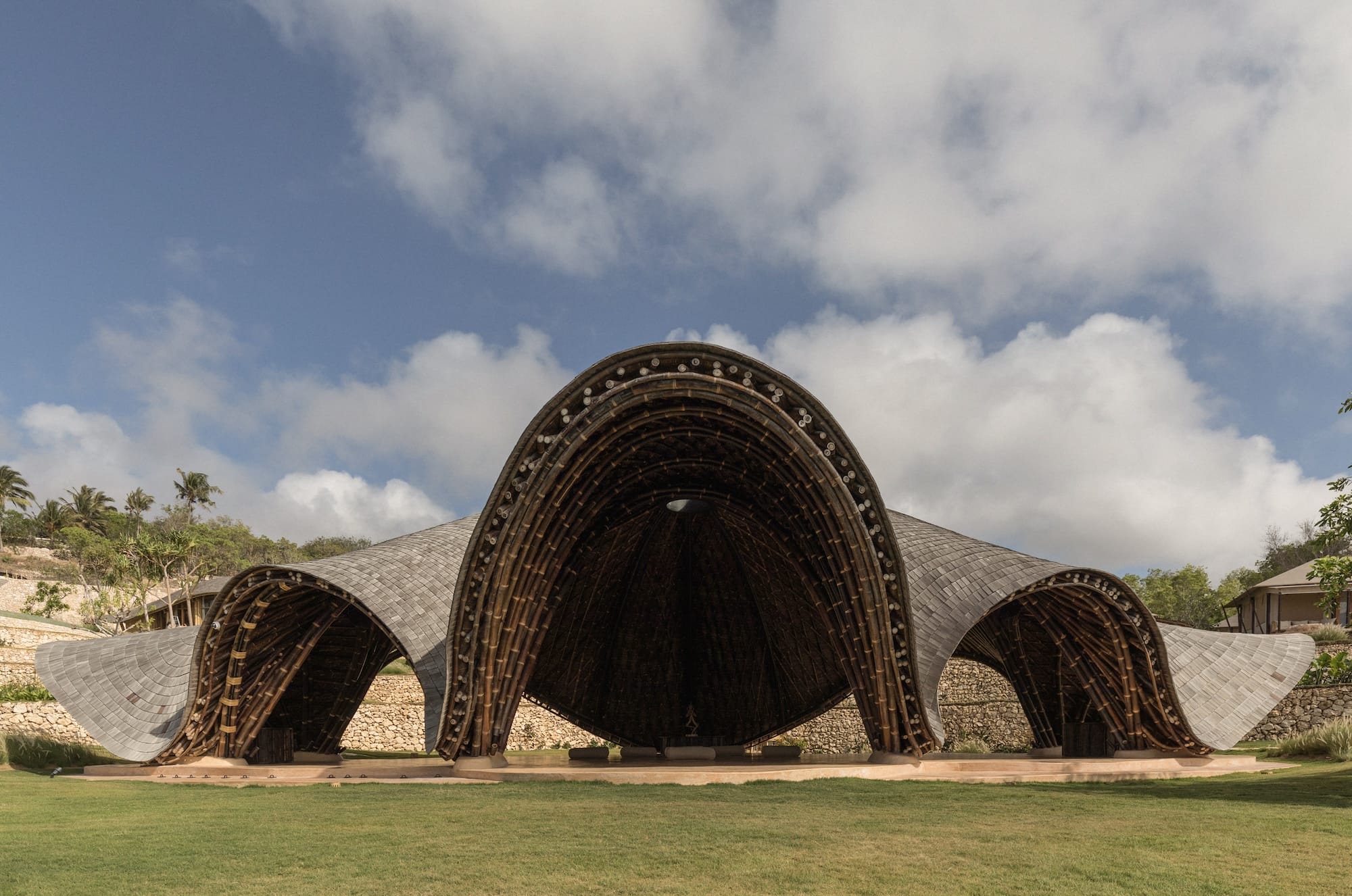
In Sanskrit, the traditional term "shala" translates simply to "home," and across various wellness communities, these purpose-built pavilions are designed specifically to cultivate harmony, introspection, and calm. Pablo Luna Studio has continued to explore this architectural typology with projects like the Manta Shala, perched dramatically on the rugged coastline of Nusa Penida, Indonesia.
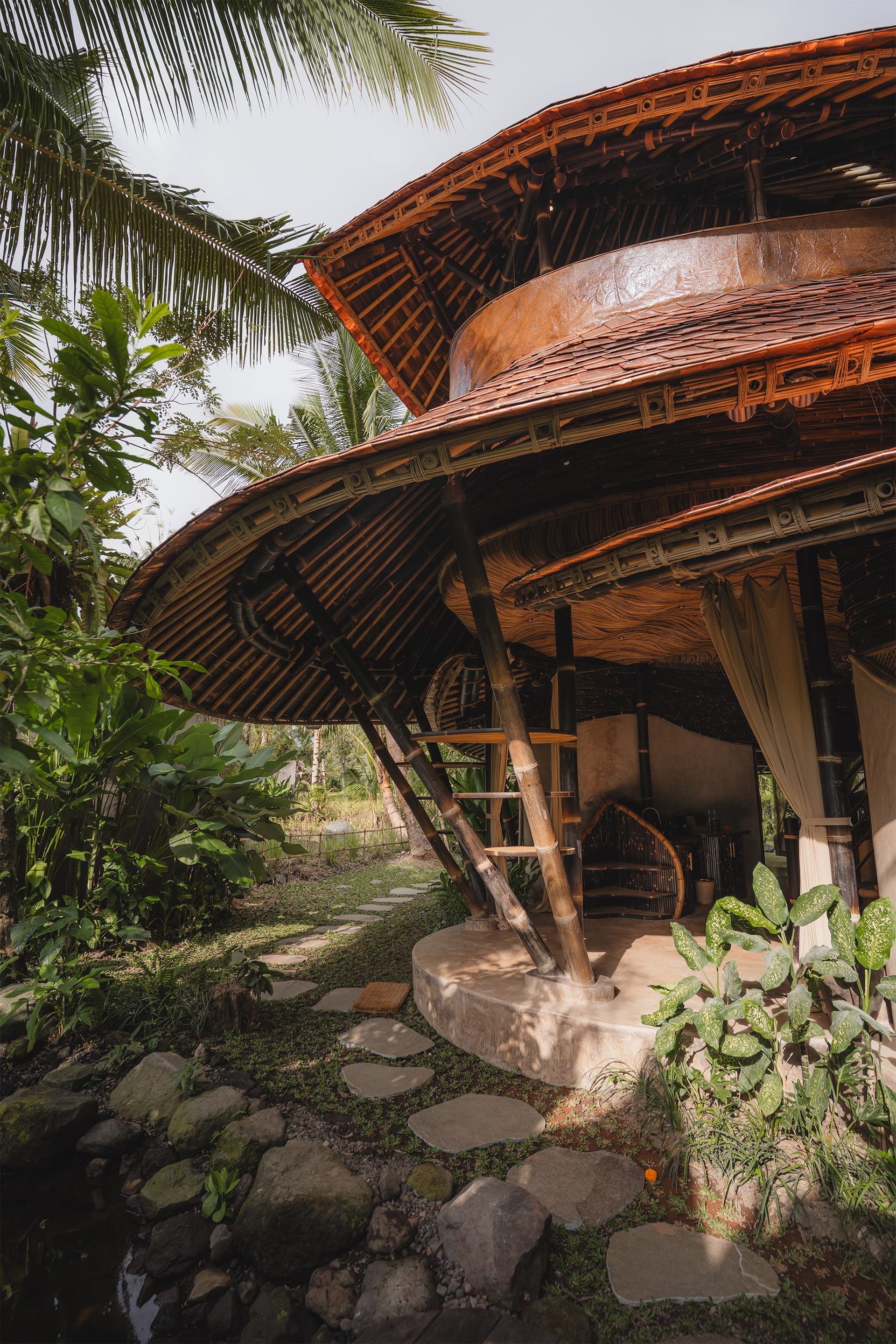
The Manta Shala draws its striking visual identity from marine life, featuring an undulating roofline that deliberately evokes the fluid, graceful movement of a manta ray’s body as it glides through gentle ocean waves. Positioned by the sea, the pavilion captures coastal breezes and frames expansive ocean views, allowing the architecture to converse directly with the marine environment that surrounds it.
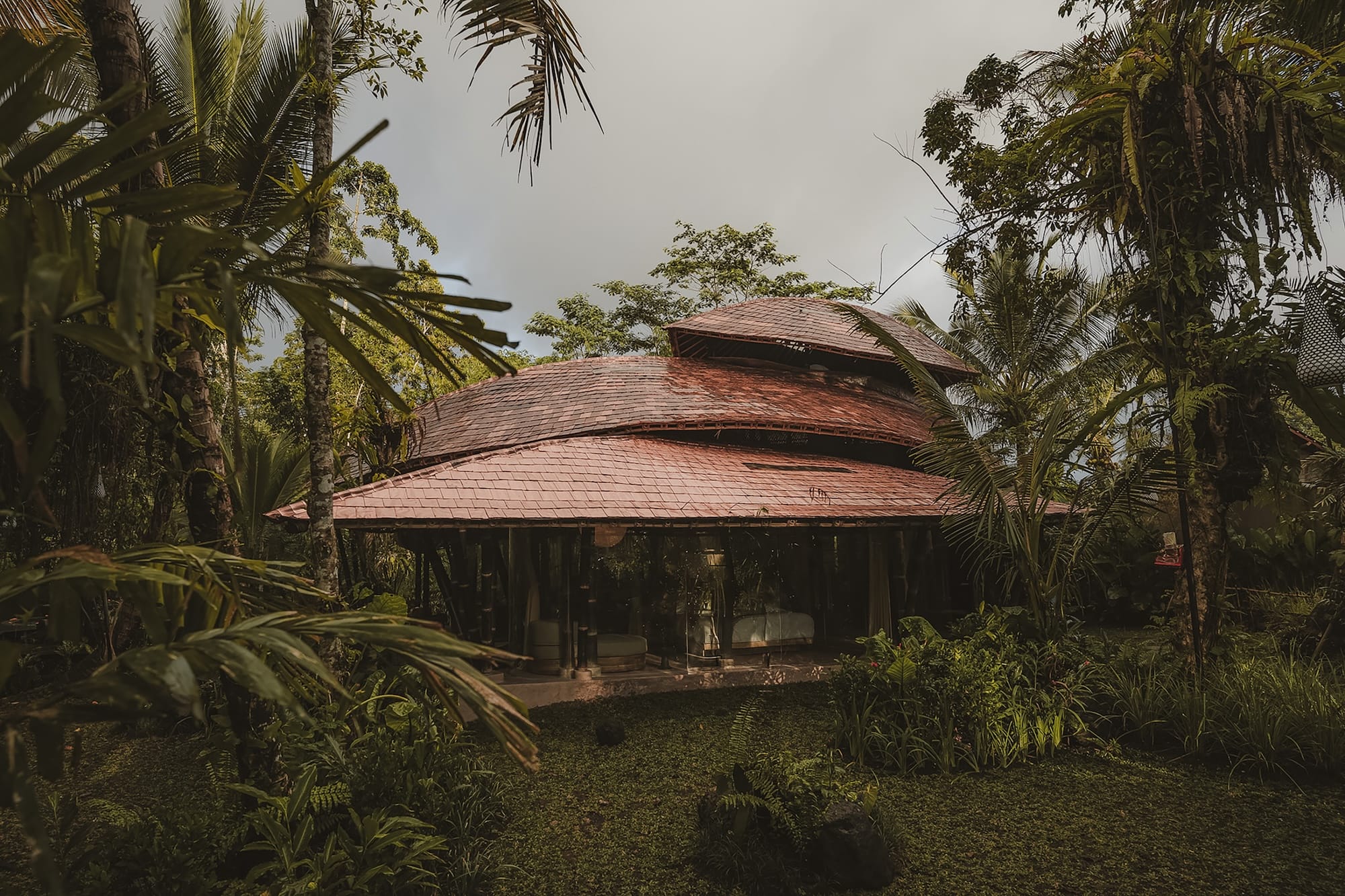
Beyond these coastal and jungle pavilions, Pablo Luna Studio’s expansive portfolio reflects a diverse range of context-driven developments. The firm’s creative footprint extends to an innovative eco-lodge project in Uganda, as well as numerous private luxury villas, high-end restaurants, and comprehensive wellness destinations scattered throughout the island of Bali. Each project remains anchored in the firm’s foundational belief that modern human habitation can—and should—coexist harmoniously with the Earth’s natural systems, proving that sustainable design can be as aesthetically captivating as it is environmentally responsible.