As a younger generation begins to re-embrace time in the kitchen, Dish Books is serving up community through food, culture, and history.
A region most recognised in the world for its expansive diaspora, Wenzhou—a coastal city in Zhejiang province just three hours from Shanghai by high-speed rail—is known within China as an entrepreneurial hotspot. Seen as the birthplace of the republic’s now vast private economy, it has a long-standing reputation for its hard-nosed business acumen, intense commercial drive, and financial ambition. Over the past few years, however, there has been a noticeable and fascinating wave of retail and museum openings that have begun shifting this formidable centre of commerce into a burgeoning cultural hub with the help of something even more powerful than money: food.
Dish Books, locally known as Pan Cai Sheng, is one such debut. The two-storey shop—named after a pickled turnip local to Wenzhou—which opened in March this year, is dedicated entirely to culinary literature, stocking regional cookbooks, food anthropology texts, multilingual periodicals, and artisanal zines. The combination of food and literature reflects the personal passions and professional backgrounds of the business’s two founders: Pan Xiaoyue, the former chief editor of China’s largest recipe app, and Wenzhou native Du Ke, who founded Nan Shi Zhao, a premium food and artisanal condiment brand. Its strategic location, nestled right next to a boisterous and bustling wet market, adds another special, grounding ingredient to the entire enterprise.
Dish Books stands out as a rare new building in Wenzhou’s historic city centre. The striking architecture, conceived by Shanghai-based Atelier Tao+c—a firm renowned for designing some of China’s most beloved independent bookshops and creative cafés—blends seamlessly into its dense historic surroundings. Among its most thoughtful architectural features is a twisted roof, pitched specifically as a polite and considerate nod to its immediate neighbours by allowing more natural sunlight to flood into their homes.
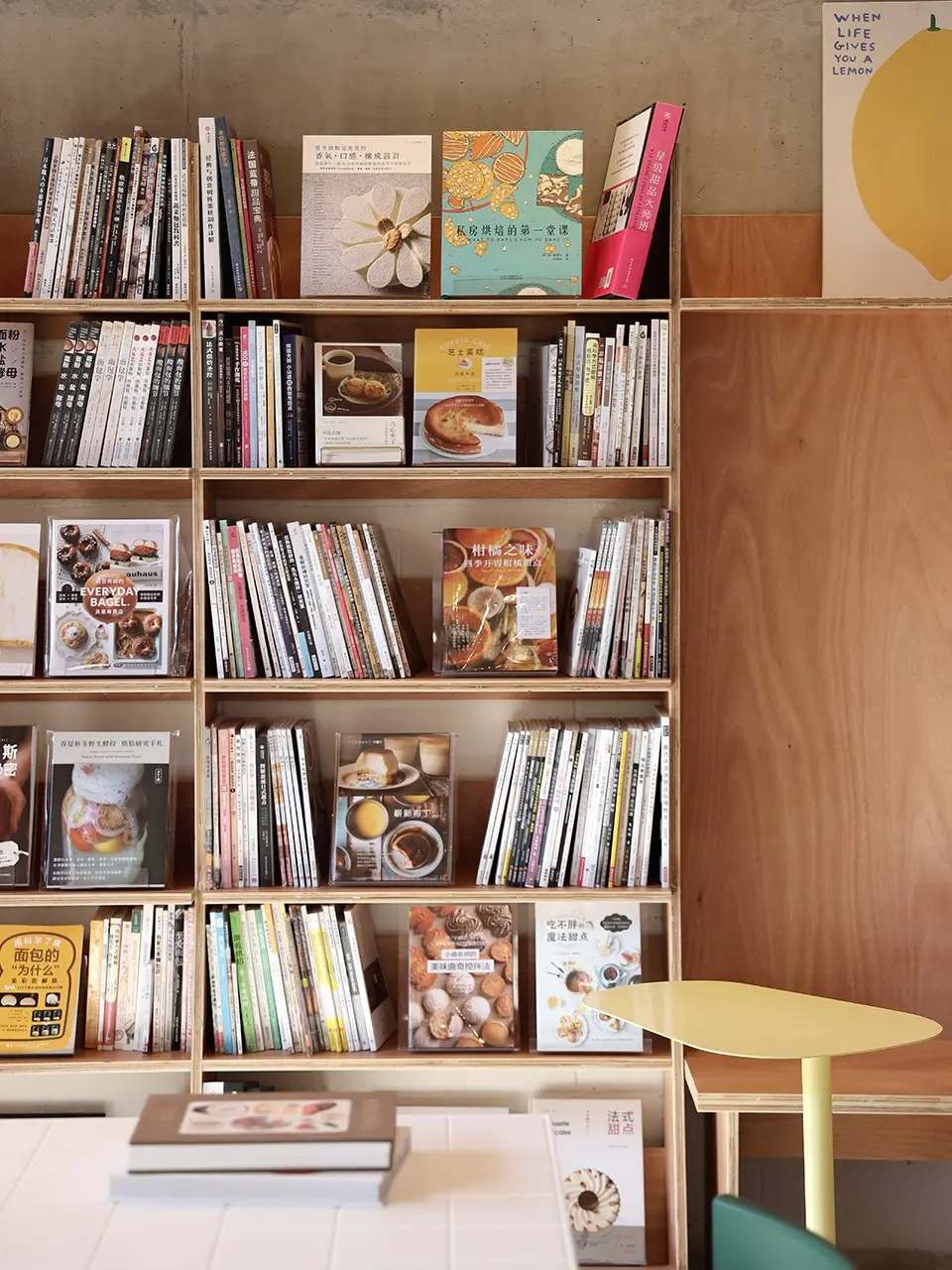
On the ground floor of the shop, specialised culinary literature takes centre stage, welcoming browsers with shelves stacked high with volumes on gastronomy, agriculture, and regional identity. Upstairs, however, a light-filled forum brings together dedicated food enthusiasts, amateur cooks, and curious locals for curated exhibitions, academic talks, and lively communal dinners. The shop’s summer show, for instance, examines Chinese dessert soups with a high degree of academic rigour, carefully tracing their historical Cantonese roots and their subsequent nationwide evolution across different provinces and climates.
Fittingly, the showcase also highlights a beloved local specialty: xing ren fu. A clever and thrifty adaptation of Beijing’s traditional imperial almond tofu, Wenzhou’s distinct version substitutes traditionally milled apricot kernels with accessible condensed milk, finishing the refreshing sweet treat with a dash of mint essence specifically chosen to combat the heavy summer heat.
The exhibition space cleverly doubles as an open-plan kitchen for a series of collaborative cookouts. During these popular events, strangers meet at the shop, venture out together to shop at the vibrant wet market next door, and then return to cook and dine side by side. These coveted spots usually book out completely within mere seconds of opening up.
"Even though most people don’t really have the time to cook in their routine daily lives, they turn to cooking as a way to build relationships and community," says co-founder Pan Xiaoyue, reflecting on the deeper psychological drivers behind the trend.
Co-founder Du Ke echoes this cultural shift in how people view hospitality and socializing. "When entertaining guests, it used to be more impressive to take them out to expensive restaurants," he notes. "Today, cooking a feast in your own kitchen carries far more weight. The number of people who cook regularly might be declining in terms of daily necessity, but cooking as a social act is becoming vastly more meaningful."
Across urban China today, affordable, highly efficient, and remarkably varied dining options have made daily home cooking far less of a logistical necessity than it once was. After all, why bother spending hours in the kitchen when a steaming bowl of freshly prepared rice topped with tender braised goose and rich liver can easily arrive right at your front doorstep in under thirty minutes via delivery apps? For younger cooks navigating this modern convenience economy, deciding precisely when, why, and for whom to cook has consequently become a deeply deliberate, conscious gesture. Preparing a meal from scratch is no longer merely about the baseline biological requirement of feeding someone; rather, it has transformed into a profound medium for expressing personal care, fostering intimacy, and actively creating community.
The carefully curated titles lining the shelves at Dish Books serve to deepen that exact intention. The collection traces everything from the fascinating historical migration of tomatoes and pineapples through various regions of China to the intricate cultural history of fermentation in Guizhou province. Furthermore, an archival library housed within the shop preserves rare recipe books dating back to the 1970s and 1980s, out-of-print culinary volumes, and comprehensive texts on Wenzhou local history.
Ultimately, the shop gently invites its readers to think far beyond how something simply tastes, encouraging them to ponder how ingredients are produced, what environmental conditions shaped them, and what long-standing cultural traditions they carry forward. Concepts such as terroir, heritage, and sustainability have begun to matter just as much to this new generation of readers as pure flavour profiles. Yet, for the two founders, food remains the ultimate, welcoming entry point. Bringing curious people back into physical bookshops and giving the culinary-minded a dedicated, inspiring place to gather remains their true and enduring ambition.