If you have ever looked at the latest smartphone lineup and thought you could do a better job designing a mobile device, a new viral website is giving tech enthusiasts and casual users alike the chance to put their ideas into practice. Created by independent game designer and developer Neal Agarwal, "Design the Next iPhone" is an interactive, one-off web application that allows users to build, customize, and price out a completely personalized mobile phone using a fully rendered 3D model.
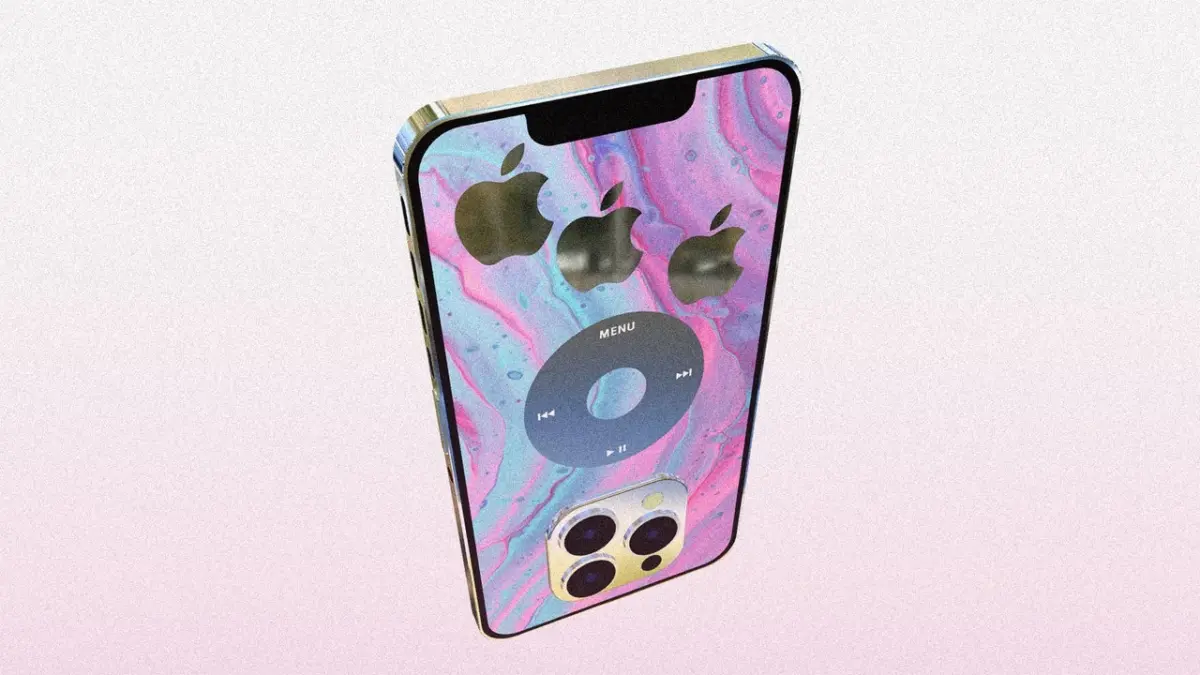
The tool provides an engaging sandbox where creativity meets absurdity. Users are greeted with a standard, rectangular 3D rendering of an iPhone that can be rotated freely in space. From there, the interface relies on intuitive drag-and-drop mechanics, enabling visitors to stick various components anywhere they please on the chassis and in any quantity imaginable.
While the platform includes familiar hardware elements—such as dual and Pro camera arrays, volume buttons, traditional lightning ports, classic Apple logos, and physical home buttons—the real appeal of the site lies in its complete lack of design constraints. Unlike real-world consumer electronics manufacturers who must carefully balance ergonomics, engineering limitations, and manufacturing costs, users of Agarwal’s site are entirely unbound by practical reality. Components can be multiplied endlessly, overlapping one another or placed in wildly unconventional spots across the phone body. Furthermore, while the demo handset starts out as a standard rectangle, the site includes options to fundamentally alter the device’s architecture, such as adding a mechanical hinge reminiscent of the recently discussed iPhone Duo.
The playful nature of the project quickly becomes apparent as users explore the deeper catalog of customizable features. Alongside standard smartphone parts, the game goes hilariously overboard by letting visitors attach an Android logo, a satirical pear logo, or even an old-school iPod click wheel straight out of the mid-2000s. For those chasing a truly vintage or bizarre aesthetic, the options expand to include physical antennas, rotary dials, googly eyes, game controllers, joysticks, carrying handles, steering wheels, helicopter rotor blades, and a feature playfully dubbed the "Pro Wheel." Users can also completely alter the color scheme of the device and type in their own custom name for the resulting gadget.
True to the real-world Apple product ecosystem, sticker shock remains an integral part of the user experience. Once a creator finishes positioning their chaotic array of components and clicks the "present" button, the web page tallies up the cost of the custom build based on the specific hardware choices selected. For instance, slapping a heavy-duty "Pro Stand" onto the back of the phone will instantly inflate the final tally by a cool $1,000. True to the corporate presentation aesthetic, the reveal culminates in a digital cameo from Apple’s former CEO, Tim Cook, who pops up on screen to offer words of enthusiastic praise for the user’s creation. Satisfied designers can then download their creation to view a spinning 3D promotional video of their one-of-a-kind prototype.
Since launching, the project has sparked a wave of creative participation across social media. Users have flooded Agarwal’s post on X, formerly known as Twitter, sharing screenshots and recordings of their most unhinged device concepts. Among the user-generated submissions are handsets modified to resemble planetary rovers designed for Mars exploration, flying drone-like contraptions, and elaborate smartphones featuring wings constructed entirely out of stacked Pro Camera modules. Another notable design transformed the iconic Apple form factor into a bright red Game Boy Advance, blending retro gaming nostalgia with modern mobile aesthetics.
The timing of the website’s release aligns with a broader public fixation on mobile phone design evolution and form-factor experimentation. The conversation surrounding what the future of personal technology should look like is already top of mind for consumers and industry watchers alike. Apple recently announced the iPhone Duo, marking the company’s most dramatic and radical reimagining of the smartphone form factor in years. The launch also represents a significant milestone for Apple as the first major product rollout under the leadership of its new hardware CEO, John Ternus. Against this backdrop of genuine industry shifts toward foldable interfaces and hardware evolution, "Design the Next iPhone" provides a lighthearted escape that lets everyday users push mobile concepts far beyond the boundaries of corporate roadmaps.