The modern architecture of everyday life—the power grids, the digital databases, and the communication networks that keep societies functioning—often attracts little notice until a hostile actor attempts to disrupt or completely dismantle it. In an increasingly interconnected world, where the boundaries between physical security and digital defense have entirely dissolved, nations find themselves navigating a complex geopolitical landscape defined by hybrid threats. According to Mohamed Al Kuwaiti, the head of the UAE Cyber Security Council, the United Arab Emirates has recently found itself in the crosshairs of such sophisticated digital aggression, facing targeted state-sponsored campaigns orchestrated by Iran to cripple vital national assets.
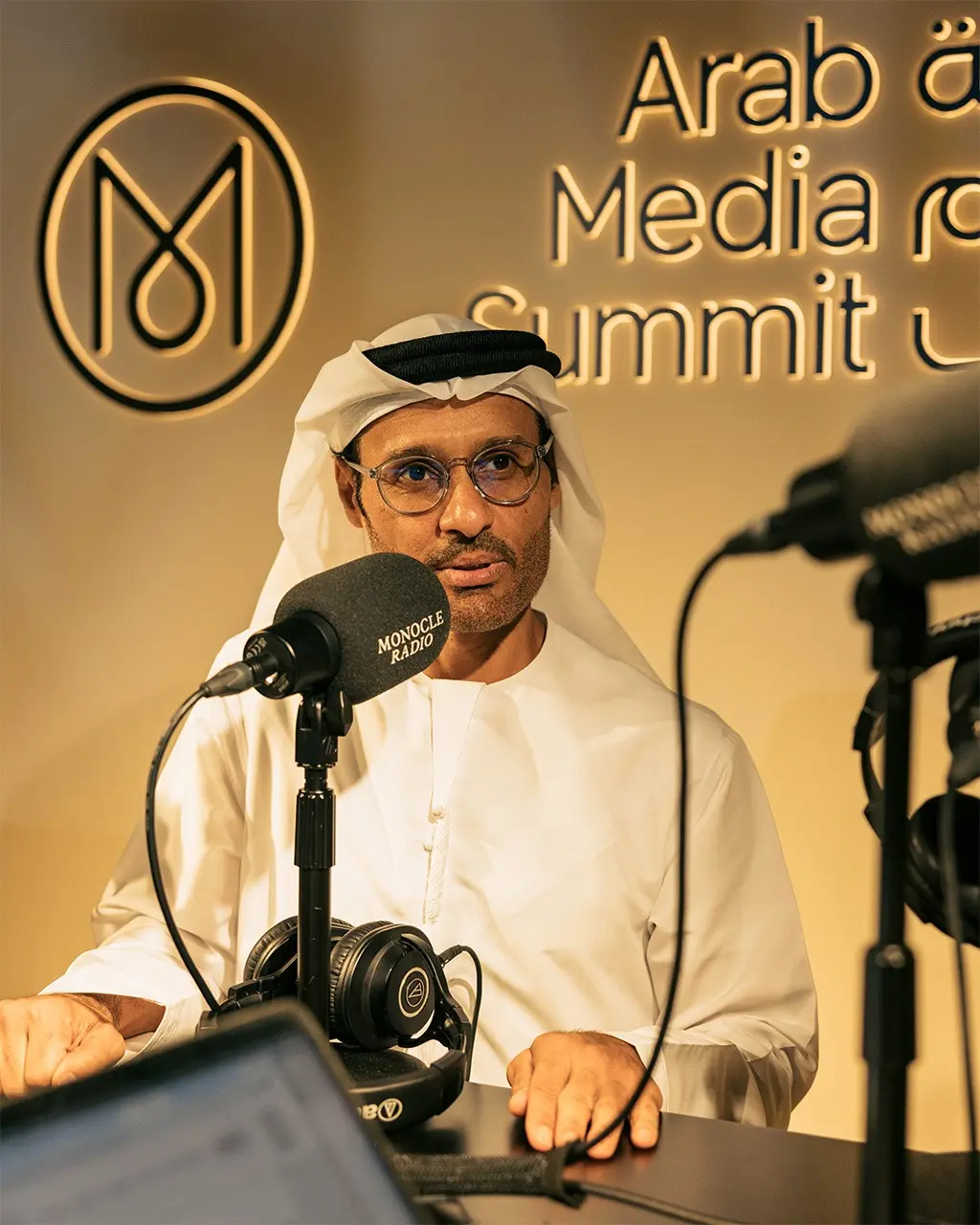
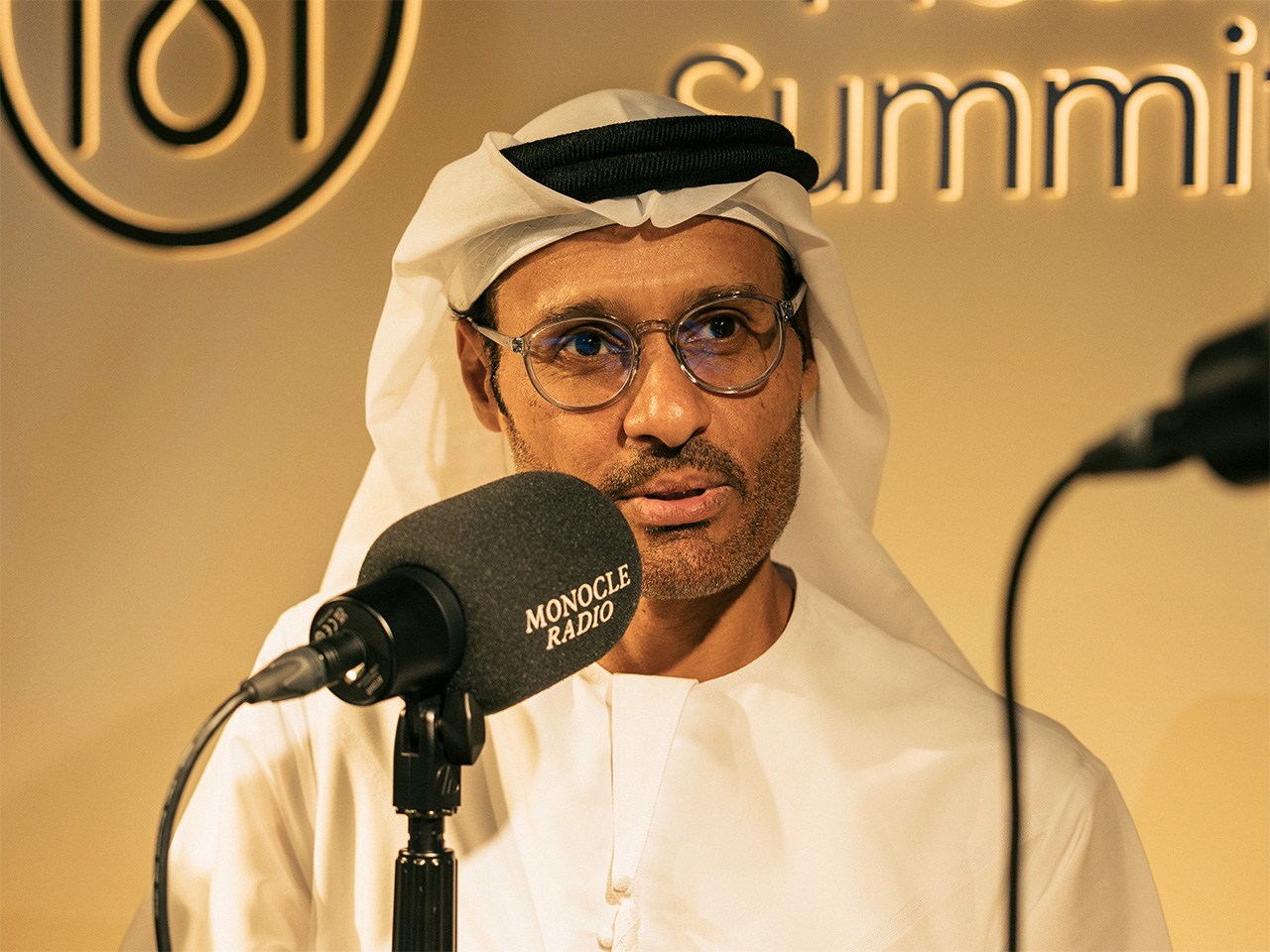
Speaking at the Arab Media Summit in Dubai in an interview with Monocle Radio, Al Kuwaiti detailed how the Islamic Revolutionary Guard Corps (IRGC) has overseen a coordinated digital offensive operating in tandem with kinetic military actions, including missile and drone attacks. As regional conflicts continue to cast a long shadow across the Middle East, Al Kuwaiti outlined how the UAE’s defensive strategies are rapidly evolving to meet these unprecedented challenges. Crucially, he explained why confronting the darker, weaponized applications of modern technology has done nothing to dampen his fundamental optimism regarding the future potential of artificial intelligence.
Unprecedented Targets: Moving Beyond Espionage to Destruction
When asked whether the scale and nature of Iran’s cyberattacks caught the nation’s security apparatus by surprise, Al Kuwaiti offered a candid assessment of how threat vectors have shifted. National cybersecurity agencies globally have long anticipated data leaks, state-sponsored corporate espionage, financial theft, digital scams, and routine attempts to siphon classified information. However, the escalation witnessed by the UAE crossed a critical threshold into destructive warfare.
Al Kuwaiti revealed that security planners did not initially anticipate an adversary actively attempting to infiltrate and neutralize the nation’s power grid with the explicit intent of causing widespread disruption and structural destruction. Furthermore, attackers targeted massive repositories of digitized information with commands designed to execute total data deletion, effectively seeking to wipe foundational public records clean. Compounding the severity of the threat, these aggressive cyber maneuvers materialized almost immediately after the broader regional conflict erupted, demonstrating a high degree of tactical synchronization that caught defenders off guard in terms of timing and velocity. Nevertheless, Al Kuwaiti emphasized that the nation has absorbed these hard-earned lessons, noting that the country’s defensive posture is emerging far more resilient and powerful than before.
The Reality of Blended Warfare
The intersection of kinetic warfare and digital sabotage is no longer a theoretical concept explored in military academies; it is an active reality across multiple modern conflict zones. Al Kuwaiti noted that whenever reports emerged of drone strikes or ballistic missile attacks hitting critical infrastructure—ranging from national energy grids and aviation hubs to vital health care facilities—complementary cyberwarfare operations were invariably deployed simultaneously to maximize the operational and psychological impact of the physical strikes.
This blended warfare model is not an isolated phenomenon restricted to the Arabian Gulf. Al Kuwaiti pointed out that similar patterns of synchronized kinetic and cyber aggression have been meticulously documented in ongoing and recent conflicts across the globe, affecting nations such as Russia, Ukraine, Estonia, Israel, and Palestine. In these theatres, cyber offensives move well beyond traditional psychological operations, misinformation campaigns, or social media disinformation narratives, evolving instead into precision digital strikes aimed at disabling the physical machinery of the state.
Learning from Global Conflicts and Scaling National Defenses
In response to these rapidly escalating threats, the UAE has closely monitored international conflicts—most notably Russia’s war in Ukraine—to extract vital lessons for its own national security framework. Over the past two to three years, the UAE Cyber Security Council has systematically conducted rigorous cyber drills and large-scale national exercises, testing every conceivable economic and governmental sector against simulated crises.
These national exercises explore a diverse array of high-stakes scenarios, modeling conflicts such as AI-driven systems operating against human operators, autonomous AI tools clashing with enemy AI architectures, and relentless machine-driven assaults targeting critical infrastructure. Last year, this commitment to collective defense manifested in a massive cybersecurity drill hosted in Dubai, which brought together representatives and technical experts from 133 nations united by a single purpose: fortifying global systems against catastrophic cyberattacks. Al Kuwaiti confirmed that further large-scale national exercises are scheduled to take place, reflecting an ongoing operational tempo designed to keep the nation’s defenses sharp.
To operationalize these lessons, the UAE has fundamentally restructured its approach to national protection around three core pillars. The first layer focuses on regulatory compliance and policy enforcement to safeguard critical infrastructure. In the event of an intrusion, advanced artificial intelligence algorithms are deployed to detect anomalous behavioral patterns and proactively sever the attack vector before systemic damage can occur.
The second pillar centers on deep cross-sector partnerships. Recognizing that a significant portion of critical technological infrastructure is owned and operated by private sector entities, Al Kuwaiti highlighted a profound display of national and international solidarity. Private technology corporations actively stepped forward during crises, sharing crucial indicators of compromise, detailing sophisticated attack patterns, and pooling intelligence gathered from their cloud systems. This open sharing of threat intelligence benefits the entire digital ecosystem, creating a collective shield that transcends individual corporate interests.
The third and arguably most vital layer involves community integration and cultural transformation. The UAE has systematically overhauled its educational curriculum to embed cybersecurity and artificial intelligence literacy at every level of society. This educational mandate spans from early childhood education in kindergartens all the way up to executive boardrooms across the corporate sector. By embedding an understanding of digital hygiene and technological awareness into the national fabric, the country acknowledges that technology is an inescapable, integral part of modern existence. Al Kuwaiti stresses that society must be comprehensively prepared to harness technology constructively, acknowledging its inherent risks while maintaining a rigorous posture of preparedness.
Optimism in the Age of Artificial Intelligence
Despite the formidable security challenges posed by malicious actors weaponizing advanced software, Al Kuwaiti remains remarkably optimistic about the overarching trajectory of artificial intelligence. For observers and citizens genuinely worried about the potential devastation that unregulated AI could inflict upon society, his message offers a measured counterweight of reassurance.
Al Kuwaiti maintains that the technology will ultimately deliver profound and enduring value to humanity. Pointing to the medical sector, he noted that AI applications have already revolutionized healthcare delivery, driving breakthroughs that have directly saved lives and transformed clinical outcomes. While he readily acknowledges that grey areas exist and that significant risks remain if appropriate guardrails, regulatory guidance, and robust governance policies are absent, he contends that these vulnerabilities do not outweigh the overwhelming potential for public good.
Ultimately, Al Kuwaiti reminds critics and observers that artificial intelligence is a human creation. While a fraction of the population may choose to use such tools for malicious or destructive ends, the vast majority of designers, researchers, and practitioners deploy these innovations for constructive purposes. That perspective forms the core message emanating from the UAE’s strategic leadership: that the nation remains firmly committed to embracing, developing, and deploying advanced technology to secure the best possible future for humanity.