As the prestigious San Sebastián Festival runs from September 18 to 26, one of the major industry narratives taking center stage is the presentation of SETT, the strategic venture capital fund established by Spain’s Ministry for Digital Transformation. Representing a profound shift in how public investment is conceived and deployed within the country’s creative economy, SETT has become a primary engine for driving corporate growth, employment, and innovation across the domestic entertainment landscape.
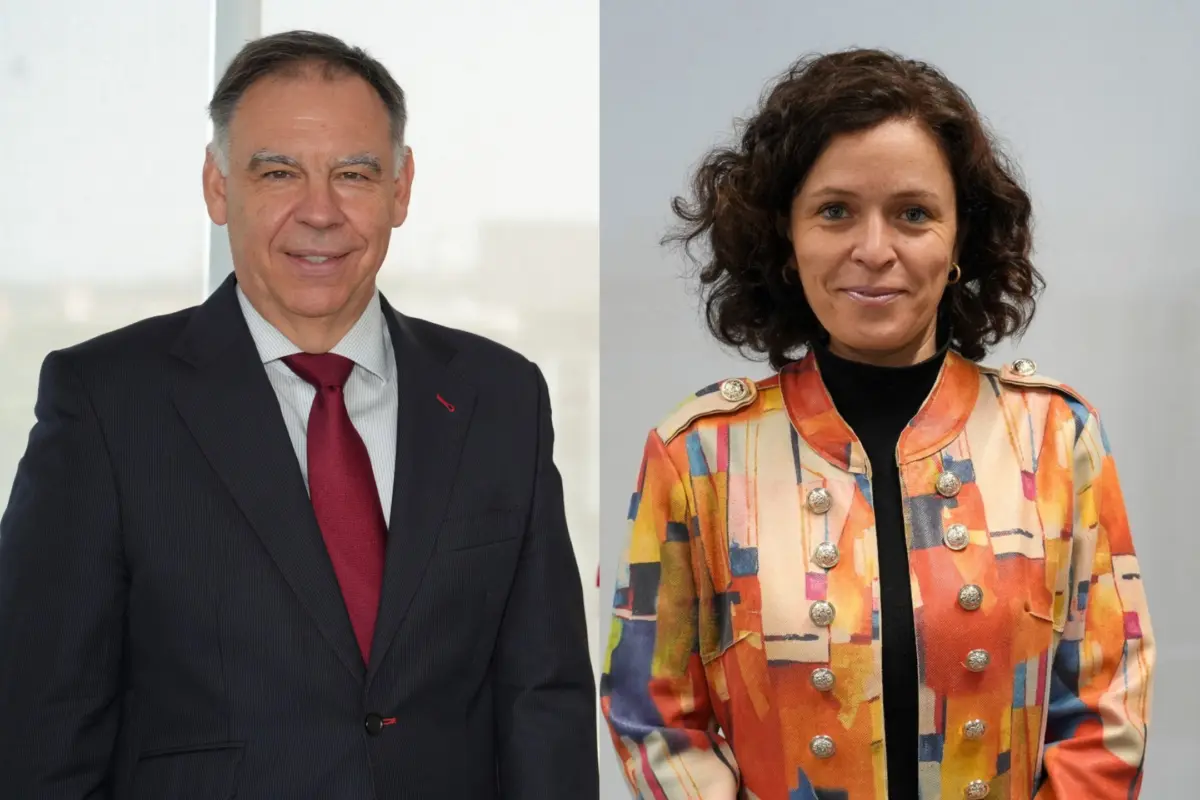
During the festival, SETT director general Javier Ponce and its audiovisual director María Coronado are providing a comprehensive, practical look at Spain’s governmental investment drive. Their presentations outline what the fund is currently achieving, the foundational rationale behind its operations, and where public-private co-investments are headed in the future. As the fund continues to roll out its initiatives and unveil new backed companies, the enterprises receiving support are emerging as some of the most dynamic and ambitious commercial players in the Spanish market.
Objectives of SETT’s Spain Audiovisual Hub Strategy
At its core, SETT functions as a public investment entity that manages financial commitments in strategic, transformative sectors, with the audiovisual industry serving as a vital pillar. Javier Ponce explains that the entity acts as a public catalyst for growth, employment, innovation, and talent retention—all of which are core elements necessary for a thriving modern entertainment sector. Specifically, SETT has been tasked with managing the Spain Audiovisual Hub Fund, an instrument originally established under Spain’s broader Recovery Plan and financed through the European Union’s Next Generation funds.
Through the Spain Audiovisual Hub Plan, SETT provides vital financing, equity investments, and quasi-equity instruments, delivering capital either directly to companies operating in the sector or through active financial intermediaries. The overriding objective of these financial mechanisms has been to actively attract private investment while dramatically improving access to finance for a wide range of projects, including feature films, television series, animation, multimedia, and interactive content. In distributing these funds, priority has consistently been given to high-impact projects that focus heavily on the creation of original audiovisual content and the protection of intellectual property rights, ensuring crucially that those rights remain firmly in the hands of the domestic production companies.
The Rationale of a Sovereign Venture Capital Co-Investment Model
The foundational logic behind SETT’s sovereign venture capital model is rooted in deep public-private collaboration. This approach is designed to launch transformative initiatives that, due to their highly innovative and forward-looking nature, inherently involve elevated risks that often deter purely private funding sources. Ponce notes that only highly liquid, large-scale economic markets equipped with a long-established audiovisual industry are typically capable of mobilizing sufficient private capital independently to finance major new productions or sweeping industry transformations.
By stepping in as a co-investor, SETT bridges this critical financial gap, mitigating initial barriers and fostering an environment where private stakeholders feel secure enough to participate. This framework encourages domestic and international private investment while helping foreign businesses recognize Spain as an ideal and lucrative location to establish their long-term operations.
Navigating EU Fund Deadlines and the Transition to Future Programs
The financial scope of SETT’s Spain AVS Hub fund has been immense, with the potential to draw down up to 1.5 billion euros ($1.75 billion) from NextGeneration E.U. funding sources. However, as noted by government officials such as María Gonzalez Veracruz, actual investments made to date sit just under 250 million euros, largely because the initiative simply ran out of time amid stringent regulatory frameworks.
Javier Ponce acknowledges that while European funds have been fundamental for driving major structural reforms and stimulating economic growth across Spain, they also came with very specific requirements and strict implementation deadlines that complicated optimal execution. For the audiovisual sector specifically, the very concept of co-investing alongside a public entity represented a massive, unprecedented innovation. Consequently, time became a critical limiting factor as market participants first needed to fully understand the roles, mechanics, and implications of partnering with a public investor that shared both financial risks and returns.
Looking forward, the immediate challenge is to ensure that these initial investments continue to thrive, while simultaneously identifying fresh opportunities and maintaining confidence in the talent and ambition of Spanish audiovisual companies now backed by SETT. Importantly, SETT’s operational life is far from over. Beyond exercising essential governance over the investment agreements already struck, the institution is preparing for the launch of a new program titled "España Crece." Backed by a massive 13.3 billion euro ($15.6 billion) budget held by the Official Credit Institute (ICO), the investments under this upcoming program will be handled in part by SETT. Ponce confirms that initial discussions with ICO have already begun to define the procedures and collaborative framework, ensuring the seamless continuation of co-investment in strategic technologies and sectors, with the audiovisual industry remaining a core priority.
Concrete Examples of Co-Investment and Industry Impact
Detailing the mechanics of the fund, María Coronado emphasizes that the SETT model is constructed upon three distinct pillars. First, it adopts a broad, industry-wide approach rather than a narrow, project-based focus, thereby addressing the entirety of the audiovisual business ecosystem. Second, its investment facilities are deliberately directed toward the equity capital of companies or regulated investment vehicles. Third, it promotes robust public-private partnership instruments structured for the medium and long term.
Under this model, corporate promoters must successfully convince a genuine private investor that their company represents a worthwhile, commercially viable investment opportunity. SETT then steps in to co-invest alongside that private entity on a pari passu basis, ensuring that public funds support the company strictly under the exact same terms and conditions as private capital.
This strategy has successfully fortified both domestic and international private investments in Spain-based companies. Clear, tangible examples of this model in action include South African transactions involving The Refinery and Moonlighting, which represent a combined investment of 25 million euros. Additional standout examples include Amuse Labs and Milo, two leading forces in the Spanish animation sector, which have successfully mobilized 13 million and 19 million euros respectively with the fund’s backing.
Shifting Mindsets and Building Long-Term Infrastructure
Coronado points out that the introduction of sovereign venture capital into the Spanish film and television industry has fundamentally encouraged a much-needed change in mindset. Rather than focusing solely on immediate, short-term project financing, companies are now learning to think in terms of comprehensive medium- and long-term business strategies. This shift enables businesses to significantly strengthen their capital bases, making them considerably more ambitious, better equipped to protect their intellectual property, capable of diversifying their portfolios, and readier to expand internationally to bring products to market with maximum efficiency.
Reflecting on the lessons learned during the past two years of the Spain AVS Hub Phase II, Coronado notes that the experience has clearly confirmed SETT’s necessary purpose within the industry—not only in attracting vital private investment and foreign enterprises, but also in generating lucrative opportunities for local creators. Moving forward, a primary lesson is the critical importance of allowing ample time for business plans to fully mature and for companies to properly secure private investment partners.
Addressing the overarching needs of the sector for the coming years, Coronado stresses that consolidating the established model, building corporate scale, and expanding technical infrastructure are paramount. To establish Spain as a permanent global powerhouse for the audiovisual industry over the long term, the country must continue strengthening its tax frameworks, improving legal and regulatory environments, addressing cash-flow financing requirements, and fostering technical training and creative talent across every segment of the business.
A Strong Presence at the San Sebastián Festival
SETT is maintaining a high-profile presence throughout the San Sebastián Festival with a diverse array of industry-facing activities. On September 20, the Secretary of State for Digitalisation and Artificial Intelligence—operating through the Ministry for Digital Transformation and Civil Service, which leads the government’s Spain Audiovisual Hub Plan—is hosting a major showcase event detailing the significant progress made in financing the sector and revealing ongoing projects.
Furthermore, María Coronado is participating in a high-level panel discussion on September 22 as part of the conference organized by the CAA during Spanish Screenings Investment & Tech. That same day, SETT is also hosting an exclusive roundtable event bringing together specialized investment funds and banks from both international and Spanish markets, with additional announcements and industry presentations scheduled to unfold over the course of the festival.