The history of video games is frequently told as a linear march of technological progress. In this common narrative, developers are depicted as constantly striving to break free from the constraints of low-resolution 2D sprites in order to construct increasingly lifelike, high-fidelity 3D worlds. Yet, to view two-dimensional art purely through the lens of nostalgia is to misunderstand its potential. Rather than a relic of the past, 2D art remains a vibrant, evolving medium—one that matures alongside an artist’s personal tastes, experiences, and shifting creative influences.
Few creators exemplify this artistic journey quite like Adam Vian. Alongside his brother Tom, Vian has spent more than two decades designing games. Starting out as teenagers making browser-based animations and games under the moniker "Super Flash Bros," the duo eventually transitioned into the professional sphere by founding SFB Games. Over the years, their studio has collaborated with major industry platform holders, including Nintendo and Apple, demonstrating the enduring appeal of highly stylized, creator-driven aesthetics.
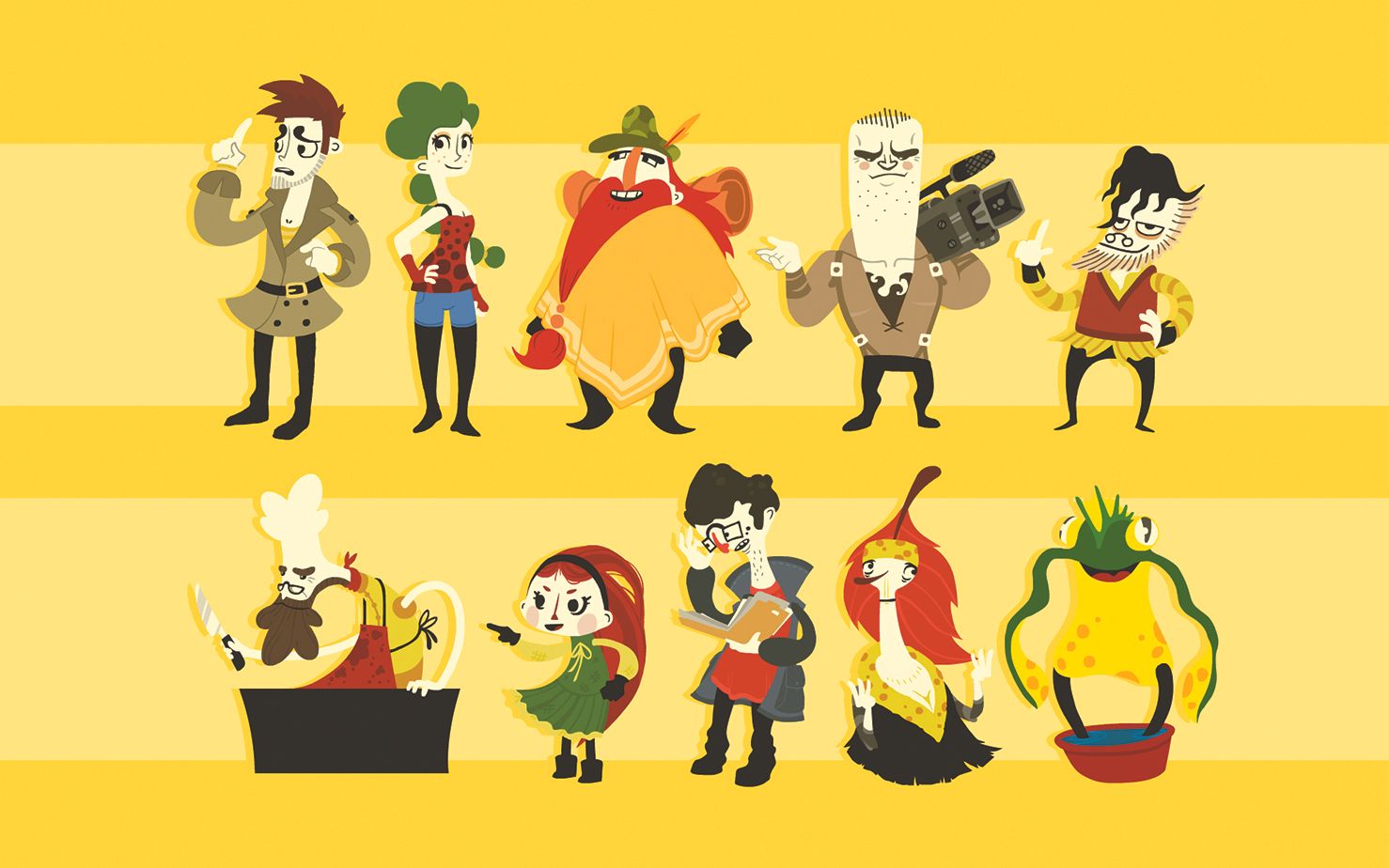
While SFB Games has explored a wide variety of genres, its defining project remains the Detective Grimoire series—a charming, character-driven murder-mystery adventure originally inspired by Capcom’s beloved Ace Attorney franchise. With the release of The Mermaid Mask, the fourth installment in the detective’s investigative career, Adam Vian sat down to discuss how the series’ visual style has evolved over the years, tracing its lineage from humble Adobe Flash roots to a sophisticated blend of hand-drawn 2D animation and stylized 3D technology.
Adam, how did you begin your career in games?
Adam Vian: With my brother Tom, we got started with Flash back in the early 2000s on a website called Newgrounds. It seemed kind of accessible, like something a teenager could make. Video game parodies were a big thing back then, and the internet didn’t have copyright detection, so you could just post stuff with copyrighted characters or music.
Technically, our first game was called Kirby’s Star Scramble, because Kirby is easy to draw, and it did okay on Newgrounds. From there, we fell into a rhythm of making games incredibly quickly. We would make a game in a single week, working at a rapid-fire pace with Tom acting as the programmer and me handling all of the art and animation.
How did making Flash games help you develop as an artist and game developer?
Adam Vian: It was a blissful existence because you could make a game quickly, throw it online immediately, and you would start getting feedback and reviews that very second. I always think that was this amazing kind of accelerant for us, where we got through all of our bad ideas really quickly.
They say everyone has a thousand bad drawings in them and you have to get them out of the way before you can do a good drawing. For us, it’s like everyone has a hundred bad games in them, and we managed to get them out of our system really quickly during that Flash era.
How did Detective Grimoire emerge from this prolific period?
Adam Vian: We had just played Ace Attorney: Phoenix Wright. We’d grown up playing classic point-and-click adventure games like The Secret of Monkey Island and Indiana Jones and the Fate of Atlantis, and then we played Phoenix Wright and thought it was absolutely amazing. Here was a game where all you really did was click on things and talk to people, yet the characters were incredibly wacky and the writing was funny. We immediately knew we wanted to make something like that.
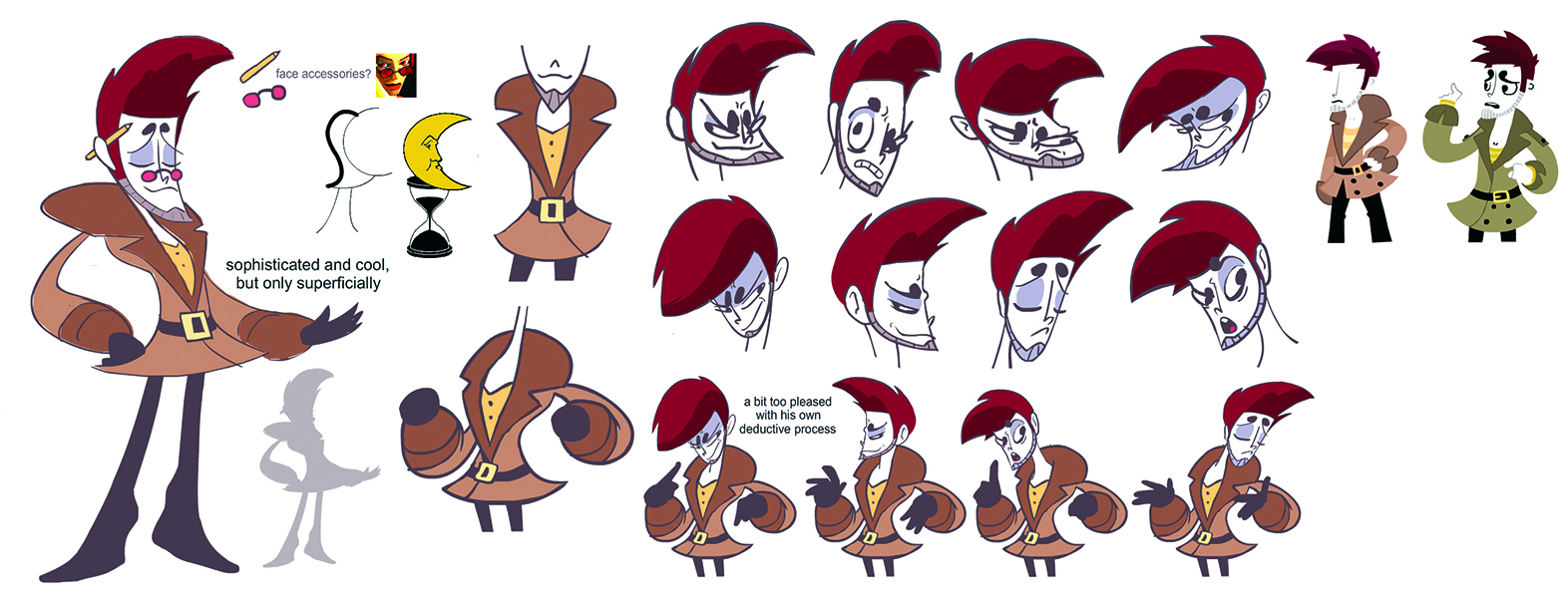
I was probably only 17 when we started working on the first Detective Grimoire game, and at the time, I wasn’t very creative or focused on pushing boundaries. The detective himself was just a very standard guy in a brown trenchcoat with brown hair. He was the ultimate go-to protagonist, probably inspired heavily by Guybrush Threepwood from Monkey Island and also Detective Gumshoe from Ace Attorney.
How has the character design evolved since the first game?
Adam Vian: When we made the first game, I was in foundation college, and I didn’t really have any weird or cool artistic influences. I was just drawing whatever came to mind—a basic, go-to cartoon style. But then, for the next three years, I went to art school at the University for the Creative Arts, studying art for illustration and animation.
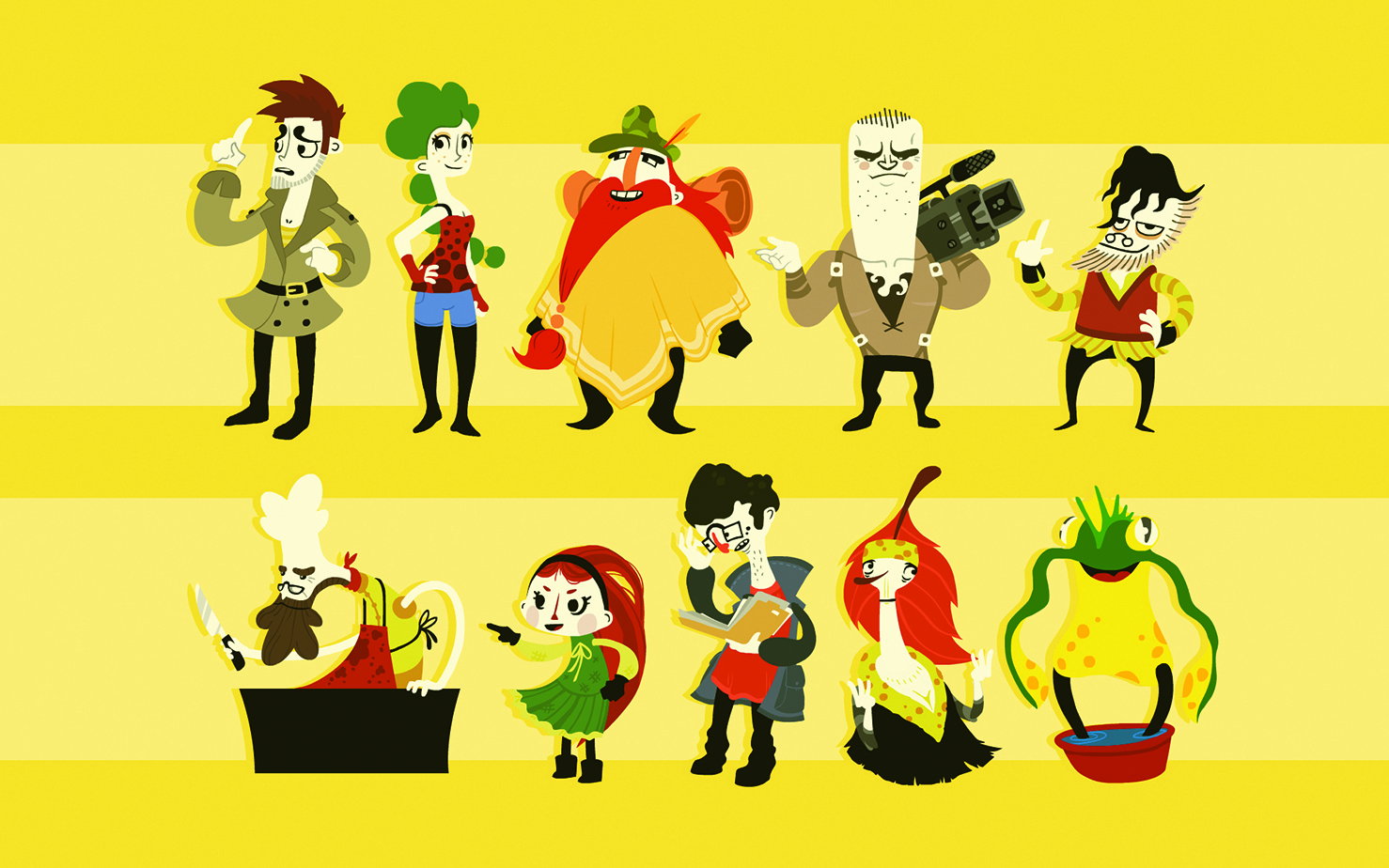
That education changed everything. My art style finally started to absorb interesting and diverse influences. It was also during this time that I met some amazingly talented artists, namely Catherine Unger, who came on board to work on every Grimoire game since. Not only is she a fantastic artist, but she’s also an incredibly useful creative partner to have around during the pre-production phase.
I basically use her as a sounding board all day, every day, on ideas, and then we’ll bash them out together. That’s a really healthy dynamic. Not only is she bringing her own distinct ideas to the table, but she’s providing me with a collaborator to bounce concepts off of all the time.
What artistic influences characterise the Grimoire series?
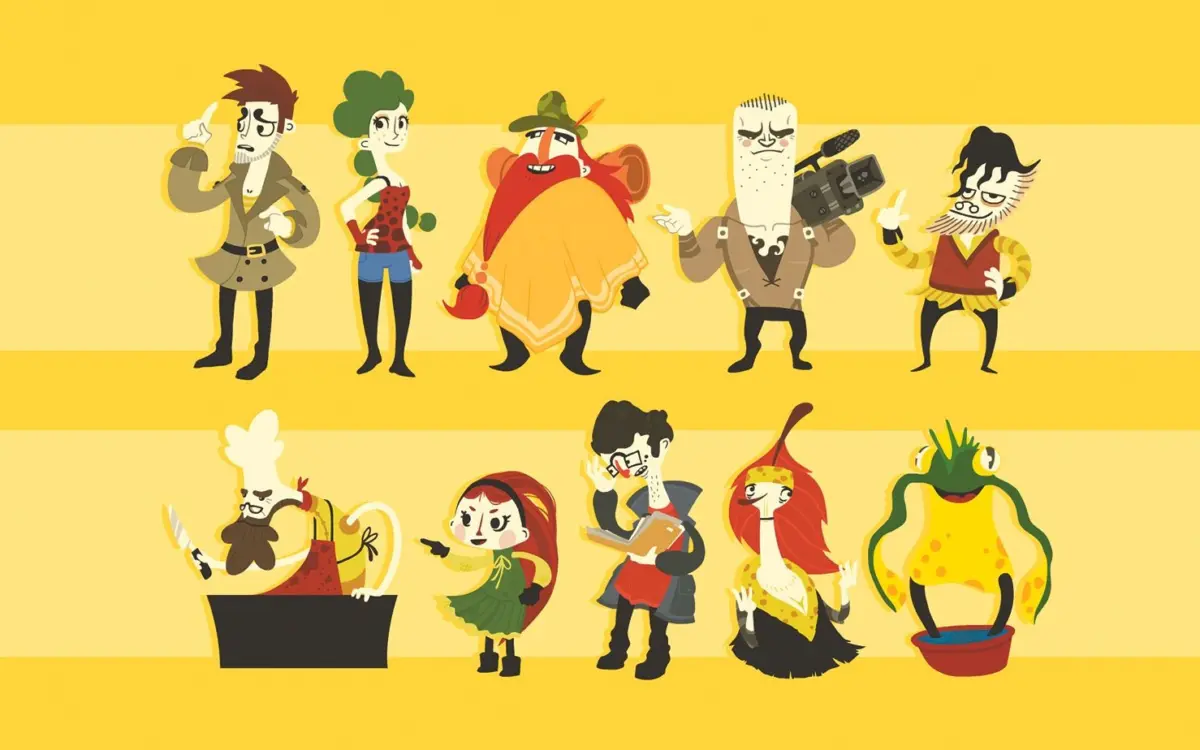
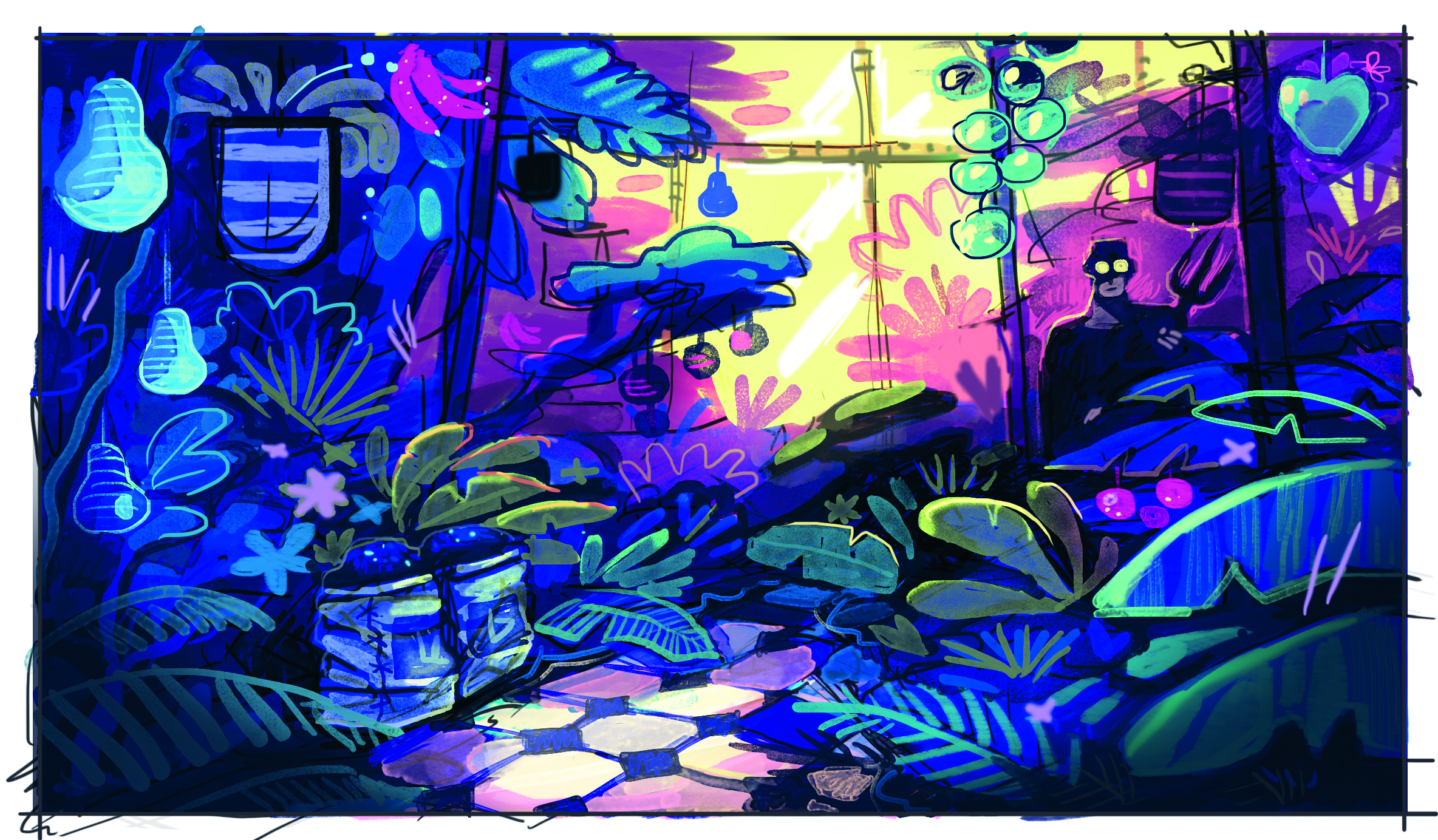
Adam Vian: For Detective Grimoire: Secret of the Swamp, the characters suddenly took on this highly stylized look with pure white skin. I really wanted the characters to be cleanly visible and pop against the detailed backdrops. I think that specific aesthetic choice was heavily influenced by The Thief and the Cobbler, the famously unfinished animated film by Richard Williams. I was also really inspired by Genndy Tartakovsky, the creator of Dexter’s Laboratory and Samurai Jack.
Tartakovsky’s core design philosophy is that a good silhouette and a strong, simple shape are the foundation of great character design, and that’s really all it takes. So, I tried to push the shapes of the characters as far as I could. They would be big, long, thin, with heads way up high and mouths placed way down low, completely stretching proportions.
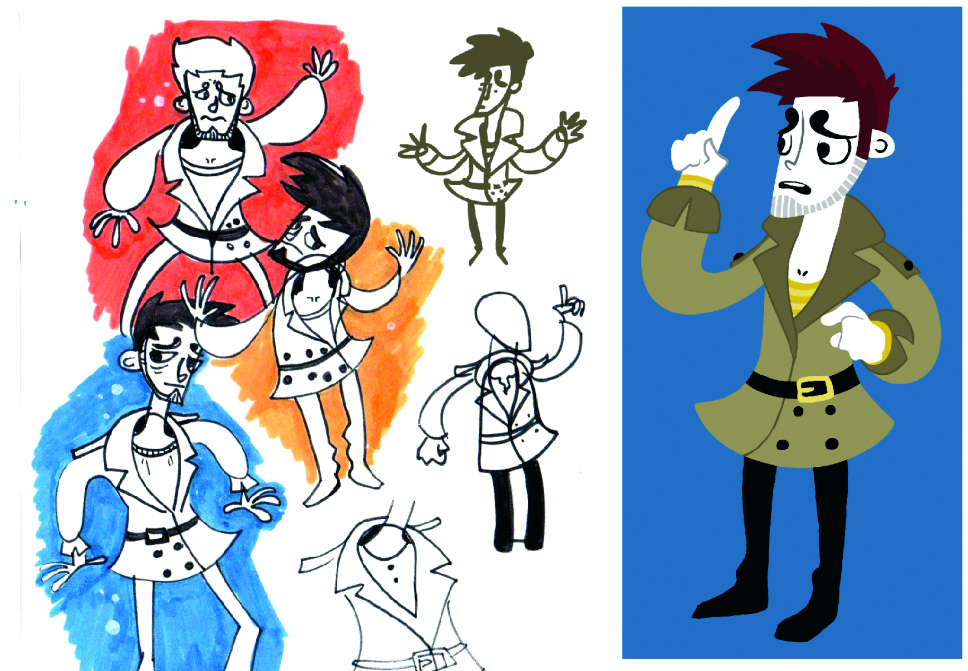
By the time we made the third game, Tangle Tower, Catherine and I had both gotten much better at our craft, and we felt that Secret of the Swamp had aged a bit. So, we decided to start from scratch again. We designed Grimoire with more vibrant colors, rounded his edges out a bit, and made the overall style more blobby, soft, and cartoony.
The Mermaid Mask represents the first time in the history of the series that we didn’t completely chuck out the established art style. Because we were happy with the look we achieved in Tangle Tower, we were able to reuse the engine, the core character designs, and some of the animations. It’s the first game that actually reads as a true visual sequel in the sense that we weren’t starting from absolute scratch in every regard.
As creative director, how do you collaborate with other artists during development?
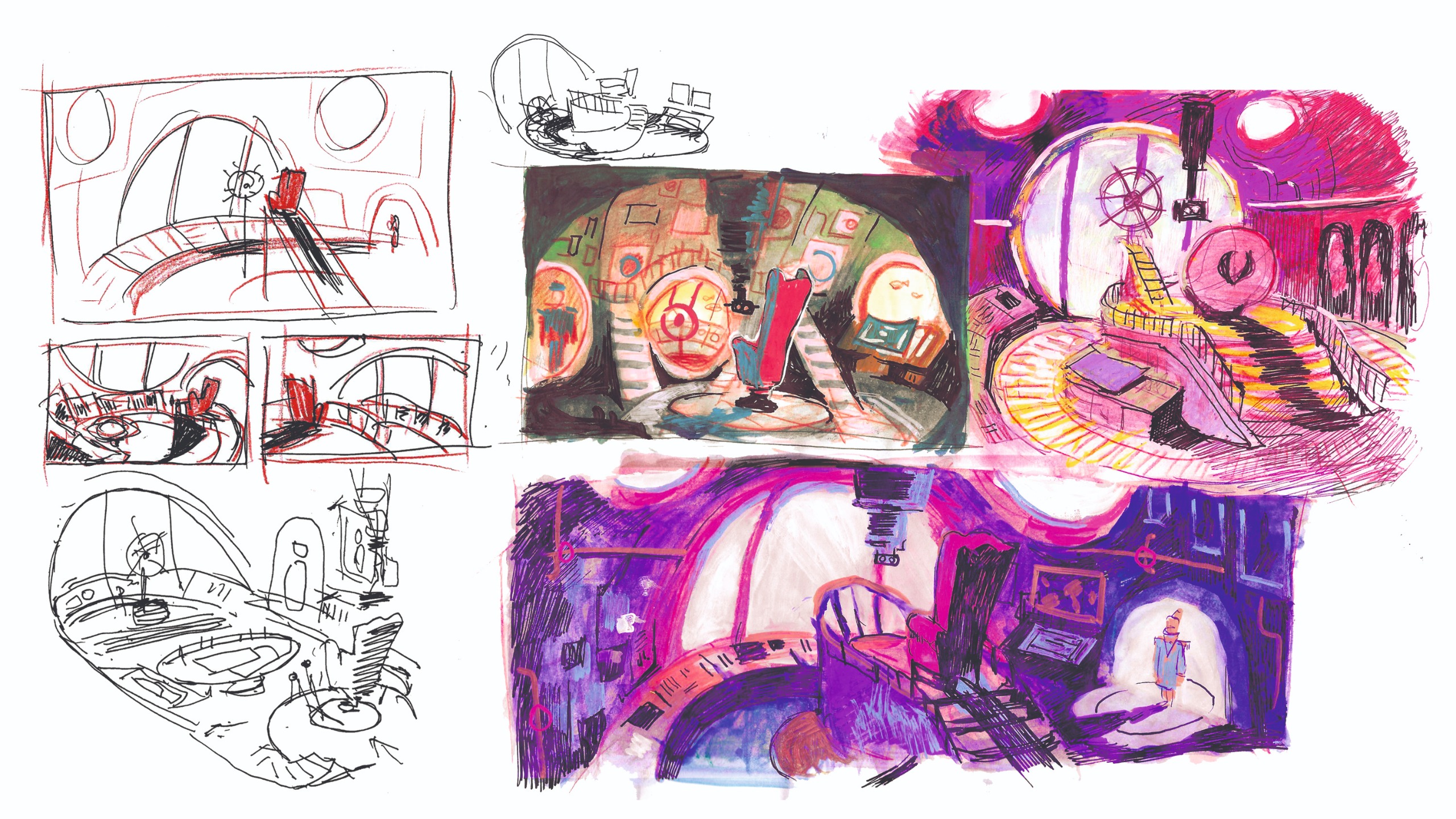
Adam Vian: The Grimoire games require this incredibly long pre-production phase because we are designing everything from the ground up: the world, the overarching story, the characters, and the intricate clues. It takes a long time and a massive amount of iteration.
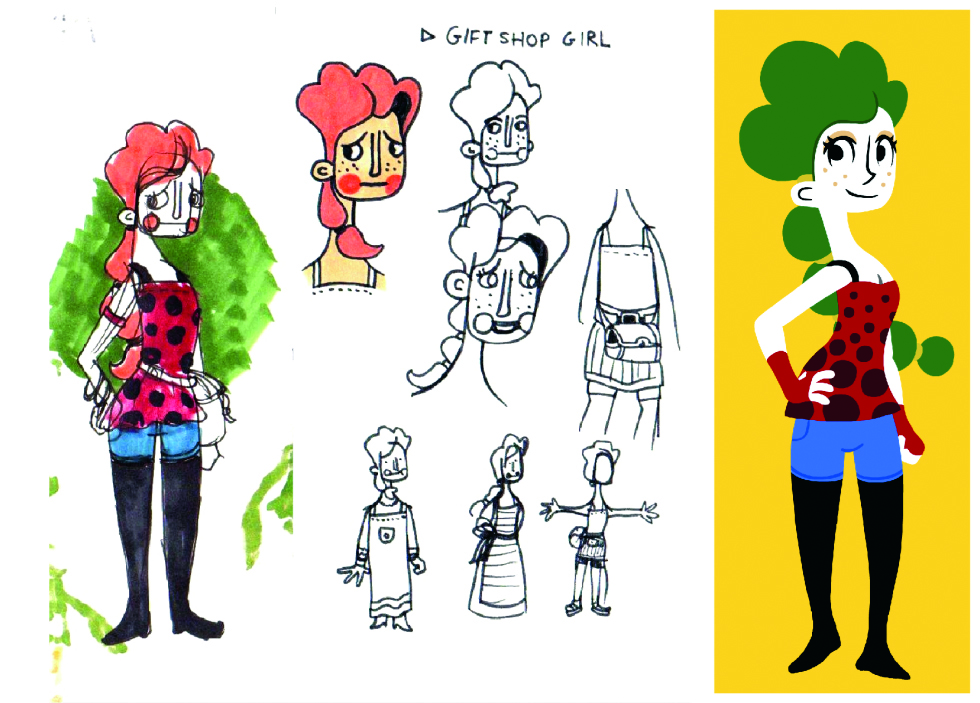
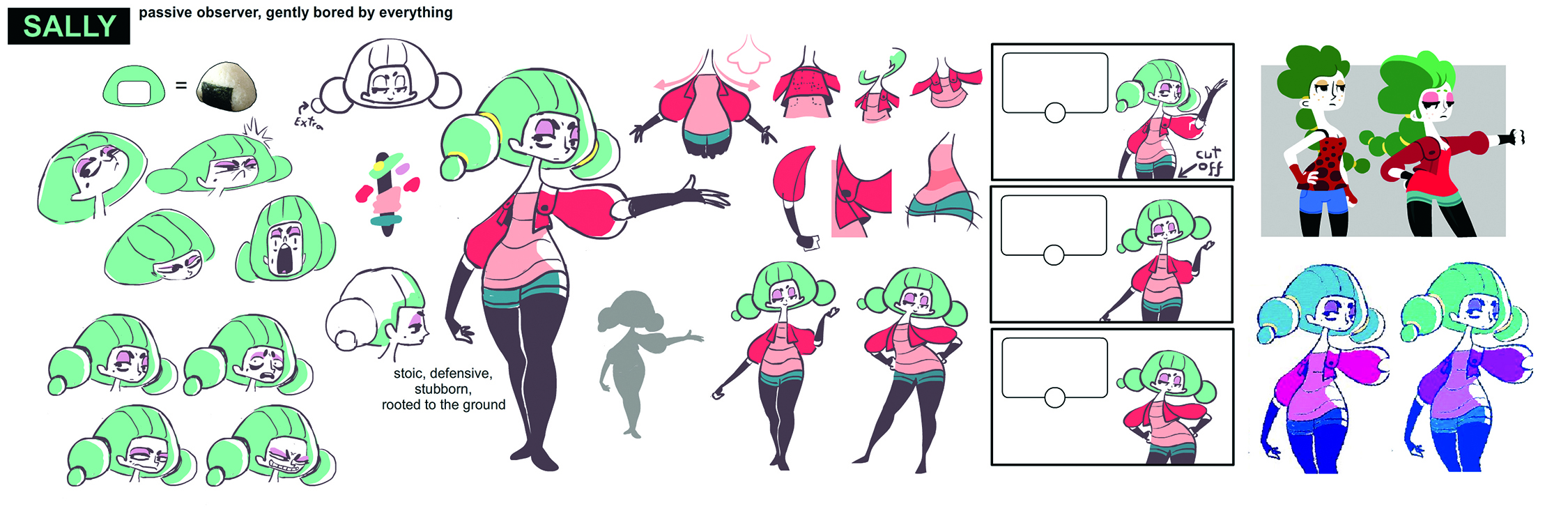
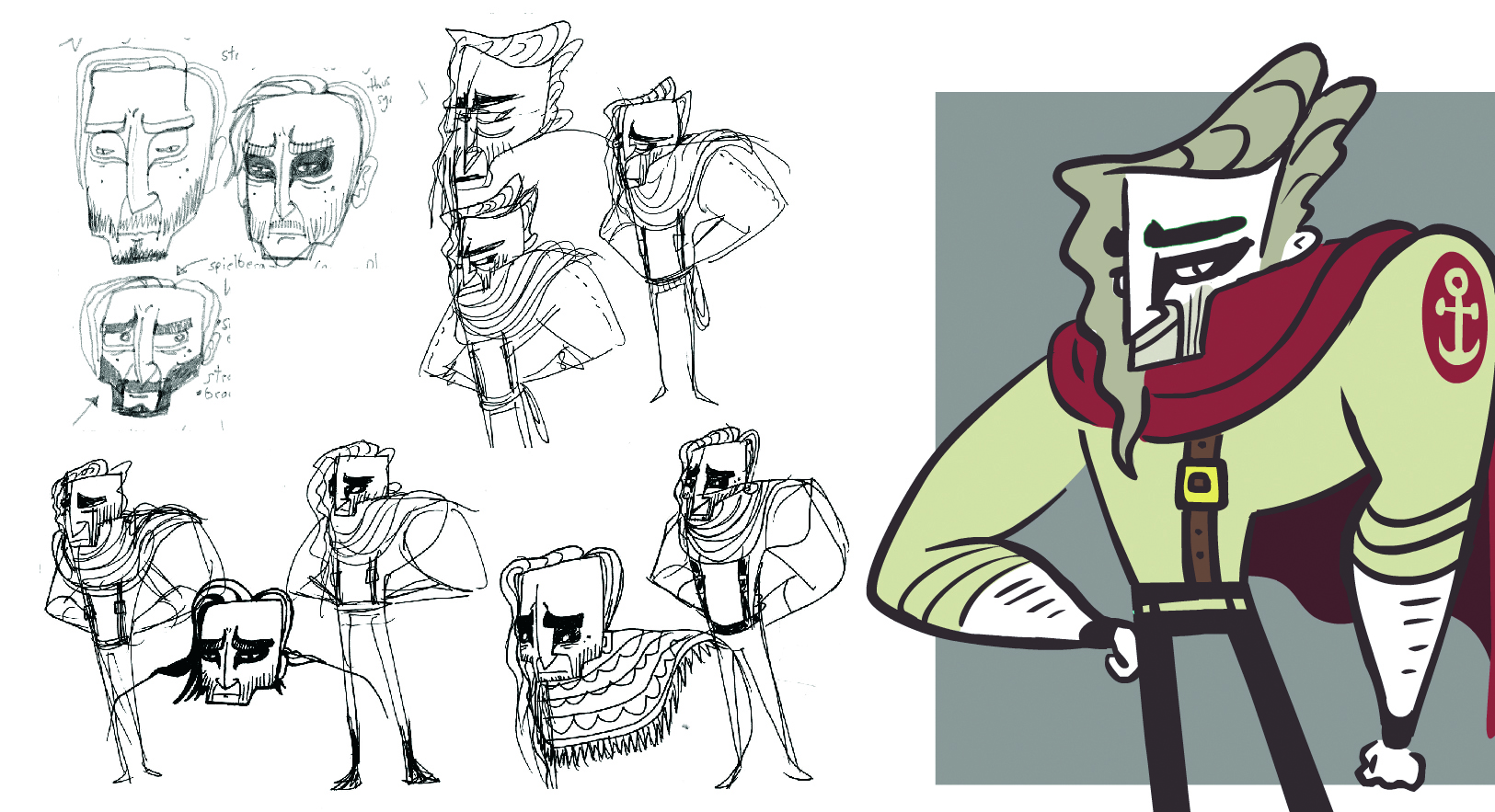
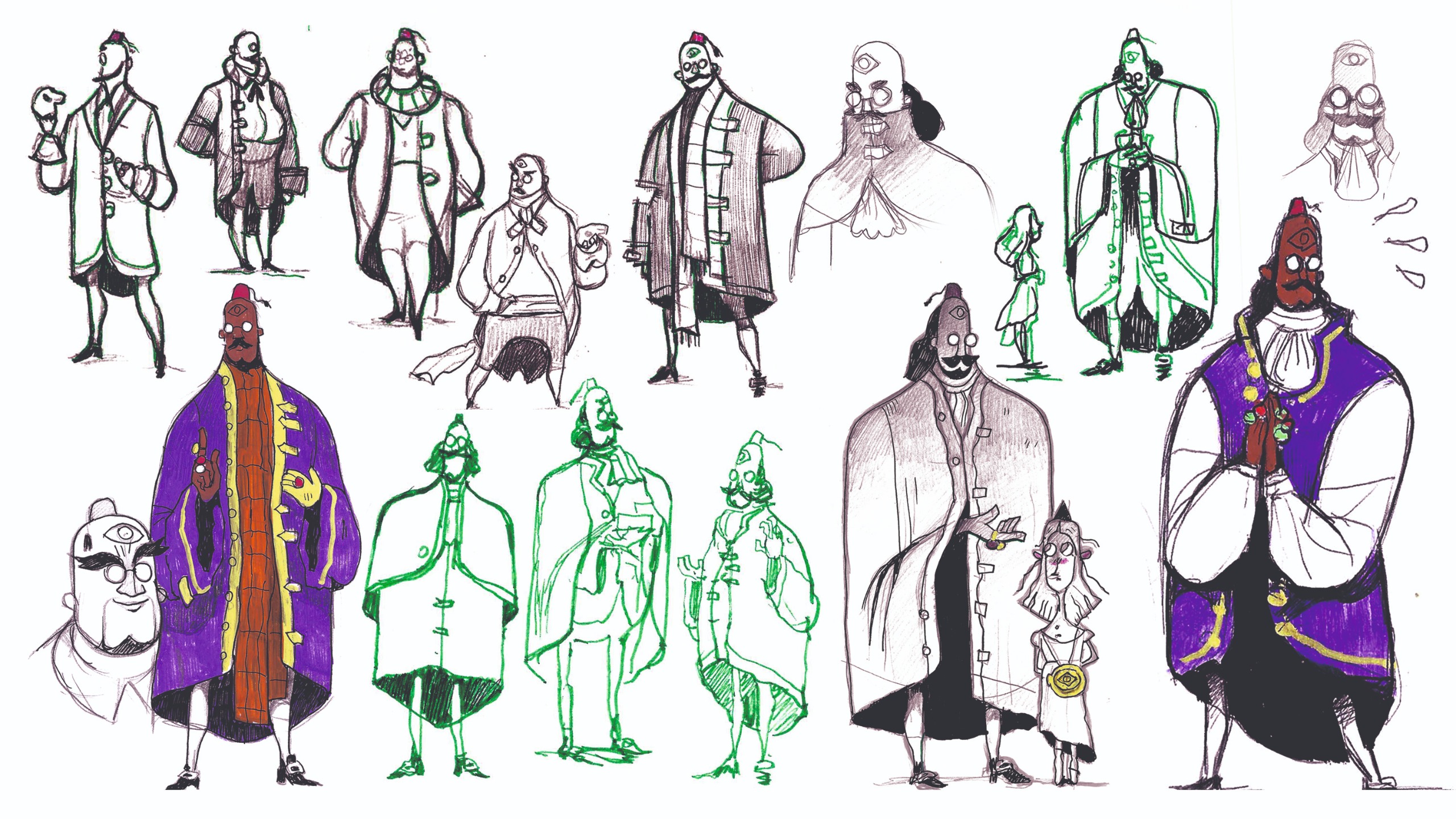
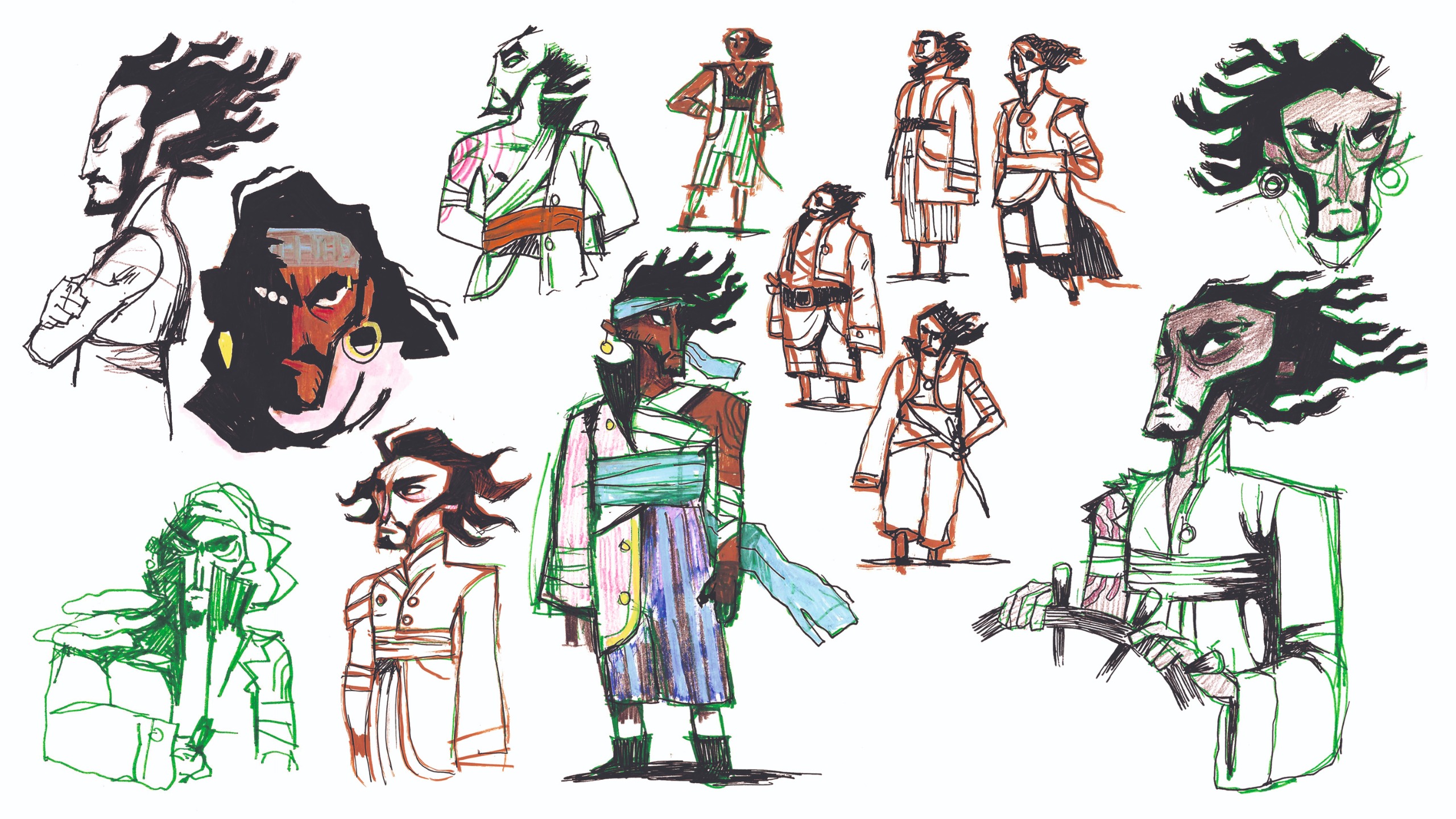
We’ll start with a vague location and some basic thematic ideas, and then Catherine and I will start sketching what we think a character might look like, drawing very loosely. For The Mermaid Mask in particular, we tried a new approach where we both independently went away to draw our own individual ideas of what a character should look like, agreeing not to show each other anything until we had both completed at least one drawing.
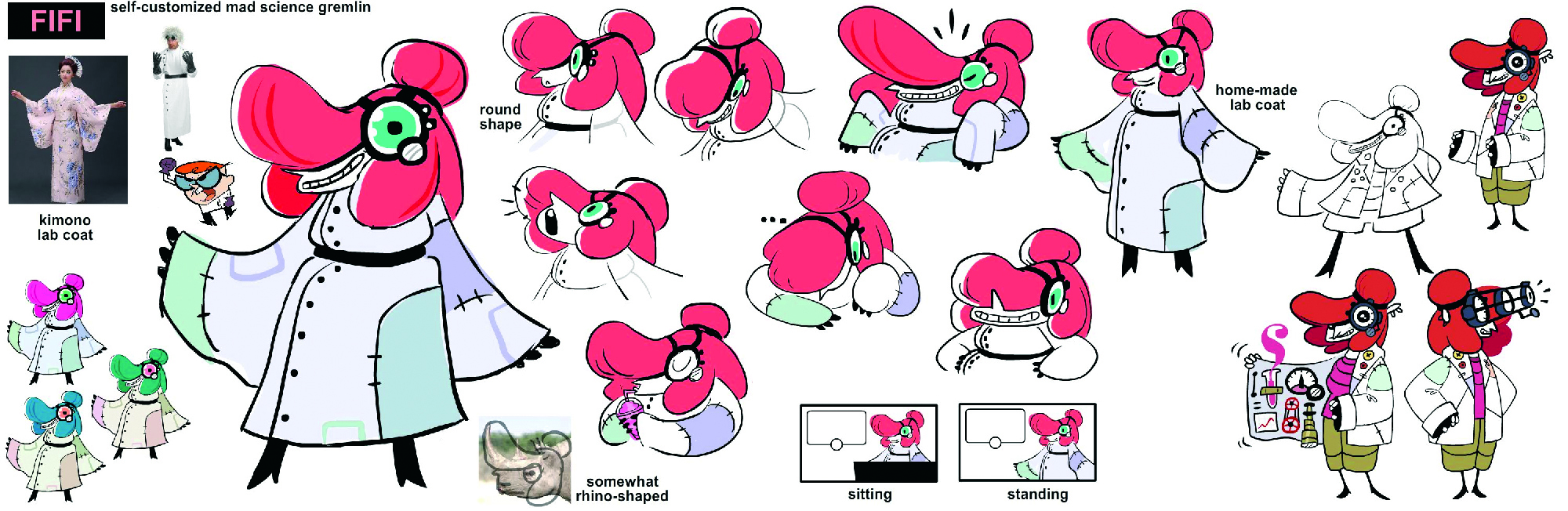
Then we would come together and compare our designs. From there, we would draw again, now letting ourselves be influenced by each other’s ideas, creating a sort of hybrid mix of our two styles. We go back and forth on that process multiple times. Once the design is settled, our animator, Charlotte Harris, also draws the characters extensively. She has to work out how they will look when they actually move, and what their proportions look like from a side-profile or three-quarter view.
We have to design each character with a full, expressive range of emotions. How do they look when they blink? What do their teeth look like when they speak or grimace? There is an immense amount of work that goes into the body language and facial expressions during the design process. Since players spend the vast majority of the game staring directly at these characters during interrogations, they have to feel completely realized, detailed, and full of life.
How did you introduce 3D into The Mermaid Mask without compromising the series’ hand-drawn 2D style?
Adam Vian: The idea actually came from seeing a couple of talented artists online who posted 3D fan art of Catherine’s personal paintings, successfully translating her distinct painterly style into 3D models. We looked at those and thought, "Wow, that looks incredibly cool."
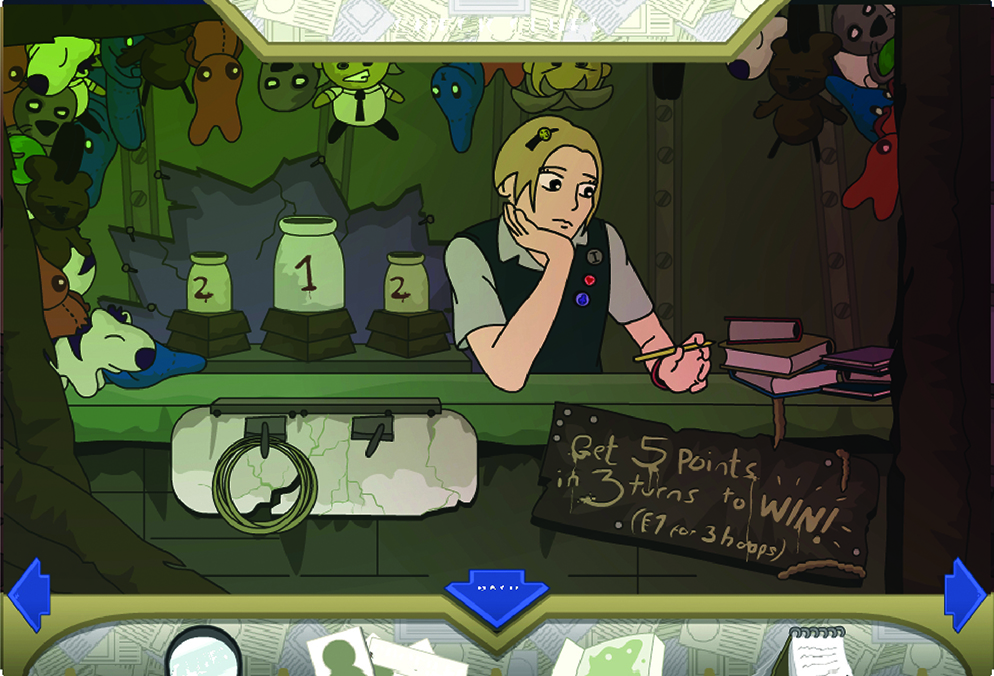
It was also born out of a practical desire to make the game’s clues more engaging. In Tangle Tower, the clues you found were just flat, 2D drawings, and that was it. But we realized it would be so much more fun if players could actually examine them—if you could rotate an object to look behind it, or if you found a book, if you could actually interactively open it.
To achieve this, we brought on a 3D artist named Kindra Dantone, who managed to match Catherine’s painting style exactly. Catherine would paint the clue up to the final concept art phase, and then Kindra would model the object and hand-paint a texture to perfectly match what Catherine’s 2D painting would have looked like.
The final, crucial step was programmed by my brother Tom. He developed a piece of custom tech art that dynamically generates a colored outline around the edges of the 3D model. This outline matches the hand-drawn aesthetic of Catherine’s paintings, complete with a dynamic, subtle "wobble" that mimics the natural look of an active brushstroke.
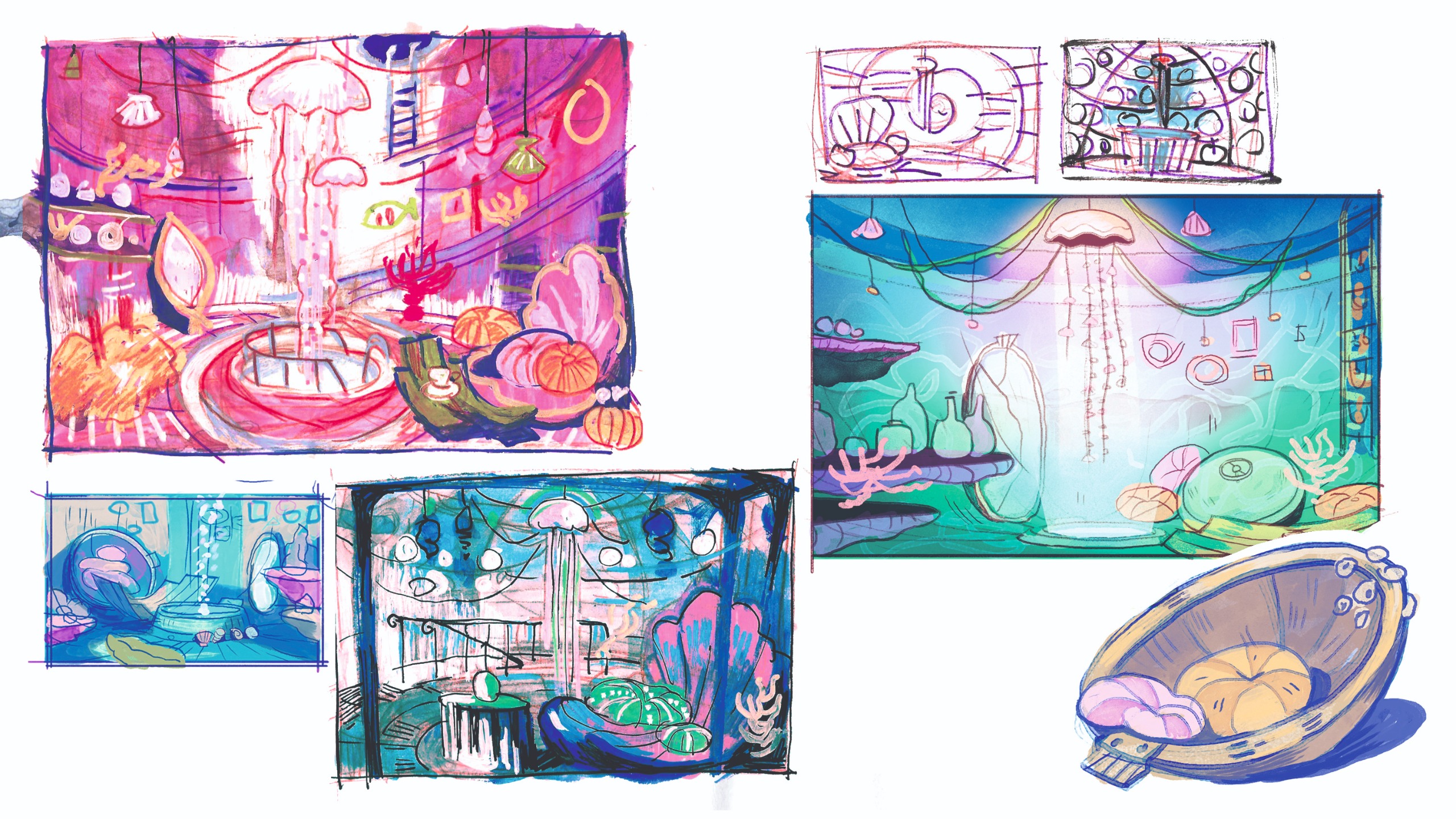
I really think these interactive 3D clues are one of the biggest selling points of The Mermaid Mask because there is so much visual juice in them. It makes the experience feel much more like an interactive, hands-on video game rather than a standard, static visual novel.
What advice would you give artists wanting to make games today?
Adam Vian: I got my start by making lots of small games very quickly. That was the beauty of the old Flash game scene. Today, the modern equivalent of that would be making a small project in an engine like Unity or Godot, and then publishing it on itch.io for free. If you can build your game so that it is playable directly within a web browser, you can easily share links with your friends and followers on social media, allowing them to play it instantly and leave feedback.
The single best thing you can do to gain experience as a developer is to actually finish a project. Completing a game—getting it polished, bug-free, and fully ready for release—is easily half the battle of game development. If you choose to work on a very small project, you will reach that crucial release phase much faster, allowing you to actually experience the entire lifecycle of development.
The worst mistake you can make early on is attempting to build your ultimate "magnum opus" right out of the gate. If you try to make an massive, open-world RPG when you are just starting out, it will likely never get finished because you simply don’t have the necessary production skills yet. That path almost always leads to frustration, burnout, and disappointment. Start small, finish what you start, and build your skills block by block.
Detective Grimoire’s latest hand-drawn murder mystery, The Mermaid Mask, is available now on PC, PlayStation 5, and Nintendo Switch.